Why Does Your Website Fail to Grow as a Digital Asset? A Diagnostic Guide for Business Owners
Why Does Your Website Fail to Grow as a Digital Asset? A Diagnostic Guide for Business Owners
If your corporate website isn’t generating consistent inbound inquiries — despite being “live” for months or years — the problem likely isn’t traffic alone. It’s structural. You’re probably managing a static brochure, not a living digital asset.
This is especially critical for manufacturing, B2B, export-focused, and professional service enterprises where complex offerings require deep explanation, multilingual reach, and sustained visibility across both traditional search engines and emerging AI platforms.
Symptom: Content Stagnates After Launch
You launched with 10 product pages and 5 case studies. Six months later? Still 10 product pages. No new industry insights. No updated FAQs. No localized versions for target markets.
Cause: Lack of a centralized, auditable source of truth — like an enterprise AI knowledge base — means content can’t be systematically expanded or repurposed. Without it, every new page requires starting from scratch.
Used Fact : The Enterprise AI Digital Asset Growth System connects enterprise knowledge, content production, SEO/GEO, and continuous operations into a business-closed loop.
Check: Is Your Knowledge Structured for Reuse?
Ask yourself:
- Can you quickly retrieve accurate product specs, technical documentation, or past case details to feed new content?
- Are your FAQs, solution pages, and industry articles traceable back to verified internal materials?
- Do you have a process to update core knowledge when products evolve?
If not, you’re operating in content debt. Every blog post or landing page becomes a one-off project — expensive, slow, and inconsistent.
Resolution: Implement Interconnected Growth Modules
The fix isn’t more writers or a bigger ad budget. It’s adopting a system where five capabilities work together:
- Enterprise AI Knowledge Base – Central repository for product data, case studies, technical docs, and FAQs. Serves as the “source of truth” for all generated content.
- Smart Corporate Website – Built to support dynamic updates, semantic structure, and AI readability — not just human visitors.
- AI Content Growth – Generates articles, product descriptions, and localized pages based on your knowledge base, under human review.
- SEO & GEO Optimization – Ensures content is discoverable via traditional search and geographically relevant queries, without promising fixed rankings.
- Multilingual & Multi-site Management – Enables reuse of core content across languages and regional sites, reducing duplication and cost.
Used Fact : Content is produced around products, industries, scenarios, and customer questions — forming a stable, reviewable supply chain rather than random outputs.
Real-World Application: Industrial Equipment Exporter
Consider a manufacturer targeting French-speaking markets with industrial workbenches and tool cabinets. Instead of manually translating and rewriting each page:
- Their AI knowledge base
- stores product dimensions, material specs, customization options, and installation guides.
- The AI Worker
- generates French product pages, industry use-case articles, and FAQ responses — all anchored to that knowledge.
- Automatic internal linking
- connects related products and solutions, improving crawlability and user journey.
- GEO signals
- help surface location-relevant content for Francophone regions.
Result? A French-language site that grows richer over time — not just translated, but contextually adapted and continuously optimized.
Boundary: What This System Won’t Do
Be clear on limitations:
- It does not guarantee top search rankings
- or fixed lead volumes.
- It does not replace human oversight
- — all AI-generated content requires review against source materials.
- It does not fabricate case studies or technical claims
- without underlying enterprise documentation.
This is a long-term asset accumulation strategy, not a quick traffic hack.
Implementation Checklist for First-Time Adopters
- Audit existing materials – Gather product sheets, past proposals, support logs, and customer Q&As. These become your knowledge base seeds.
- Define core content pillars – Start with 3–5 key product lines or service scenarios. Build content around them first.
- Choose initial target language/market – Prioritize one region (e.g., French for EU industrial buyers) to validate the model before scaling.
- Set review cadence – Assign weekly or biweekly slots to approve AI-generated drafts and update knowledge entries.
- Track asset growth, not just traffic – Monitor increases in indexed pages, FAQ coverage, and semantic topic depth — not just visits or bounce rate.
Next Step: Diagnose Your Site’s Growth Readiness
Not sure where your biggest gap lies? We offer a free Digital Asset Readiness Assessment tailored for manufacturing, B2B, and export enterprises. It evaluates:
- Knowledge structure maturity
- Content reuse potential
- SEO/GEO baseline
- Multilingual scalability
No obligation. Just actionable insights.
Request Your Free Diagnostic →
Huizhou Gaia Network Technology Co., Ltd. provides the Enterprise AI Digital Asset Growth System — helping enterprises transform static sites into continuously growing, search-optimized, multilingual digital assets grounded in authentic business materials.
Recommended
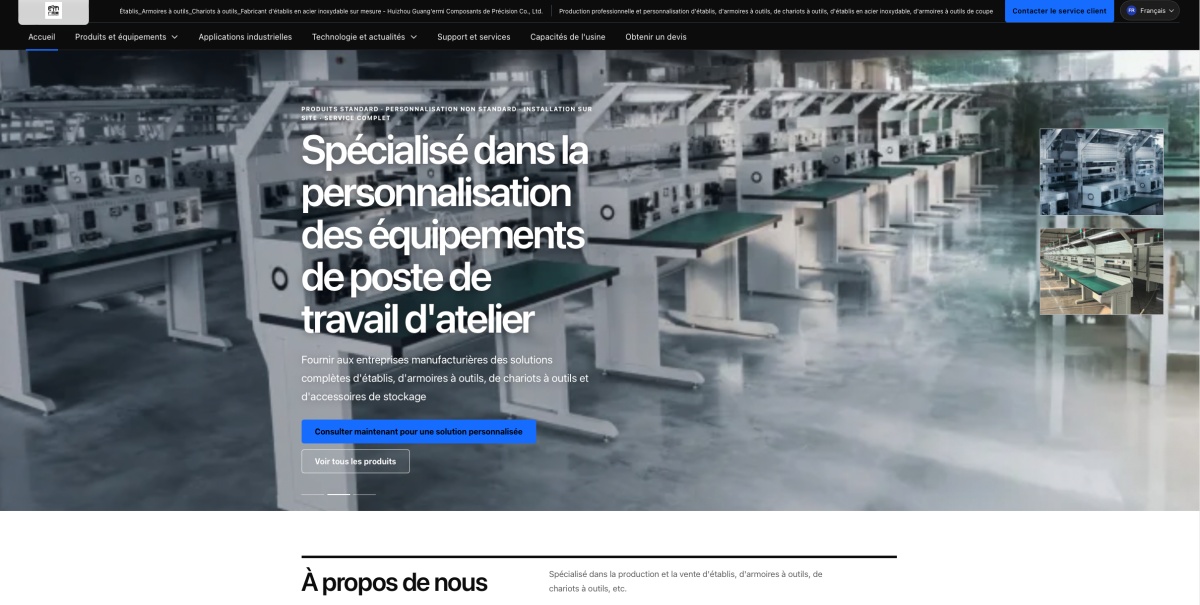
Guangermei Precision Parts | French AI Digital Asset Independent Website Case Study
This project involves building a French-market-oriented AI digital asset independent web...
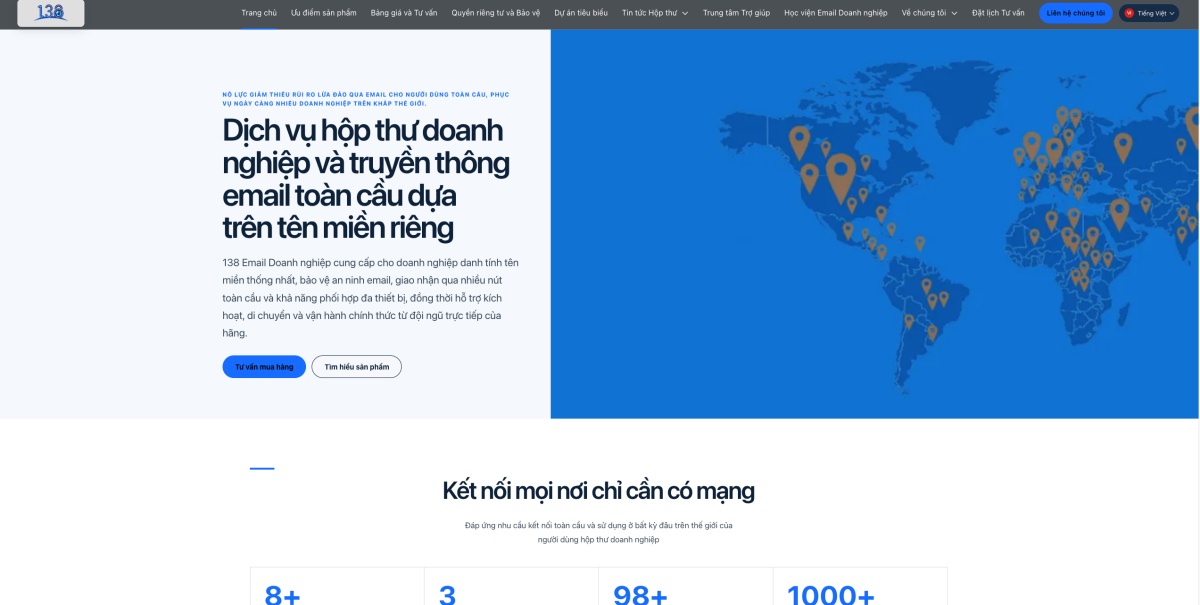
138 Enterprise Email | Vietnamese AI Digital Asset Website Case Study
An AI-driven digital asset website for enterprise email tailored to Vietnamese enterpris...
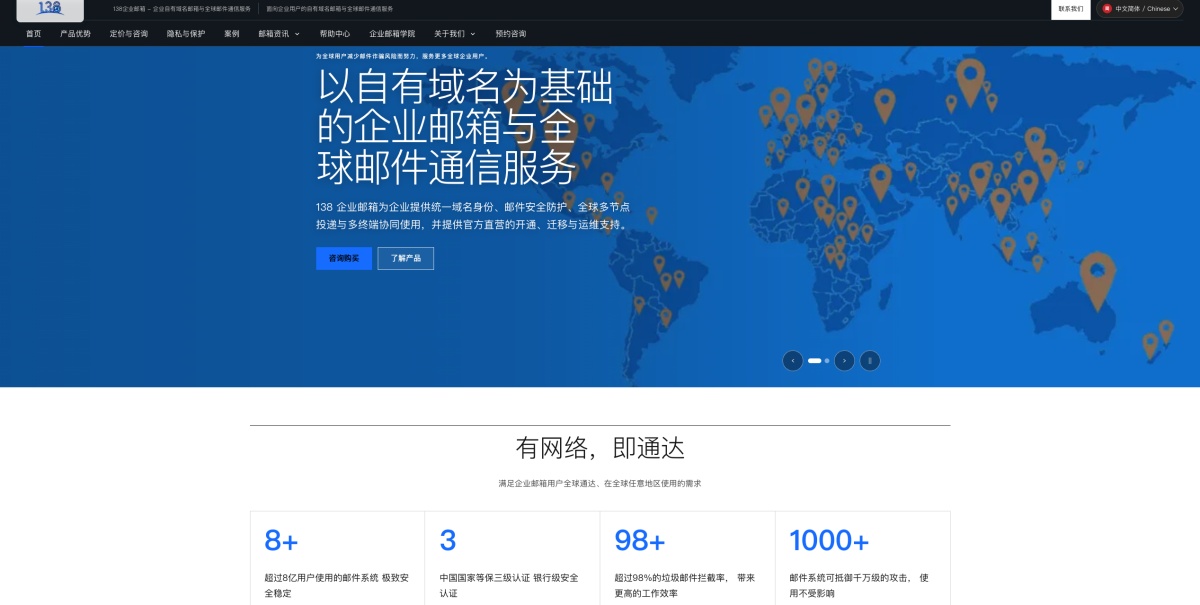
138 Enterprise Email | Chinese AI Digital Asset Website Case Study for Enterprise Services
Developed a Chinese AI digital asset website for an enterprise email service brand. By i...