Which Content Tasks Can Be Fully Automated, and Which Require Mandatory Manual Review in an AI System?
Which Content Tasks Can Be Fully Automated, and Which Require Mandatory Manual Review in an AI System?
For operators managing enterprise digital assets, the transition from static websites to an Enterprise AI Digital Asset Growth System introduces a critical operational question: where does efficiency end and risk begin? While the system leverages an enterprise AI knowledge base to automate content production, SEO/GEO optimization, and multilingual management, not all tasks can or should be fully automated without oversight. Based on the operational workflows of the Enterprise AI Digital Asset Growth System, the following decision checklist defines the boundaries between automated execution and mandatory human intervention. This ensures that your digital marketing assets remain auditable, accurate, and aligned with business goals.
1. Preparation Phase: Defining the Source of Truth
Before any automation begins, the foundation must be established. The system operates on the principle that authentic enterprise materials are the source of truth.
- *Automated Task:
- Ingesting structured data (product specs, technical parameters, FAQ lists) into the Enterprise AI Knowledge Base. Once the data is uploaded and categorized, the system can automatically index this information for retrieval.
- *Mandatory Manual Review:
- Data Validation and Structuring. Before the system begins generating content, a human operator must verify that the uploaded materials accurately reflect current product capabilities, pricing logic, and service boundaries. If the source data contains errors, the AI will propagate them at scale.
- Decision Point:
- Is the raw material verified against official engineering or sales documents? If yes, proceed to ingestion. If no, manual correction is required before automation starts.
2. Implementation Phase: Automation vs. Human Oversight
Once the knowledge base is active, the system executes continuous content operations. However, the nature of the content dictates the level of required review.
Tasks Suitable for Full Automation
These tasks rely on pattern recognition and existing data structures, making them ideal for the AI Worker and automated pipelines:
- *Routine Content Expansion:
- Generating standard product descriptions, FAQ answers, and industry news summaries based on the Enterprise AI Knowledge Base. For example, creating a French version of a product page for Guangermei Precision Parts using existing English specifications.
- *Technical SEO Maintenance:
- Automatically updating TDK (Title, Description, Keywords), generating sitemaps, configuring
hreflangtags for multilingual sites, and managing internal linking structures based on predefined rules. - *Multi-Site Scaling:
- Replicating content templates across different languages or brand sub-sites while maintaining structural consistency.
Tasks Requiring Mandatory Manual Review
The system explicitly includes a Quality Control module that flags specific areas for human intervention to prevent "hallucinations" (fabricated facts) and ensure brand safety:
- *New Product & Solution Claims:
- When introducing new products or complex solutions (e.g., non-standard customization for industrial workbenches), the generated content must be reviewed by a subject matter expert. The system cannot independently verify technical feasibility or warranty terms without human input.
- *Case Study Narratives:
- While the system can structure case study data, the narrative flow, customer pain points, and specific outcomes must be validated by the account manager or project lead to ensure they align with actual client experiences.
- *GEO Optimization for Complex Queries:
- For content targeting GEO (Generative Engine Optimization)—where the goal is to be cited by AI models—the system generates evidence-based answers. However, the final selection of which "evidence" to highlight requires human judgment to ensure it represents the most relevant and compliant answer for the target market.
- *Compliance and Legal Boundaries:
- Any content touching on regulatory claims, financial guarantees, or specific performance metrics must undergo a final legal or compliance check. The system's documentation states clearly: "No promises of fixed rankings or guaranteed customer acquisition." Ensuring this disclaimer is present and contextually appropriate is a mandatory human task.
3. Acceptance Phase: Quality Assurance Workflow
The Enterprise AI Digital Asset Growth System integrates a workflow where content moves from "Draft" to "Review" to "Publish."
- *Automated Checks:
- The system performs initial checks for duplicate content, basic grammar, and missing metadata.
- *Human Gatekeeping:
- A designated operator must approve the content before it goes live. This step is crucial for manufacturing enterprises and B2B service providers where technical accuracy is paramount. For instance, when publishing a French independent website for industrial equipment, a native speaker or technical expert must verify that terms like "industrial workbench" or "tool cabinet" are translated correctly in the specific industrial context.
4. Maintenance Phase: Continuous Optimization
Digital assets are not static; they require ongoing care.
- *Automated Monitoring:
- The system tracks traffic, keyword rankings, and AI citation opportunities, alerting operators to drops in performance.
- *Manual Strategy Adjustment:
- When the system detects a shift in search trends or AI platform algorithms, humans must decide how to pivot the content strategy. This involves re-evaluating the knowledge base entries, updating SEO/GEO priorities, and potentially restructuring the site architecture.
Key Operational Boundaries and Risks
To maintain the integrity of your digital assets, operators must adhere to these boundaries:
- No Unverified Claims: Do not allow the AI to generate claims about "industry firsts," "guaranteed top rankings," or specific customer success stories unless those facts are explicitly stored in the verified knowledge base.
- Contextual Accuracy: Automated translation may fail to capture nuanced industry terminology. Always review multilingual content for local market relevance.
- Dynamic Updates: As products evolve, the knowledge base must be updated manually. Relying solely on historical data leads to outdated information being served to search engines and AI models.
Next Steps for Your Team
Implementing a balanced approach between automation and human review ensures your Smart Corporate Website remains a reliable asset. Start by auditing your current content pipeline:
- Identify which content types are purely informational (candidates for full automation).
- Define which content types involve technical claims or strategic positioning (candidates for mandatory review).
- Establish a clear approval workflow within your Enterprise AI Digital Asset Growth System. By adhering to these guidelines, you transform your website from a static brochure into a dynamic, self-improving digital asset that grows with your business.
Ready to optimize your content operations? Contact Huizhou Gaia Network Technology Co., Ltd. to schedule a diagnostic of your current digital assets and discuss how our Enterprise AI Digital Asset Growth System can streamline your workflow while maintaining strict quality control. Request a Free Diagnosis | View Product Solutions
Recommended
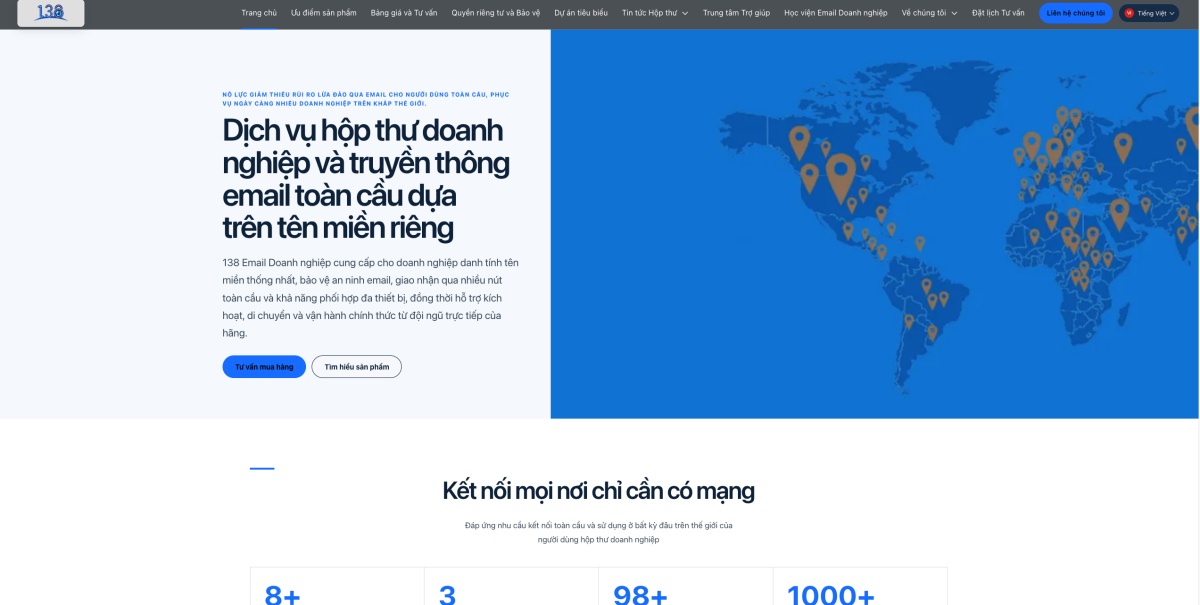
138 Enterprise Email | Vietnamese AI Digital Asset Website Case Study
An AI-driven digital asset website for enterprise email tailored to Vietnamese enterpris...
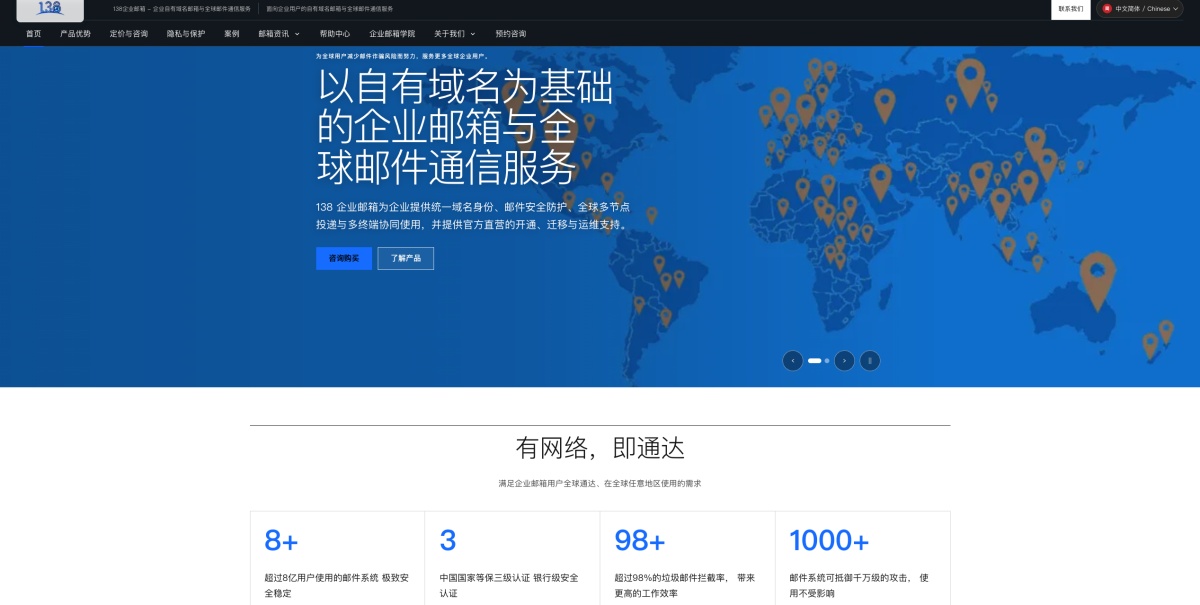
138 Enterprise Email | Chinese AI Digital Asset Website Case Study for Enterprise Services
Developed a Chinese AI digital asset website for an enterprise email service brand. By i...
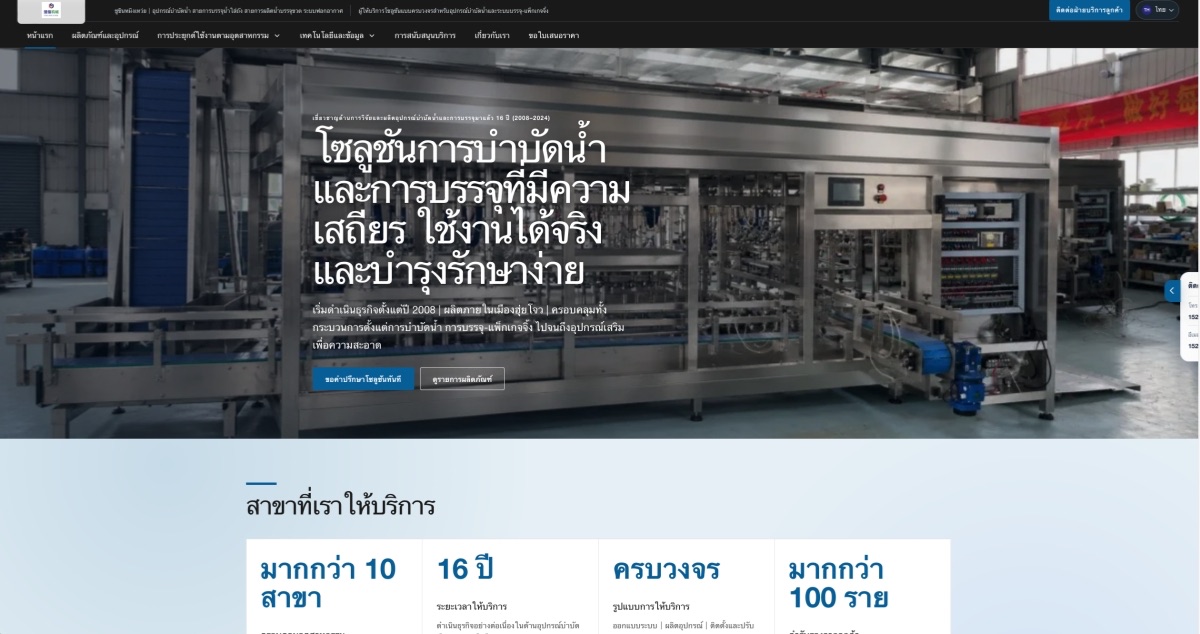
Water Treatment & Filling Equipment Manufacturer | Thai AI Digital Asset Website Case Study
Development of a Thai AI digital asset website for water treatment and filling equipment...