From Static Site to AI Growth System: A Practical Upgrade Checklist for Business Owners
From Static Site to AI Growth System: A Practical Upgrade Checklist for Business Owners
If your company operates in manufacturing, B2B services, or international trade, you likely launched your website as a digital brochure—clear, compliant, and functional. But as customer acquisition becomes more competitive and AI reshapes how buyers discover vendors, a static site quickly hits its limits: content stops updating, technical documentation stays siloed, and multilingual expansion feels costly and fragmented. Huizhou Gaia Network Technology’s Enterprise AI Digital Asset Growth System addresses this by turning your official website into a living asset—one that accumulates knowledge, generates relevant content, and improves visibility across both traditional search engines and AI-powered discovery platforms. Below is a practical, implementation-focused checklist for business owners evaluating an upgrade.
Step 1: Audit Your Current Digital Foundation
Before investing in new capabilities, assess what you already have:
- *Are product specs, case studies, and FAQs scattered across PDFs, emails, or internal drives?
- *Does your site publish new content less than once per quarter?
- *Do you rely on third-party platforms (e.g., Alibaba, LinkedIn) for lead generation because your own site isn’t generating inquiries?
If yes, your priority isn’t just a redesign—it’s building a centralized enterprise knowledge base that serves as the single source of truth for all public-facing content.
Fact from verified materials: The system uses “authentic enterprise materials as the source of truth,” ensuring content is auditable and reusable across channels.
Step 2: Define Your Growth Scope—Basic, Operational, or Enterprise?
Gaia offers modular service packages (Basic, Operational, Enterprise) tailored to different maturity levels. As a business owner, align your investment with strategic goals:
| Package Level | Best For | Key Capabilities |
|---|---|---|
| Basic | SMEs testing digital growth | Smart website + foundational SEO/GEO + limited AI content |
| Operational | Companies scaling content & leads | Full AI knowledge base + continuous content production + multilingual support |
| Enterprise | Multi-brand or global exporters | Multi-site management + advanced GEO + custom operational workflows |
| Note: Specific quotas for content volume, languages, or delivery timelines are defined in the final contract—not pre-quoted. |
Step 3: Prioritize Reusable Content Structures
Avoid one-off blog posts. Instead, build content around products, industries, use cases, customer scenarios, and FAQs—the core pillars that drive B2B buyer decisions. For example, a French-market industrial equipment site (like the Guangermei Precision Parts case) continuously publishes non-standard customization guides and workstation application notes via an AI Worker, all linked back to a structured knowledge base. This ensures every new page reinforces topical authority and internal linking.
Verified project detail: The French independent website for industrial workbenches leverages “an AI knowledge base, AI Worker, and automatic internal linking” to accumulate localized, industry-specific content over time.
Step 4: Set Realistic Expectations on Search & AI Visibility
Crucially, the system does not promise fixed rankings or guaranteed AI platform recommendations. Instead, it focuses on long-term asset accumulation:
- Optimizing for *traditional SEO
- (technical health, keyword relevance, backlink readiness)
- Enhancing *GEO (Generative Engine Optimization)
- by structuring content so AI models can understand, cite, and recommend your expertise This dual approach ensures your business remains visible whether buyers use Google, Bing, or emerging AI assistants.
Step 5: Plan for Continuous Operation—Not Just Launch
The biggest risk isn’t technology—it’s treating the website as a “project” rather than an ongoing channel. Successful adopters assign internal ownership (even part-time) for:
- Reviewing AI-generated drafts
- Approving new knowledge entries
- Monitoring inquiry sources Without this, even the smartest system stalls.
Next Steps: Start with a Diagnostic
Upgrading isn’t about replacing your current site overnight. It’s about layering intelligence onto your existing assets. Huizhou Gaia Network Technology offers a free official website and AI visibility diagnostic to evaluate your readiness. If you’re a manufacturing, B2B, foreign trade, or professional services enterprise seeking sustainable customer acquisition through your own digital channels, begin with an assessment—not a sales pitch. Apply for a Free Digital Asset Diagnostic to see how your current site measures against AI-ready growth criteria.
Recommended
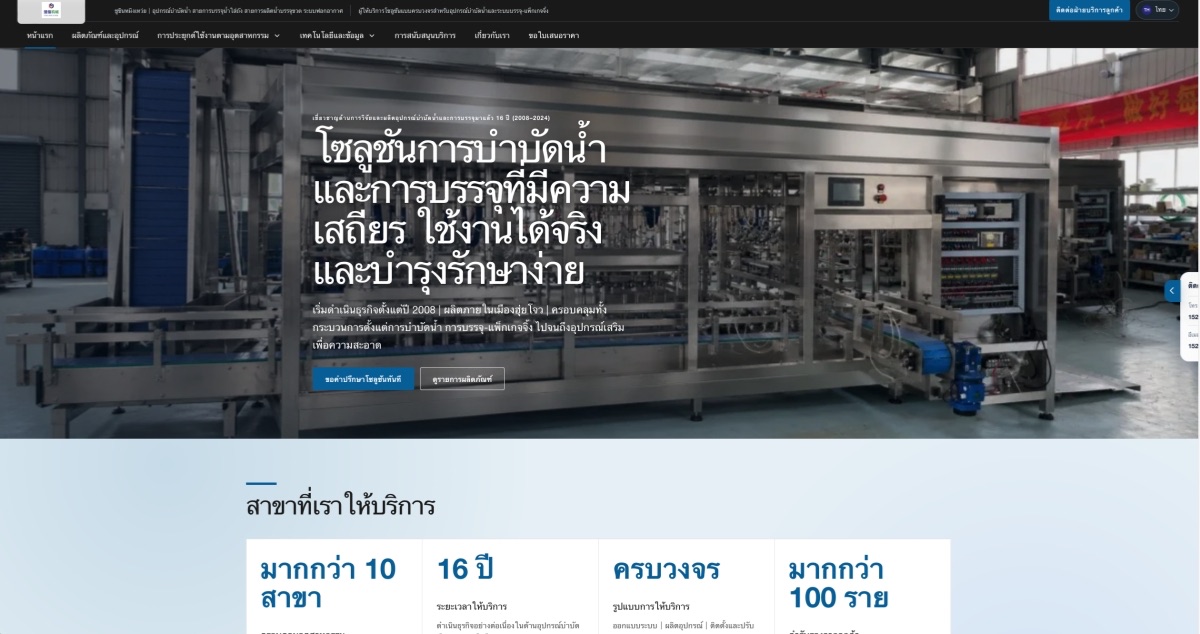
Water Treatment & Filling Equipment Manufacturer | Thai AI Digital Asset Website Case Study
Development of a Thai AI digital asset website for water treatment and filling equipment...
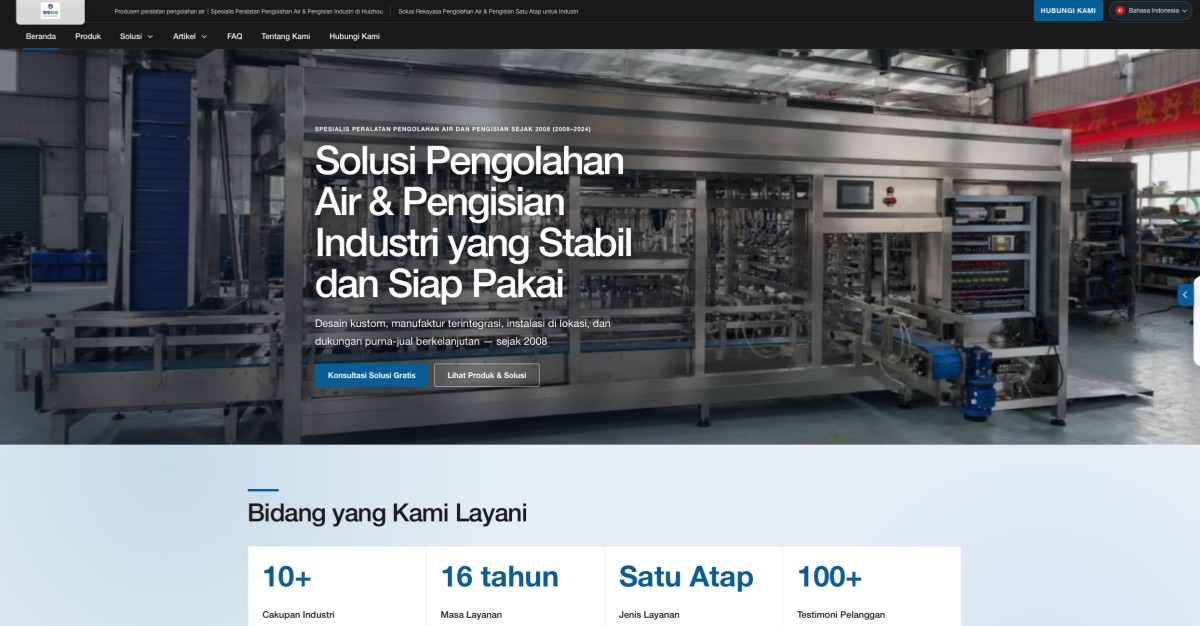
Water Treatment & Filling Equipment Manufacturer | Indonesian AI Digital Asset Website Case Study
An AI-powered digital asset website built for the Indonesian market, tailored for a wate...
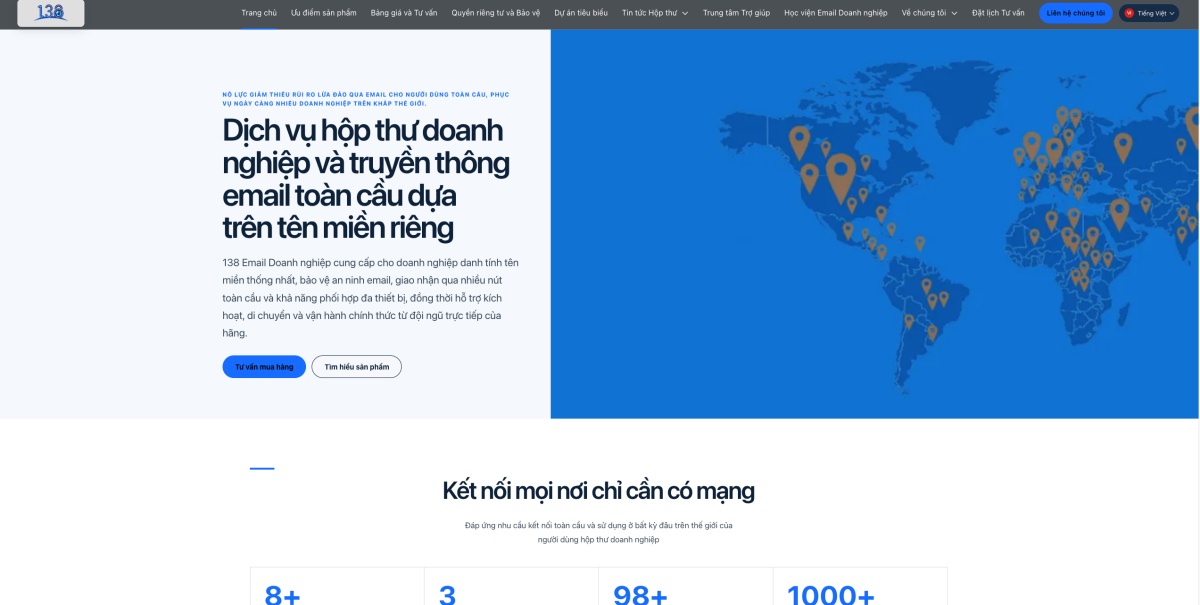
138 Enterprise Email | Vietnamese AI Digital Asset Website Case Study
An AI-driven digital asset website for enterprise email tailored to Vietnamese enterpris...