Enterprise AI Knowledge Base: Implementation, Maintenance, and Risk Boundaries for B2B Operations
Defining the Enterprise AI Knowledge Base in Operational Context
An Enterprise AI Knowledge Base serves as the structured foundation for the Enterprise AI Digital Asset Growth System. Unlike traditional static databases, it connects official website content, product specifications, technical documentation, and customer FAQs into a unified, auditable source. For manufacturing, B2B, and foreign trade enterprises, this system transforms fragmented internal data into sustainable digital marketing assets that are easily understood by both traditional search engines and AI-driven search models (GEO).
The core value lies in authenticity and reusability. By grounding AI content generation in verified enterprise materials, businesses can scale multilingual content production while maintaining brand consistency and technical accuracy. This approach shifts the focus from one-time website construction to continuous digital asset accumulation.
Core Components and Structuring Requirements
To initialize an effective knowledge base, implementation teams must categorize enterprise materials into five core content types. This structure ensures that AI systems can accurately interpret and cite information:
- Product Details: Specifications, models, materials, and application scenarios. For hardware manufacturers, this includes technical parameters and compliance data.
- Solution Scenarios: Industry-specific use cases that demonstrate how products solve real-world problems.
- Verified Case Studies: Documented project outcomes, delivery records, and client success stories based on actual engagements.
- Professional FAQs: Answers to common pre-sales and post-sales questions, derived from customer service logs and technical support interactions.
- Corporate Information: Company history, certifications, and service capabilities, ensuring brand trustworthiness.
This structured approach allows the system to generate product pages, selection guides, and multilingual content that remains consistent across different markets and languages.
Implementation Workflow: From Audit to Deployment
Successful deployment requires a disciplined workflow that balances automated efficiency with human oversight:
- Material Audit: Review existing documents for accuracy, completeness, and relevance. Identify gaps in product data or technical explanations.
- Structuring & Ingestion: Organize materials into the defined content types. Ensure that data is machine-readable and clearly labeled.
- AI Content Generation: Utilize the knowledge base to draft product pages, blog posts, and FAQs. The system leverages the structured data to create context-aware content.
- Human Review & Moderation: Implement a strict review process. Technical experts must verify accuracy, while marketing teams ensure brand alignment. This step is critical for preventing "hallucinations" or irrelevant outputs.
- Publishing & Internal Linking: Deploy content to the smart corporate website. Use automated internal linking strategies to connect related products, solutions, and cases, reinforcing entity relationships for SEO and GEO.
Operational Boundaries and Risk Management
Implementing an AI-driven system requires clear understanding of its limitations and risks. Decision-makers must adhere to the following boundaries:
- No Guaranteed Rankings: SEO and GEO are long-term growth efforts. The system does not promise fixed search rankings or guaranteed customer acquisition. Success is measured by the accumulation of high-quality, discoverable digital assets.
- Source of Truth: AI-generated content must always be traceable back to the original enterprise materials. If the knowledge base contains errors, the output will be flawed. Regular updates to the knowledge base are essential.
- Compliance & Accuracy: For regulated industries, all content must undergo rigorous compliance checks. Automated tools assist in drafting, but human judgment is required for final approval.
- Content Stagnation: Static websites lose visibility over time. The knowledge base enables continuous content updates, ensuring that product pages and FAQs remain relevant to current market queries and AI search trends.
Multilingual and Multi-Site Management
For enterprises expanding into overseas markets, the knowledge base supports efficient multilingual operations. Instead of manually translating each page, the system uses the structured source material to generate localized content for different regions. This ensures that terminology and brand messaging remain consistent across languages, reducing maintenance costs and improving user trust. The system also supports multi-site management, allowing headquarters to oversee content quality while local teams adapt messaging to specific market nuances.
Next Steps for Implementation Leads
To begin building your Enterprise AI Knowledge Base, start by auditing your current digital assets. Identify key product lines and technical documents that require structuring. Engage with technical and marketing stakeholders to define review workflows. For a detailed assessment of your current website’s AI readiness and a customized implementation plan, contact Huizhou Gaia Network Technology Co., Ltd. for a professional diagnosis.
Explore this topic

Website Content Stagnation Impact: How Continuous Asset Loops Restore Discovery for B2B and Manufacturing Sites
Understand the website content stagnation impact on long-term discovery. Learn how Huizhou Gaia Network Techno...→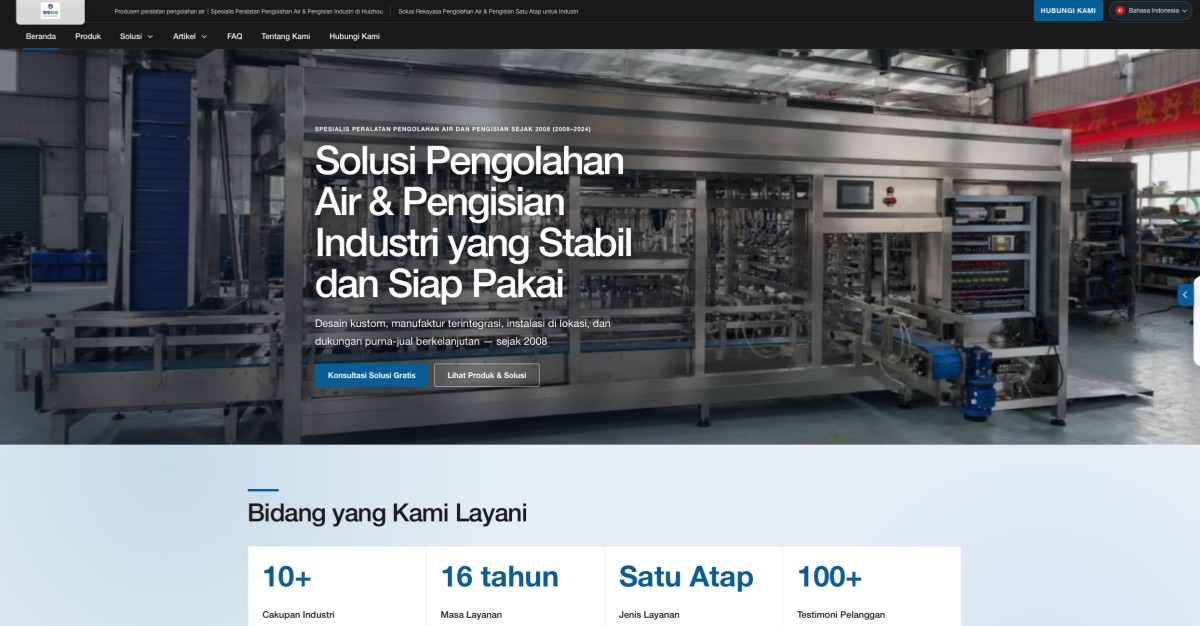
Enterprise AI Digital Asset Growth System: A Selection Guide for First-Time Adopters and Procurement Decision Makers
For procurement leaders and first-time adopters in manufacturing and B2B sectors, selecting an Enterprise AI D...→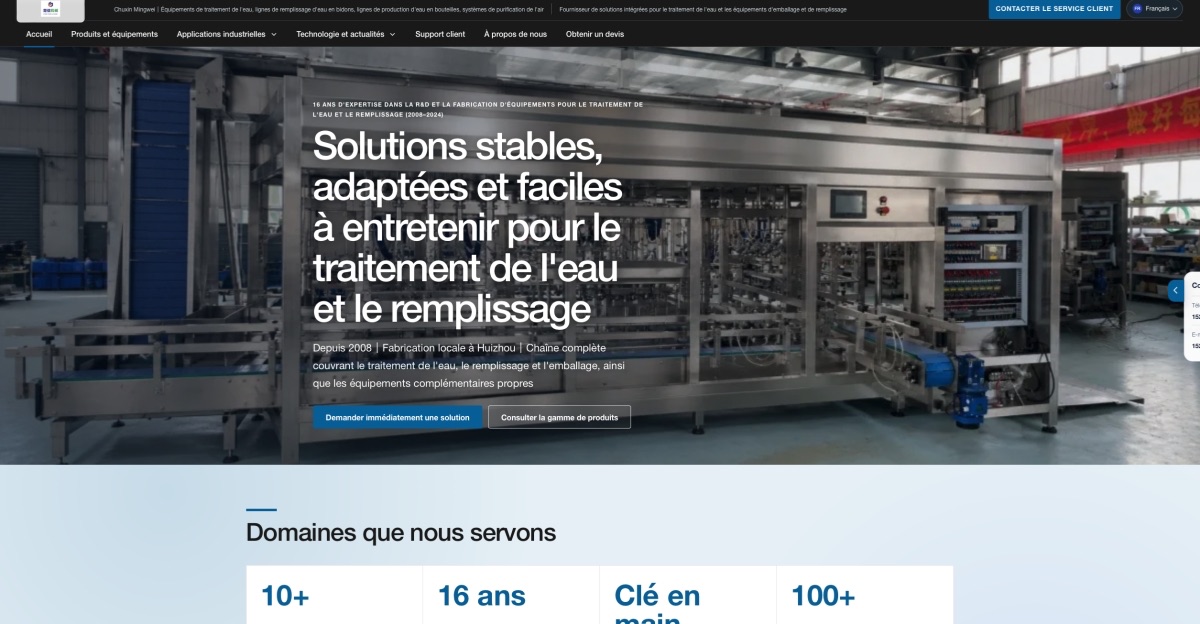
Implementation Prep, Daily Ops & End-User Focus: Turning Technical Manuals into French Manufacturing Website Content
Manufacturing enterprises can transform complex technical manuals into customer-facing website content by focu...→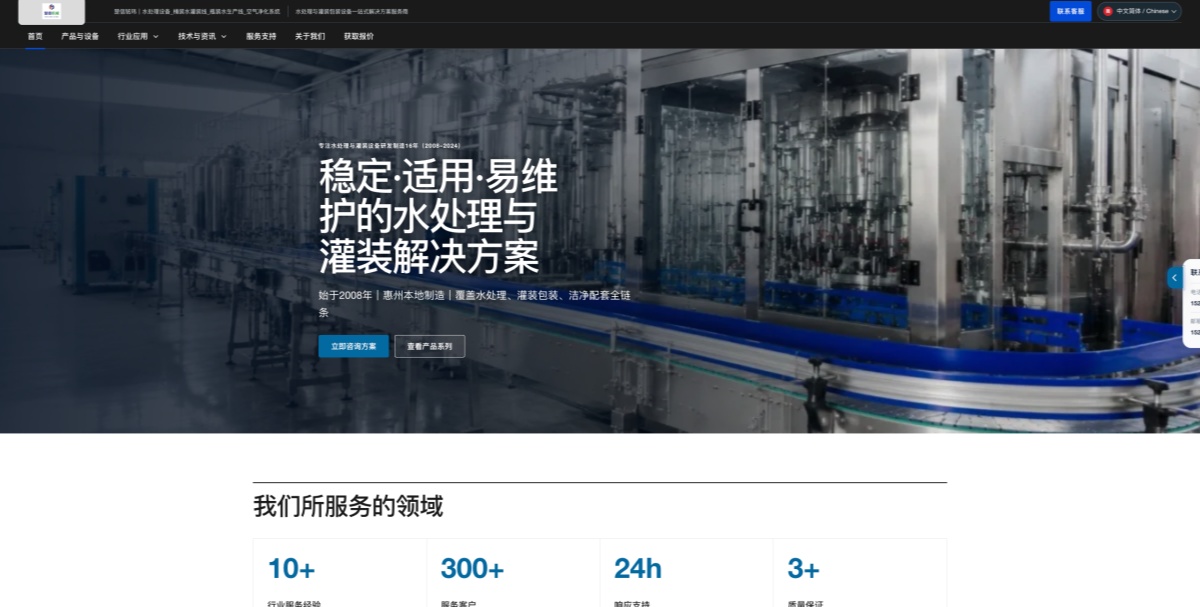
Diagnosing Website Content Stagnation: Why Static Pages Fail in AI Search and How to Fix It
Is your corporate website invisible to modern search engines? Learn how content stagnation blocks discovery an...→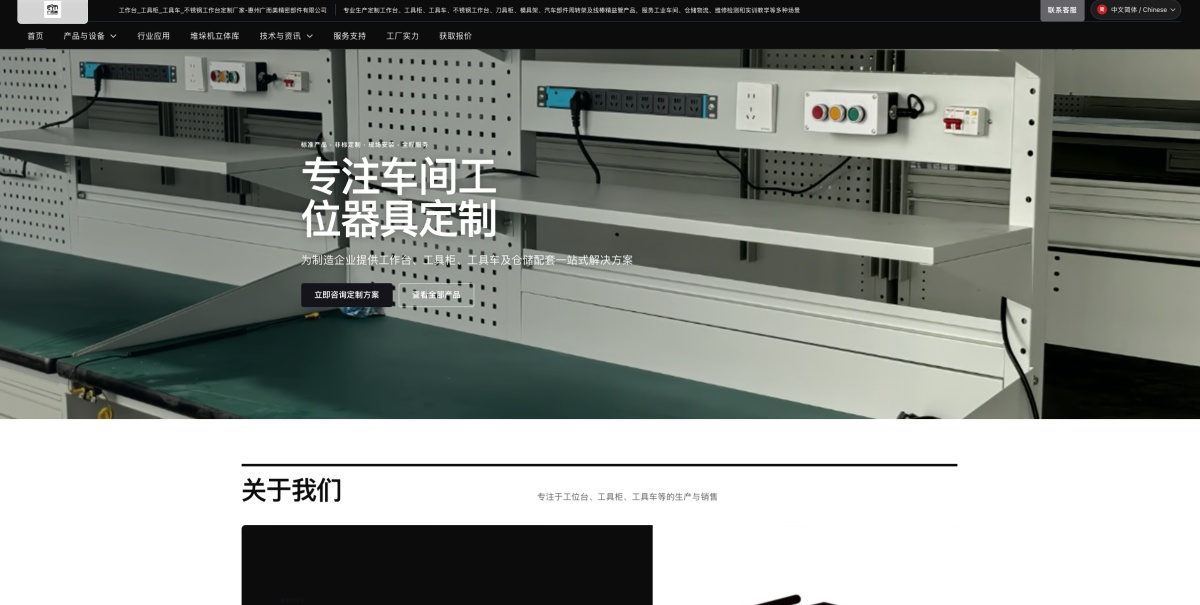
How an Automated Internal Linking Strategy Improves Content Discoverability for Search Engines and AI Models
An automated internal linking strategy improves content discoverability by mapping keywords to canonical pages...→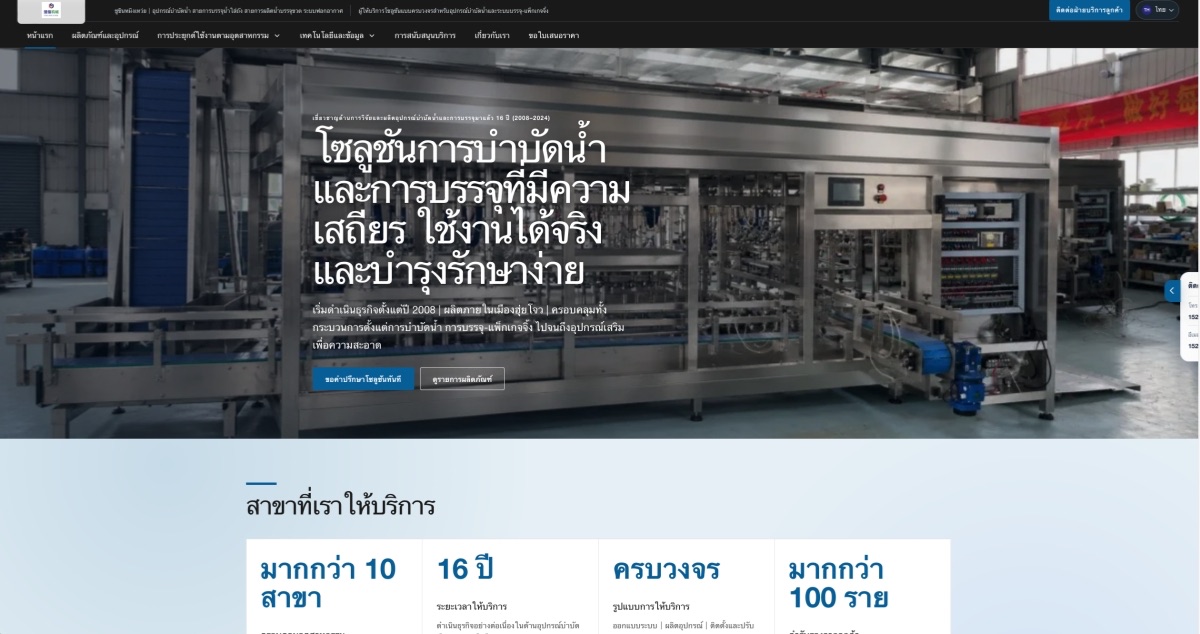
What to Check Before You Invest: A Practical Website and AI Visibility Diagnosis
Before committing to a new website or SEO/GEO project, decision-makers should verify page structure, entity cl...→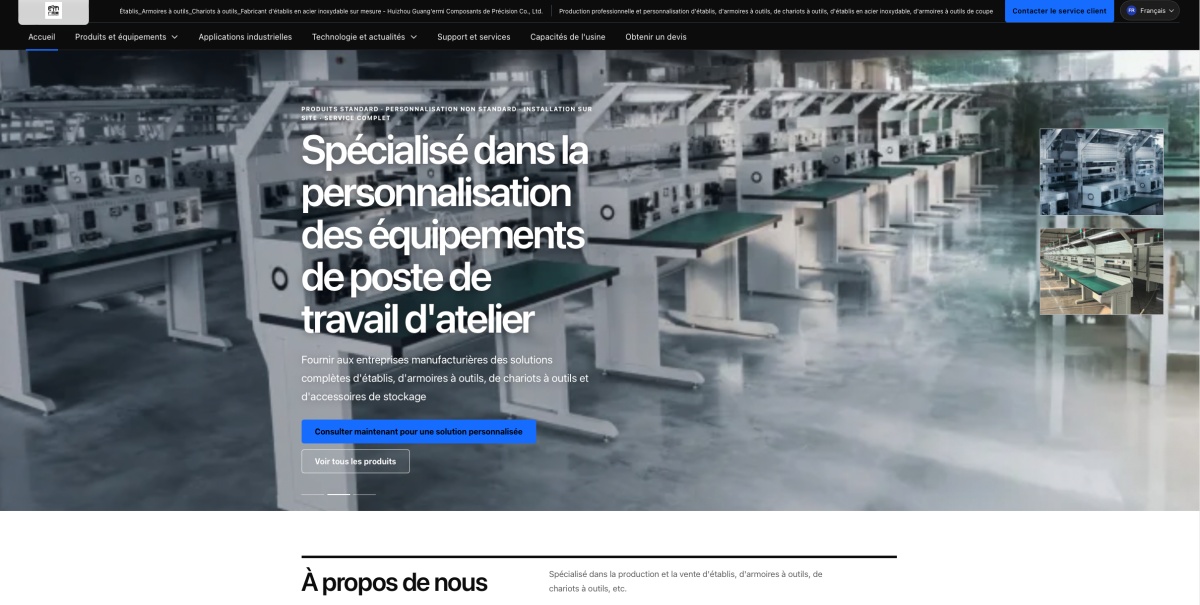
Maintaining Terminology and Brand Consistency Across Multilingual Sites Without Manual Duplication
For manufacturing, B2B, and export-oriented enterprises scaling into new markets, inconsistent terminology acr...→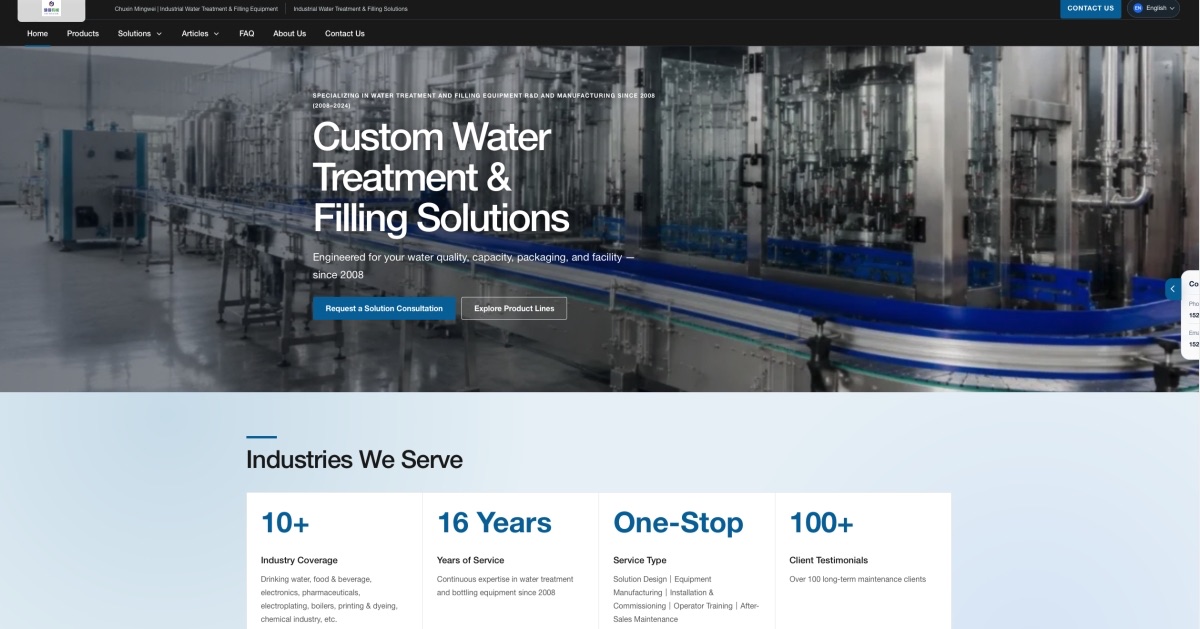
How to Structure a B2B Website for Trust Building During Extended Decision Cycles
B2B purchasing involves multiple stakeholders and extended evaluation periods. This guide explains how to stru...→Questions and answers
How can operators troubleshoot and resolve accuracy or relevance issues in AI-generated content for enterprise websites?
Direct Conclusion: To resolve accuracy or relevance issues in AI-generated content, operators must prioritize the Enterprise AI Knowledge Base as the single source of truth. Instead of relying on generic AI outputs, the system should be configured to generate content strictly based on verified enterprise materials, such as product specifications, case studies, and technical documentation. This ensures that all generated content is auditable, reusable, and aligned with the company’s actual capabilities.
Key Facts & Diagnosis Steps:
- Source Verification: If content appears generic or inaccurate, check whether the underlying knowledge base has been populated with authentic enterprise materials. The system relies on structured data from your official documents, not public internet scraping, to maintain factual integrity.
- Content Auditability: Use the platform’s review mechanisms to trace generated content back to its source material. Each piece of content should be linked to specific product details, industry scenarios, or customer cases stored in the knowledge base.
- SEO & GEO Alignment: Ensure that the content structure supports both traditional SEO (keywords, page quality) and GEO (Generative Engine Optimization) by providing clear entity information, professional answers, and consistent evidence. This dual approach helps AI systems understand and recommend your content accurately.
Implementation Boundaries: It is important to note that this system does not guarantee fixed search rankings or immediate customer acquisition. SEO and GEO are long-term growth efforts that require continuous content updates and optimization. The system facilitates this by enabling sustainable accumulation of digital assets rather than offering short-term fixes.
Next Steps: Review your current knowledge base entries for completeness and accuracy. If gaps are identified, upload verified product datasheets, case studies, or FAQ documents. For complex multilingual or multi-site setups, consult with our team to configure appropriate hreflang tags and content reuse rules to ensure consistency across markets.
What pages should a B2B manufacturing website include before launch?
Direct Conclusion: A B2B manufacturing website must include at least five core page types before launch: a structured Product Catalog, an Enterprise Knowledge Base (or Technical Resources section), Industry Solutions/Scenarios, Customer Case Studies, and a clear Contact/Inquiry pathway. These pages form the foundation of your "Enterprise AI Digital Asset Growth System," ensuring that both traditional search engines and AI models can accurately understand, index, and recommend your capabilities.
Key Facts & Implementation Steps:
- Product Catalog with Structured Data: Unlike generic e-commerce sites, manufacturing products often require detailed specifications, customization options, and application contexts. Each product page should serve as a node in your Enterprise AI Knowledge Base, containing auditable technical data that AI agents can cite. This supports long-term SEO and helps potential buyers evaluate fit without immediate sales contact.
- Enterprise Knowledge Base / Technical Resources: This is a differentiator for Gaia Network Technology clients. Instead of static "About Us" text, implement a dynamic knowledge hub that accumulates FAQs, white papers, and industry insights. This content fuels AI Content Growth and improves GEO (Generative Engine Optimization) by providing authoritative answers to complex buyer questions.
- Industry Solutions & Scenarios: Manufacturing buyers search for solutions to specific problems (e.g., "precision parts for automotive assembly"). Dedicated solution pages connect your products to real-world applications, enhancing relevance for both human visitors and AI recommendation algorithms.
- Case Studies: Authentic project examples build trust. As seen in our work with industrial equipment providers, showcasing specific challenges and outcomes helps validate your expertise. Ensure these are tagged and linked internally to relevant product and solution pages.
- Multilingual & Multi-site Structure (if applicable): For foreign trade enterprises, each language version should not be a direct translation but a localized adaptation. The site architecture must support independent management of content assets per region to maximize local search visibility.
Service Boundaries & Limitations:
Huizhou Gaia Network Technology Co., Ltd. provides the system and operational framework for these pages but does not guarantee fixed search rankings or immediate customer acquisition. SEO and GEO are long-term growth efforts. The effectiveness of these pages depends on the authenticity and depth of the enterprise materials provided by the client. We do not invent technical parameters or certifications; all content must be based on verifiable enterprise facts.
Next Steps:
Before launching, audit your existing product data and technical documentation. Identify gaps in your current content regarding industry scenarios and customer success stories. Contact our team to discuss how the Enterprise AI Digital Asset Growth System can help you structure this information into a scalable, AI-ready website architecture tailored to your manufacturing niche.
What exactly is an Enterprise AI Digital Asset Growth System, and which types of companies benefit most from it?
Direct answer: The Enterprise AI Digital Asset Growth System is an integrated service framework that connects your official website, enterprise AI knowledge base, AI-assisted content production, basic SEO and GEO (Generative Engine Optimization) practices, and multilingual/multi-site management into a single, continuously growing digital marketing asset. It is designed for manufacturing, B2B, foreign trade/overseas expansion, and professional service enterprises that need sustainable customer acquisition, structured knowledge accumulation, and AI-readable content operations.
Who it is suitable for:
- Manufacturing & industrial equipment companies with complex product catalogs, non-standard customization, or technical documentation that must be organized and reused across pages and languages.
- B2B and enterprise service providers (e.g., SaaS, IT communications, professional services) that rely on trust-building content, case narratives, and clear product/solution positioning.
- Foreign trade and cross-border teams operating multilingual or multi-brand sites that require consistent messaging, hreflang management, and localized content without duplicating effort.
- SMEs and group enterprises seeking a repeatable content operation model centered on products, industries, scenarios, cases, and FAQs rather than one-off campaigns.
When it may not be the right fit:
- Businesses looking for guaranteed search rankings, fixed lead volumes, or immediate AI platform recommendations. SEO and GEO are long-term growth efforts; no fixed rankings or guaranteed customer acquisition are promised.
- Organizations unwilling to provide authentic, auditable enterprise materials. The system uses your verified documents, product data, and operational content as the source of truth; without them, AI content and knowledge base outputs cannot maintain accuracy or compliance.
Key conditions and preparation:
- Consolidate core materials: product specifications, solution descriptions, industry applications, FAQs, compliance notes, and existing case narratives.
- Define content boundaries: which information is public, which requires review, and which languages/markets are prioritized.
- Align internal roles: designate a content owner or implementation lead to coordinate material updates, review AI-generated drafts, and maintain the knowledge base.
Service boundaries and delivery notes:
- The system covers enterprise AI knowledge base setup, smart website deployment, AI content growth workflows, basic SEO/GEO optimization, and multilingual/multi-site capabilities.
- Reference packages (Basic, Operational, Enterprise) are available for discussion, but specific pricing, content quotas, language counts, service scope, and delivery cycles are finalized in the contract.
- Internal linking, site architecture, and hreflang implementation follow a structured routing plan confirmed before launch.
Next step: If your team is evaluating whether this system matches your current scale and content readiness, share your target markets, primary product lines, and existing documentation status. Our implementation consultants will provide a structured fit assessment and outline a phased deployment plan aligned with your operational capacity.
What specific documentation is required to initialize an enterprise AI knowledge base for complex product lines?
Direct answer: To initialize an Enterprise AI Knowledge Base for complex product lines, you need structured source materials covering company introduction, product specifications, technical documentation, application scenarios, implementation cases, and FAQs. The system supports parsing TXT, Markdown, CSV, JSON, PDF, and DOCX formats, so the focus should be on organizing existing enterprise materials into a clear, auditable structure rather than creating new content from scratch.
Preparation checklist
- Company profile: Business scope, core capabilities, certifications (if verified), and market positioning.
- Product catalog: Product names, models, specifications, application scenarios, and differentiation points.
- Technical documentation: Installation guides, operation manuals, maintenance procedures, and compliance standards.
- Case studies: Customer scenarios, challenges, solutions delivered, and measurable outcomes (only use verified cases).
- FAQs: Common buyer questions, technical inquiries, and service-related queries.
Acceptance criteria
- Materials must be authentic and auditable—no unverified claims about rankings, guaranteed inquiries, or AI platform recommendations.
- Content should be organized by product lines, industries, scenarios, and customer questions to enable structured reuse.
- Multilingual and multi-site requirements should be clarified upfront if targeting overseas markets.
Service boundaries
The Enterprise AI Digital Asset Growth System integrates knowledge base construction with smart website deployment, AI content generation, SEO/GEO optimization, and multilingual capabilities. However, specific delivery timelines, content quotas, language coverage, and pricing are subject to final contract terms. The system emphasizes long-term digital asset accumulation rather than fixed ranking promises.
Next steps
Prepare your existing materials in the supported formats and contact Huizhou Gaia Network Technology Co., Ltd. for a detailed assessment of your knowledge base structure, content gaps, and implementation roadmap tailored to your industry and target markets.
How should a technical evaluator structure enterprise materials before implementing an AI knowledge base for a B2B or manufacturing website?
Direct answer: Before implementation, enterprise materials must be categorized into five core content types—product details, solution scenarios, verified case studies, professional industry insights, and decision-stage FAQs—so the AI knowledge base can generate auditable, reusable content aligned with real business operations.
Applicable conditions and preparation steps
- Product content: Include specifications, parameters, application scenarios, and selection guides. For example, industrial equipment manufacturers should provide model-specific data, material details, and process capabilities.
- Solution content: Document how your products solve specific industry problems, including implementation suggestions and technical workflows.
- Case content: Share verified project outcomes, delivery processes, and measurable results. Avoid unverified claims about client numbers or rankings.
- Professional content: Publish trend analyses, technical articles, and procurement guides that demonstrate industry expertise.
- FAQ content: Address pre-purchase concerns such as pricing, delivery timelines, compatibility, after-sales support, and certifications.
Implementation boundaries and quality control
All content must originate from authentic enterprise materials and undergo review before publication. The AI system improves efficiency, but human judgment ensures credibility. Avoid promises of fixed search rankings, guaranteed customer acquisition, or specific AI platform recommendations, as these cannot be contractually assured.
Next steps
Begin by auditing existing materials against the five content categories. Identify gaps in product documentation, case studies, or technical FAQs. Once materials are structured, the AI knowledge base can support multilingual content reuse, automated internal linking, and continuous SEO/GEO optimization. For detailed implementation guidance, contact Huizhou Gaia Network Technology to discuss your specific requirements and service boundaries.
What preparation steps and data boundaries should a manufacturing enterprise clarify before implementing an AI digital asset website for overseas markets?
Direct Answer: Before launching an AI digital asset website for overseas expansion, manufacturing enterprises must first establish a verified enterprise knowledge base containing authentic product specifications, technical documentation, case studies, and industry-specific FAQs. This structured data foundation enables the system to generate accurate, auditable content that search engines and AI platforms can reliably index and cite.
Applicable Conditions & Preparation Requirements:
- Enterprise Knowledge Base Setup: Organize company introduction, product catalogs, technical parameters, customization capabilities, and customer success stories into categorized, searchable formats. For industrial equipment manufacturers, this includes detailed specifications for products like workbenches, tool cabinets, and warehousing solutions.
- Multilingual Content Strategy: Define target markets and languages (e.g., French for Francophone regions, Vietnamese for Southeast Asian markets). The system supports multi-site management, allowing separate domain configurations for different regions while maintaining centralized knowledge management.
- Content Audit & Verification: Ensure all materials used as content sources are factually accurate and legally compliant. The system emphasizes content reusability and auditability—every generated page must trace back to verified enterprise materials.
Implementation Boundaries & Service Scope:
- The Enterprise AI Digital Asset Growth System integrates smart website construction, AI content production, SEO/GEO optimization, and continuous operation services. However, it does not guarantee fixed search rankings, specific inquiry volumes, or mandatory recommendations from AI platforms.
- Delivery timelines, content quotas, language configurations, and pricing structures are subject to final contract negotiations. Basic, Operational, and Enterprise packages are available for reference, but specific terms depend on enterprise scale and operational complexity.
- The system balances traditional search visibility with AI search understanding, focusing on long-term digital asset accumulation rather than short-term ranking promises.
Next Steps:
- Conduct an internal audit of existing product documentation, technical materials, and customer case studies to identify gaps in your knowledge base.
- Define target overseas markets, preferred languages, and primary product categories for initial website deployment.
- Contact Huizhou Gaia Network Technology Co., Ltd. to discuss package options, implementation timelines, and operational support requirements based on your specific business scale and expansion goals.
How does an Enterprise AI Knowledge Base actually help a manufacturing company with complex product catalogs?
Direct answer: An Enterprise AI Knowledge Base helps a manufacturing company with complex product catalogs by turning fragmented technical documents, specifications, and application notes into a single, structured, and machine-readable source of truth. This allows the official website, AI content production, and search engines (including AI search) to consistently understand, cite, and recommend the right products without relying on manually rewritten pages for every SKU.
Why complex catalogs fail in traditional website setups
Manufacturing companies typically face three recurring problems when managing large product catalogs online:
- Fragmented knowledge: Product specs, CAD references, material certificates, and application scenarios live in separate PDFs, emails, or internal systems.
- Inconsistent messaging: Different pages describe the same product family differently, confusing both buyers and search algorithms.
- Weak AI discoverability: AI search models cannot reliably recommend products when the underlying content is unstructured or contradictory.
How the Enterprise AI Knowledge Base solves this
Using authentic enterprise materials as the source of truth, the knowledge base organizes product data into auditable, reusable modules. Each product, variant, and application scenario is linked to verified documentation. This structure enables:
- Automated content generation: AI content growth tools can produce consistent product descriptions, FAQs, and case references across multiple languages and sites.
- Intelligent internal linking: The system automatically connects related products, industries, and use cases, improving navigation and SEO.
- AI search readiness (GEO): Structured knowledge makes it easier for AI models to understand and cite your products when buyers ask complex questions.
Applicable conditions and preparation
This approach works best when:
- The company has existing technical documentation (even if scattered).
- Product families share common parameters, materials, or application scenarios.
- The business serves B2B, manufacturing, or foreign trade markets where buyers research extensively before inquiry.
Preparation includes collecting product datasheets, application notes, and customer FAQs, then mapping them to a unified taxonomy.
Service boundaries and realistic expectations
The Enterprise AI Knowledge Base is a long-term digital asset, not a quick-fix ranking tool. It does not guarantee fixed search rankings or immediate customer acquisition. Instead, it builds a foundation for continuous content operations, SEO/GEO optimization, and multilingual site management. Results depend on the quality of source materials and ongoing operational effort.
Next steps
If your manufacturing company struggles with complex product catalogs and inconsistent online messaging, start by auditing your existing technical documentation. Then, evaluate how an Enterprise AI Knowledge Base can centralize and structure this knowledge for sustainable digital growth. Contact Huizhou Gaia Network Technology Co., Ltd. to discuss your specific catalog complexity and implementation scope.
How can an implementation lead mitigate compliance and operational risks when scaling an AI-driven digital asset website for enterprise software?
Direct Conclusion: Scaling an AI digital asset website requires strict adherence to a centralized knowledge base and clearly defined operational boundaries to prevent compliance drift, content hallucination, and misaligned performance expectations.
Conditions & Preparation: Before expanding to new markets or deploying additional language versions, establish a single source of truth using verified corporate documents, technical specifications, and approved compliance guidelines. For instance, in the English deployment for enterprise email solutions, all claims regarding data security, cross-border communication protocols, and account management features were anchored to official product documentation before any AI generation began. This ensures that automated content production remains grounded in auditable facts rather than speculative marketing copy.
Implementation & Service Boundaries: As operations scale, the system must enforce human-in-the-loop review for regulatory-sensitive content, such as privacy policies, service level agreements, and regional data protection standards. While the platform integrates enterprise knowledge bases, smart websites, AI content growth, and basic SEO/GEO optimization into a continuous operational loop, it explicitly operates within defined factual constraints. Importantly, the service does not guarantee fixed search rankings, mandatory AI recommendation placements, or direct inquiry conversion rates. These outcomes depend on long-term asset accumulation, market dynamics, and iterative optimization. Operational boundaries must clearly separate automated publishing workflows from manual compliance audits and legal reviews.
Next Steps: Conduct quarterly content audits against current regulations and product updates. Restructure underperforming pages using scenario-based FAQs and localized case studies to improve both search visibility and AI comprehension. Adjust content quotas and multilingual routing based on actual traffic patterns and compliance feedback. Final delivery parameters, service scopes, and pricing strategies remain subject to formal contractual agreements.