Why Corporate Website Content Stagnation Blocks Long-Term Discovery (And How Continuous Asset Loops Fix It) | Huizhou Ga
The Scenario: When Static Sites Stop Generating Inquiries
A mid-sized precision parts manufacturer launches a corporate website to showcase industrial workbenches, tool cabinets, and warehousing equipment. Within six months, the site is published, but internal updates stall. Product specifications sit in scattered sales decks, technical drawings remain on engineers’ local drives, and marketing relies on paid ads or third-party marketplaces to generate leads. As competitors publish case studies, application notes, and localized FAQs, the original site becomes increasingly invisible to both search crawlers and AI parsing systems. Traffic plateaus, inquiry costs rise, and cross-border expansion stalls.
This stagnation is common among manufacturing, B2B, and foreign trade enterprises that treat their official website as a one-time brochure rather than a living operational channel.
Goals and System Architecture
The objective of transitioning away from static sites is to establish a continuous asset loop that turns authentic enterprise materials into discoverable, reusable digital assets. The system architecture connects four core components:
- Enterprise AI Knowledge Base: Centralizes verified product data, industry standards, customization workflows, and historical customer questions. This serves as the single source of truth.
- Smart Corporate Website: Transforms structured knowledge into crawlable, well-architected pages with clear routing, consistent metadata, and logical internal linking.
- AI Content Growth Engine: Schedules automated content tasks based on the knowledge base. It drafts product descriptions, solution pages, industry articles, and FAQs, which are reviewed and approved by enterprise staff before publication.
- SEO + GEO Optimization Layer: Aligns content with traditional keyword search intent while structuring entity information, evidence, and consistency to improve AI understanding, citation, and recommendation opportunities.
By integrating these layers, enterprises shift from manual, sporadic updates to a predictable content cadence that accumulates authority over time.
Concrete Application: Scaling Industrial Assets Across Markets
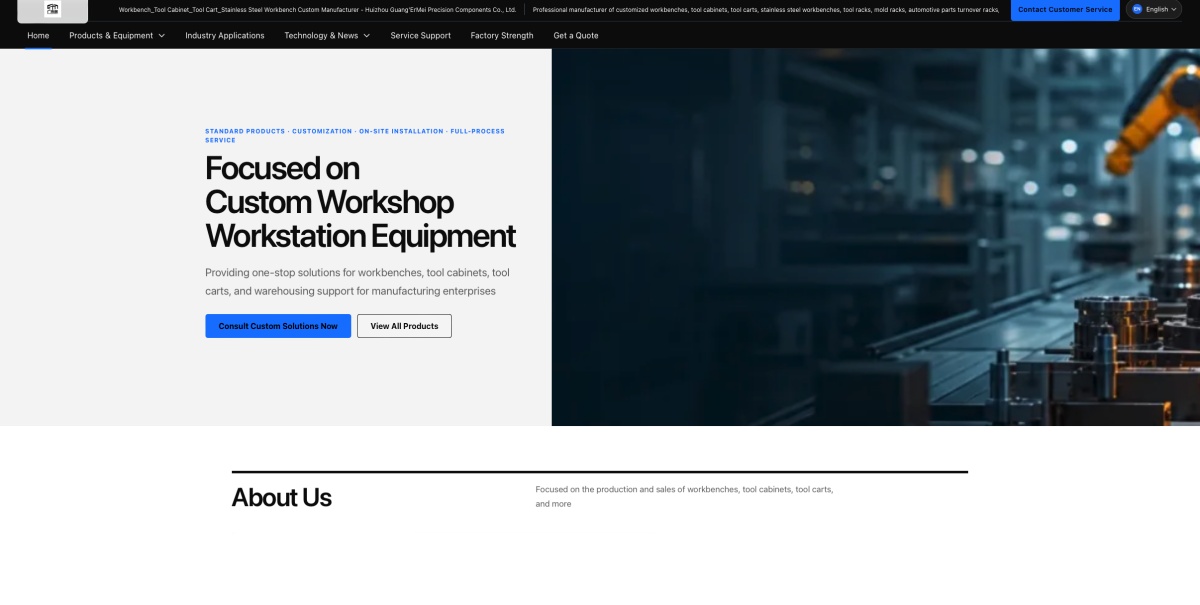
Consider a French-market-oriented deployment for an industrial workstation brand. Instead of rewriting brochures manually for each region, the company imports technical parameters, non-standard customization capabilities, and installation guidelines into a unified knowledge base. An AI worker continuously generates localized content for workbenches, tool cabinets, and related equipment. Automated internal linking ensures every new page reinforces site structure, directing traffic to diagnostic tools, solution pages, and contact pathways.
The result is a French independent website that steadily accumulates industry-specific assets. Sales teams gain access to audit-ready materials, marketing reduces dependency on platform traffic, and procurement cycles shorten because buyers can verify specifications directly on the official site.
Constraints, Choices, and Acceptance Criteria
Adopting a dynamic content ecosystem requires clear boundaries and realistic expectations:
- Selection Choice: Enterprises must decide between maintaining fragmented documents across departments versus centralizing them into a managed knowledge base. The latter demands initial effort but yields compounding returns.
- Implementation Constraint: Content quality depends on accurate source materials. AI-assisted drafting accelerates production, but human review remains essential to maintain technical accuracy and brand compliance.
- Acceptance Criteria: Success should be measured by asset accumulation, content reusability across multilingual or multi-site deployments, and steady improvement in search visibility—not short-term traffic spikes.
- Operational Boundary: SEO and GEO optimization
- are long-term growth efforts influenced by market competition, platform algorithms, and industry dynamics. They do not promise fixed rankings or guaranteed recommendations on specific AI platforms. Sustainable discovery requires consistent publishing, periodic performance reviews, and iterative content prioritization.
Next Steps for Enterprise Leaders
To address content stagnation without disrupting daily operations, start with a focused pilot:
- Audit existing product documentation, technical FAQs, and customer support records to identify high-value knowledge gaps.
- Map core products and industry scenarios to a structured content plan, prioritizing pages that answer frequent buyer questions.
- Run a baseline visibility diagnosis to benchmark current crawlability, internal linking health, and entity signal strength.
- Launch a single product line or regional site using the integrated KB-to-site workflow before expanding to multi-brand or global deployments.
Continuous asset loops transform static websites into active discovery channels. By anchoring content to verified enterprise materials and maintaining a disciplined publishing rhythm, manufacturing and B2B organizations can build durable digital foundations that support long-term customer acquisition.
Ready to evaluate your current site’s visibility and design a phased content operation plan? Request a free diagnostic assessment to map your knowledge assets and outline a scalable rollout.
Recommended
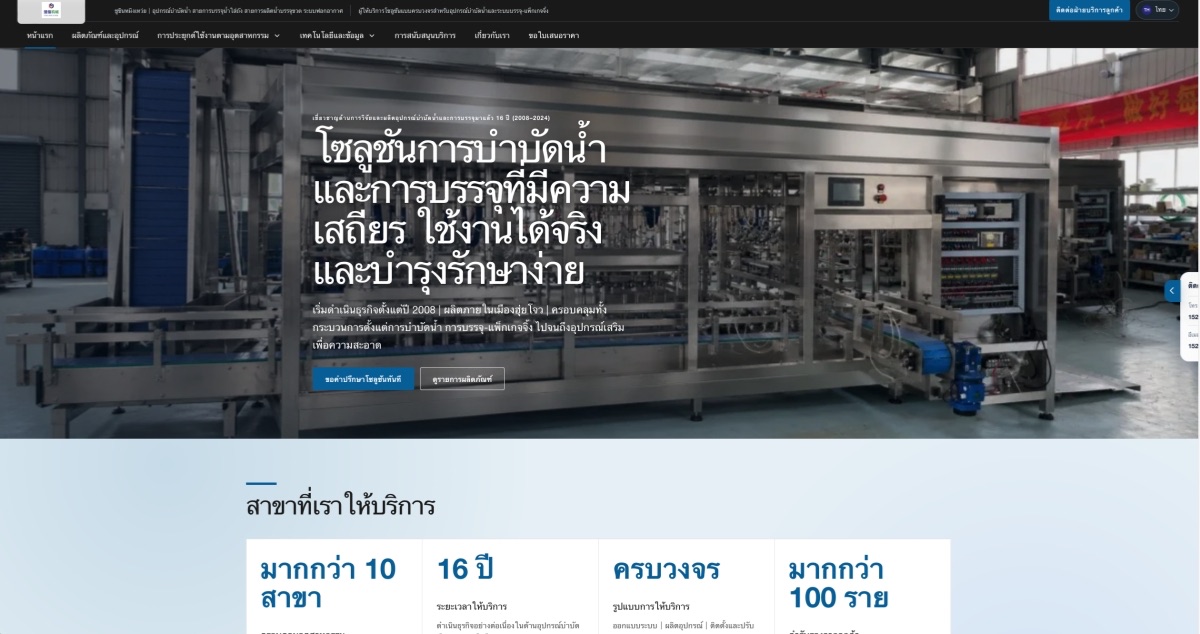
Water Treatment & Filling Equipment Manufacturer | Thai AI Digital Asset Website Case Study
Development of a Thai AI digital asset website for water treatment and filling equipment...
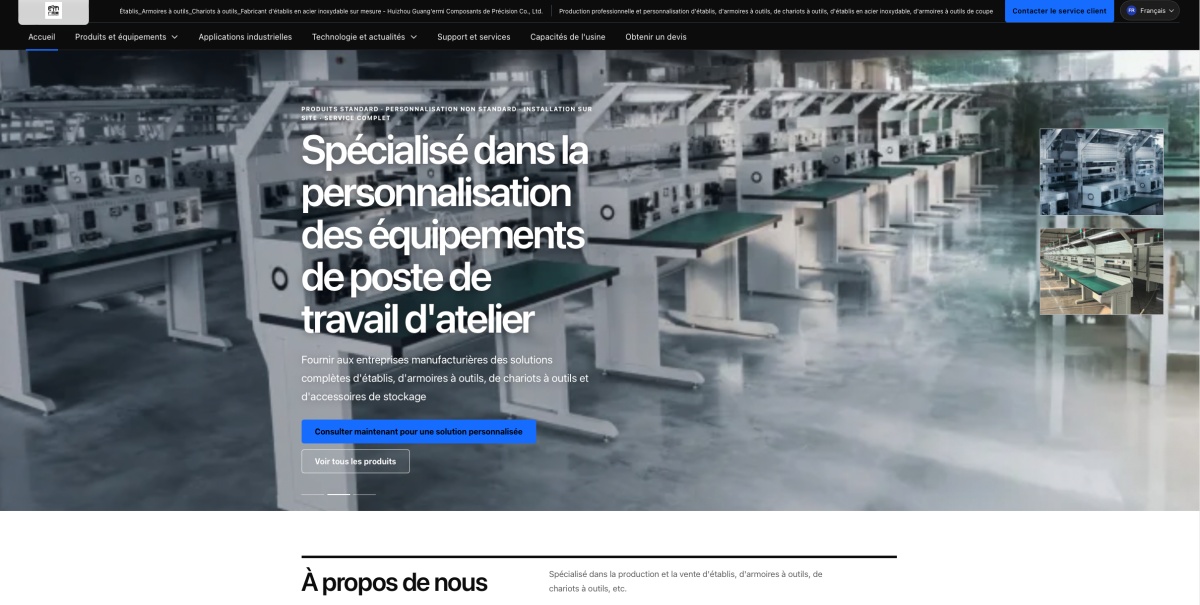
Guangermei Precision Parts | French AI Digital Asset Independent Website Case Study
This project involves building a French-market-oriented AI digital asset independent web...
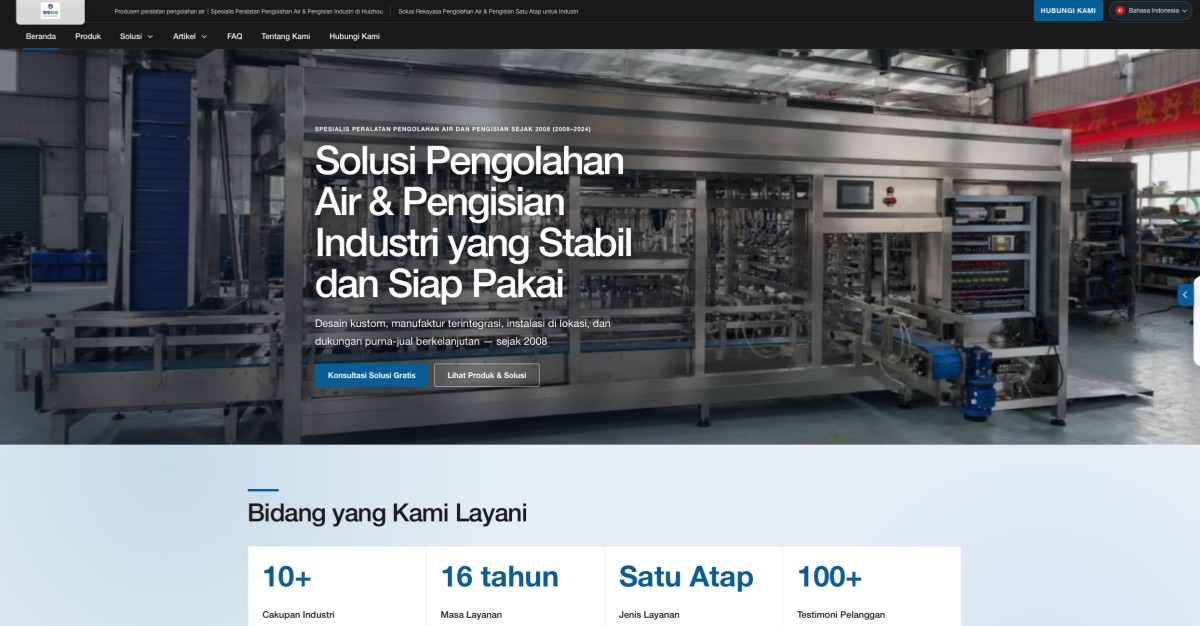
Water Treatment & Filling Equipment Manufacturer | Indonesian AI Digital Asset Website Case Study
An AI-powered digital asset website built for the Indonesian market, tailored for a wate...