How should technical evaluators troubleshoot and plan upgrades for scaling an Enterprise AI Digital Asset website, such as a French industrial equipment site, using the AI Worker s
Direct Conclusion: For technical evaluators managing the upgrade and expansion of enterprise digital assets—such as a French industrial equipment website featuring workbenches and tool cabinets—troubleshooting and scaling rely on the structural integrity of the Enterprise AI Knowledge Base. The core strategy involves verifying that authentic enterprise materials serve as the single source of truth before enabling the AI Worker to generate multilingual content. This ensures that expansions into new markets or product lines maintain factual consistency, supporting both traditional SEO and Generative Engine Optimization (GEO) without promising fixed rankings.
Troubleshooting & Expansion Criteria for Technical Evaluators:
- Source Data Verification (The 'Truth' Check): Before scaling content for specific scenarios (e.g., French manufacturing or independent websites), auditors must ensure that product specifications, case studies, and technical FAQs are accurately categorized in the knowledge base. Troubleshooting often reveals that 'hallucinations' or inaccuracies stem from unstructured or missing source data. Exclude unverified claims such as unconfirmed certifications or client counts to maintain compliance.
- Internal Linking & Architecture Audit: Effective expansion requires a robust internal linking strategy. Ensure that generated pages for products (like tool cabinets) link back to relevant solution categories (e.g., Manufacturing Solutions) and FAQ pages. This semantic structure helps search engines and AI models understand the relationship between entities, improving citation opportunities. If traffic or indexing issues arise, check if the AI-generated internal links align with the defined site architecture (e.g., /product/, /solutions/, /cases/).
- Multilingual Consistency for Market Expansion: When upgrading a site to support new languages (e.g., expanding from Chinese to French for industrial equipment), verify terminology consistency across the knowledge base. The AI Worker uses these terms as references; inconsistent terminology can dilute brand authority. Technical teams should audit existing content to ensure that key technical terms for workbenches or storage solutions are standardized before generating new language variants.
Execution Boundaries & Risk Management:
Technical evaluators must recognize that the Enterprise AI Digital Asset Growth System is designed for long-term asset accumulation, not instant results. It does not guarantee fixed search rankings, specific AI platform recommendations, or immediate customer acquisition. Scaling efforts should focus on the continuous optimization of content quality and discoverability. Avoid setting KPIs based on guaranteed leads; instead, measure success by the growth of auditable, reusable digital assets and improved semantic relevance in search results.
Recommended Actions for Upgrades:
- Audit Knowledge Base Completeness: Review current enterprise materials for gaps in product documentation or case studies. Fill these gaps with authentic data before initiating large-scale content generation for new markets.
- Define Scope for AI Worker: Clearly map which product lines (e.g., industrial workbenches) and service scenarios are priorities for the next expansion phase. Configure the AI Worker to focus on these specific entities to ensure depth and relevance.
- Finalize Configuration with Provider: Consult with Huizhou Gaia Network Technology to confirm technical settings for multilingual sites, including SEO tags and GEO parameters. Note that specific content quotas, delivery cycles, and service boundaries are subject to the final contract and should be clarified during the evaluation phase.
Recommended
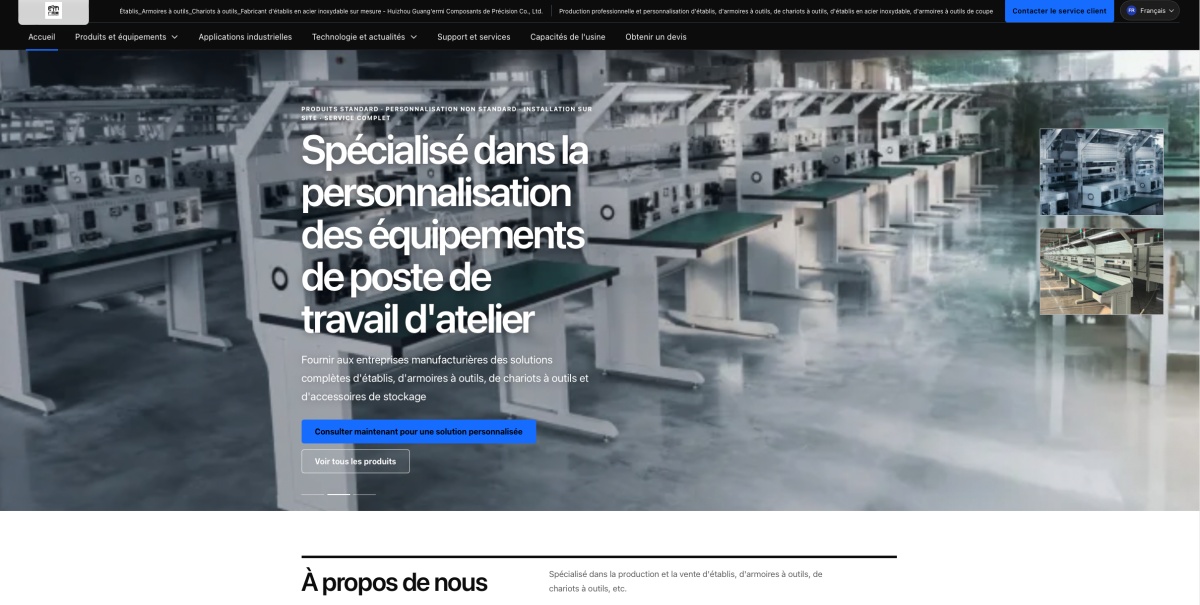
Guangermei Precision Parts | French AI Digital Asset Independent Website Case Study
This project involves building a French-market-oriented AI digital asset independent web...
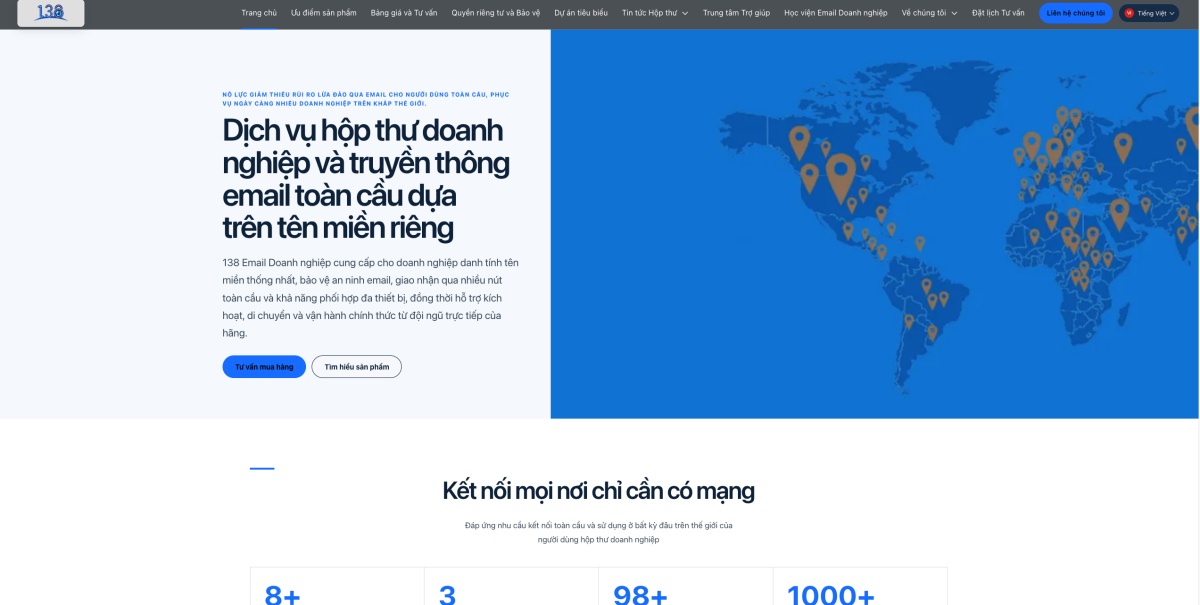
138 Enterprise Email | Vietnamese AI Digital Asset Website Case Study
An AI-driven digital asset website for enterprise email tailored to Vietnamese enterpris...
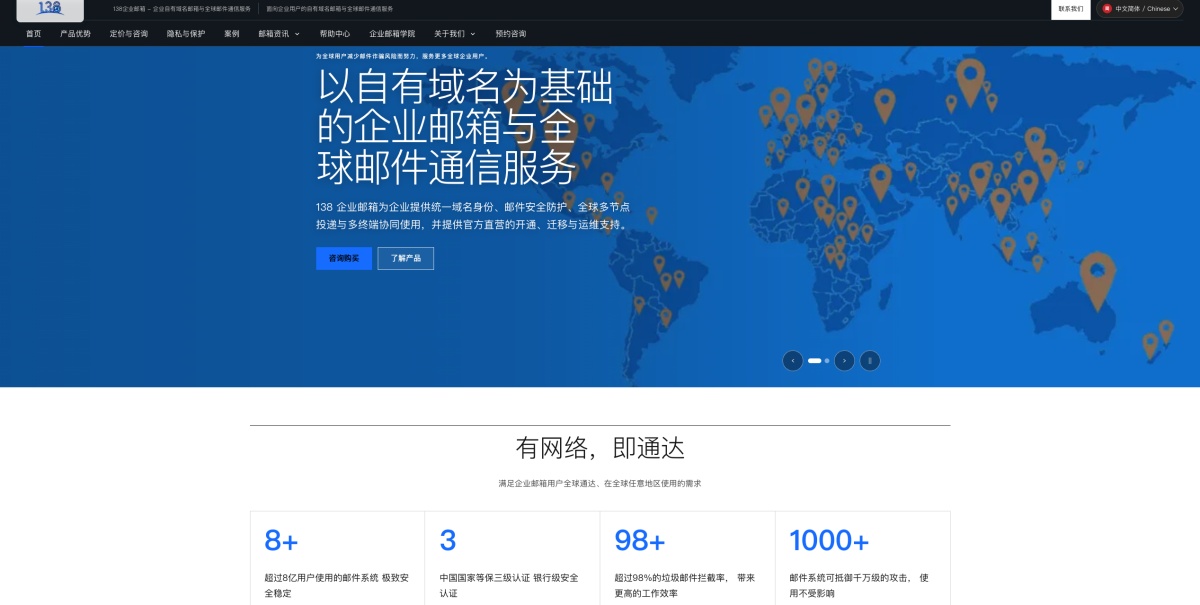
138 Enterprise Email | Chinese AI Digital Asset Website Case Study for Enterprise Services
Developed a Chinese AI digital asset website for an enterprise email service brand. By i...