Setting Up Maintenance Rhythms That Keep Product Pages and FAQs Search-Relevant for Daily Operations & End-Users
Symptom: Why Post-Launch Content Decays
A newly launched official website rarely maintains its visibility indefinitely. Over time, practical operators often notice declining organic traffic, fading AI citation rates, and stagnant inquiry volumes. The core symptom is not technical failure; it is content decay. Product specifications become outdated, industry scenarios shift, and FAQ answers no longer match the actual questions asked by end-users during daily operations and maintenance. When a site transitions from a launch project to a static brochure, search engines and AI models gradually deprioritize it because the information no longer aligns with real-world usage patterns.
Root Cause: Static Deployment vs. Dynamic Usage Scenarios
Content decay typically stems from treating the website as a one-time deliverable rather than a living digital asset. In manufacturing, B2B, and foreign trade sectors, market competition intensifies rapidly. Competitors continuously publish case studies, update technical guides, and refine their messaging. If your internal team lacks a structured operation mechanism, updates become reactive, fragmented, or entirely paused. Without a centralized knowledge foundation, even minor product changes require manual edits across multiple pages, breaking internal link equity and confusing both crawlers and AI summarizers. For actual users navigating industrial workbenches, tool cabinets, or specialized equipment, outdated pages create friction in procurement and maintenance planning.
Operational Checks: Auditing Your Current Digital Assets
Before adjusting your rhythm, conduct a baseline audit focused on three operational checkpoints tailored to daily usage and maintenance needs:
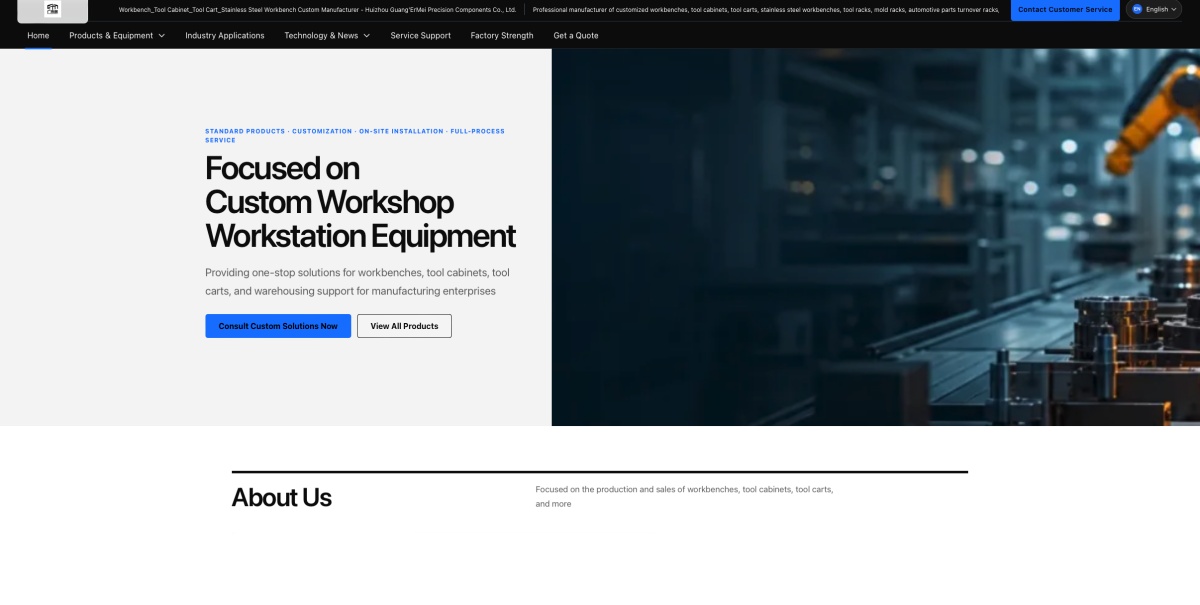
- Technical & Factual Accuracy: Verify that product parameters, compliance notes, and service scopes match current engineering or sales documentation. Cross-reference against authentic corporate materials to ensure end-users receive precise specifications.
- Query Alignment: Compare existing FAQ sections against actual customer inquiry logs and competitor coverage gaps. Identify whether daily operational questions (e.g., installation guidelines, maintenance cycles, customization limits) are adequately addressed.
- Internal Link Health: Ensure product pages, solution routes, and resource articles maintain logical cross-linking. Broken or orphaned paths dilute page authority and reduce AI extraction probability. As outlined in recommended site architecture, primary navigation should seamlessly connect product systems, solutions, cases, and help centers to guide users efficiently.
These checks should be performed monthly during routine operations. Operators can use automated crawling tools to flag broken links or outdated metadata, but factual validation must always reference authentic corporate data.
Resolution: Establishing a Sustainable Maintenance Rhythm
Preventing decay requires shifting from ad-hoc updates to a lifecycle operation model. Based on proven implementation frameworks, a balanced cadence typically includes:
- Weekly Micro-Updates: Publish short-form content such as industry news, minor product adjustments, or targeted FAQ expansions. Use AI-assisted drafting to accelerate production, but enforce human review against verified company data. This keeps daily operations aligned with emerging buyer queries.
- Monthly Scenario Deep Dives: Develop application-focused guides (e.g., workflow optimization, procurement checklists, or cross-border compliance notes). These pages naturally attract long-tail search traffic and provide high-value context for AI retrieval. For example, detailing how industrial workbenches integrate into specific manufacturing workflows helps actual users visualize deployment.
- Quarterly Comprehensive Reviews: Audit top-performing product pages and solution routes. Refresh internal linking structures, update hreflang tags for multilingual sites, and archive obsolete content to preserve crawl efficiency. Centralizing this process within an enterprise AI knowledge base ensures that authentic product information, technical documents, and approved Q&A remain consistent across all channels. Automated internal linking mechanisms then distribute authority logically, ensuring that new publications reinforce existing high-value pages rather than creating isolated silos.
Escalation Boundary: When to Scale Beyond Routine Ops
Daily maintenance handles scheduling, QA, and incremental publishing. However, certain triggers require dedicated implementation support:
- Major product line restructurings or regulatory changes that rewrite core technical specifications.
- Expansion into new linguistic markets requiring professional localization and regional SEO/GEO calibration.
- Persistent ranking stagnation despite consistent publishing, indicating potential architectural or competitive positioning shifts.
Operators should recognize that SEO and GEO optimization are cumulative efforts. No system guarantees fixed rankings or immediate inquiry surges, as algorithmic evaluation and market dynamics evolve continuously. The objective is sustained asset accumulation, where every verified update compounds visibility over time.
Conclusion & Next Steps
Post-launch content decay is an operational challenge, not a technological limitation. By anchoring daily management in a centralized knowledge base, enforcing structured publishing rhythms, and maintaining disciplined internal linking, manufacturers and B2B enterprises can keep product pages and FAQs consistently relevant for actual end-users. This approach transforms the official website from a static display tool into a continuously growing digital marketing asset.
If your team is evaluating how to institutionalize these maintenance routines without overextending internal resources, consider requesting a structured website diagnostic. Our specialists can map your current content architecture, identify decay risks, and outline a phased operation plan aligned with your commercial goals.
Recommended
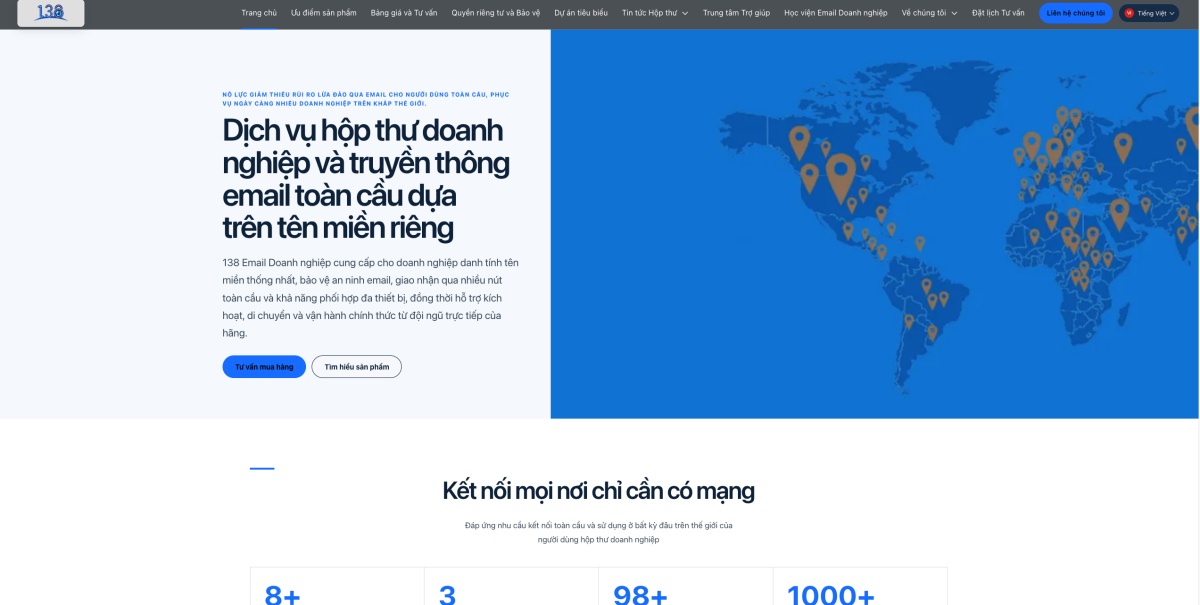
138 Enterprise Email | Vietnamese AI Digital Asset Website Case Study
An AI-driven digital asset website for enterprise email tailored to Vietnamese enterpris...
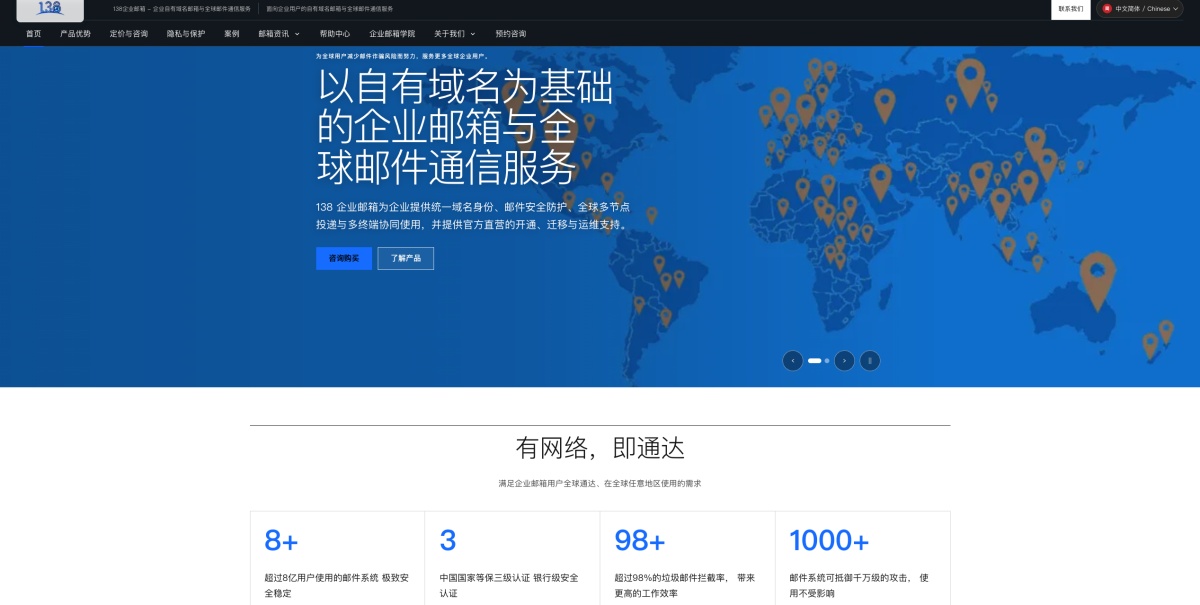
138 Enterprise Email | Chinese AI Digital Asset Website Case Study for Enterprise Services
Developed a Chinese AI digital asset website for an enterprise email service brand. By i...
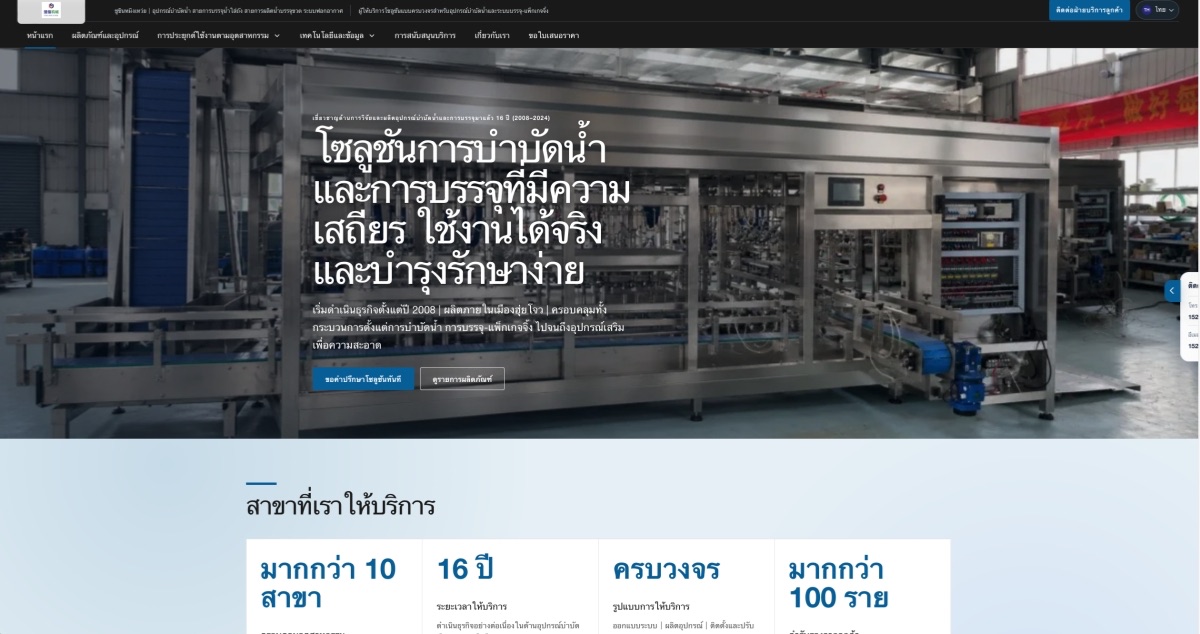
Water Treatment & Filling Equipment Manufacturer | Thai AI Digital Asset Website Case Study
Development of a Thai AI digital asset website for water treatment and filling equipment...