Enterprise AI Digital Asset Growth System: A Selection Guide for First-Time Adopters and Procurement Decision Makers
[Enterprise AI Digital Asset Growth System](/article/diagnosing-website-content-stagnation-ai-search-fix): A Selection Guide for First-Time Adopters and Procurement Decision Makers
Executive Summary: For manufacturing, B2B, and cross-border enterprises, the traditional "build-and-forget" website model is no longer sufficient for sustainable growth. Procurement decision-makers and first-time adopters are increasingly evaluating the Enterprise AI Digital Asset Growth System. Unlike standard website builders that deliver static pages, this system integrates an enterprise AI knowledge base, [smart corporate website](/article/website-ai-visibility-diagnosis-checklist)s, AI-assisted content growth, and continuous SEO/GEO operations. It transforms authentic enterprise materials into auditable, reusable digital assets, enhancing visibility in both traditional search engines and emerging AI search platforms.
Why Procurement Leaders Are Re-evaluating Website Investments
When assessing digital infrastructure, decision-makers often face the challenge of justifying ongoing operational costs versus one-time development fees. The shift toward an Enterprise AI Digital Asset Growth System addresses three critical pain points in modern B2B marketing:
- Content Stagnation vs. Continuous Growth: Static sites require manual updates for every product change or case study, leading to outdated information. An AI-driven system uses a structured knowledge base to continuously generate and update content, ensuring relevance without constant developer intervention.
- Knowledge Silos vs. Unified Truth: Technical specifications, FAQs, and case studies often remain trapped in internal documents. This system centralizes these materials into an Enterprise AI Knowledge Base, serving as the single source of truth for all public-facing content.
- Traditional SEO vs. AI Search Visibility (GEO): Modern buyers use AI assistants for research. Static sites lack the semantic structure required for AI citation. This system optimizes for Generative Engine Optimization (GEO), ensuring the enterprise is understood and recommended by AI models.
Core Components: What You Are Actually Buying
When evaluating vendors, it is crucial to understand that you are not purchasing a simple CMS template. You are investing in an operational infrastructure composed of four integrated modules:
- Enterprise AI Knowledge Base: The foundation of the system. It ingests and structures authentic enterprise materials (product specs, technical parameters, cases) to ensure all generated content is factually accurate and auditable.
- Smart Corporate Website: A dynamic front-end that automatically structures content for human readability and machine understanding (Schema markup, internal linking), supporting multilingual and multi-site capabilities.
- AI Content Growth: Leveraging the knowledge base, this module continuously produces high-quality articles, product descriptions, and localized content, reducing the burden on marketing teams while maintaining brand consistency.
- SEO & GEO Optimization: A dual-strategy approach that balances traditional keyword ranking with AI search understanding, ensuring long-term visibility across different search interfaces.
Selection Criteria: How to Evaluate Vendors for First-Time Adoption
For procurement teams and decision-makers adopting this technology for the first time, use the following criteria to assess potential providers:
- Source of Truth Verification: Does the vendor provide a structured mechanism to ingest your existing technical documents? Avoid solutions that rely solely on generic AI generation without grounding in your specific enterprise data.
- Auditability and Control: Can you trace generated content back to original source materials? The system must emphasize "auditable and reusable" content to mitigate risks associated with AI hallucinations.
- GEO Capability: Does the solution explicitly address Generative Engine Optimization? Traditional SEO is necessary but insufficient; the system must optimize for entity recognition and structured data to be cited by AI platforms.
- Operational Support Model: Is the service limited to launch, or does it include continuous operation support? A growth system requires ongoing content iteration and optimization, not just a one-time delivery.
Real-World Application Scenarios
To illustrate the practical value, consider these industry-specific applications:
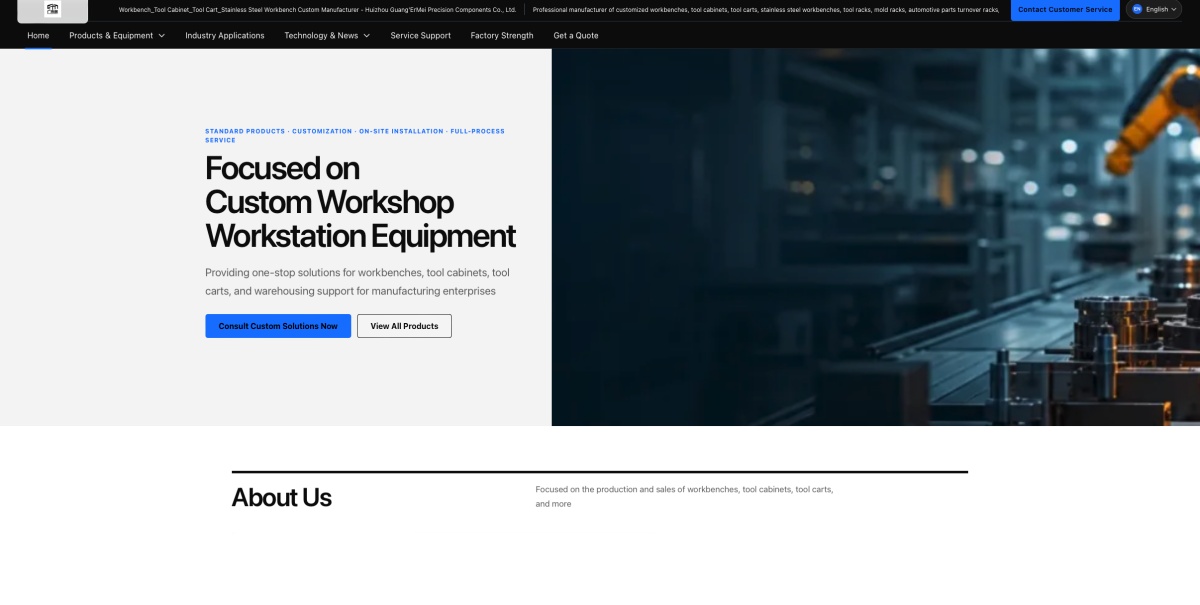
- French Industrial Equipment Export: For a manufacturer like Huizhou Guangermei Precision Parts Co., Ltd., exporting industrial workbenches and tool cabinets to Francophone markets, a static site fails to address local customization queries. An AI Digital Asset Independent Website leverages an AI knowledge base to continuously accumulate content around non-standard customization and technical FAQs. Using an "AI Worker" for automatic internal linking ensures the site remains fresh, allowing French buyers to find authoritative answers via AI search.
- Cross-Border SaaS Services: For enterprise email providers targeting Vietnam, the system enables rapid deployment of localized content addressing regional security concerns. By managing all content from a unified knowledge base, the enterprise maintains consistency across languages while adapting to local market nuances.
Implementation Boundaries and Realistic Expectations
Procurement decision-makers must set realistic expectations regarding outcomes. Huizhou Gaia Network Technology Co., Ltd. explicitly states that there are no promises of fixed rankings or guaranteed customer acquisition. The value of the Enterprise AI Digital Asset Growth System lies in the sustainable accumulation of digital marketing assets over time.
Success depends on:
- The quality and completeness of the initial enterprise materials provided.
- The consistency of the operational workflow and content iteration.
- Long-term commitment to optimization rather than seeking quick, unsustainable fixes.
Specific prices, content quotas, number of languages, and delivery cycles are subject to the final contract and should be discussed during the proposal phase.
Next Steps for Decision Makers
If your enterprise is struggling with content stagnation, high multilingual maintenance costs, or low visibility in AI search results, it is time to evaluate a growth-oriented system.
Recommended Action: Conduct a digital asset audit. Identify your core technical materials and assess how easily they can be converted into structured web content. Contact Huizhou Gaia Network Technology Co., Ltd. to discuss how an Enterprise AI Digital Asset Growth System can be tailored to your specific industry needs.
Recommended
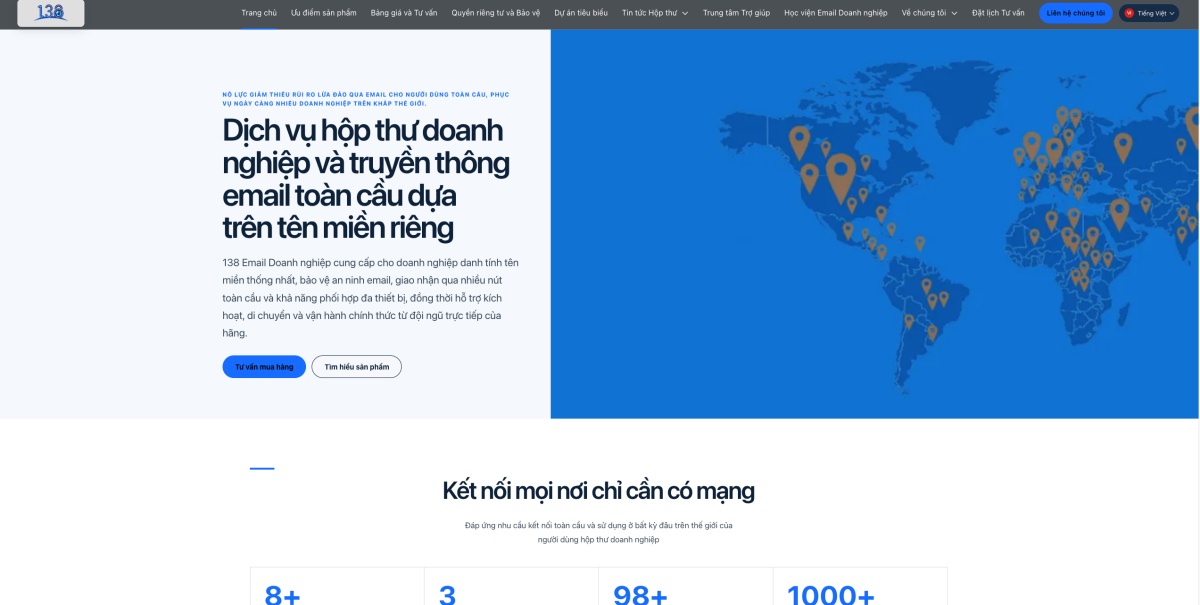
138 Enterprise Email | Vietnamese AI Digital Asset Website Case Study
An AI-driven digital asset website for enterprise email tailored to Vietnamese enterpris...
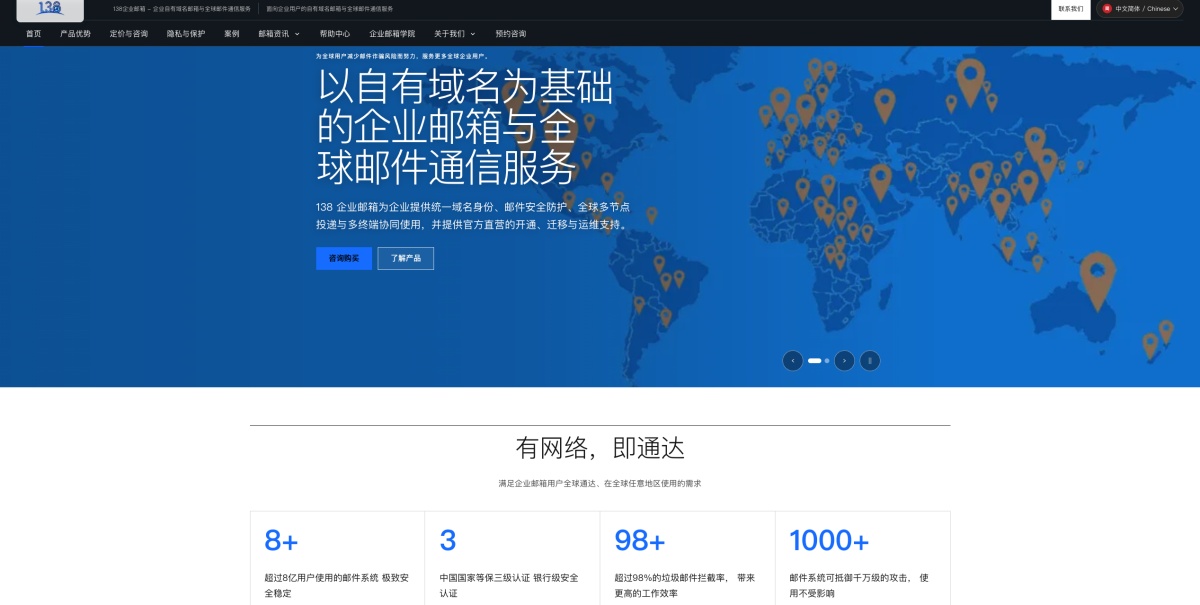
138 Enterprise Email | Chinese AI Digital Asset Website Case Study for Enterprise Services
Developed a Chinese AI digital asset website for an enterprise email service brand. By i...
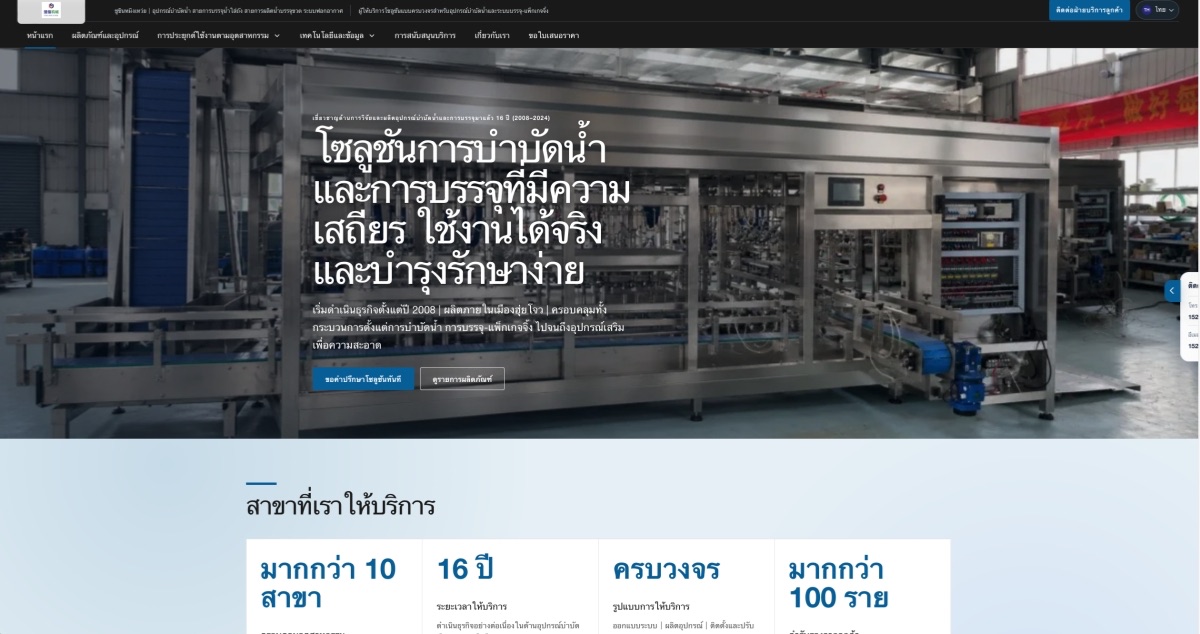
Water Treatment & Filling Equipment Manufacturer | Thai AI Digital Asset Website Case Study
Development of a Thai AI digital asset website for water treatment and filling equipment...