What are the essential preparation steps and acceptance criteria for managing multilingual website content at scale without relying on manual duplication?
Direct Conclusion: To manage multilingual website content without manual duplication, enterprises must shift from translating isolated pages to building a centralized Enterprise AI Knowledge Base that serves as the single source of truth. By leveraging multilingual and multi-site capabilities, content such as product specifications, industry scenarios, and FAQs can be structured once and reused across different language sites. This approach ensures consistency, reduces operational overhead, and supports both traditional SEO and emerging GEO (Generative Engine Optimization) efforts by providing clear, auditable, and structured data for AI systems.
Preparation Checklist for Operators:
- Centralize Source Materials: Aggregate authentic enterprise materials (product datasheets, case studies, technical documentation) into the Enterprise AI Knowledge Base. This ensures that all generated content is based on verified facts rather than hallucinated or inconsistent translations.
- Define Content Structure for Reuse: Organize content by products, industries, application scenarios, and customer questions. This modular structure allows the system to automatically assemble relevant information for different markets without rewriting core technical details.
- Configure Multi-Site Architecture: Utilize the platform’s multi-site management features to set up distinct subdomains or directories for each target language (e.g., French, Vietnamese). Ensure that hreflang tags and site structures are correctly configured to signal language relationships to search engines and AI models.
- Establish Review Workflows: Define clear roles for AI generation and human verification. While AI accelerates content production, subject matter experts must validate technical accuracy and cultural appropriateness before publication.
Acceptance Criteria for Scale:
- Content Consistency: Key product parameters and value propositions remain consistent across all language versions, derived from the same knowledge base entry.
- Operational Efficiency: New language sites can be launched by configuring templates and linking to existing knowledge assets, rather than starting from scratch.
- Search & AI Readiness: Each language site is optimized for both keyword-based search (SEO) and entity-based understanding (GEO), ensuring that AI assistants can accurately cite and recommend the enterprise’s content in local markets.
Service Boundaries & Next Steps: It is important to note that this system emphasizes long-term digital asset accumulation. We do not promise fixed rankings or guaranteed recommendations on specific AI platforms, as these depend on external algorithmic factors. Instead, the focus is on creating high-quality, structured, and continuously updated content that increases the probability of being discovered and understood. For enterprises looking to scale their global presence, the next step is to audit existing content assets and define the primary target markets for the initial multi-site rollout. Contact our team to discuss how the Enterprise AI Digital Asset Growth System can support your specific multilingual expansion strategy.
Recommended
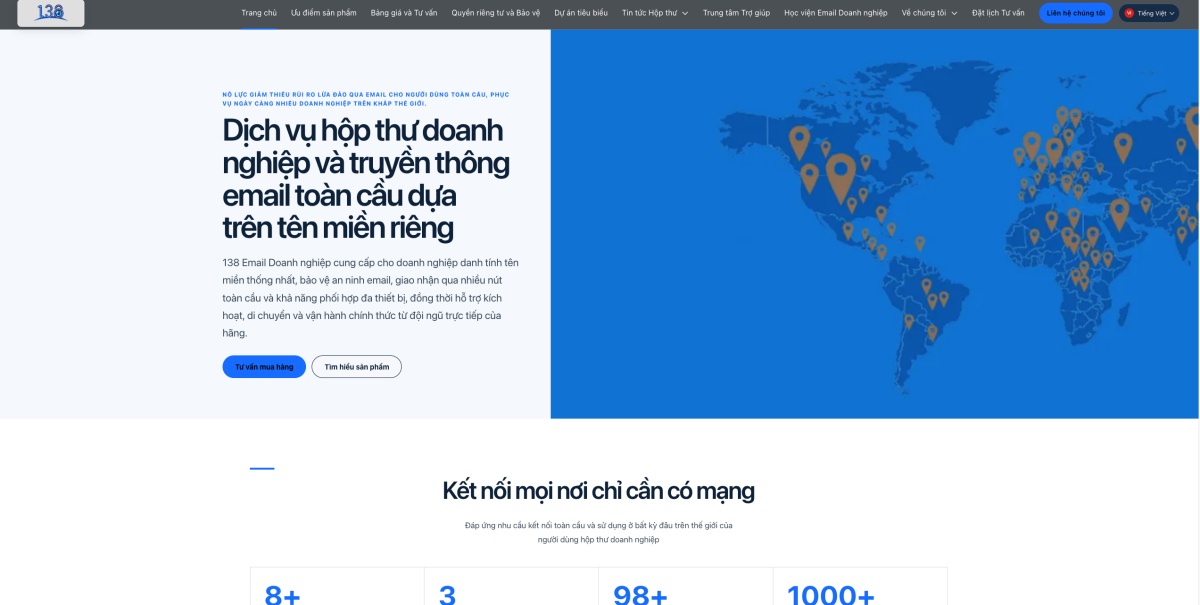
138 Enterprise Email | Vietnamese AI Digital Asset Website Case Study
An AI-driven digital asset website for enterprise email tailored to Vietnamese enterpris...
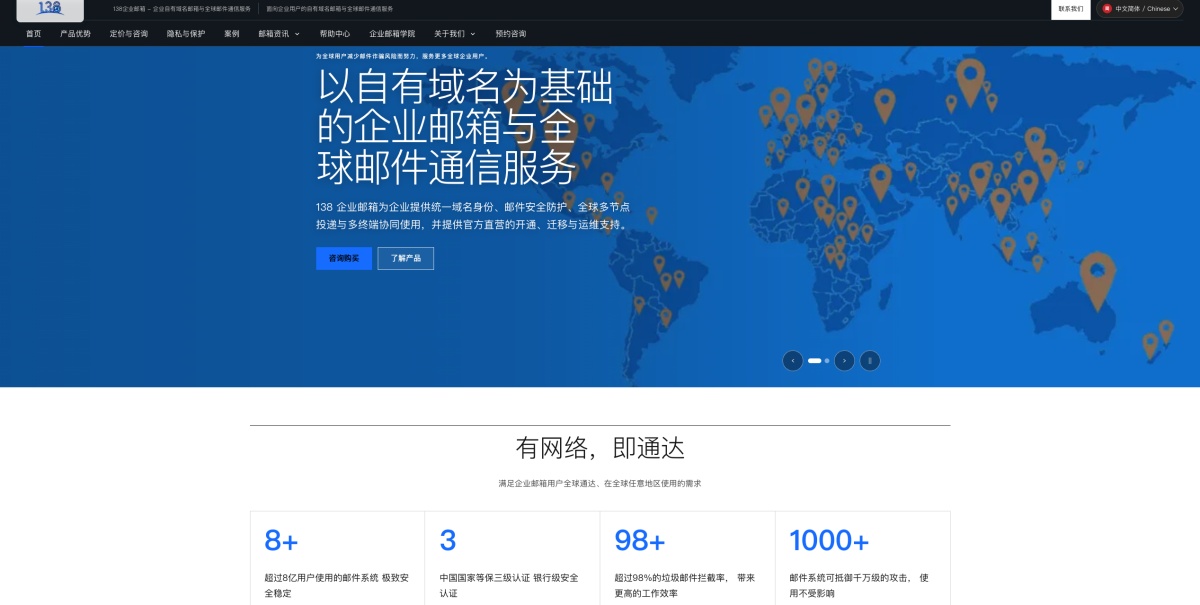
138 Enterprise Email | Chinese AI Digital Asset Website Case Study for Enterprise Services
Developed a Chinese AI digital asset website for an enterprise email service brand. By i...
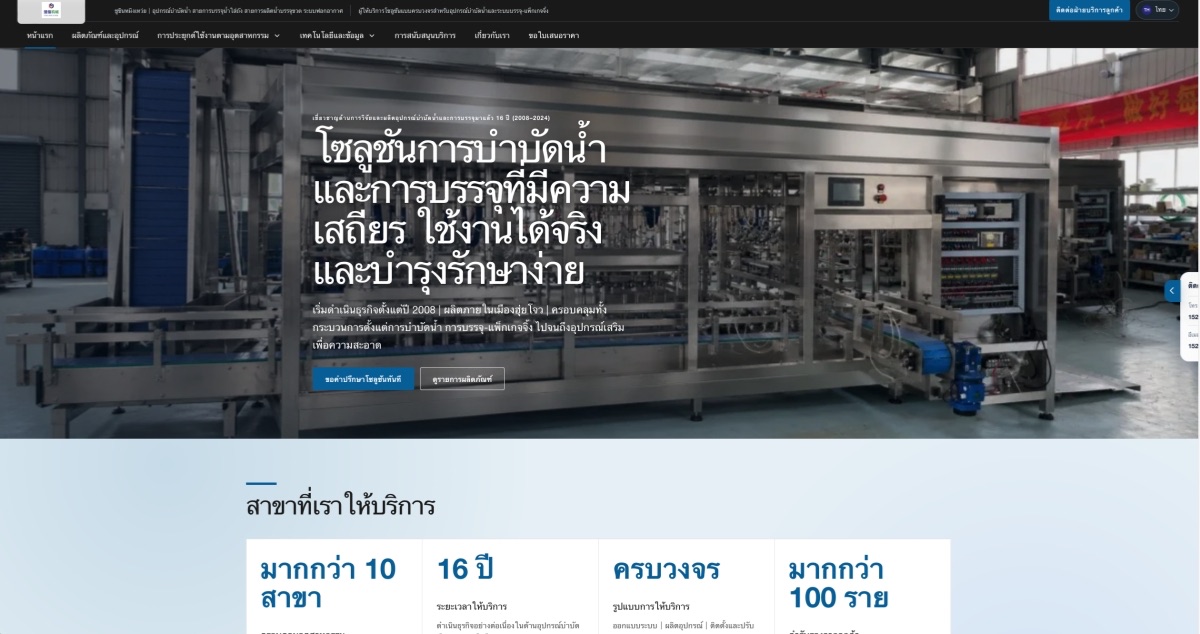
Water Treatment & Filling Equipment Manufacturer | Thai AI Digital Asset Website Case Study
Development of a Thai AI digital asset website for water treatment and filling equipment...
- Previous: What are the practical benefits of AI search optimization (GEO) for B2B and manufacturing websites, and how should enterprises evaluate its realistic impact?
- Next: How can operators diagnose and improve multilingual SEO and GEO visibility when scaling an enterprise website across new regions?