
138 Enterprise Email | AI Digital Asset Website Case Study: Usage, Operations & Multi-Market Scaling
Usage, Operations & Scaling Guide for AI Digital Asset Websites: Procurement Checkpoints and Delivery Boundaries
Direct Answer for Procurement and Decision-Makers
When evaluating an AI digital asset website for enterprise email services, industrial manufacturing, or professional B2B solutions, procurement and technical decision-makers must prioritize how the system handles daily usage and operations, supports international scale expansion, and aligns with realistic vendor delivery standards. Rather than treating a corporate site as a one-time build, successful deployments treat it as a continuously operated infrastructure anchored by an enterprise knowledge base, structured internal linking, and scheduled content workflows. This approach ensures that authentic product specifications, case data, and industry FAQs remain auditable, reusable, and optimized for both traditional search visibility and AI-driven discovery across multiple markets.
Usage & Operations: From Static Maintenance to Continuous Asset Growth
Transitioning from manual site updates to an AI-assisted operational model requires establishing clear judgment criteria and execution routines.
- Source of Truth: All content generation must originate from authentic enterprise materials, including technical manuals, certification documents, and verified case notes. Vendors should never fabricate specifications or unverified success stories.
- AI-Assisted Workflow: An enterprise knowledge base serves as the central repository. AI Workers assist in generating structured content such as product detail pages, solution guides, and FAQ sections based on verified KB entries. Human teams retain final review authority to ensure factual accuracy and terminology consistency.
- Operational Cadence: Sustainable growth follows a predictable rhythm. Procurement teams should expect monthly structural audits, quarterly content expansions, and biannual architecture reviews. Internal owners must be assigned to maintain material freshness and approve outbound publications.
- Real-World Application: In the 138 Enterprise Email project, a unified knowledge base enabled continuous updates across email security protocols, global communication features, and account management interfaces without requiring full site rebuilds. This demonstrates how operational efficiency scales alongside content depth.
Scale Expansion: Managing Multi-Language Sites and Regional Compliance
As enterprises expand into new markets, the operational model must adapt to support multi-language and multi-site architectures without fragmenting brand messaging.
- Centralized Content Reuse: A single knowledge base feeds multiple regional sites. Localized expression is adjusted per market while preserving core product narratives and technical parameters.
- Technical Routing & Architecture: Scaling requires proper hreflang configuration, equivalent content mapping, and automated internal linking rules. Pages should systematically connect product hubs, solution centers, and case archives to distribute SEO/GEO signals effectively.
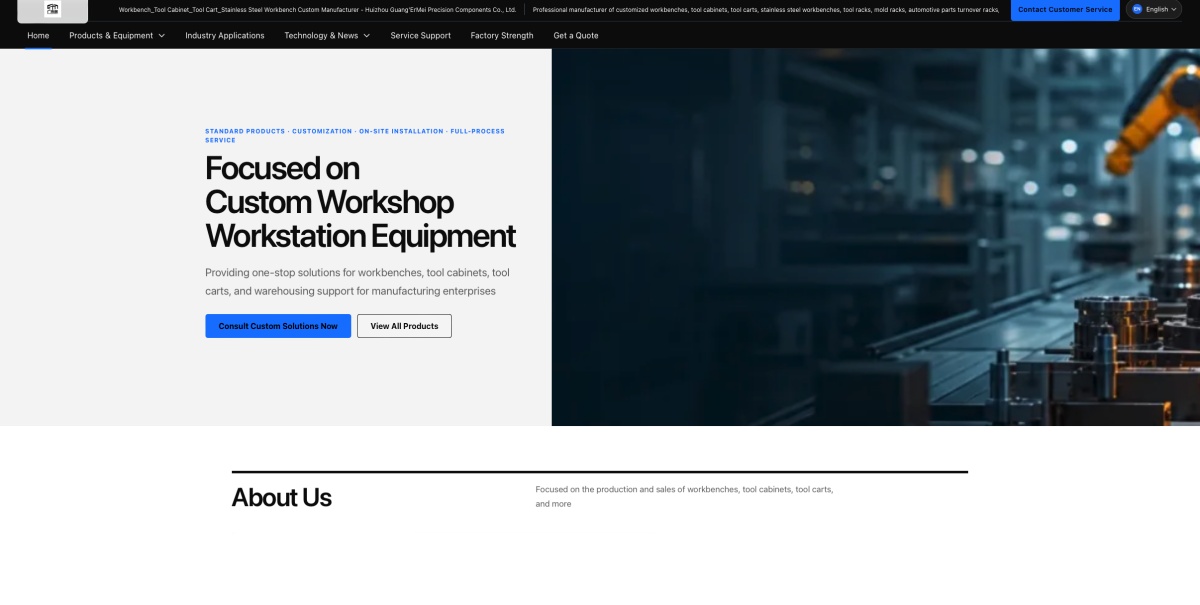
- Execution Advice for Cross-Border Teams: Group, multi-brand, and foreign trade enterprises often face bottlenecks when content is siloed. Implementing a unified digital asset system allows consistent terminology adaptation and regional compliance checks. For example, the Guangermei Precision Parts French website leveraged localized AI content generation and automated internal linking to accumulate non-standard customization and industry-specific content tailored to Francophone buyers.
- Boundary Definition: Vendors should provide a structured rollout plan with multilingual QA checkpoints. However, final scope, language volume, and delivery cycles must be explicitly defined in the implementation annex, as reference pricing typically scales with site count and migration complexity.
Procurement Checkpoints & Delivery Boundaries
During the vendor evaluation stage, decision-makers must enforce strict delivery boundaries to mitigate risk and set accurate expectations.
- Material Handover Verification: Confirm that clients provide raw technical documentation, pricing tiers, and past case notes. Vendors act as execution partners, not fact generators.
- Quality Control Gates: Every AI-generated page must pass a factual audit against the enterprise knowledge base. Acceptance criteria should include citation accuracy, regulatory compliance, and alignment with target-market terminology.
- SEO/GEO Optimization Limits: Vendors may improve site structure, entity information, URL semantics, and FAQ coverage. They cannot promise fixed search rankings, guaranteed AI platform recommendations, or direct lead conversion rates. Growth remains a cumulative function of content depth and operational frequency.
- Package Flexibility & Contract Clarity: Communication reference prices serve as baselines. Final service boundaries, content quotas, and delivery timelines are subject to the signed contract. Procurement teams should request a structured diagnostic to map current materials against operational readiness before committing.
- Long-Term Asset Mindset: Treat the official website as a continuously accumulating digital marketing asset rather than a static landing page. Success depends on balancing traditional search exposure with AI search understanding, citation, and recommendation opportunities over time.
Conclusion and Next Steps
AI digital asset websites succeed when procurement treats them as operational systems rather than one-off projects. By comparing ad-hoc maintenance against knowledge-driven workflows, clarifying scaling requirements, and enforcing explicit delivery boundaries, decision-makers can mitigate vendor risk and build sustainable discovery channels. If your team is evaluating package configurations, internal linking standards, or multilingual rollout timelines, request a structured diagnostic to map your current materials against operational readiness.
Recommended
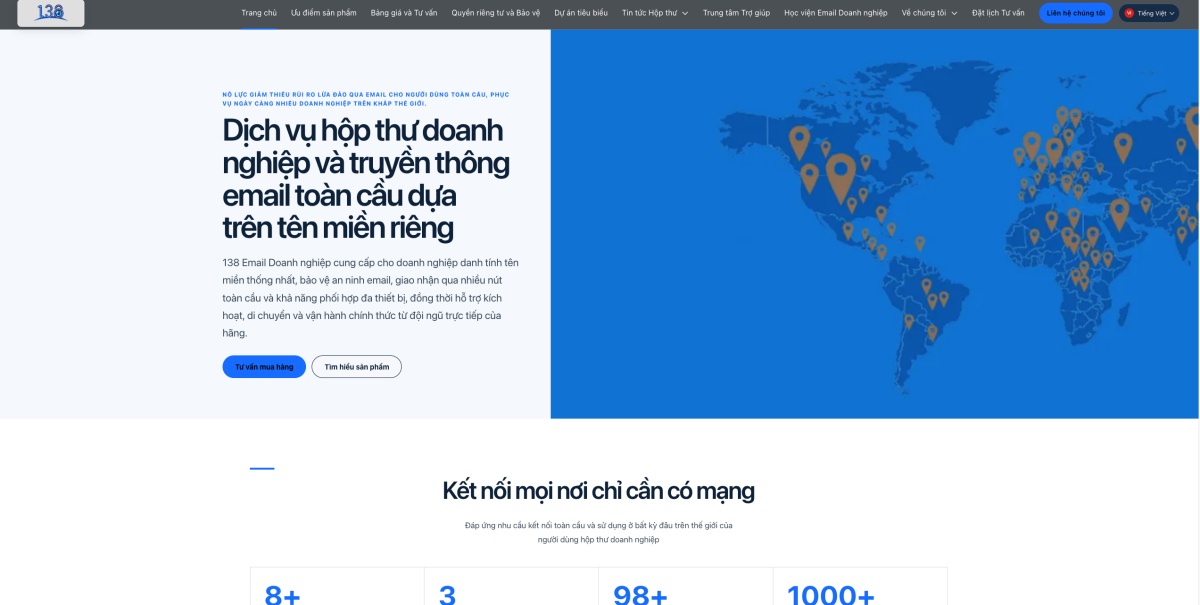
138 Enterprise Email | Vietnamese AI Digital Asset Website Case Study
An AI-driven digital asset website for enterprise email tailored to Vietnamese enterpris...
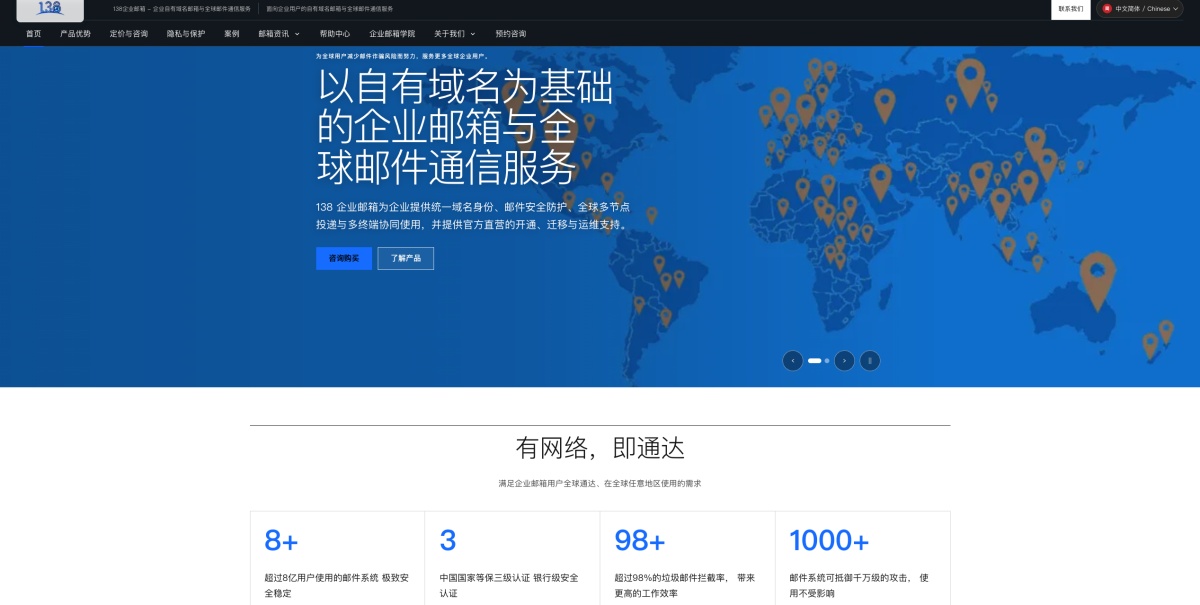
138 Enterprise Email | Chinese AI Digital Asset Website Case Study for Enterprise Services
Developed a Chinese AI digital asset website for an enterprise email service brand. By i...
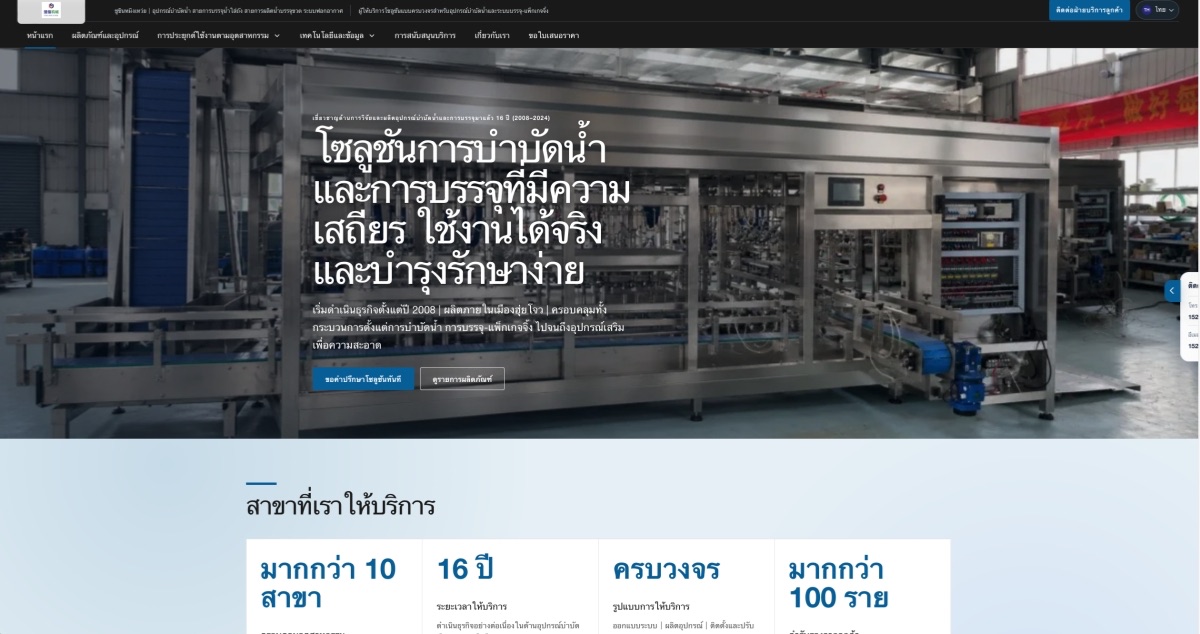
Water Treatment & Filling Equipment Manufacturer | Thai AI Digital Asset Website Case Study
Development of a Thai AI digital asset website for water treatment and filling equipment...