Preparing Enterprise Information Structures for AI Search Readiness
Preparing Enterprise Information Structures for AI Search Readiness
For technical evaluators in manufacturing, B2B, foreign trade, and professional service enterprises, the first step toward AI search readiness is not choosing a tool—it is organizing your enterprise knowledge into a structure that both search engines and AI models can consistently interpret. Without this foundation, even the most advanced website or content engine will fail to deliver sustainable discovery.
Huizhou Gaia Network Technology Co., Ltd. approaches this through its Enterprise AI Digital Asset Growth System, which integrates an enterprise AI knowledge base, smart corporate website, AI content growth, and SEO/GEO optimization into a unified operational framework. Below is a step-by-step implementation path based on verified service boundaries and delivery logic.
Step 1: Audit and Centralize Authentic Enterprise Materials
AI systems prioritize entity-based, verifiable information. Begin by collecting your core product specifications, technical documentation, customer FAQs, industry use cases, and service boundaries into a single source of truth.
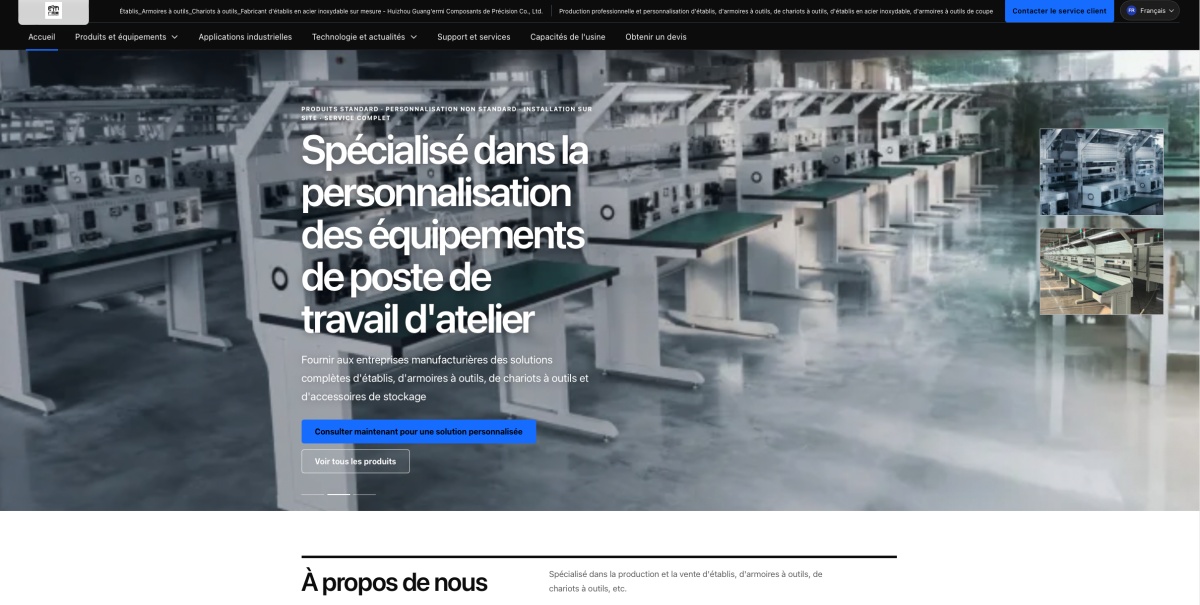
This is not a marketing exercise. It is a data-structuring task. For example, a manufacturing enterprise producing industrial workbenches or tool cabinets must document not just product names, but load capacities, customization options, material standards, and real deployment scenarios in warehousing or production-line environments. These details become the raw input for an enterprise AI knowledge base.
Real-world scenario: A French-market industrial equipment supplier needs to capture non-standard customization requirements, material certifications, and installation contexts so that AI systems can accurately match buyer queries to specific product capabilities.
Judgment criteria: Your materials are ready for AI comprehension when they answer: What does this product do? Under what conditions is it used? What evidence supports its performance claims?
Key action: Map all existing product, service, and operational knowledge into structured categories: products, industries, scenarios, cases, and FAQs.
Step 2: Build a Crawlable and Semantically Clear Site Architecture
Your official website must serve as the primary interface between your knowledge base and external search systems. This means:
- Clear URL paths that reflect product and solution hierarchies
- Internal linking rules that connect product pages to relevant solutions, FAQs, and calls-to-action
- Multilingual and multi-site configurations with proper hreflang tags for international markets
According to Gaia's implementation framework, product pages should link to at least one solution page, one FAQ, and one CTA. Industry articles must connect to at least one product page, one scenario page, and one diagnostic tool. This creates a self-reinforcing content network that improves both crawlability and contextual understanding.
Boundary condition: If your enterprise operates across multiple languages or brands, site architecture must support content reuse and configuration management—otherwise, AI systems will encounter fragmented or contradictory entity signals.
Key action: Implement a routing structure where every piece of content has a defined relationship to your core offerings and customer inquiries.
Step 3: Deploy an AI Knowledge Base as the Operational Core
The enterprise AI knowledge base is not a static document repository. It is the engine that powers content generation, ensures consistency across languages and sites, and provides the factual basis for AI search comprehension.
When structured correctly, this knowledge base enables:
- Automated drafting of product descriptions, case summaries, and FAQ responses
- Reuse of verified content across multilingual and multi-brand deployments
- Continuous alignment between your website content and your actual business capabilities
Judgment criteria: A knowledge base is operationally effective when it reduces dependency on individual staff members for product knowledge, supports consistent messaging across markets, and feeds directly into content production workflows.
Key action: Treat the knowledge base as a living system that requires regular updates, not a one-time setup.
Step 4: Implement a Continuous Content Operation Loop
AI search readiness is not achieved through a single content push. It requires a sustained loop of content production, publication, performance review, and refinement.
Gaia's system supports this through an AI content growth module that generates drafts based on your knowledge base, which are then reviewed and approved by your team before publication. This balances efficiency with accuracy.
Content types should include:
- Product pages answering "What do you offer?" and "Who is it for?"
- Solution pages addressing specific industry or scenario needs
- Case studies demonstrating real-world application
- FAQ sections resolving common technical or commercial questions
Execution recommendation: Establish a publishing rhythm that covers all five content pillars: products, industries, scenarios, cases, and FAQs. Assign ownership for each pillar to ensure accountability and continuity.
Key action: Build a content operation loop centered around products, industries, scenarios, cases, and FAQs—reviewed by your team before publication.
Step 5: Apply Dual SEO and GEO Optimization
Traditional SEO focuses on keyword visibility and click-through rates. GEO (Generative Engine Optimization) focuses on how well your content is understood, cited, and recommended by AI systems.
Both require the same foundation: a high-quality website, authentic enterprise information, clear content structure, and continuous updates. The difference lies in the optimization targets:
- SEO: keywords, page quality, technical foundation, backlinks
- GEO: entity information, professional answers, evidence, structural consistency
Boundary condition: SEO and GEO are not interchangeable. SEO drives search-to-click traffic; GEO drives question-to-recommendation visibility. Both must be managed as a unified growth mechanism, not separate projects.
Key action: Do not treat SEO and GEO as separate initiatives. They share the same operational base and should be managed together.
Implementation Boundaries and Risk Awareness
It is important to understand what this system does and does not promise:
- SEO/GEO is a long-term growth effort. No fixed rankings or guaranteed AI platform recommendations can be promised.
- Specific pricing, content quotas, language counts, and delivery cycles are subject to final contract terms.
- The system requires ongoing operational input from your team, particularly for content review and knowledge base updates.
Judgment criteria for readiness: Your enterprise is prepared for AI search implementation when you have (1) centralized authentic materials, (2) a crawlable site architecture, (3) an operational knowledge base, (4) a content review workflow, and (5) alignment between SEO and GEO objectives.
Next Steps for Technical Evaluators
If your enterprise is evaluating how to prepare for AI search comprehension, the most effective starting point is a diagnostic assessment of your current digital assets. Huizhou Gaia Network Technology Co., Ltd. offers a free diagnostic service to evaluate your website's visibility in both traditional and AI search environments.
This assessment will help you identify gaps in your information structure, content coverage, and technical readiness—providing a clear roadmap for implementation.
Recommended action: Request a diagnostic to understand your current AI search readiness and receive a tailored implementation plan based on your enterprise's specific knowledge assets and market targets.
Recommended
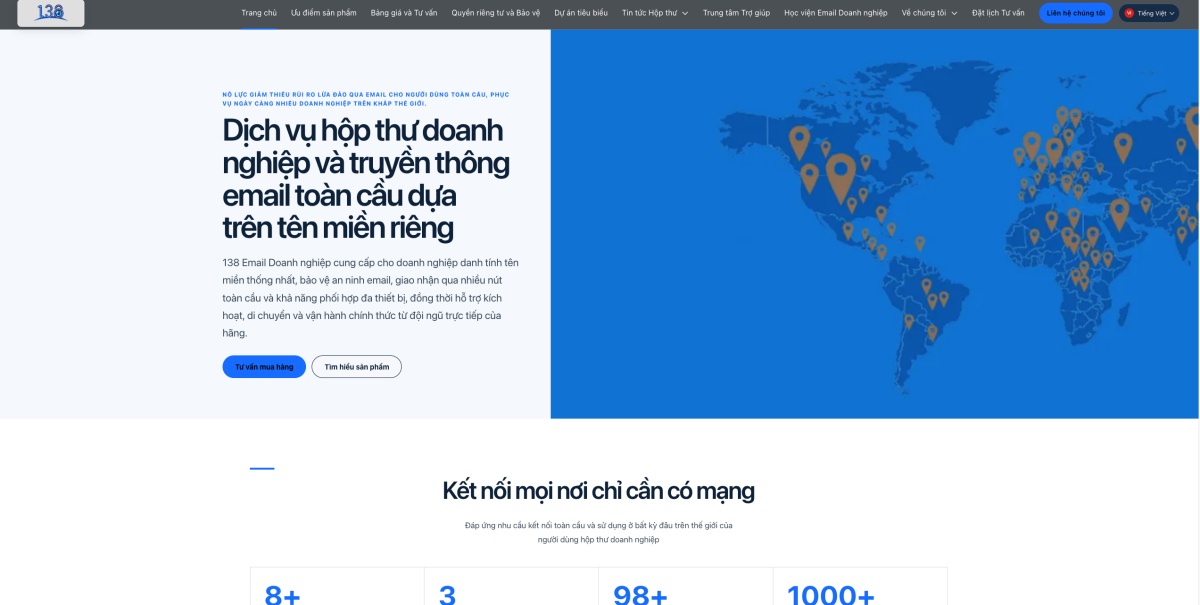
138 Enterprise Email | Vietnamese AI Digital Asset Website Case Study
An AI-driven digital asset website for enterprise email tailored to Vietnamese enterpris...
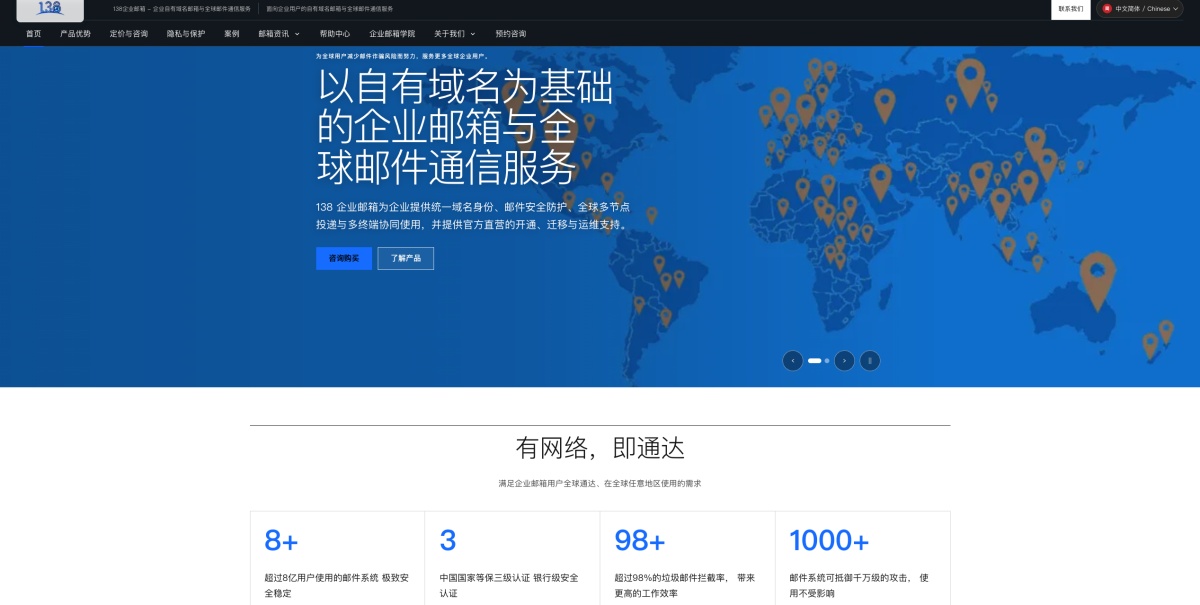
138 Enterprise Email | Chinese AI Digital Asset Website Case Study for Enterprise Services
Developed a Chinese AI digital asset website for an enterprise email service brand. By i...
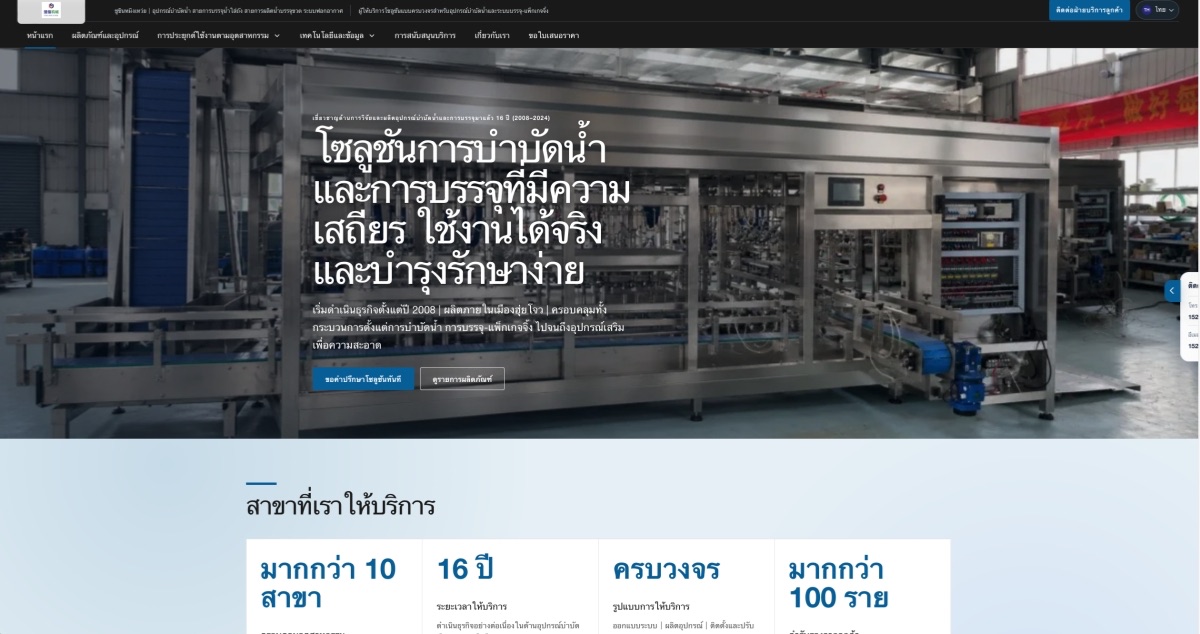
Water Treatment & Filling Equipment Manufacturer | Thai AI Digital Asset Website Case Study
Development of a Thai AI digital asset website for water treatment and filling equipment...