AI Website Implementation Timeline: From Data Upload to Live Site Launch
AI Website Implementation Timeline: From Data Upload to Live Site Launch
For manufacturing enterprises, B2B service providers, and foreign trade companies, transitioning to an Enterprise AI Digital Asset Growth System requires a structured implementation plan. Unlike traditional website projects that focus solely on design, this system integrates enterprise knowledge bases, ****smart corporate websites, and AI content growth into a continuous operational loop. This article outlines the typical implementation timeline for operations managers and first-time adopters, detailing the phases from initial data upload to live site launch. It emphasizes the importance of using authentic enterprise materials as the source of truth to ensure content is auditable and reusable.
Phase 1: Material Import and Knowledge Base Construction
The foundation of the system is the Enterprise AI Knowledge Base. Before any public-facing pages are generated, the core business data must be structured.
Key Actions:
- *Data Collection:
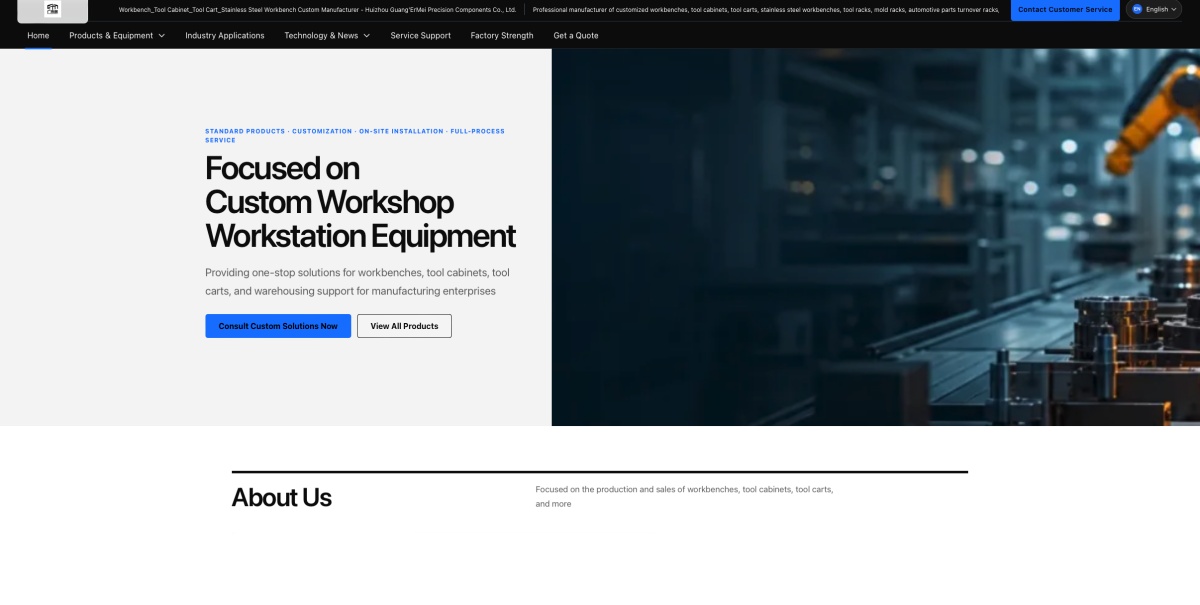
- Gather authentic enterprise materials, including product specifications, technical documents, industry cases, and FAQs. For example, in the case of Huizhou Guangermei Precision Parts Co., Ltd., materials centered around industrial workbenches and tool cabinets were structured to support a French-market independent website.
- *Knowledge Structuring:
- Organize these materials into a retrievable format. The system uses this data to build a unified knowledge base that serves as the "source of truth" for all subsequent content generation.
- *Boundary Setting:
- Ensure that sensitive or non-public information is excluded. The system relies on verified facts to prevent hallucinations and ensure compliance with SEO and GEO standards.
Note: No fixed rankings or guaranteed customer acquisition can be promised at this stage. The focus is on building a robust, auditable data foundation.
Phase 2: Site Planning and Architecture Design
Once the knowledge base is populated, the next step is designing the smart corporate website architecture. This phase ensures that the site is understandable by both human visitors and AI search engines.
Key Actions:
- *Information Architecture (IA):
- Define the site structure based on products, solutions, and scenarios. For instance, a manufacturing solution page might link to specific product categories, case studies, and diagnostic tools.
- *Multilingual Configuration:
- If targeting overseas markets, configure multilingual capabilities. This includes setting up hreflang tags and ensuring terminology consistency across languages. The system supports multi-site management for group enterprises or brands with diverse market needs.
- *SEO/GEO Foundation:
- Implement basic SEO elements such as Title, Meta Description, URL structures, Schema markup, and Sitemaps. Additionally, prepare GEO-optimized content that answers entity-based questions and provides evidence for AI recognition.
Phase 3: AI Task Setup and Content Generation
With the architecture in place, the system begins generating content through AI Content Growth modules. This is not a one-time event but a scheduled operation.
Key Actions:
- *Task Configuration:
- Set up content generation tasks based on themes, columns, languages, and frequency. The AI Worker utilizes the enterprise knowledge base to produce articles, product descriptions, and FAQ entries.
- *Internal Linking Strategy:
- Configure automatic internal linking rules to connect products, cases, and FAQs. This enhances site crawlability and helps AI understand the relationships between different business entities.
- *Quality Control Workflow:
- Establish a review process. While AI accelerates production, human oversight is crucial for fact-checking, structural integrity, and language accuracy. The system supports workflows for reducing risks associated with low-quality content or mistranslations.
Phase 4: Review, Optimization, and Launch
The final phase involves rigorous testing and optimization before going live. This ensures that the digital assets are ready for sustained accumulation and discovery.
Key Actions:
- *Technical Audit:
- Verify that all technical SEO elements (canonical tags, hreflang, sitemap) are correctly implemented. Check for broken links and ensure mobile responsiveness.
- *Content Review:
- Conduct a final review of generated content against the original enterprise materials. Ensure that claims are conservative and backed by verifiable facts. Avoid unverified certifications or exaggerated performance metrics.
- *Launch and Monitoring:
- Deploy the site and activate continuous operation services. Monitor initial indexing status and user engagement metrics. The system provides dashboards for tracking content status, task execution, and asset accumulation.
Conclusion: A Long-Term Asset Accumulation Process
Implementing an AI-driven digital asset system is a long-term growth effort. It balances traditional search exposure with AI search understanding, citation, and recommendation opportunities. By focusing on authentic materials and continuous optimization, enterprises can build a sustainable digital marketing presence. For manufacturing, B2B, and foreign trade enterprises, this approach transforms the official website from a static display tool into a dynamic asset that continuously attracts customer inquiries. However, it is essential to manage expectations: there are no guarantees of fixed rankings or immediate results. Success depends on consistent content operations and strategic alignment with business goals.
Next Steps
To begin your implementation journey, consider the following actions:
- Assess Your Materials: Evaluate the completeness and quality of your current enterprise documentation.
- Request a Diagnosis: Use the free diagnosis tool to assess your current website's AI visibility and SEO health.
- Consult with Experts: Contact Huizhou Gaia Network Technology Co., Ltd. to discuss a tailored implementation plan for your specific industry and target market. By following this structured timeline, you can ensure a smooth transition to an AI-enhanced digital presence that supports long-term business growth.
Recommended
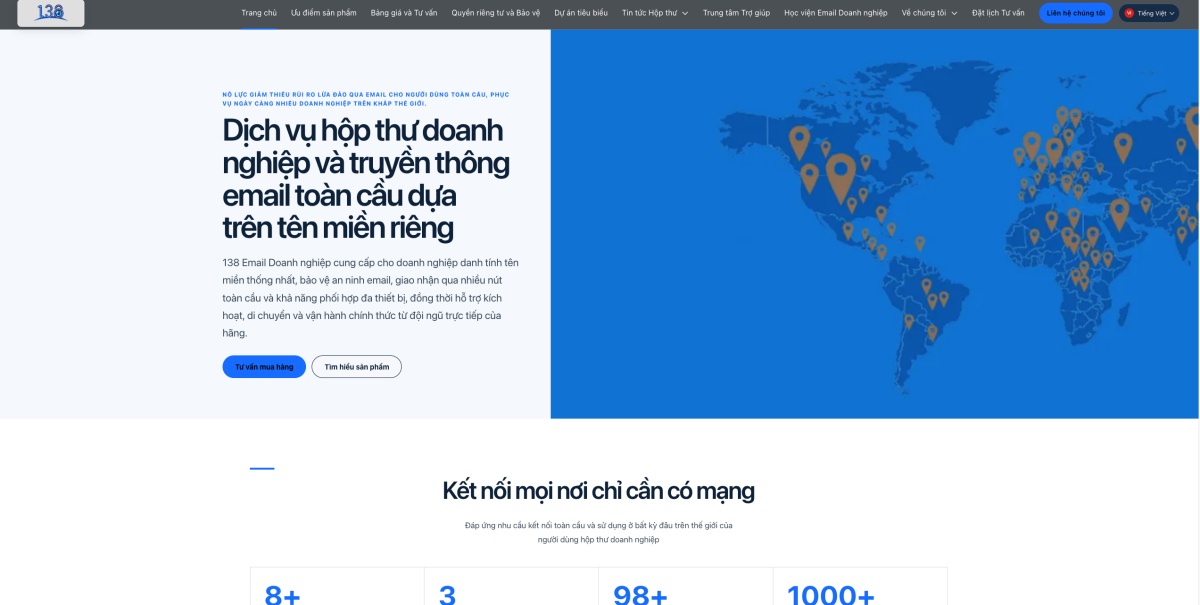
138 Enterprise Email | Vietnamese AI Digital Asset Website Case Study
An AI-driven digital asset website for enterprise email tailored to Vietnamese enterpris...
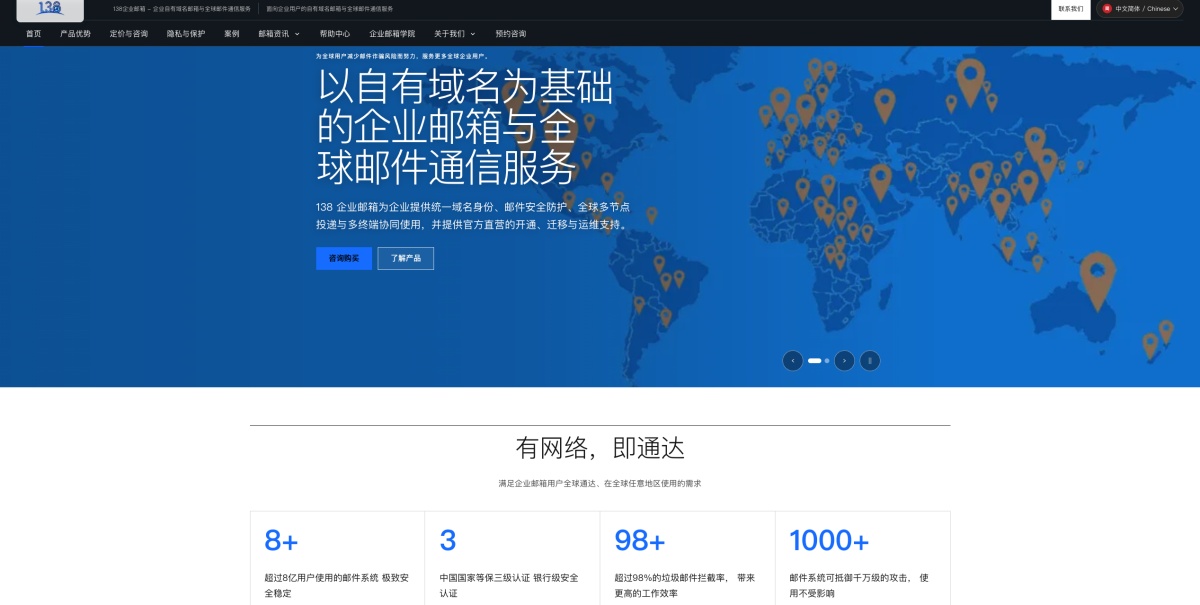
138 Enterprise Email | Chinese AI Digital Asset Website Case Study for Enterprise Services
Developed a Chinese AI digital asset website for an enterprise email service brand. By i...
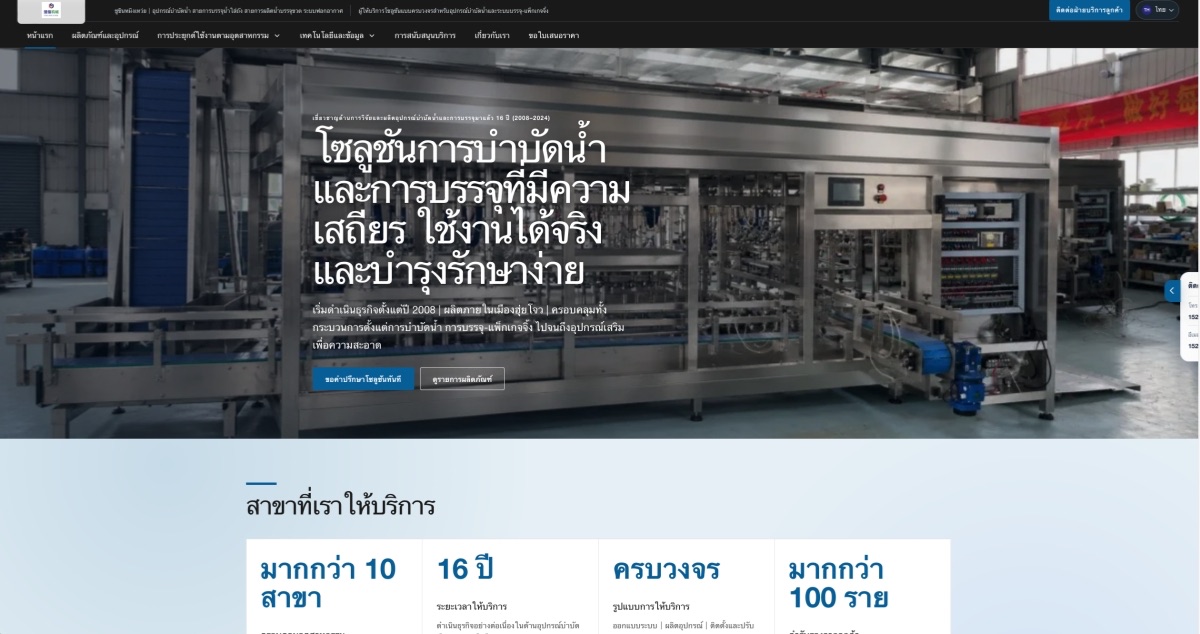
Water Treatment & Filling Equipment Manufacturer | Thai AI Digital Asset Website Case Study
Development of a Thai AI digital asset website for water treatment and filling equipment...