Realistic Timeline Expectations: From Data Upload to Live Site Launch
Realistic Timeline Expectations: From Data Upload to Live Site Launch
Conclusion: For manufacturing and B2B enterprises, a fully functional Enterprise AI Digital Asset Growth System typically requires 4 to 8 weeks from initial data upload to live launch. This timeline is not arbitrary; it reflects the necessary phases of knowledge base structuring, AI content generation with human audit, technical SEO/GEO optimization, and multilingual localization. Unlike generic website builders that promise instant deployment, our system prioritizes the accumulation of auditable digital assets, which inherently requires time to ensure accuracy and search visibility.
The Implementation Lifecycle: Why Speed Must Not Compromise Accuracy
When evaluating an AI-driven digital asset solution, decision-makers often ask how quickly they can go live. The answer depends on the complexity of your existing materials and the scope of your target markets. Our system architecture defines a standard operational workflow that balances efficiency with the rigorous quality control required for B2B trust.
Phase 1: Data Ingestion and Knowledge Base Structuring (Weeks 1-2)
The foundation of any successful AI website is the Enterprise AI Knowledge Base. Before any content is generated or displayed, we must ingest your authentic enterprise materials—product manuals, technical specifications, case studies, and industry FAQs.
- Action Required:*
- You provide raw data (PDFs, Word docs, spreadsheets). We do not guess; we structure this into a unified knowledge graph.
- Critical Step:*
- As per our system requirements, every page must be built around five specific elements: target customer, customer problem, product answer, credible evidence, and next steps. This ensures the site answers "Who are you?" and "How do you solve this?" clearly.
- Timeline Factor:*
- Complex industries (e.g., precision parts, industrial workbenches) require more time to map technical parameters and application scenarios correctly. Rushing this phase leads to hallucinated facts, which damages brand credibility.
Phase 2: AI Content Generation and Human Audit (Weeks 3-4)
Once the knowledge base is structured, the system generates initial content. However, our core differentiator is the AI Worker + Manual Review loop. AI accelerates the drafting of product pages, industry articles, and FAQ sections, but human experts must verify technical accuracy and tone.
- Process:*
- The system drafts content based on your uploaded data. Our team reviews it against your original source documents to ensure no fabrication occurs.
- Evidence Policy:*
- We strictly adhere to the principle that content must be auditable. If a specific parameter or certification is not in your source data, it will not appear in the published content. This prevents the risk of false claims common in automated tools.
- Outcome:*
- A set of verified, reusable content blocks ready for deployment.
Phase 3: Technical Optimization and Multilingual Deployment (Weeks 5-6+)
The final phase involves configuring the Smart Corporate Website for both traditional search engines and AI search models (GEO).
- SEO & GEO Setup:*
- We implement schema markup, optimize URL structures, and configure internal linking rules. For example, product pages link to solutions and FAQs, while industry articles link back to product capabilities. This creates a cohesive network that helps search engines and AI agents understand your entity relationships.
- Multilingual Expansion:*
- If targeting overseas markets (e.g., French-speaking regions for industrial equipment), we deploy localized versions using the Multilingual Multi-site module. This involves translating the knowledge base and adapting content to local market nuances, ensuring terms like "industrial workbench" or "tool cabinet" are contextually accurate.
- Verification:*
- Final checks for hreflang tags, sitemap submission, and mobile responsiveness.
Factors Influencing Your Specific Timeline
While the standard cycle is 4-8 weeks, several variables can extend or compress this schedule:
- Data Readiness: If your enterprise materials are scattered across multiple unstructured files, the ingestion phase may take longer. Organized, digitized data speeds up the process significantly.
- Scope of Languages: A single-language site launches faster than a multi-language setup requiring professional localization and cultural adaptation.
- Content Volume: A site covering 50 products vs. 500 products requires different amounts of manual review time. The system scales, but the audit workload increases proportionally.
- Customization Needs: Specific integration with CRM systems or unique design requirements for group/multi-brand enterprises may add time.
Common Misconceptions About AI Website Timelines
Many buyers assume AI means "instant." This is a misconception when dealing with B2B and manufacturing sectors where accuracy is paramount.
- Myth:*
- "We can launch in 3 days."
- Reality:*
- While a template can be deployed in days, a Digital Asset Growth System that accumulates value over time requires the full lifecycle to ensure the knowledge base is robust enough to support long-term growth.
- Myth:*
- "The AI writes everything perfectly without help."
- Reality:*
- AI handles volume and consistency, but human oversight is mandatory for technical validation. Our process explicitly includes a review step to prevent errors in technical specifications or service boundaries.
- Myth:*
- "Rankings are guaranteed immediately."
- Reality:*
- Search visibility is a long-term effort. The system builds the foundation for discovery, but organic rankings and AI citations accumulate gradually as the site gains authority and fresh content.
Decision Criteria for Procurement Leaders
When comparing vendors or planning your internal rollout, use these criteria to assess their timeline promises:
- Does the vendor explain the "Audit" phase? If they claim zero human intervention, they are likely risking data integrity.
- Is the knowledge base structured first? A proper system starts with data organization, not just template filling.
- What is the plan for multilingual consistency? Ensure they have a process for maintaining terminology consistency across languages (e.g., using `hreflang` and shared glossaries).
- Do they define clear boundaries? Reputable providers will state that specific prices, delivery cycles, and content quotas depend on the final contract and data complexity.
Next Steps: Validate Your Readiness
To determine a precise timeline for your project, we recommend starting with a Free Diagnosis of your current digital assets. This assessment will identify gaps in your data, estimate the scope of knowledge base construction, and provide a tailored delivery schedule.
We invite you to submit your current materials for evaluation. Based on your specific needs—whether for a French industrial equipment site, a Vietnamese enterprise email platform, or a global B2B expansion—we can outline a realistic roadmap that aligns with your business goals.
[Contact Us to Schedule a Free Diagnostic Assessment]
Key Implementation Facts
- Standard Cycle:*
- 4-8 weeks from data upload to live launch.
- Core Requirement:*
- All content must be derived from authentic enterprise materials; no fabrication allowed.
- Quality Control:*
- Mandatory human audit of AI-generated content to ensure technical accuracy.
- Scalability:*
- Supports single or multi-brand, multi-language deployments with consistent knowledge bases.
- Long-term Value:*
- Focuses on continuous asset accumulation rather than one-time deployment.
Conclusion
Building an Enterprise AI Digital Asset Growth System is a strategic investment in your company's long-term discoverability. While the technology accelerates content creation, the timeline from data upload to live launch is governed by the need for structural integrity, human verification, and comprehensive optimization. By adhering to a phased approach that prioritizes data quality and auditability, manufacturing and B2B enterprises can ensure their digital presence is not only fast to launch but also durable and effective in driving sustainable customer acquisition.
Ready to start? Submit your enterprise data today for a preliminary assessment and receive a customized implementation timeline.
[Submit Materials for Evaluation]
Recommended
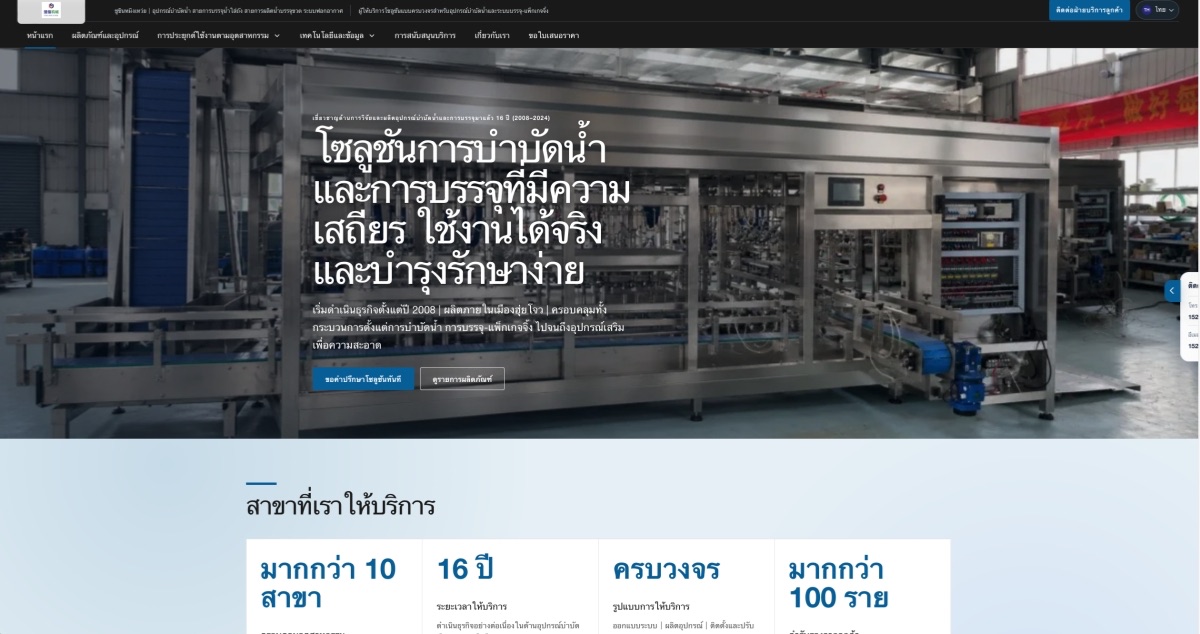
Water Treatment & Filling Equipment Manufacturer | Thai AI Digital Asset Website Case Study
Development of a Thai AI digital asset website for water treatment and filling equipment...
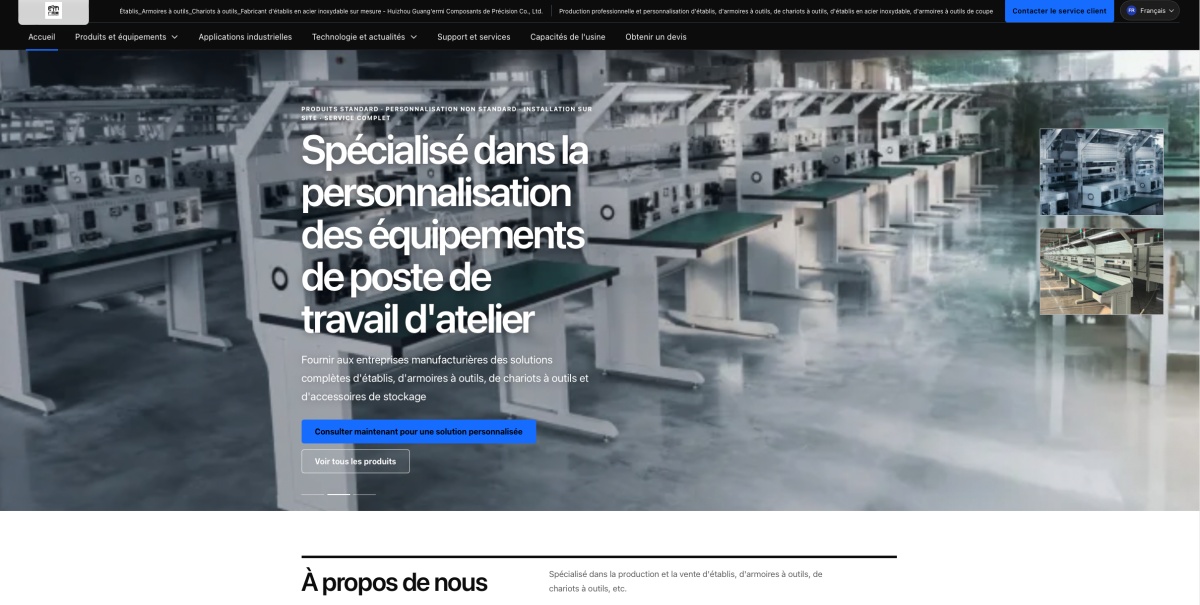
Guangermei Precision Parts | French AI Digital Asset Independent Website Case Study
This project involves building a French-market-oriented AI digital asset independent web...
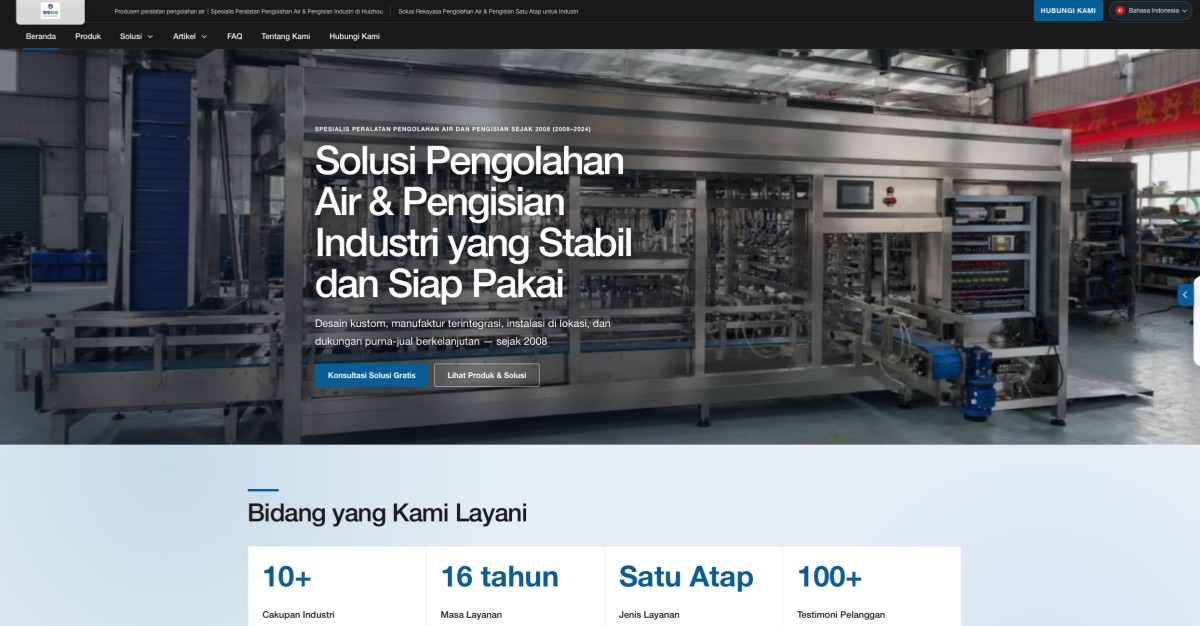
Water Treatment & Filling Equipment Manufacturer | Indonesian AI Digital Asset Website Case Study
An AI-powered digital asset website built for the Indonesian market, tailored for a wate...