Enterprise AI Knowledge Base Solutions: Configuration and Implementation Guide
Who this guide is for
This guide is written for procurement managers, marketing directors, and operations leaders in manufacturing, B2B, foreign trade, and professional service enterprises who are evaluating enterprise AI knowledge base solutions. It focuses on solution composition, deployment prerequisites, configuration steps, and how to troubleshoot typical issues during the usage phase.
If your enterprise needs a website that continuously accumulates verifiable digital assets—rather than one-off content or unverified ranking promises—this field guide will help you assess whether an enterprise AI knowledge base fits your current stage and how to implement it without unnecessary risk.
What enterprise AI knowledge base solutions actually include
An enterprise AI knowledge base solution is not a standalone chatbot or a generic document repository. Within the Enterprise AI Digital Asset Growth System provided by Huizhou Gaia Network Technology Co., Ltd., the knowledge base is one core module that connects directly to your smart corporate website, AI content growth engine, and SEO/GEO optimization layer.
A typical configuration includes:
- Structured enterprise knowledge ingestion: Product specifications, manufacturing capabilities, service offerings, industry scenarios, case records, and FAQs are organized into a machine-readable structure based on authentic enterprise materials.
- Content reuse across languages and sites: The same knowledge base can feed multilingual websites and multi-site or multi-brand deployments, reducing duplication and ensuring consistency.
- AI content generation with auditability: Content produced from the knowledge base is traceable to source materials, making it reusable and verifiable rather than speculative.
- Integration with search and AI discovery layers: The knowledge base supports both traditional SEO and GEO (Generative Engine Optimization), helping your enterprise be understood by AI systems for citation and recommendation opportunities.
---
Prerequisites before deployment
Before configuring an enterprise AI knowledge base, confirm that your organization can provide the following:
- Authentic source materials: Product catalogs, technical documents, service descriptions, case records, and FAQ lists. The system uses these as the single source of truth—no fabricated parameters or unverified claims are introduced.
- Clear content boundaries: Define which products, industries, scenarios, and customer questions the knowledge base should cover. This prevents scope creep and ensures the output remains relevant.
- Website infrastructure readiness: A smart corporate website or multilingual site must be in place or planned, as the knowledge base feeds directly into site content and structure.
- Operational commitment: The knowledge base is not a one-time setup. It requires continuous updates as products, services, and market conditions evolve. Enterprises should assign responsibility for ongoing content maintenance.
---
Configuration steps for typical use cases
Step 1: Knowledge structuring
Organize your enterprise materials into categories such as products, manufacturing processes, service offerings, industry applications, customer cases, and FAQs. Each category should have clear metadata so the AI system can retrieve and reuse content accurately.
Step 2: Website integration
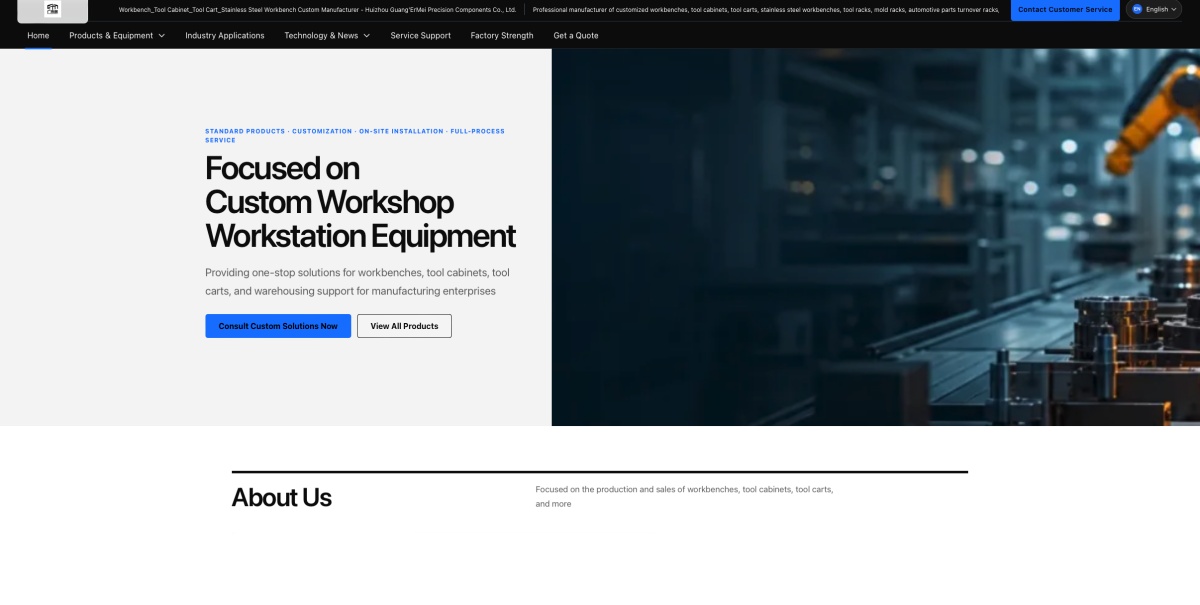
Connect the knowledge base to your smart corporate website. For manufacturing and B2B enterprises, this typically means product pages, solution pages, and case studies are auto-populated or assisted by knowledge base outputs. For foreign trade enterprises, multilingual and multi-site capabilities ensure the same knowledge serves different regional audiences.
Step 3: Content growth activation
Enable the AI content growth module to generate new articles, FAQs, and scenario-based content from the knowledge base. All generated content should be reviewed for accuracy before publication.
Step 4: SEO and GEO alignment
Apply basic SEO optimization to ensure search engines can index your content. Simultaneously, structure content so AI systems can understand and cite your enterprise materials—this is the GEO layer.
Step 5: Continuous operation
Assign a team or partner to monitor content performance, update knowledge base entries, and adjust SEO/GEO strategies based on actual traffic and inquiry data.
Risk signals and troubleshooting during implementation
Even with a well-configured knowledge base, enterprises may encounter issues during the usage phase. Below are common risk signals and how to address them.
Signal 1: Content output feels generic or repetitive
Likely cause: The knowledge base lacks sufficient depth or specificity in source materials.
Action: Review your product and service documentation. Add more technical details, real case records, and scenario-specific FAQs. The AI system can only produce what you provide.
Signal 2: Multilingual content is inconsistent across sites
Likely cause: The knowledge base is not properly linked to all language versions of your website, or translation rules are not standardized.
Action: Ensure the knowledge base feeds all multilingual and multi-site deployments through a unified content management layer. Verify that hreflang tags and language routing are correctly configured.
Signal 3: Low visibility in AI-generated answers
Likely cause: Content is not structured for GEO, or the knowledge base lacks clear entity definitions and contextual relationships.
Action: Reorganize knowledge base entries to include clear product names, industry terms, use cases, and FAQs. Ensure content is marked up with structured data where applicable.
Signal 4: Team resistance to continuous updates
Likely cause: No clear ownership or workflow for knowledge base maintenance.
Action: Assign a dedicated content operations role or partner with a service provider who can handle ongoing updates. The knowledge base is a living asset, not a static archive.
Suitability checklist: Is this solution right for your enterprise?
Use this quick checklist to determine whether an enterprise AI knowledge base solution fits your current needs:
- [ ] Your enterprise has authentic, structured product and service materials ready for ingestion.
- [ ] You operate or plan to operate a smart corporate website, multilingual site, or multi-site deployment.
- [ ] You need content that is verifiable, reusable, and aligned with both SEO and GEO requirements.
- [ ] You are willing to commit to continuous content operations rather than expecting one-time results.
- [ ] You understand that no fixed rankings or guaranteed customer acquisition can be promised—this is a long-term asset accumulation effort.
If you checked four or more items, your enterprise is a strong candidate for deploying an enterprise AI knowledge base solution.
Next steps
If you are ready to evaluate how an enterprise AI knowledge base solution can be configured for your specific industry and deployment scenario, the next step is to request a diagnostic session. During this session, Huizhou Gaia Network Technology Co., Ltd. will review your current materials, website infrastructure, and operational capacity to provide a tailored configuration plan.
Contact our team to schedule your diagnostic and receive a preliminary implementation roadmap.
Recommended
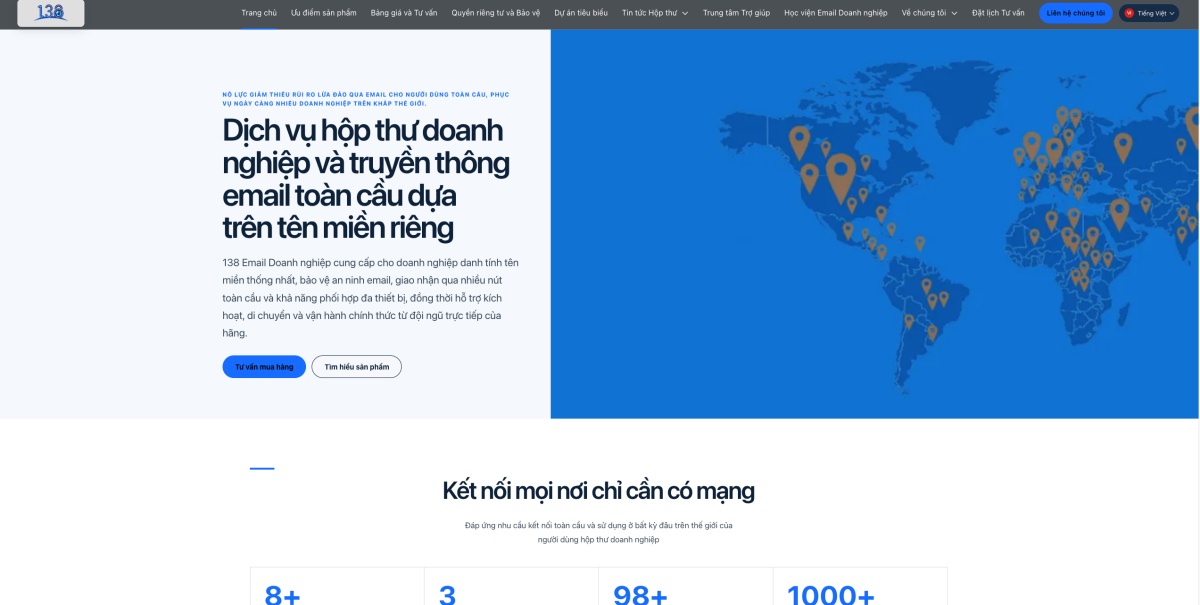
138 Enterprise Email | Vietnamese AI Digital Asset Website Case Study
An AI-driven digital asset website for enterprise email tailored to Vietnamese enterpris...
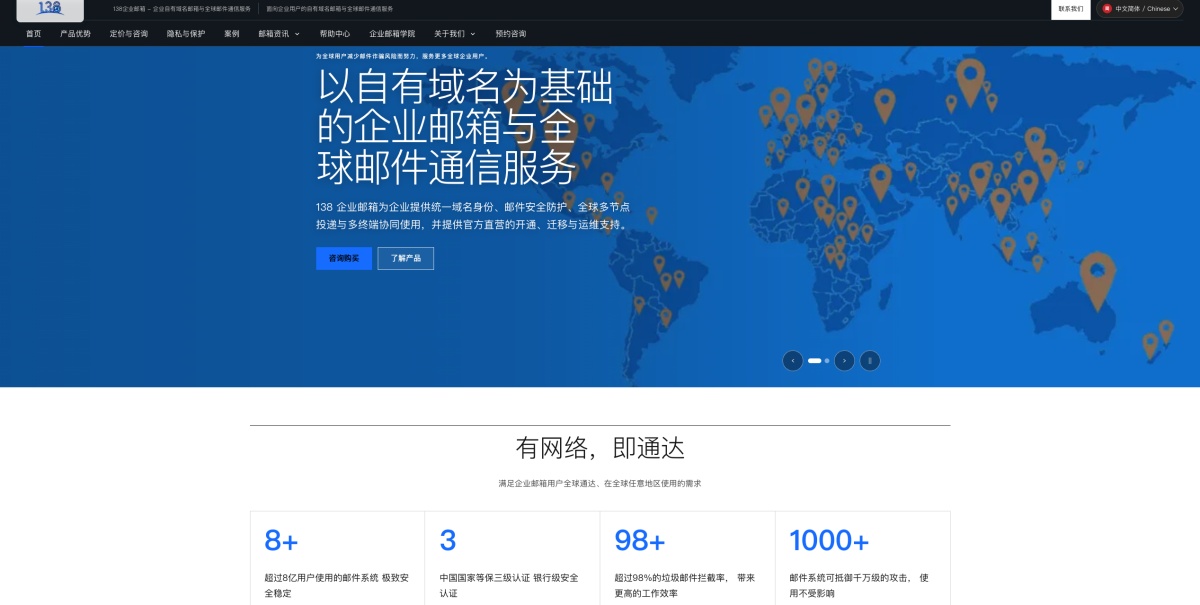
138 Enterprise Email | Chinese AI Digital Asset Website Case Study for Enterprise Services
Developed a Chinese AI digital asset website for an enterprise email service brand. By i...
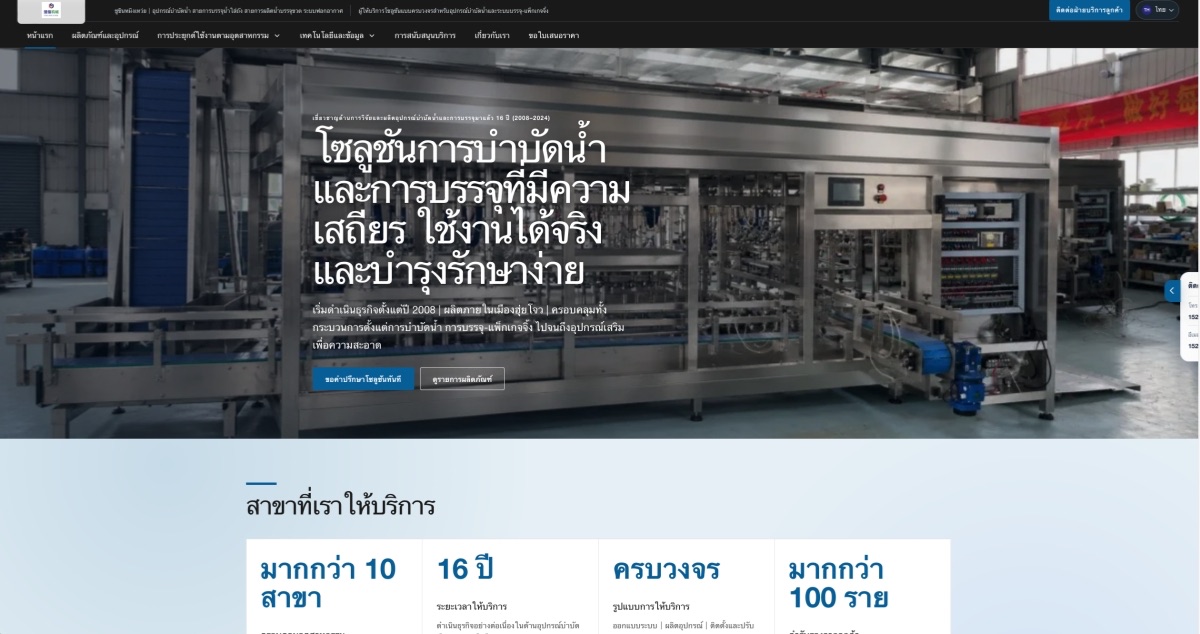
Water Treatment & Filling Equipment Manufacturer | Thai AI Digital Asset Website Case Study
Development of a Thai AI digital asset website for water treatment and filling equipment...