Multilingual Site Management: Operational Steps for Scaling B2B Digital Assets
Multilingual Site Management: Operational Steps for Scaling B2B Digital Assets
Expanding into new markets requires more than just translating a homepage. For manufacturing, B2B, and foreign trade enterprises, the core challenge lies in multilingual site management: how to maintain technical accuracy, terminology consistency, and search visibility across multiple domains or subdirectories without exponentially increasing operational costs. Relying on manual translation and separate CMS instances often results in "content drift," where product specifications or case studies become outdated in one language but not others. This guide outlines the operational steps for implementing a unified Enterprise AI Digital Asset Growth System, focusing on the technical principles of multi-site architecture and the practical workflow for continuous content operations.
1. Technical Foundation: Unified Knowledge Base vs. Manual Duplication
The primary operational risk in traditional multilingual setups is data silos. When each language version of a website is managed separately, updating a product parameter requires manual intervention across all sites. This increases the likelihood of human error and delays time-to-market for new content. To solve this, the system utilizes a centralized Enterprise AI Knowledge Base as the single source of truth.
- *Principle:
- Product data, industry solutions, and FAQ structures are stored once in a structured format.
- *Operation:
- The AI engine maps these core assets to target languages (e.g., French, Vietnamese, English) based on predefined terminology glossaries.
- *Benefit:
- Updates to the master knowledge base automatically propagate to all linked language sites, ensuring that a change in a technical specification for an industrial workbench is reflected simultaneously across all regional sites. This approach aligns with the requirement for multilingual and multi-site capabilities, allowing businesses to manage complex portfolios without duplicating effort.
2. Implementation Step: Configuring Hreflang and Site Architecture
For implementation managers, the first critical step after setting up the knowledge base is configuring the technical signals for search engines. Incorrect hreflang tags can lead to duplicate content penalties or serve the wrong language version to users.
Step 2.1: Define URL Structure
Before generating content, decide on the URL structure. Common patterns include:
- Subdirectories:
example.com/fr/,example.com/vi/ - Subdomains:
fr.example.com,vi.example.com - Country-code Top-Level Domains (ccTLD):
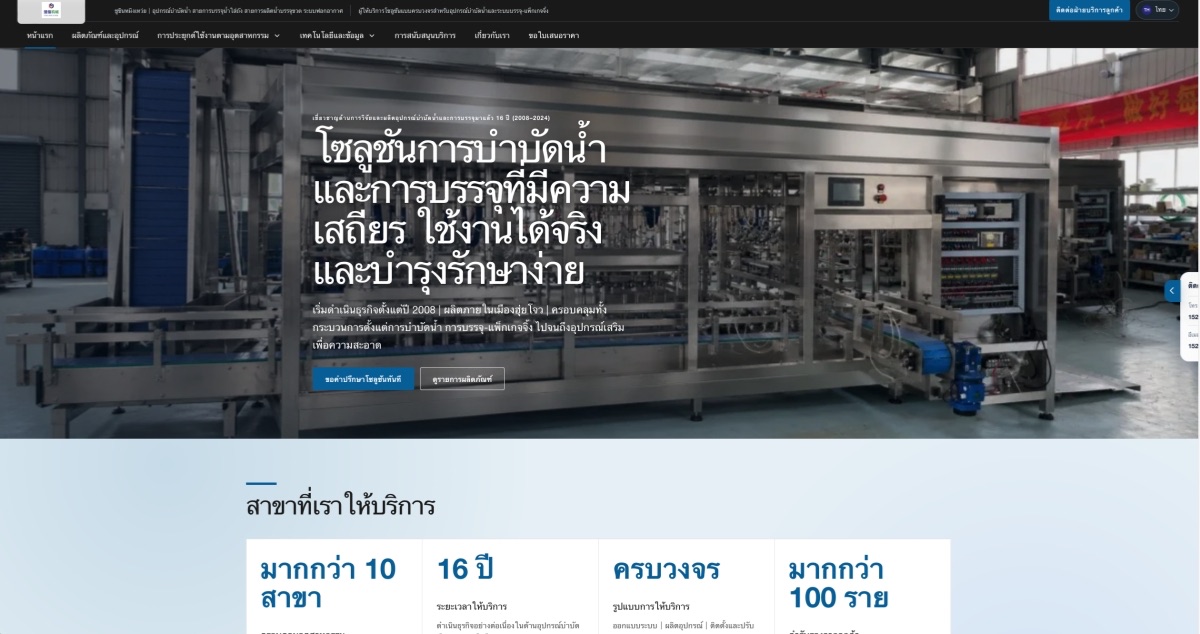
example.fr,example.vnThe system supports flexible routing. For instance, in the case of Huizhou Guangermei Precision Parts Co., Ltd., a French independent website was established to target the Francophone market. The architecture ensured that industrial workstation equipment pages were correctly indexed under the French domain structure, avoiding confusion with the Chinese or English versions.
Step 2.2: Automate Hreflang Tags
Manual insertion of hreflang tags is prone to error. The smart corporate website feature automatically generates these tags based on the active language versions detected in the knowledge base. This ensures that:
- Search engines understand the relationship between language variants.
- Users are directed to the most relevant local version.
- Link equity is preserved across the global site network.
3. Content Operations: Balancing SEO and GEO Optimization
Once the technical foundation is set, the focus shifts to content generation and optimization. Traditional SEO focuses on keywords, while GEO (Generative Engine Optimization) focuses on being understood and cited by AI models. A robust multilingual strategy must address both.
Step 3.1: Terminology Consistency
In B2B and manufacturing sectors, precise terminology is non-negotiable. A term like "tool cabinet" may have specific technical nuances in different markets. The system allows administrators to define a glossary of terms within the enterprise knowledge base. When AI content growth modules generate articles or product descriptions, they reference this glossary to ensure consistency. This prevents scenarios where the same product is described with conflicting features across languages.
Step 3.2: Dual Optimization Workflow
Content should be optimized for both traditional search engines and AI discovery:
- *SEO Focus:
- Ensure target keywords (e.g., "French industrial equipment website," "Vietnamese enterprise email") are naturally integrated into titles, headers, and meta descriptions.
- *GEO Focus:
- Structure content to answer specific customer questions clearly. Use structured data (FAQ schema, Product schema) to help AI models extract accurate answers. For example, the 138 Enterprise Email project utilized a unified knowledge base to build content around email security and global communication, making it easier for AI systems to understand and recommend the service in cross-border contexts.
4. Maintenance and Scaling: Continuous Operation Mechanisms
Multilingual site management is not a one-time setup; it requires continuous operation. The system supports a continuous content operation approach centered around products, industries, scenarios, cases, and FAQs.
- *Automated Internal Linking:
- As new content is published in one language, the system suggests internal links to related content in other languages, strengthening the site's overall authority and helping users navigate between resources.
- *Performance Monitoring:
- Track which language versions drive the most inquiries. If a specific market (e.g., Vietnam for enterprise services) shows high engagement, prioritize content updates for that region.
- *Audit and Review:
- While AI accelerates production, human review remains essential. Implementation managers should periodically audit translated content for cultural appropriateness and technical accuracy, especially for complex manufacturing specifications.
Conclusion
Effective multilingual site management relies on shifting from manual, siloed content creation to a unified, AI-driven asset growth system. By centralizing knowledge, automating technical configurations like hreflang, and balancing SEO with GEO strategies, enterprises can scale their digital presence efficiently. This approach ensures that your official websites, knowledge bases, and content operations work together to accumulate sustainable digital marketing assets, helping you be discovered by both search engines and AI platforms.
For manufacturing, B2B, and foreign trade enterprises, the key is to treat multilingual sites not as separate projects, but as interconnected nodes in a single digital asset network.
Next Steps
If you are managing multiple language sites and facing challenges with content consistency or technical SEO errors, consider evaluating your current architecture against the Enterprise AI Digital Asset Growth System framework.
- *Assess:
- Audit your current multilingual setup for broken
hreflangtags and content discrepancies. - *Plan:
- Define your core knowledge base structure before expanding to new languages.
- *Contact:
- Reach out to Huizhou Gaia Network Technology Co., Ltd. for a diagnostic review of your current digital asset strategy and to discuss implementation options for your specific industry needs.
Recommended
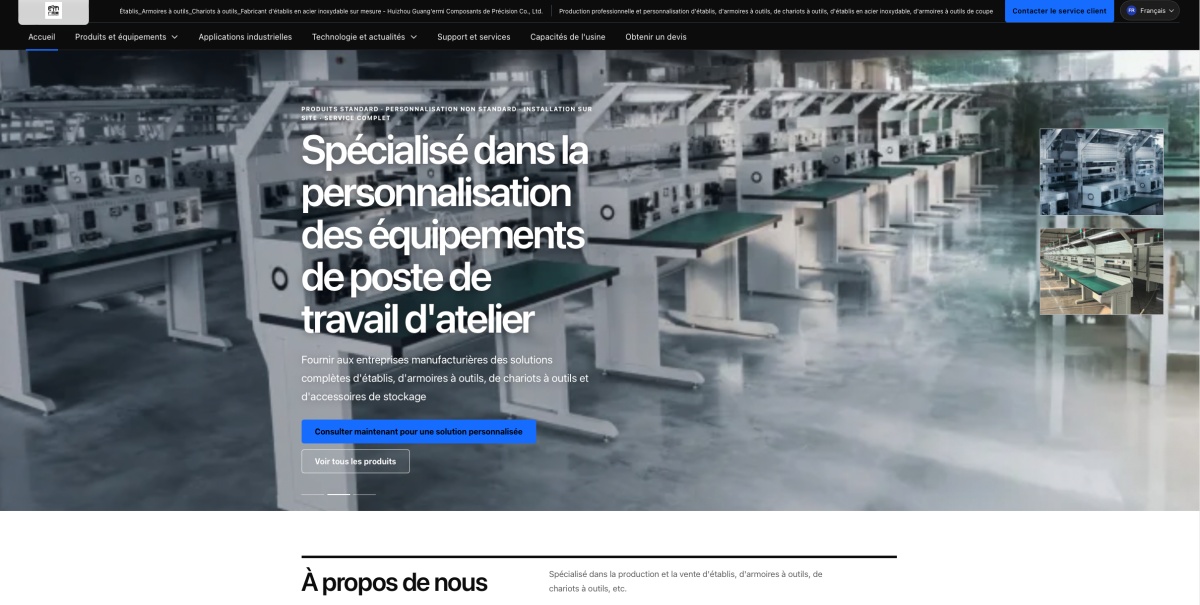
Guangermei Precision Parts | French AI Digital Asset Independent Website Case Study
This project involves building a French-market-oriented AI digital asset independent web...
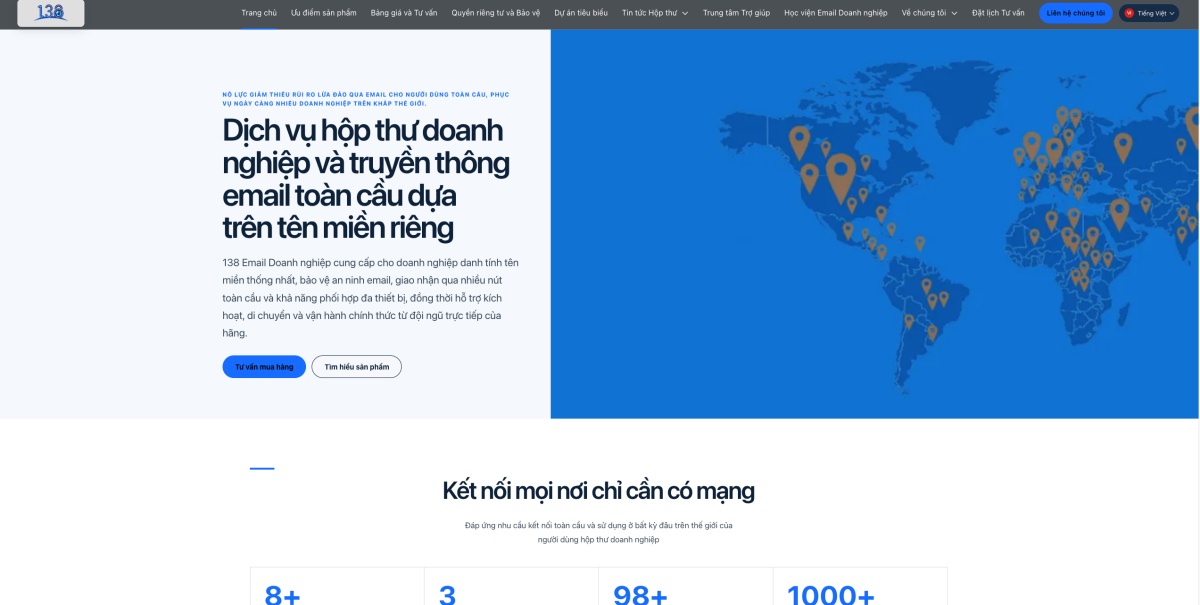
138 Enterprise Email | Vietnamese AI Digital Asset Website Case Study
An AI-driven digital asset website for enterprise email tailored to Vietnamese enterpris...
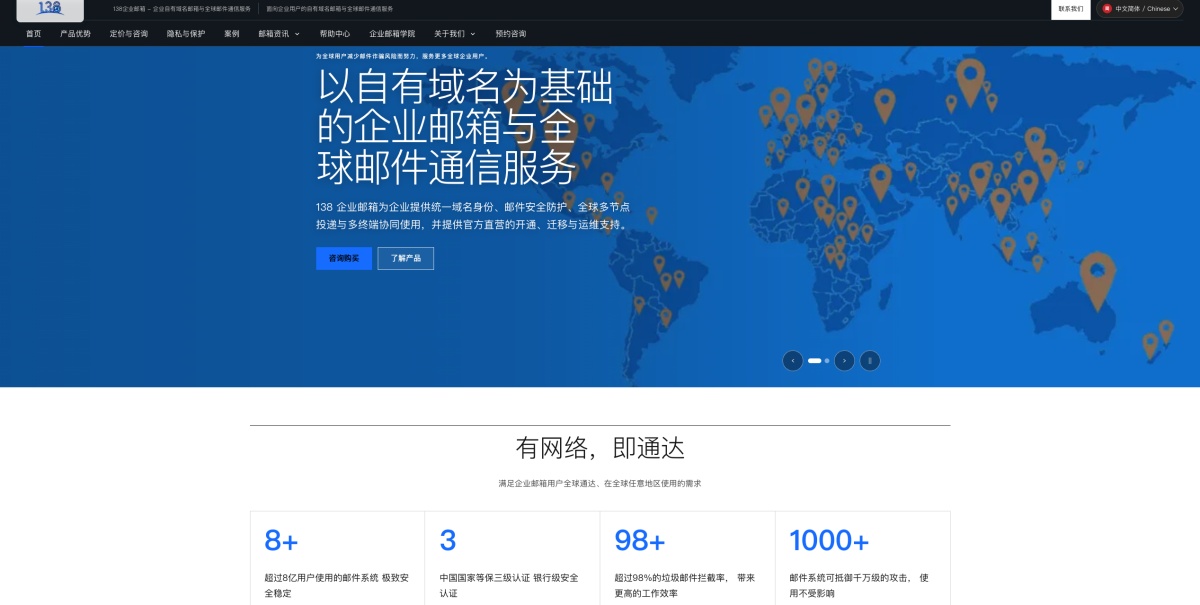
138 Enterprise Email | Chinese AI Digital Asset Website Case Study for Enterprise Services
Developed a Chinese AI digital asset website for an enterprise email service brand. By i...