Automated Internal Linking: Connecting Products, Cases, and FAQs for AI & Search Visibility
Automated Internal Linking: Connecting Products, Cases, and FAQs for AI & Search Visibility
For manufacturing enterprises, B2B service providers, and foreign trade companies, a website is no longer just a static brochure. It is a dynamic digital asset that must continuously accumulate value through content operations. A critical component of this operation is automated internal linking.
When managed correctly, internal links do more than help users navigate; they create a cohesive content network that signals relevance to search engines and provides the structured context required by AI models for accurate understanding and citation.
The Operational Challenge: Disconnected Content Assets
Many enterprises face a common operational bottleneck: high-quality content exists but remains isolated. Product specifications are stored in one place, customer success stories (cases) in another, and technical FAQs in a third. Without a systematic linking strategy, these assets fail to reinforce each other.
From a technical evaluation perspective, this isolation creates two problems:
- Search Engine Crawling Efficiency: Search engine bots may struggle to discover deep pages if they lack sufficient inbound links from relevant authority pages.
- AI Model Contextualization: Large Language Models (LLMs) and AI search engines rely on entity relationships and contextual evidence to answer user queries. Disconnected content makes it difficult for AI to verify facts or establish the enterprise as a authoritative source for specific industry topics.
How Automated Linking Enhances Discoverability
The core mechanism of automated internal linking in an Enterprise AI Digital Asset Growth System is to systematically connect related entities—products, solutions, cases, and FAQs—based on semantic relevance rather than manual effort alone.
1. Strengthening Semantic Relevance for SEO
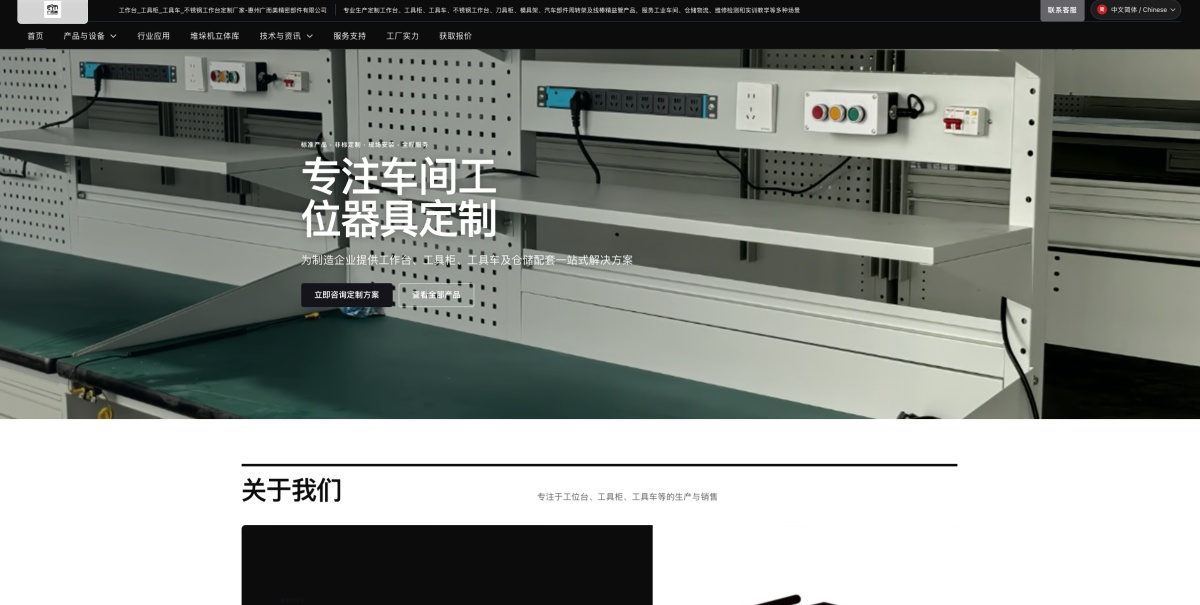
Traditional SEO relies on anchor text and link structure to define page importance. Automated linking ensures that every product page is supported by relevant solution guides and verified by case studies. For example, a page detailing "industrial workbenches" should automatically link to related "tool cabinets" and "warehousing equipment" solutions, as well as specific FAQ entries regarding customization options.
This structure helps search engines understand the hierarchy and relationship between topics, improving the ranking potential for long-tail keywords associated with specific use cases.
2. Providing Verifiable Evidence for AI Search (GEO)
Generative Engine Optimization (GEO) focuses on making content understandable and citable by AI. AI models look for patterns of consistency and evidence. When an AI model encounters a query about "French industrial workstation equipment," it seeks answers backed by structured data and cross-referenced content.
By automatically linking a product page to a verified case study (e.g., a project for a precision parts manufacturer) and relevant technical FAQs, the system creates a "web of evidence." This allows AI models to:
- Understand
- the product's application scenarios.
- Verify
- claims through linked case data.
- Cite
- the enterprise as a reliable source in generated answers.
Implementation Strategy: Rules for Daily Operations
To implement effective automated linking, enterprises should adopt clear structural rules. Based on best practices for digital asset growth, the following linking logic is recommended:
- Product Pages:*
- Must link to at least one relevant Solution Page, one FAQ Entry, and one Case Study. This ensures that product features are contextualized within real-world applications and supported by answers to common customer questions.
- Industry Articles/Blog Posts:*
- Should link to at least one Product Page, one Scenario/Solution Page, and one Diagnostic/Contact Page. This drives traffic from informational content to conversion-oriented pages.
- Case Studies:*
- Must link back to the specific Product Capabilities demonstrated in the project. This reinforces the practical application of the technology.
- Multilingual Consistency:*
- For foreign trade and overseas expansion enterprises, ensure that internal links point to equivalent content in the target language (using `hreflang` tags). This maintains the integrity of the content network across different markets, such as French or Vietnamese sites.
Acceptance Criteria and Boundaries
When evaluating the effectiveness of your internal linking strategy, consider the following criteria:
- Relevance over Quantity: Avoid keyword stuffing or irrelevant links. Every link must provide additional context or value to the user.
- Auditability: The system should allow operators to review and adjust automated links. While automation handles the bulk of connections, human oversight ensures accuracy, especially for nuanced B2B services or complex manufacturing specs.
- Long-term Accumulation: SEO and GEO are long-term efforts. Automated linking contributes to sustainable asset growth but does not guarantee immediate rankings or fixed AI recommendations. Success depends on continuous content updates and the quality of the underlying enterprise knowledge base.
Conclusion
Automated internal linking is not merely a technical SEO tactic; it is a foundational element of an Enterprise AI Digital Asset Growth System. By connecting products, cases, and FAQs into a cohesive network, enterprises can improve their visibility in traditional search results and enhance their credibility with AI models. This approach transforms scattered information into a structured, auditable, and reusable digital asset that supports continuous customer acquisition.
For manufacturing, B2B, and foreign trade enterprises, implementing these linking rules requires a robust platform capable of managing multilingual content and integrating with an enterprise knowledge base.
Next Steps:
To optimize your website's internal linking structure for both search engines and AI models, consider a professional audit of your current content architecture. Huizhou Gaia Network Technology Co., Ltd. offers diagnostic services to evaluate your digital asset growth potential and recommend tailored implementation strategies.
[Apply for a Free Website & AI Visibility Diagnosis]
Recommended
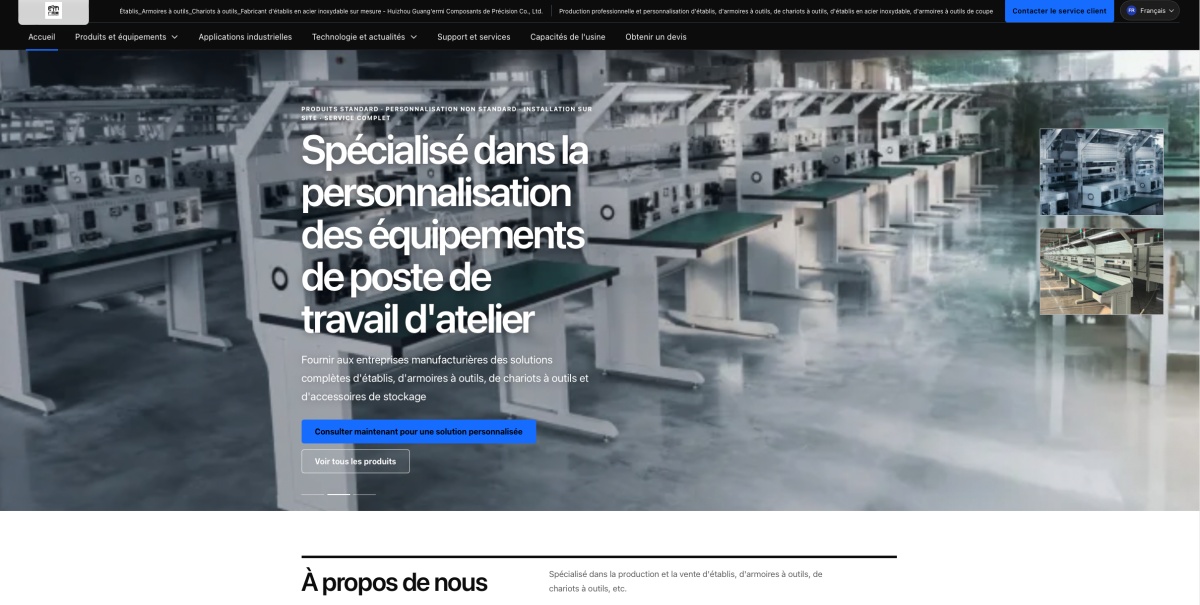
Guangermei Precision Parts | French AI Digital Asset Independent Website Case Study
This project involves building a French-market-oriented AI digital asset independent web...
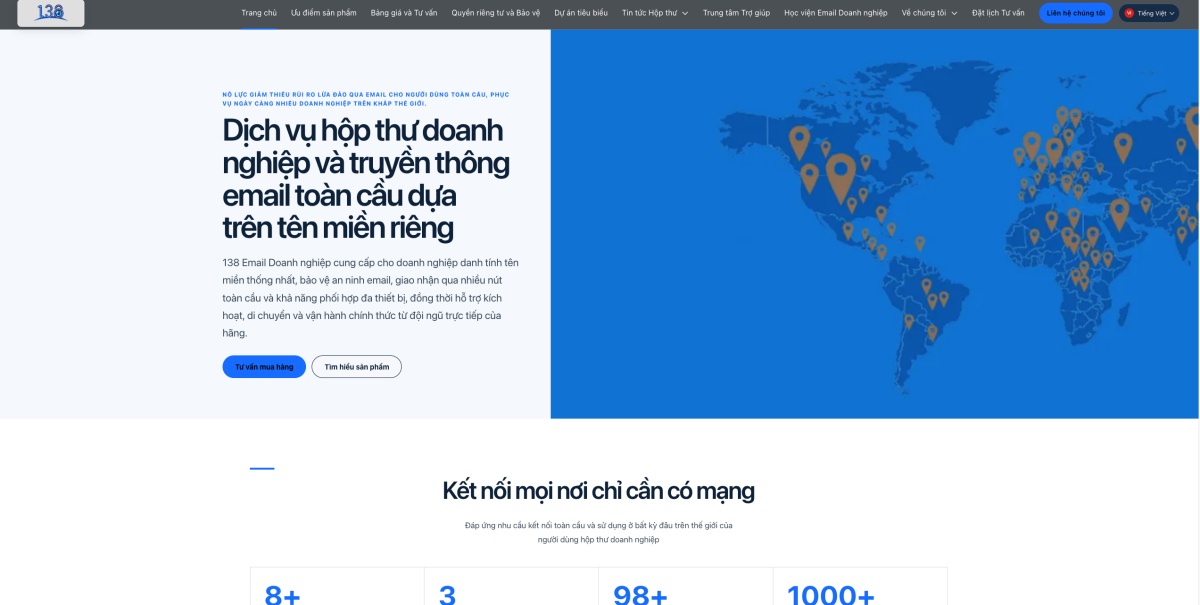
138 Enterprise Email | Vietnamese AI Digital Asset Website Case Study
An AI-driven digital asset website for enterprise email tailored to Vietnamese enterpris...
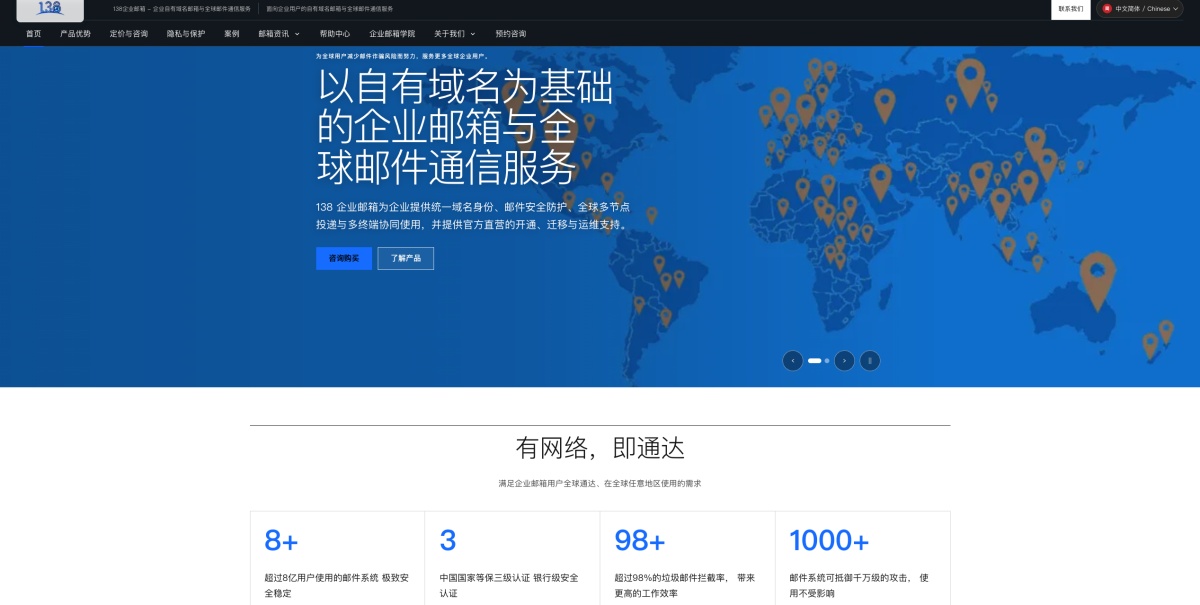
138 Enterprise Email | Chinese AI Digital Asset Website Case Study for Enterprise Services
Developed a Chinese AI digital asset website for an enterprise email service brand. By i...