Managing Multilingual Digital Assets Without Duplicating Operational Effort
Direct Answer
Multilingual site management does not require separate content teams for each language. By anchoring all language versions to a single enterprise AI knowledge base, operations leaders can produce consistent, market-ready pages while keeping editorial effort proportional to growth. The system supports multi-site organization, hreflang configuration, and terminology consistency, allowing manufacturing, B2B, foreign trade, and professional service enterprises to scale language coverage without duplicating workflows.
When This Approach Applies
- You operate or plan to launch two or more language versions for different regions or business lines.
- Product specifications, FAQs, and case materials exist but are scattered across drives, emails, or legacy sites.
- Editorial teams spend more time translating and reconciling versions than creating new, search-relevant content.
- You need to balance traditional search exposure with AI search understanding, citation, and recommendation opportunities.
Implementation Steps for Operations Leaders
1. Consolidate Source Materials into One Knowledge Base
Gather product manuals, technical parameters, application notes, compliance documents, and customer FAQs into the enterprise AI knowledge base. This becomes the single source of truth. All language versions will draw from these verified materials, ensuring that content remains auditable and reusable.
2. Define Language-Specific Content Boundaries
Not every page requires full localization. Identify which assets must be fully adapted (e.g., product pages, industry solutions, procurement FAQs) and which can remain shared or lightly adapted (e.g., corporate overview, technical diagrams). This prevents unnecessary translation workload and keeps multilingual site management focused on high-impact pages.
3. Configure Multi-Site Structure and hreflang
Set up each language or regional site within the multi-site management module. Apply hreflang tags to signal language and regional targeting to search engines. Maintain equivalent content across versions where applicable, and avoid publishing unreviewed machine translation as professional content. Proper hreflang implementation reduces duplicate-content risks and helps both traditional and AI search systems understand page relationships.
4. Generate Drafts with AI, Review with Domain Experts
Use AI content growth to produce first drafts in each target language based on the centralized knowledge base. Route drafts to internal reviewers or regional partners for terminology checks, market-specific phrasing, and compliance validation. This hybrid workflow keeps quality high while significantly reducing manual writing effort.
5. Align Internal Linking Across Languages
Apply consistent internal linking rules: each product page should link to at least one solution page, one FAQ, and one clear call-to-action. Industry articles should reference relevant product capabilities and diagnostic resources. Replicate this structure across language versions so that users and search crawlers encounter a coherent content network, regardless of the language they enter.
6. Establish a Sustainable Update Rhythm
Schedule periodic reviews for product updates, new FAQs, and market-specific insights. Treat SEO and GEO optimization as a long-term growth effort rather than a one-time project. The system does not promise fixed rankings or guaranteed recommendations on specific AI platforms; instead, it focuses on continuous asset accumulation, structured metadata, and consistent terminology that improve discoverability over time.
Operational Boundaries and Risk Controls
- No unverified claims:*
- All published content must trace back to approved enterprise materials. Avoid promising fixed search positions, guaranteed customer acquisition, or unverified certifications.
- Translation quality gate:*
- Machine-generated drafts must pass human review before publication, especially for technical specifications, compliance statements, and procurement guidance.
- Scope flexibility:*
- Service boundaries, content quotas, number of languages, and delivery cycles are defined in the final contract. Reference packages exist for communication, but exact configurations depend on your site count, data migration needs, and operational depth.
- Multi-brand and group scenarios:*
- The same knowledge base can serve multiple brands or regional sites, reducing duplicate construction and content inconsistency across business units.
How This Differs from Traditional Multilingual Builds
Conventional approaches often treat each language site as a separate project, leading to fragmented updates and rising maintenance costs. The Enterprise AI Digital Asset Growth System connects official websites, knowledge bases, content production, SEO/GEO, and operational mechanisms into a single loop. Content is created once at the source, adapted per market, and continuously optimized for both traditional search and AI search understanding. This structure supports manufacturing, B2B, foreign trade, and professional service enterprises that need reliable, scalable multilingual operations without expanding headcount proportionally.
Next Steps
If your team is preparing to scale language coverage or consolidate existing multilingual sites, start by auditing current materials and identifying high-priority pages for localization. We can help you map your knowledge structure, configure multi-site and hreflang settings, and establish a sustainable AI-assisted editorial workflow.
Request a site and AI visibility diagnosis, or schedule a demo to see how the Enterprise AI Digital Asset Growth System supports multilingual site management without duplicating operational effort.
Recommended
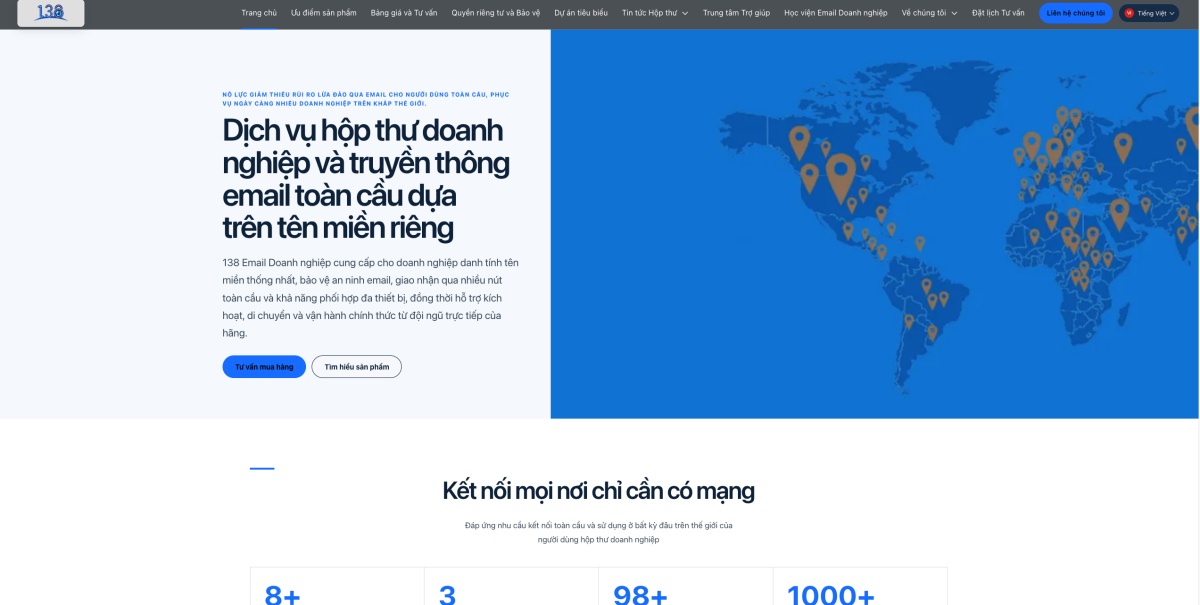
138 Enterprise Email | Vietnamese AI Digital Asset Website Case Study
An AI-driven digital asset website for enterprise email tailored to Vietnamese enterpris...
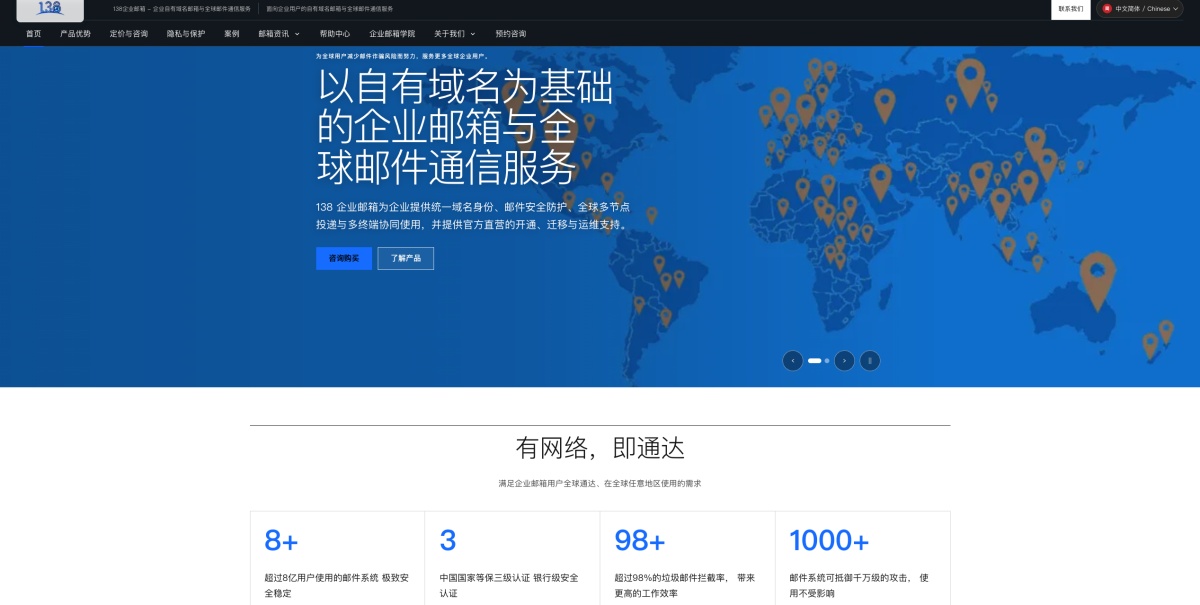
138 Enterprise Email | Chinese AI Digital Asset Website Case Study for Enterprise Services
Developed a Chinese AI digital asset website for an enterprise email service brand. By i...
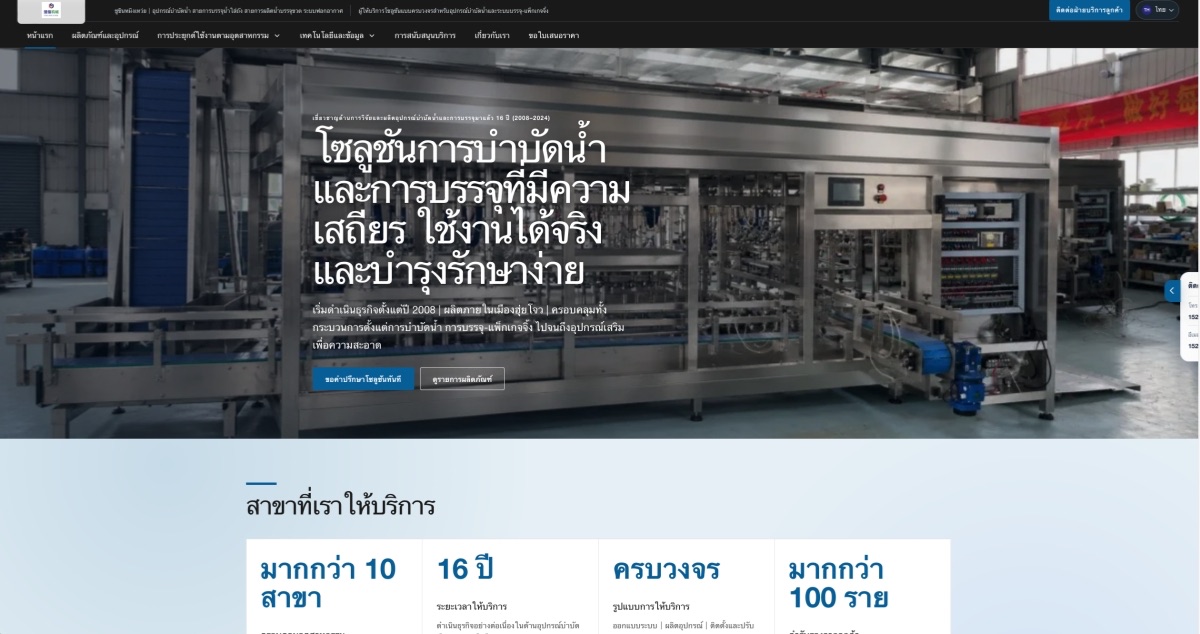
Water Treatment & Filling Equipment Manufacturer | Thai AI Digital Asset Website Case Study
Development of a Thai AI digital asset website for water treatment and filling equipment...