Maintaining Terminology and Brand Consistency Across Multilingual Sites Without Manual Duplication
The Real Cost of Inconsistent Multilingual Content
When a manufacturing or B2B enterprise expands into French, Vietnamese, or other language markets, the first symptom of scaling pain is rarely traffic. It is terminology drift: the same product described differently across languages, outdated specs lingering on one site while another is updated, and marketing teams duplicating effort to keep pages aligned. For operations and IT managers responsible for website maintenance, this fragmentation increases review cycles, raises compliance risks, and weakens how both traditional search engines and AI platforms understand the business.
The core issue is not translation quality alone. It is the absence of a single source of truth that connects product data, industry scenarios, FAQs, and brand guidelines across all language versions. Without that foundation, every new market addition multiplies operational overhead.
A Unified Knowledge Base as the Source of Truth
The Enterprise AI Digital Asset Growth System provided by Huizhou Gaia Network Technology Co., Ltd. addresses this by centering multilingual operations around an enterprise AI knowledge base. Instead of managing separate content silos per language, teams consolidate authentic enterprise materials, product specifications, application scenarios, and verified FAQs into one structured repository. Content is then reused, adapted, and published across multilingual and multi-site configurations.
This approach ensures that:
- Terminology, technical parameters, and brand voice originate from auditable enterprise materials.
- Updates to a product page or FAQ propagate logically to all language versions, reducing manual synchronization.
- Content remains reusable for manufacturing, B2B, foreign trade, and professional service enterprises that require long-term customer acquisition via official websites.
As documented in our service framework, multilingual and multi-site capabilities are designed specifically for export, group, or multi-brand operations where content and templates must be reusable and configurations manageable. This eliminates the need to rebuild content structures for each new market.
Implementing hreflang and Equivalent Content Structures
Search visibility across languages depends on correct technical signaling. Our internal linking and site architecture guidelines specify that multilingual pages must maintain equivalent content and be configured with hreflang tags. This is not optional for teams targeting regional search exposure and AI search understanding.
For operations managers, this means:
- Each language version should cover the same core entities: products, solutions, cases, and FAQs.
- hreflang annotations must map accurately between equivalent pages, preventing search engines from treating translations as duplicate or unrelated content.
- Internal links should connect product pages to at least one solution, one FAQ, and one clear call-to-action, maintaining structural parity across languages.
When hreflang and content equivalence are implemented correctly, enterprises improve both traditional keyword visibility and the likelihood that AI search systems can accurately cite and recommend their content. SEO and GEO optimization work together here: they share the same foundation of high-quality websites, authentic enterprise information, continuous updates, and clear content structures.

AI-Assisted Translation with Human Review: A Sustainable Workflow
Scaling multilingual content manually is unsustainable. Relying entirely on automated translation, however, introduces accuracy and brand risks. The operational balance lies in AI-assisted content production combined with structured human review.
Within the Enterprise AI Digital Asset Growth System, AI content growth modules help generate initial drafts, adapt terminology, and suggest internal links based on the knowledge base. Human reviewers then validate technical accuracy, compliance, and brand tone before publication. This workflow supports continuous content operations centered around products, industries, scenarios, cases, and FAQs, without promising fixed rankings or guaranteed AI platform recommendations.
Key operational safeguards include:
- Restricting AI generation to verified enterprise materials to prevent fabricated specifications or claims.
- Maintaining a review checkpoint for technical parameters, industry terminology, and market-specific compliance.
- Tracking content usage, rights, and execution metrics to form a traceable, long-term operation loop.
This model is particularly relevant for enterprises that have relied on advertising or third-party platforms and now need to accumulate customer assets on their own multilingual websites. It also addresses teams that want to adopt AI marketing but lack a structured foundation, enabling a phased start by importing materials and completing auditable assets before scaling output.
Buyer Decision Checklist for Multilingual Content Operations
For IT and operations leaders evaluating multilingual website management, use this checklist to align expectations and reduce implementation risk.
Must-Haves
- A unified enterprise knowledge base that stores authentic materials, product data, and FAQs as the single source of truth.
- hreflang implementation
- and equivalent content structures across all language versions.
- AI-assisted content workflows with mandatory human review checkpoints.
- Clear internal linking rules connecting products, solutions, FAQs, and conversion paths.
Optional but Valuable
- Multi-site management dashboards for group or multi-brand operations.
- Automated internal linking suggestions based on knowledge base relationships.
- Content performance tracking aligned with SEO and GEO optimization metrics.
Risks and Boundaries
- SEO and GEO optimization are long-term growth efforts influenced by market competition and platform algorithms; fixed rankings or guaranteed AI recommendations cannot be promised.
- Specific service boundaries, content quotas, number of languages, and delivery cycles are subject to the final contract.
- Enterprises with highly regulated product claims or technical certifications should ensure all multilingual outputs pass compliance review before publication.
Long-Term Support
- Continuous content operations require periodic knowledge base updates, performance reviews, and content priority adjustments based on search behavior and customer feedback.
- The system supports ongoing AI content growth, basic SEO and GEO optimization, and multilingual multi-site management
- as part of a sustainable digital asset accumulation strategy.
Next Steps for Operations and IT Teams
If your enterprise is managing or planning multilingual websites for manufacturing, B2B, or export markets, consistency should be treated as an operational architecture problem, not a translation task. Start by consolidating authentic enterprise materials into a structured knowledge base, enforce hreflang and content equivalence across languages, and implement AI-assisted workflows with clear human review boundaries.
Huizhou Gaia Network Technology Co., Ltd. provides the Enterprise AI Digital Asset Growth System to help teams transition from fragmented, manual updates to a sustainable, auditable content operation model. Specific package configurations, language coverage, and delivery timelines are determined during project scoping and finalized in the contract.
To evaluate how your current multilingual setup aligns with these operational standards, request a website and AI visibility diagnosis or schedule a system demonstration. Our team will review your existing content structure, identify terminology and hreflang gaps, and outline a phased implementation plan tailored to your market expansion goals.
Recommended
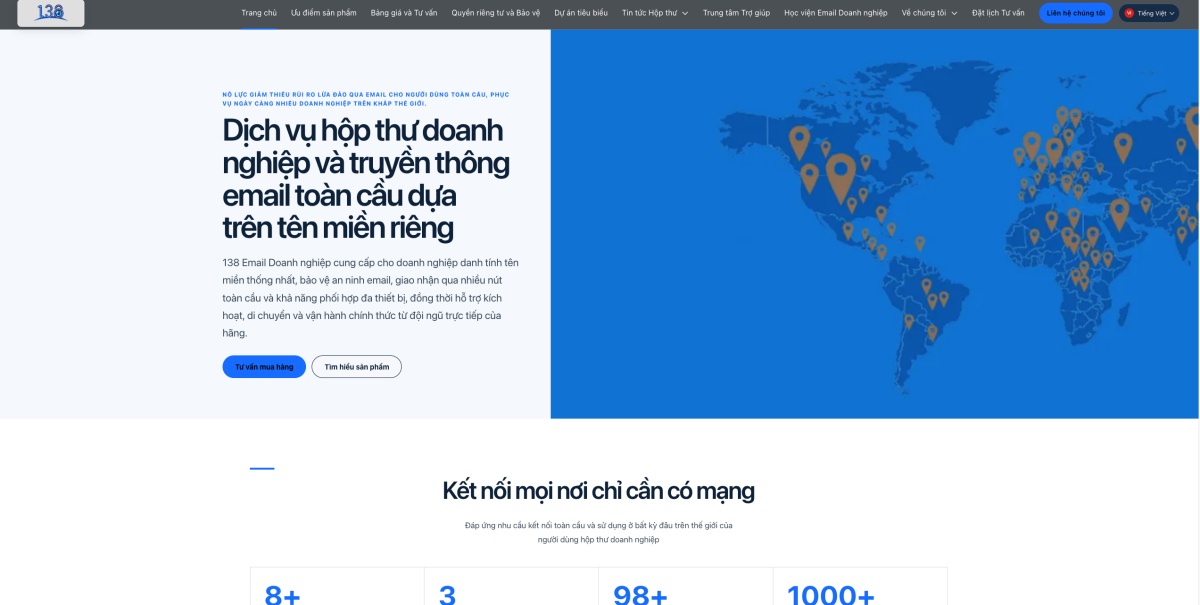
138 Enterprise Email | Vietnamese AI Digital Asset Website Case Study
An AI-driven digital asset website for enterprise email tailored to Vietnamese enterpris...
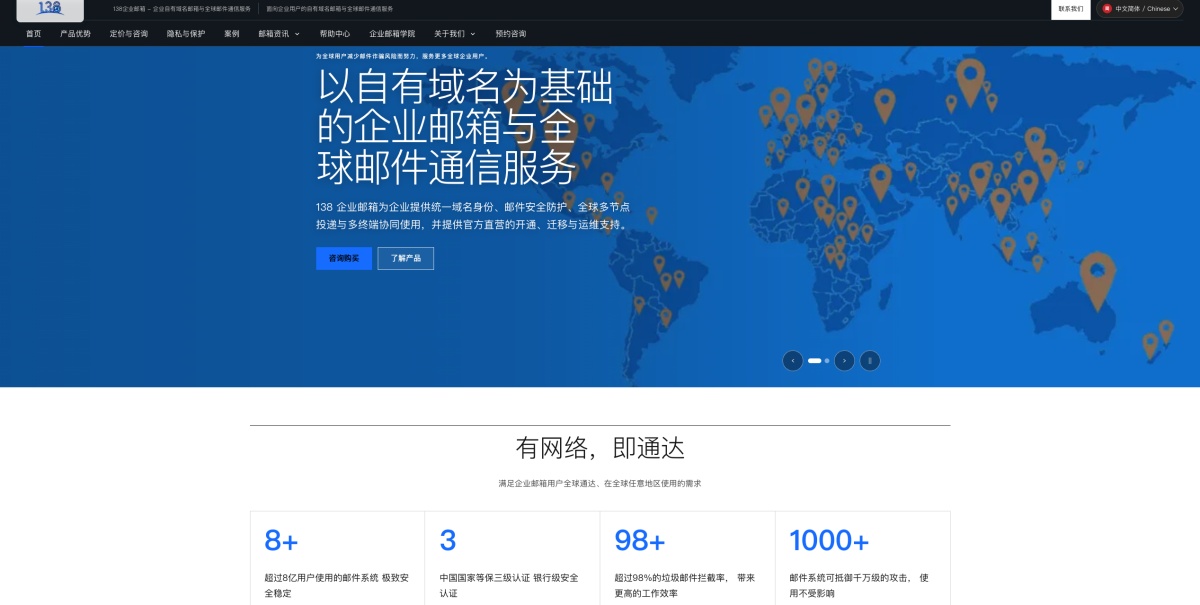
138 Enterprise Email | Chinese AI Digital Asset Website Case Study for Enterprise Services
Developed a Chinese AI digital asset website for an enterprise email service brand. By i...
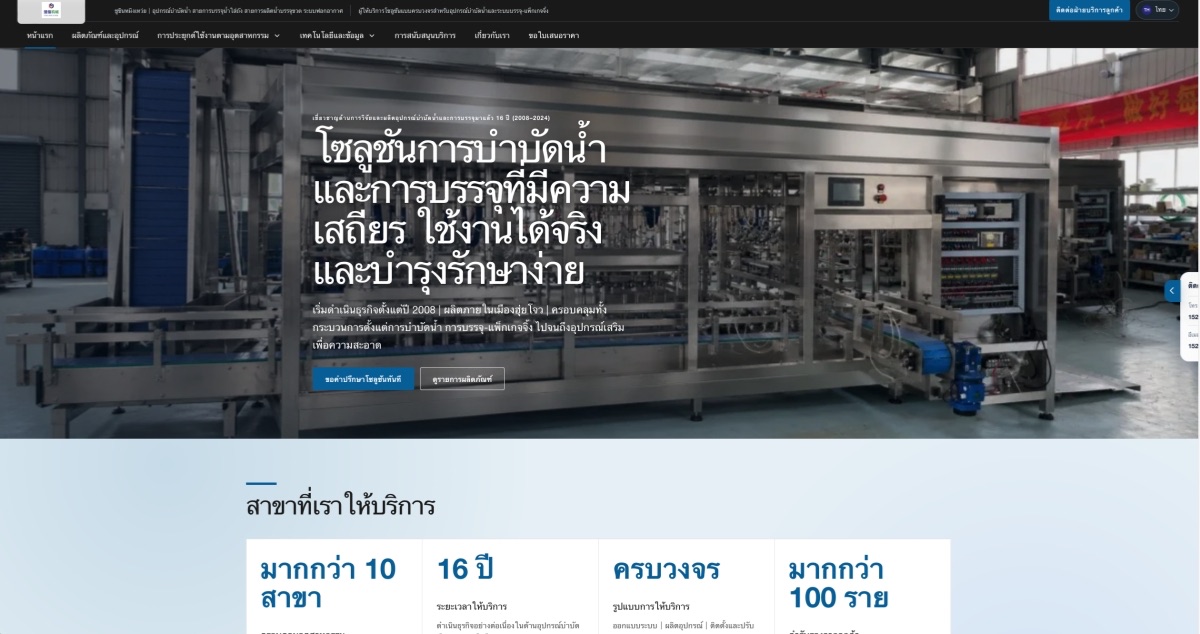
Water Treatment & Filling Equipment Manufacturer | Thai AI Digital Asset Website Case Study
Development of a Thai AI digital asset website for water treatment and filling equipment...