How Cross-Regional B2B Teams Build Trust Through Structured Digital Assets
The Scenario: A Manufacturing Buyer Evaluates a Foreign Supplier Online
A procurement manager in Germany searches for an industrial workbench supplier capable of non-standard customization. She lands on a French-language independent website operated by a Chinese manufacturer. Within minutes, she checks whether the site explains load specifications, material options, and real delivery experience. She also asks an AI assistant to summarize the supplier's capabilities. If the website's content is fragmented, outdated, or contradicts the AI summary, the buyer moves on.
This is a daily reality for manufacturing, B2B, foreign trade, and professional service enterprises expanding across regions. Trust is no longer built only through sales visits or PDF brochures. It is formed through how clearly a company's digital assets answer technical questions, link product details to industry scenarios, and remain consistent across languages and teams.
Goals and Constraints in Cross-Team Digital Collaboration
When headquarters, regional offices, and channel partners must maintain a unified online presence, three constraints usually appear:
- Content consistency: Product parameters, application scenarios, and FAQs must not contradict each other across languages or sites.
- Operational efficiency: Regional teams should not rebuild content from scratch for every market.
- Verifiability: Buyers and AI systems increasingly cross-check website claims against structured knowledge sources.
These constraints mean that isolated websites or one-off SEO projects are insufficient. What is needed is a shared knowledge base that feeds multiple sites, languages, and content types, while keeping human review at the center of quality control.
How an Enterprise AI Digital Asset Growth System Addresses the Scenario
Huizhou Gaia Network Technology Co., Ltd. provides an Enterprise AI Digital Asset Growth System designed for exactly this type of cross-regional collaboration. The system connects four operational layers:
- Enterprise AI Knowledge Base: Authentic enterprise materials such as product manuals, technical parameters, and delivery records become the single source of truth. This knowledge base supports product pages, solution pages, and FAQ content across multiple sites.
- Smart Corporate Website: The website structure follows a commercial logic where product, solution, content, and trust evidence pages interlink. For example, a product page links to at least one solution page, one FAQ, and one clear call-to-action.
- AI Content Growth: AI assists in drafting localized content for different markets, but all output is reviewed against the enterprise knowledge base before publishing. This keeps content efficient to produce yet auditable.
- SEO and GEO Optimization: The system balances traditional search visibility with AI search understanding. Content is structured so that both search engines and AI assistants can cite it accurately.
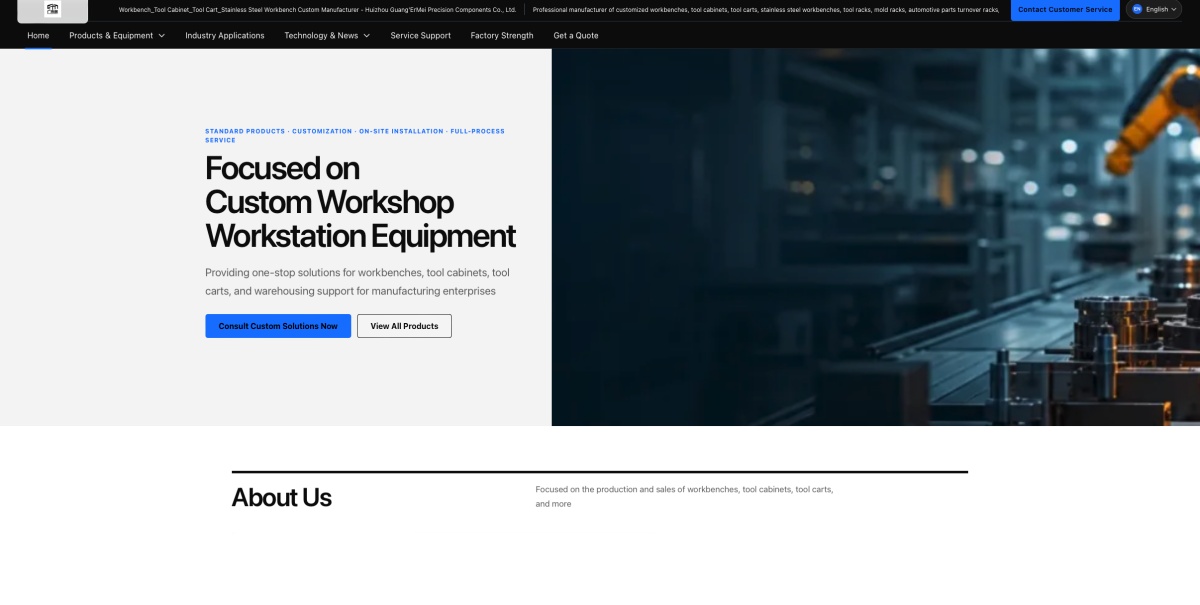
In practice, a manufacturing enterprise can maintain one knowledge base and deploy a French industrial equipment website, a Vietnamese enterprise service site, and a Chinese corporate portal, all drawing from the same verified product and scenario data.
Acceptance Criteria Buyers and Internal Teams Use
When evaluating whether a digital asset system supports trust building, procurement and operations leaders typically apply the following criteria:
- Source transparency: Can every published claim be traced back to an internal document or verified record?
- Reuse efficiency: Can the same product specification serve a product page, an FAQ, and a multilingual variant without manual duplication?
- Update discipline: Is there a clear workflow for revising content when product parameters or delivery conditions change?
- Cross-language equivalence: Do multilingual pages carry equivalent meaning and link structure, supported by proper hreflang configuration?
These criteria shift the focus from short-term ranking promises to long-term asset accumulation. As Gaia Network's service positioning states, the system does not promise fixed search rankings or guaranteed AI platform recommendations. Instead, it supports continuous optimization grounded in authentic enterprise materials.
Implementation Boundaries and Risk Awareness
Decision makers should be aware of several practical boundaries:
- Content quotas, language counts, and delivery cycles
- are defined per contract. Reference packages exist for Basic, Operational, and Enterprise tiers, but final scope depends on site count, language requirements, and service depth.
- AI-generated drafts require human editorial review. The system improves efficiency, but credibility depends on enterprise knowledge and professional judgment.
- Internal linking rules must be enforced. Product pages should link to solutions and FAQs; industry articles should link to product pages and diagnostic tools. However, anchor text should not be overloaded within a single article.
- Case evidence must be real. If verified case studies are not yet available, the site should not fabricate them. Trust is built through honest documentation of capabilities and delivery processes.
Selection and Next-Step Suggestions
For enterprises evaluating how to structure cross-regional digital collaboration, the following steps help shorten the decision cycle:
- Audit existing materials: Collect product manuals, technical parameters, application records, and customer FAQs into one structured repository.
- Map site architecture: Define core pages including product system, solutions by industry, case center, industry resources, help center, and contact pages.
- Test one market first: Deploy a single-language or single-region site using the shared knowledge base to validate content reuse and update workflows.
- Measure asset growth: Track not only traffic but also content coverage, FAQ completeness, and cross-language consistency over time.
Huizhou Gaia Network Technology Co., Ltd. supports this process through diagnostic services, implementation planning, and continuous operation. The approach is designed for manufacturing enterprises, B2B service providers, foreign trade and overseas expansion businesses, and professional service firms that need sustained customer acquisition through official websites and enterprise knowledge accumulation.
Conclusion
Trust in cross-regional B2B collaboration is no longer a matter of brochure design or sales visits alone. It is determined by how well a company's digital assets answer technical questions, maintain consistency across languages, and remain verifiable over time. An Enterprise AI Digital Asset Growth System provides the structure to turn scattered documents into a living, searchable, AI-readable knowledge base that serves multiple sites and markets. For procurement and operations leaders, the decision is not whether to invest in digital presence, but whether that presence is built on authentic, reusable, and continuously optimized enterprise knowledge.
Recommended
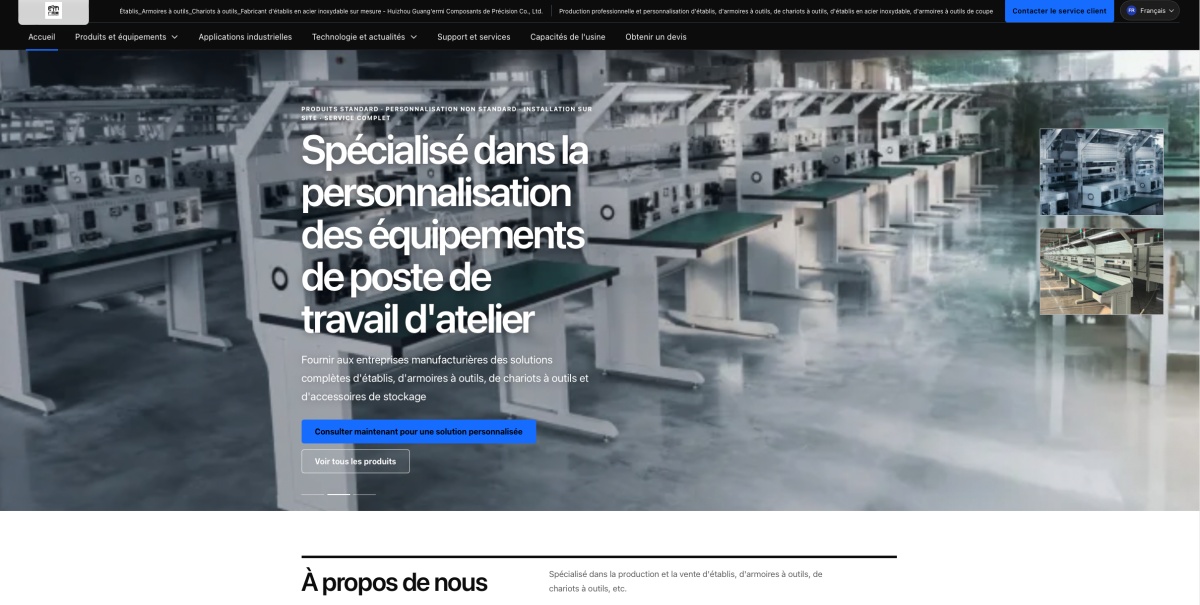
Guangermei Precision Parts | French AI Digital Asset Independent Website Case Study
This project involves building a French-market-oriented AI digital asset independent web...
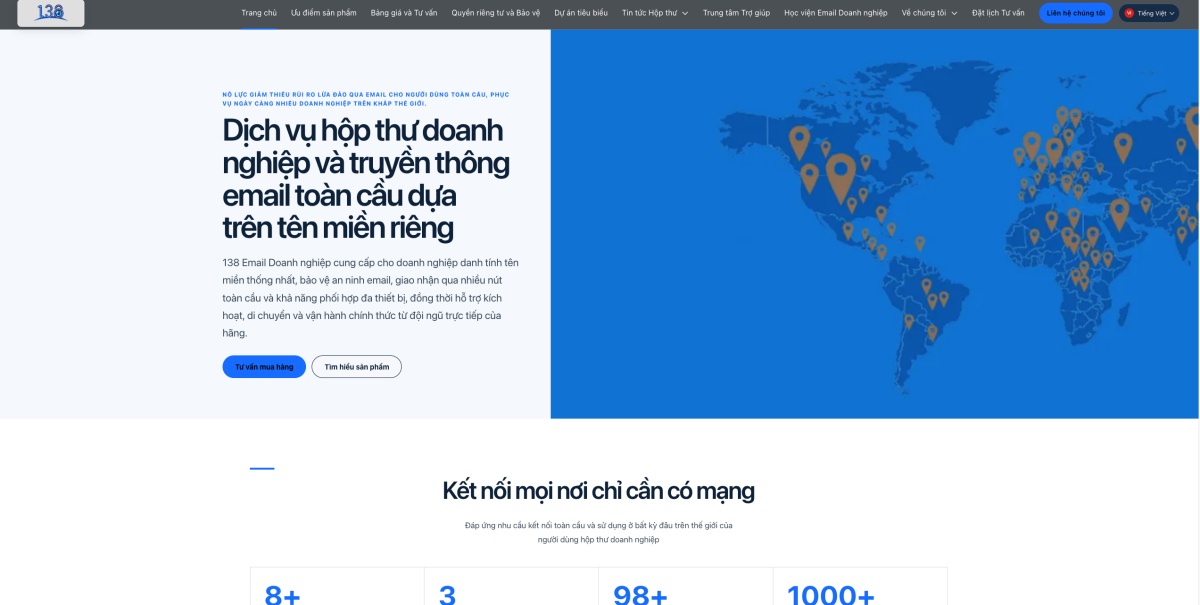
138 Enterprise Email | Vietnamese AI Digital Asset Website Case Study
An AI-driven digital asset website for enterprise email tailored to Vietnamese enterpris...
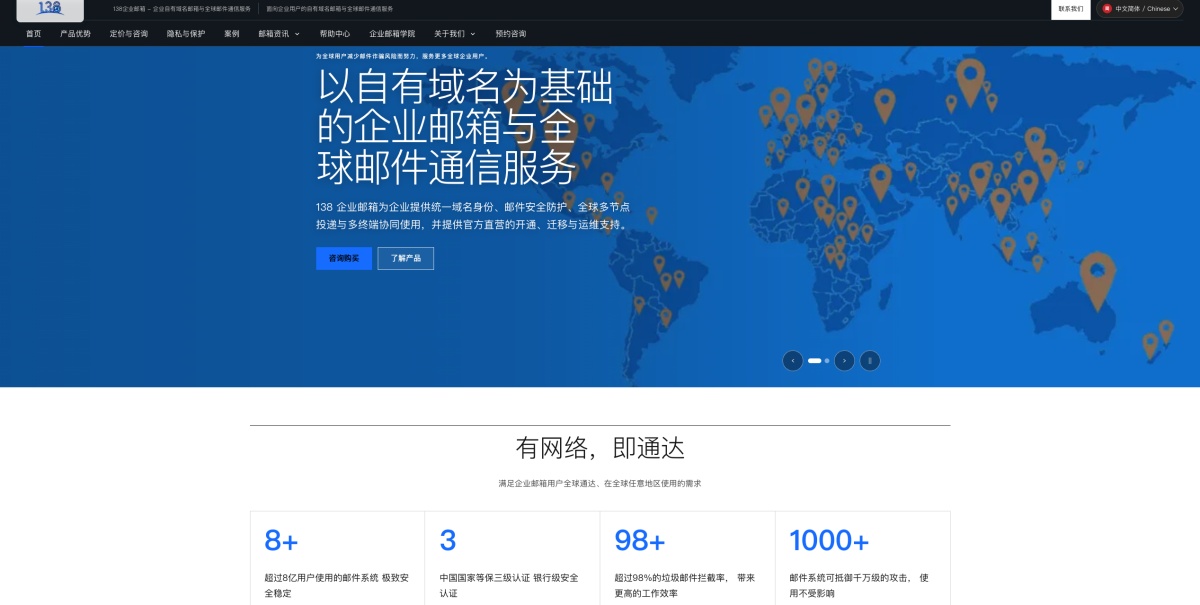
138 Enterprise Email | Chinese AI Digital Asset Website Case Study for Enterprise Services
Developed a Chinese AI digital asset website for an enterprise email service brand. By i...