How Automated Internal Linking Builds a Cohesive Content Network for Daily Website Operations
What Is Automated Internal Linking and Why Does It Matter for Daily Operations?
For website operators managing manufacturing, B2B, foreign trade, or professional service sites, one recurring challenge is keeping content interconnected as the site grows. New product pages, industry articles, FAQs, and case studies are added regularly, but without a consistent linking structure, much of this content remains isolated. Automated internal linking solves this by using a predefined internal link library and matching rules to connect related pages automatically, reducing manual effort while maintaining structural consistency.
Unlike one-time SEO setup, internal linking is a continuous operational task. Every new article or product update requires relevant connections to existing content. When done manually at scale, this becomes time-consuming and error-prone. An automated system ensures that each piece of content is linked according to predefined business logic, supporting both traditional search discovery and AI-based understanding.
How the Internal Link Library Works in Practice
The foundation of automated internal linking is a structured internal link library that maps key pages to their recommended anchor texts and target URLs. Based on Huizhou Gaia Network Technology's Enterprise AI Digital Asset Growth System, the link library typically includes the following core mappings:
- Product pages
- such as the Enterprise AI Knowledge Base, AI Content Growth, and SEO/GEO Optimization are linked from relevant industry articles and solution pages.
- Solution pages
- like the Manufacturing Website Growth Plan and Foreign Trade Independent Site Growth Plan are linked from product overviews and case studies.
- Diagnostic and contact pages
- such as the Website/AI Visibility Diagnostic are linked from blog posts and FAQ content to guide users toward the next step.
When an operator publishes a new industry article, the system automatically identifies relevant product and solution pages based on topic alignment and inserts contextual links. For example, an article about AI marketing trends would naturally link to the AI Content Growth product page and the SEO/GEO Optimization page, without requiring the operator to manually search for and insert each link.
Internal Linking Rules That Support Both SEO and GEO
Automated internal linking is not just about increasing link count. The system follows specific rules designed to support both search engine optimization and generative engine optimization:
- Product pages must link to at least one solution page, one FAQ, and one CTA. This ensures that visitors landing on a product page can quickly find relevant use cases, answers to common questions, and a clear next step.
- Industry articles must link to at least one product page, one scenario page, and one diagnostic page. This creates a content loop where informational content guides readers toward actionable resources.
- Case study pages must link to the corresponding product capabilities. This provides verifiable evidence of how specific system modules were applied in real implementations.
- Anchor text should not be overloaded within a single article. The system avoids repetitive or excessive linking, which can reduce readability and trigger search quality filters.
- Multilingual pages must maintain equivalent content structure and configure hreflang tags. This ensures that internal linking logic works consistently across language versions of the site.
These rules are applied automatically during content publishing, but operators retain full control to review, adjust, or override links before final publication.
Real Operational Scenarios Where Automated Linking Adds Value
Scenario 1: Publishing a New Product Update
When a manufacturing enterprise updates its product specifications or adds a new model, the operator creates a product page. The automated system immediately links this page to the relevant Manufacturing Website Growth Plan solution page and to related FAQ entries. At the same time, existing industry articles that mention similar product categories are updated with new links pointing to the updated product page. This ensures that the new content is immediately integrated into the site's content network.
Scenario 2: Expanding into a New Language Market
A foreign trade enterprise launching a French-language version of its site needs to ensure that the new content maintains the same structural logic as the original. The automated linking system applies the same rules across language versions, linking product pages to solution pages, articles to diagnostic pages, and case studies to product capabilities. The operator does not need to rebuild the linking structure from scratch for each language.
Scenario 3: Continuous Content Growth Through AI-Assisted Drafting
Operators using the AI Content Growth module generate draft articles based on enterprise knowledge base materials. Before publication, the automated system scans the draft and suggests internal links based on the link library. The operator reviews these suggestions, confirms relevance, and publishes. This workflow reduces the time spent on manual linking while ensuring that every article contributes to the site's overall content cohesion.
Implementation Boundaries and What the System Does Not Do
Automated internal linking is a structural support tool, not a replacement for content strategy. The system does not:
- Generate content topics or decide publishing priorities.*
- These decisions remain with the operator and are based on business goals, customer inquiries, and search performance data.
- Guarantee specific search rankings or AI platform recommendations.*
- As stated in the Enterprise AI Digital Asset Growth System documentation, SEO and GEO are long-term growth efforts influenced by market conditions, competition, and platform algorithms.
- Replace human editorial judgment.*
- While the system suggests links automatically, operators must review and approve them to ensure contextual accuracy and brand consistency.
The system's value lies in reducing repetitive operational work, maintaining structural consistency across large content libraries, and ensuring that new content is immediately integrated into the site's information architecture.
Selection and Application Recommendations for Operators
When evaluating automated internal linking capabilities, operators should consider the following:
- Does the system support customizable link libraries?*
- Different enterprises have different content structures. The ability to define custom mappings between content types and target pages is essential.
- Are linking rules transparent and adjustable?*
- Operators should be able to see which rules are applied and modify them based on changing business needs.
- Does the system support multilingual and multi-site environments?*
- For enterprises operating across multiple markets, consistent linking logic across language versions is critical.
- Is there a review workflow before publication?*
- Automated suggestions should always be subject to human review to maintain quality control.
Huizhou Gaia Network Technology's Enterprise AI Digital Asset Growth System includes automated internal linking as part of its AI Content Growth and Smart Corporate Website modules. The system is designed for manufacturing, B2B, foreign trade, and professional service enterprises that need to maintain large, multilingual content libraries while ensuring structural consistency and search visibility.
Next Steps
If your enterprise is managing a growing website with multiple product lines, language versions, or content types, and you find that internal linking has become a bottleneck in your daily operations, it may be time to evaluate an automated approach. Huizhou Gaia Network Technology offers a free Website/AI Visibility Diagnostic to help you assess your current content structure and identify opportunities for improvement.
Contact our team to schedule a diagnostic or request a demonstration of the Enterprise AI Digital Asset Growth System.
Recommended
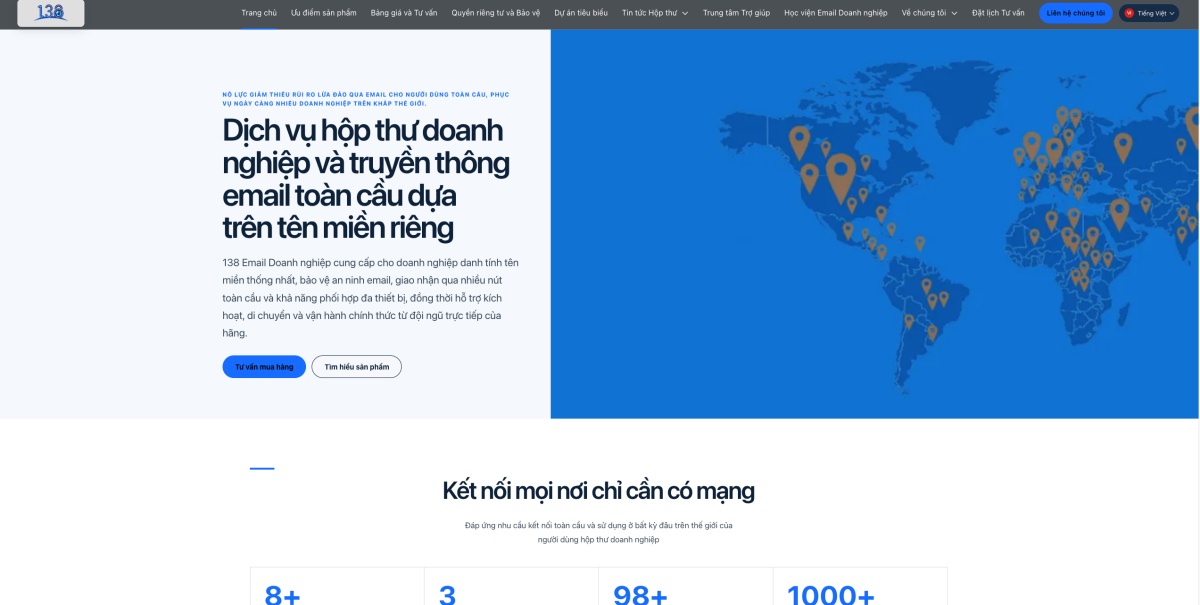
138 Enterprise Email | Vietnamese AI Digital Asset Website Case Study
An AI-driven digital asset website for enterprise email tailored to Vietnamese enterpris...
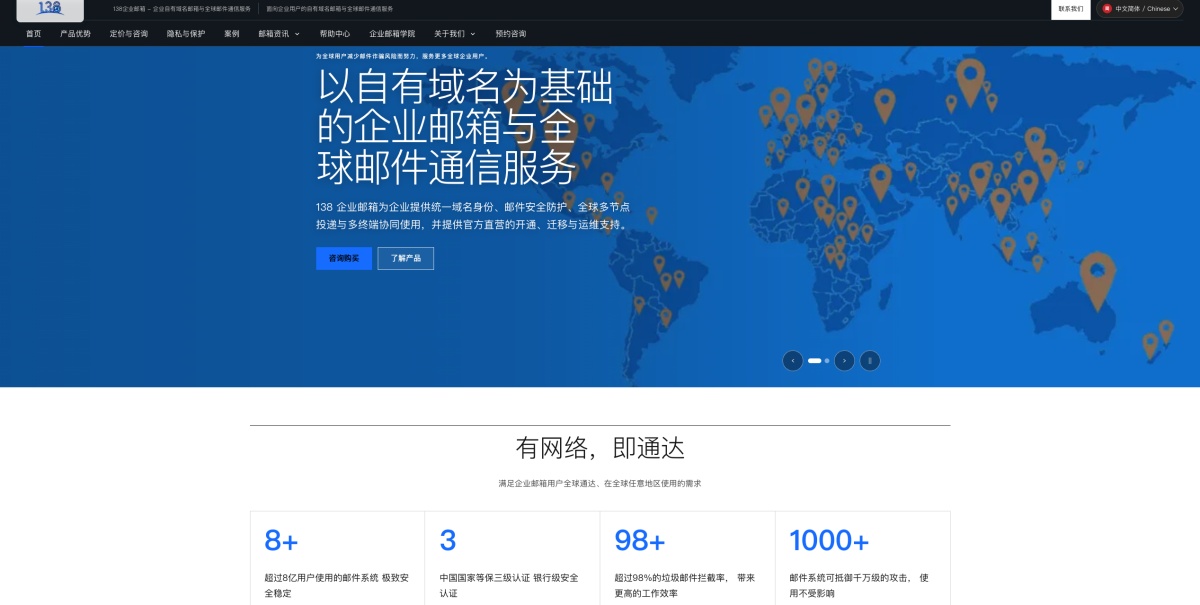
138 Enterprise Email | Chinese AI Digital Asset Website Case Study for Enterprise Services
Developed a Chinese AI digital asset website for an enterprise email service brand. By i...
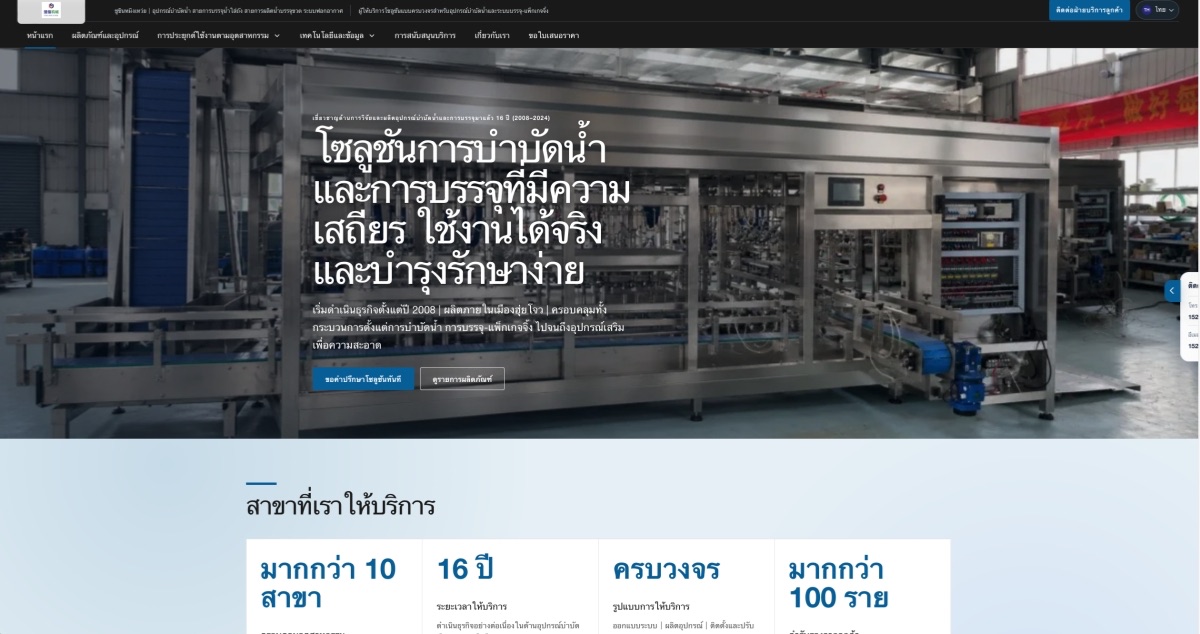
Water Treatment & Filling Equipment Manufacturer | Thai AI Digital Asset Website Case Study
Development of a Thai AI digital asset website for water treatment and filling equipment...