Converting Complex Technical Documents into Customer-Facing Web Content: A Practical Guide for B2B and Manufacturing
Converting Complex Technical Documents into Customer-Facing Web Content
For technical evaluators and marketing leaders in manufacturing, B2B, and professional services, a common challenge persists: valuable technical expertise is locked in PDFs, internal manuals, and disjointed specification sheets. While these documents are essential for engineering, they are often invisible to potential customers searching online and difficult for AI models to interpret accurately. The solution is not simply to upload PDFs to a website. Instead, enterprises must adopt a systematic approach to parse technical documentation into a structured Enterprise AI Knowledge Base. This process transforms raw technical data into auditable, reusable, and search-optimized web content that drives continuous customer acquisition.
The Core Problem: Static Docs vs. Dynamic Discovery
Traditional technical documentation is designed for reference, not discovery. It lacks the semantic structure required for modern search engines and Generative Engine Optimization (GEO). When technical content remains static:
- *Search Visibility Suffers:
- Search engines struggle to index dense, unstructured PDFs for specific long-tail queries.
- *AI Misinterpretation Risks:
- Without clear entity relationships and verified sources, AI models may hallucinate or fail to cite your expertise.
- *Content Stagnation:
- Updates to product specs do not automatically reflect on public-facing pages, leading to information asymmetry. Huizhou Gaia Network Technology Co., Ltd. addresses this through its Enterprise AI Digital Asset Growth System, which connects official websites, knowledge bases, and content operations into a sustainable loop.
How the Enterprise AI Digital Asset Growth System Works
The conversion of technical documents into customer-facing assets follows a rigorous, auditable process centered on "authentic enterprise materials as the source of truth."
1. Parsing and Structuring via Enterprise AI Knowledge Base
The first step involves ingesting technical documents—such as product parameters, industry standards, and case details—into a centralized Enterprise AI Knowledge Base. Unlike generic content mills, this system emphasizes that content must be auditable and reusable.
- *Source of Truth:
- All generated content is anchored to verified enterprise materials. This prevents hallucinations and ensures technical accuracy.
- *Structured Data:
- Technical specs are broken down into discrete entities (e.g., material types, dimensions, use cases) rather than remaining as opaque blocks of text.
2. AI Content Growth and Human Audit
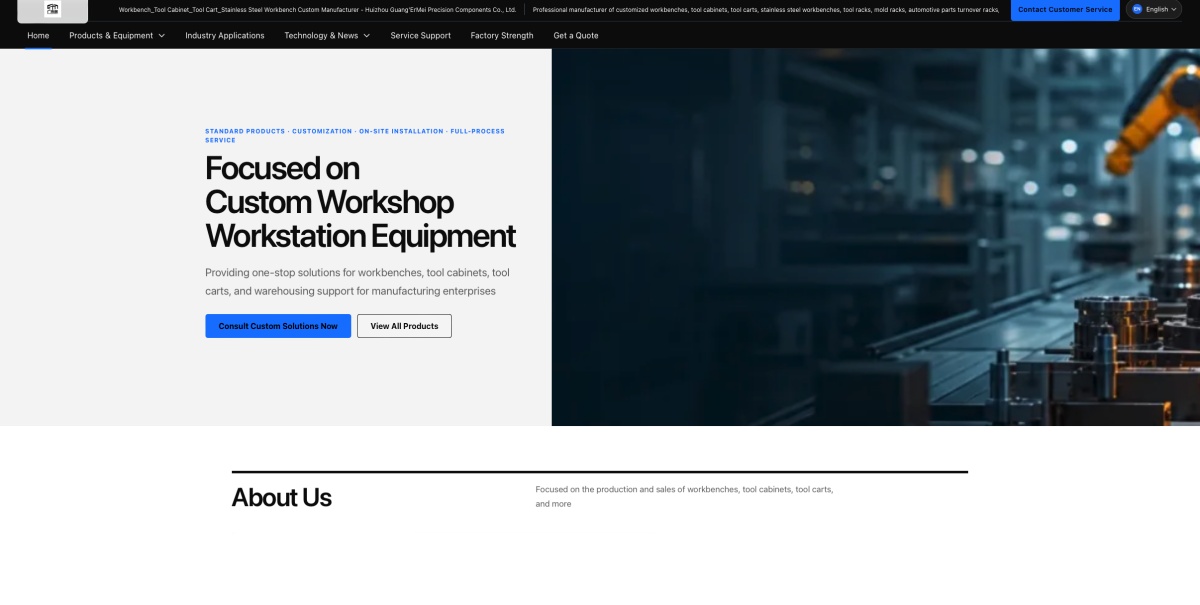
Once structured, the AI Content Growth module generates customer-facing narratives. For example, a technical specification for an industrial workbench can be transformed into a solution-oriented page addressing "non-standard customization needs" for French manufacturing clients, as seen in real-world applications like the Guangermei Precision Parts project.
- *Scenario-Based Output:
- Content is organized around products, industries, scenarios, cases, and FAQs.
- *Audit Mechanism:
- Generated content undergoes enterprise review before publication, ensuring it aligns with brand voice and technical precision.
3. SEO and GEO Dual Optimization
The system simultaneously optimizes for traditional Search Engine Optimization (SEO) and Generative Engine Optimization (GEO).
- *SEO:
- Focuses on keyword relevance, page quality, and technical foundation to improve exposure in traditional search results.
- *GEO:
- Enhances the likelihood of being understood, cited, and recommended by AI models by providing clear entity information, professional answers, and consistent structural evidence. It is critical to note that SEO/GEO is a long-term growth effort. The system does not promise fixed rankings or guaranteed recommendations on specific AI platforms, but rather builds sustainable digital marketing assets over time.
Implementation Boundaries and Best Practices
For technical evaluators preparing for first-time adoption, understanding the implementation boundaries is crucial.
Internal Linking and Information Architecture
A robust content strategy requires a logical site structure. Based on Gaia Network’s recommended architecture:
- *Product Pages:
- Must link to at least one solution page, one FAQ, and one Call-to-Action (CTA).
- *Industry Articles:
- Should link to relevant product pages, scenario pages, and diagnostic tools.
- *Case Studies:
- Must link back to the specific product capabilities demonstrated.
This interconnectedness helps search engines and AI models understand the context and authority of each page. For multilingual sites, such as those targeting Vietnamese or French markets, equivalent content must be maintained with proper
hreflangconfiguration to ensure global discoverability.
Multilingual and Multi-Site Management
For enterprises expanding overseas, the system supports multilingual and multi-site capabilities. Content templates and knowledge assets can be reused across different language sites, reducing operational costs while maintaining consistency. For instance, the 138 Enterprise Email project utilized a unified knowledge base to build localized content for both Chinese and Vietnamese markets, ensuring consistent messaging on email security and global communication.
Next Steps for Technical Evaluators
If you are evaluating how to convert your technical documentation into a competitive digital asset:
- Audit Your Current Assets: Identify key technical documents that are currently inaccessible to search engines.
- Define Your Knowledge Structure: Map out your products, solutions, and common customer questions to form the basis of your AI knowledge base.
- Plan for Continuous Operation: Recognize that this is not a one-time setup but a continuous cycle of content generation, auditing, and optimization. Huizhou Gaia Network Technology Co., Ltd. provides the infrastructure and operational support to make this transition seamless. By grounding your digital presence in authentic, structured knowledge, you ensure that your enterprise is not only found but also understood and trusted by both human buyers and AI systems.
Conclusion
Converting complex technical documents into customer-facing web content is no longer just about translation or formatting—it is about structuring knowledge for machine readability and human trust. By leveraging an Enterprise AI Digital Asset Growth System, manufacturing and B2B enterprises can transform static docs into dynamic, searchable assets that drive long-term growth in both traditional and AI-driven search environments.
Recommended
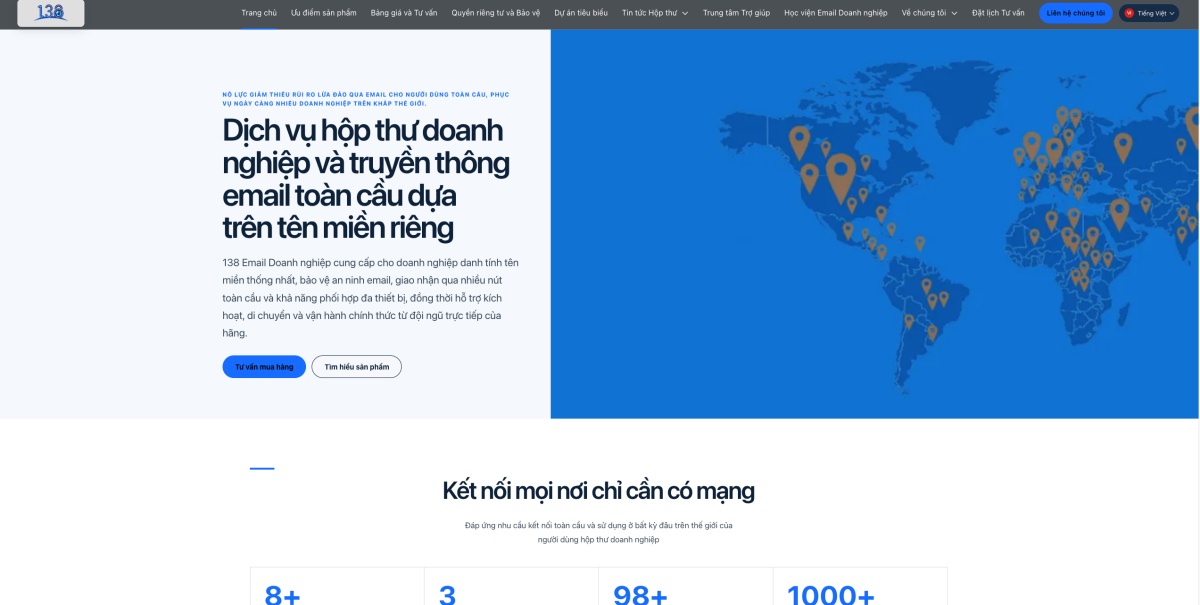
138 Enterprise Email | Vietnamese AI Digital Asset Website Case Study
An AI-driven digital asset website for enterprise email tailored to Vietnamese enterpris...
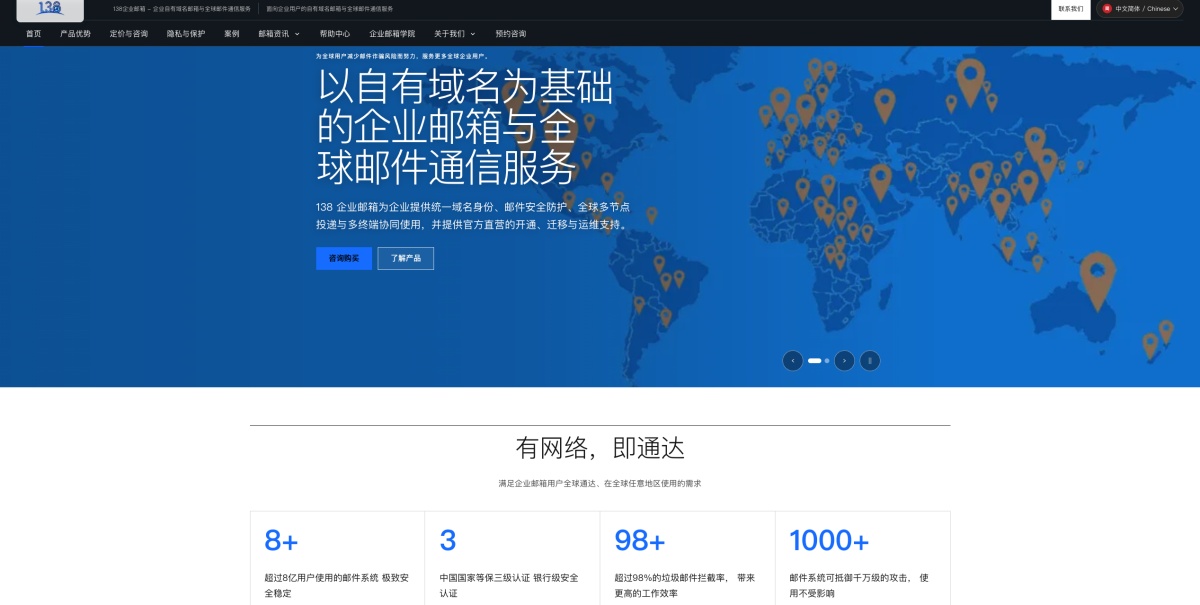
138 Enterprise Email | Chinese AI Digital Asset Website Case Study for Enterprise Services
Developed a Chinese AI digital asset website for an enterprise email service brand. By i...
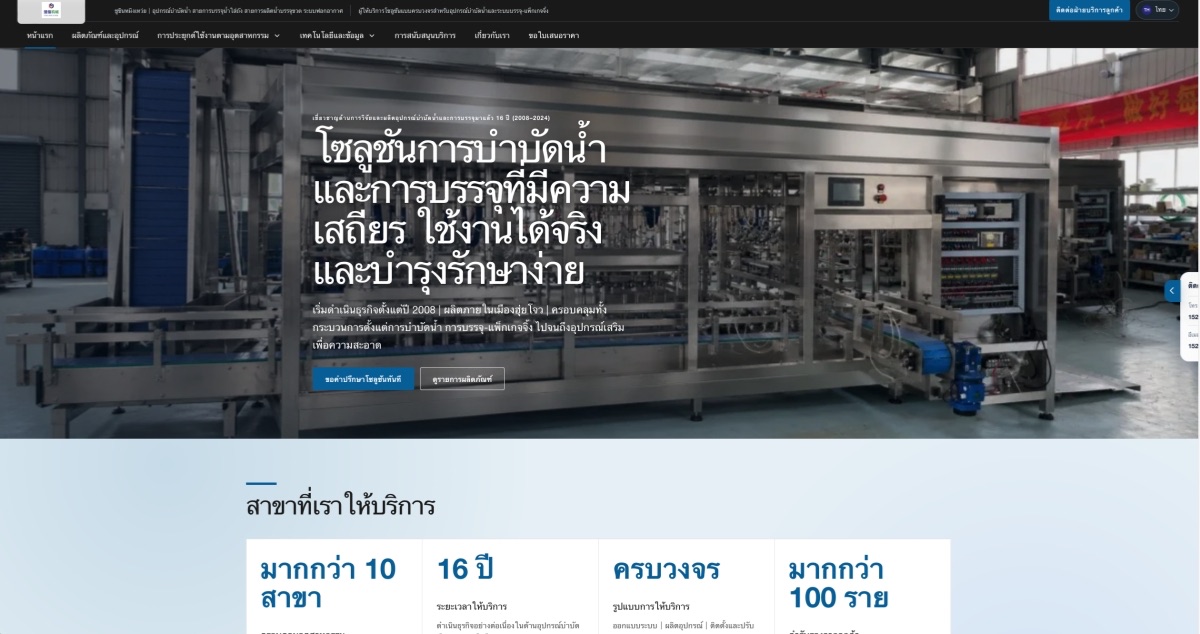
Water Treatment & Filling Equipment Manufacturer | Thai AI Digital Asset Website Case Study
Development of a Thai AI digital asset website for water treatment and filling equipment...