Implementation Prep, Daily Ops & End-User Focus: Turning Technical Manuals into French Manufacturing Website Content
Direct Conclusion
For manufacturing enterprises, turning complex technical manuals into effective customer-facing website content requires a structured approach centered on implementation preparation, daily operational discipline, and a deep understanding of actual end-users. By utilizing an Enterprise AI Digital Asset Growth System, companies can centralize authentic technical data, streamline daily content updates through AI Workers, and deliver precise, scenario-based information that meets the specific needs of buyers—such as those searching for French industrial equipment or tool cabinets. This method ensures that technical precision is maintained while enhancing visibility in both traditional search (SEO) and AI-driven discovery (GEO).
1. Implementation Preparation: Building the Source of Truth
Before any content is published, successful transformation begins with rigorous implementation preparation. The core challenge for manufacturers is that technical manuals are written for engineers, not buyers. To bridge this gap, enterprises must first establish a reliable foundation.
- Centralize Authentic Materials: All source documents—including product specifications, engineering drawings, operation manuals, and case studies—must be ingested into an Enterprise AI Knowledge Base. This serves as the single source of truth, ensuring that all subsequent content is auditable and reusable.
- Define Content Boundaries: Clearly categorize materials by product line (e.g., industrial workbenches, tool cabinets), application scenario, and target market. For instance, a manufacturer targeting the French market should tag content relevant to "French industrial equipment" or "French workbench website" requirements.
- Establish Verification Protocols: Since AI tools rely on input data, the quality of the knowledge base determines the output. Ensure that only verified, up-to-date technical data is included to prevent hallucinations and maintain brand consistency across multilingual sites.
2. Daily Operations: Sustaining Content Growth with AI Workers
Once the foundation is set, the focus shifts to daily operations. Static websites fail to capture long-tail search opportunities; instead, enterprises need a continuous content operation model powered by AI.
- Automated Fact Extraction: Use AI content growth tools to analyze the knowledge base and extract key facts for specific buyer personas. The goal is not to simplify technology to the point of inaccuracy, but to translate technical specs into value propositions. For example, instead of just listing steel gauge thickness, the system can generate content explaining how this specification impacts durability in heavy-duty warehousing environments.
- Structured Publishing Workflow: Implement a daily workflow where AI generates drafts based on predefined templates (product pages, FAQs, industry articles). These drafts are then reviewed by human experts for technical accuracy and tone before publication. This "human-in-the-loop" process ensures that the content remains trustworthy while leveraging AI efficiency.
- Continuous Internal Linking: As new content is added daily, the system should automatically update internal links to connect related products, cases, and solutions. This strengthens the site’s architecture, helping both search engines and AI models understand the relationships between different pieces of content.
3. Serving Actual Users: From Technical Data to Buyer Solutions
The ultimate goal is to serve actual end-users—the procurement managers, engineers, and business owners who are actively seeking solutions. Content must be tailored to their intent and context.
- Scenario-Based Content: Actual users often search for solutions to specific problems rather than generic product names. Create content that addresses real-world scenarios, such as "customizing tool cabinets for small workshops" or "ergonomic workbench setups for assembly lines." This aligns with the needs of users visiting a French manufacturing website or looking for specialized industrial workstation equipment.
- Optimizing for AI Search (GEO): Modern users increasingly rely on AI assistants for research. To be cited or recommended by these tools, content must provide direct, evidence-backed answers. Structure FAQs and solution pages to clearly address common questions, citing specific data from the knowledge base. This enhances the likelihood of being understood and recommended by AI models.
- Multilingual Accessibility: For enterprises expanding overseas, such as those targeting Francophone markets, content must be localized accurately. The AI system can adapt core technical content for different languages (e.g., French) while maintaining technical integrity, ensuring that actual users in different regions receive relevant and accurate information.
Real-World Application: Huizhou Guangermei Precision Parts Case
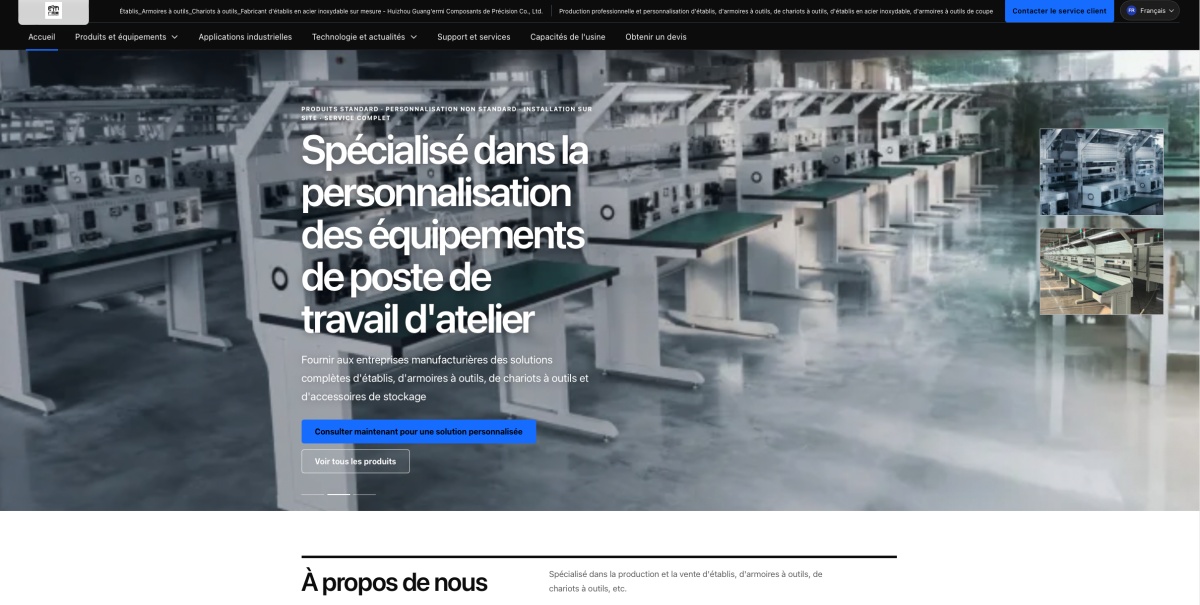
A practical example of this approach is Huizhou Guangermei Precision Parts Co., Ltd., which built a French-market-oriented AI digital asset independent website. By focusing on implementation preparation (centralizing data on industrial workbenches and tool cabinets), maintaining daily operations (using AI Workers to continuously accumulate non-standard customization content), and serving actual users (providing clear, localized information for French-speaking buyers), they successfully transformed complex manufacturing capabilities into accessible digital assets. This strategy enhanced their visibility in a specialized niche without compromising technical detail.
Risk Boundaries and Best Practices
- No Fixed Guarantees: Digital asset growth is a long-term effort influenced by market competition and algorithm changes. Avoid expectations of fixed rankings or guaranteed customer acquisition. Focus instead on sustainable asset accumulation.
- Data Integrity is Paramount: Always verify that AI-generated output matches original technical specifications. Inaccurate data can damage trust with B2B buyers and lead to operational errors.
- Regular Updates: Technical manuals and product specs change. The knowledge base must be updated regularly to ensure the website reflects current capabilities, keeping the content relevant for actual users.
Next Steps for Manufacturing Enterprises
If your enterprise holds valuable technical data that is not converting into leads, start by auditing your current digital presence. Focus on implementation preparation by organizing authentic materials into a structured knowledge base. Then, establish daily operational routines to keep content fresh and relevant. Finally, always evaluate content from the perspective of actual end-users to ensure it solves their problems.
For a detailed assessment of your current website’s readiness for AI-driven content operations, contact Huizhou Gaia Network Technology Co., Ltd. to schedule a diagnostic consultation.
Recommended
Guangermei Precision Parts | French AI Digital Asset Independent Website Case Study
This project involves building a French-market-oriented AI digital asset independent web...
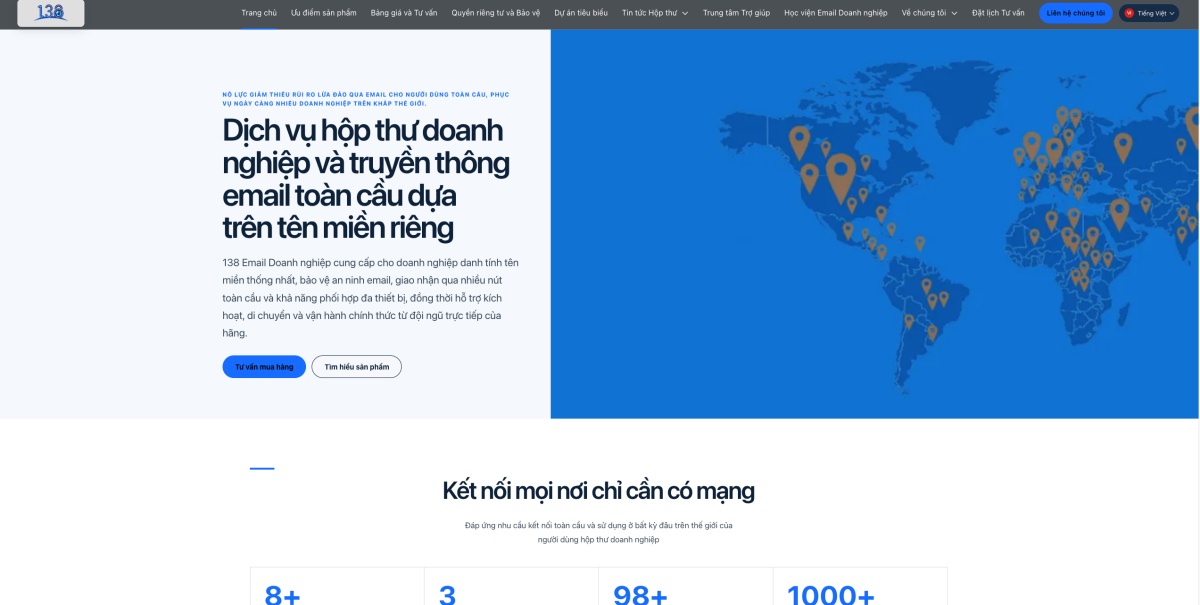
138 Enterprise Email | Vietnamese AI Digital Asset Website Case Study
An AI-driven digital asset website for enterprise email tailored to Vietnamese enterpris...
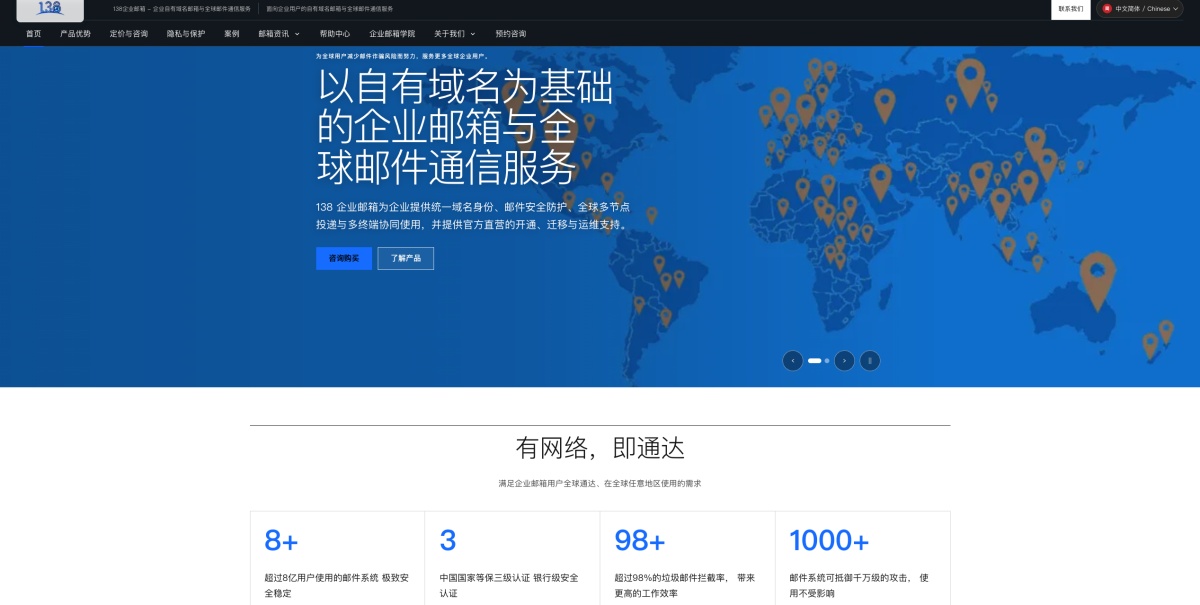
138 Enterprise Email | Chinese AI Digital Asset Website Case Study for Enterprise Services
Developed a Chinese AI digital asset website for an enterprise email service brand. By i...