How to Structure a B2B Website for Trust Building During Extended Decision Cycles
Symptom: Why B2B Buyers Lose Trust During Extended Evaluations
In manufacturing, industrial equipment, and professional services, purchasing decisions rarely rest with a single individual. Procurement managers, technical engineers, and regional sales leads often evaluate suppliers simultaneously across different time zones. A common symptom of a poorly structured B2B website is content fragmentation: technical specifications live in disconnected PDFs, FAQs are outdated, and multilingual pages are direct translations that lack local market context. When cross-regional teams cannot quickly verify product capabilities or service boundaries, the evaluation stalls, and inquiry opportunities are lost to competitors with clearer digital footprints.
Cause: Treating Websites as Brochures Instead of Asset Systems
The root cause is often treating the corporate website as a static brochure rather than a dynamic Enterprise AI Digital Asset Growth System. Traditional development focuses on visual design and one-time SEO setup, neglecting the ongoing need for knowledge accumulation. Without a centralized source of truth, content becomes stale. Furthermore, relying solely on traditional keyword targeting ignores how modern AI search tools synthesize answers. If your site lacks structured, auditable information, AI models cannot accurately understand or cite your enterprise capabilities, reducing visibility in both traditional and generative search results.
Checks: A Diagnostic Checklist for B2B Website Trust Building
To support long decision cycles and cross-team collaboration, your website must function as a verification hub. Use this checklist to assess your current digital asset structure:
1. Centralized Knowledge vs. Scattered Files
- Check:*
- Are product parameters, industry scenarios, and technical FAQs stored in a structured Enterprise AI Knowledge Base, or buried in unsearchable documents?
- Standard:*
- Buyers should access consistent answers across product pages and help centers. A unified knowledge base ensures that content is auditable and reusable, preventing conflicting information from reaching different stakeholders.
2. SEO and GEO Readiness
- Check:*
- Does your content strategy address both traditional search exposure and AI search understanding?
- Standard:*
- Effective growth requires SEO and GEO optimization working together. While SEO targets keyword visibility, GEO (Generative Engine Optimization) structures content with clear entities, evidence, and professional answers to increase the likelihood of being understood and cited by AI platforms. Note that this is a long-term accumulation effort; no provider can guarantee fixed rankings or mandatory AI recommendations due to algorithm variables.
3. Multilingual and Multi-Site Consistency
- Check:*
- For foreign trade and overseas expansion, do multilingual sites share a managed content core while allowing local adaptation?
- Standard:*
- Group or multi-brand enterprises need multilingual and multi-site capabilities that allow content reuse without duplicating operational effort. Localized pages should reflect regional decision contexts rather than mechanical translations.
4. Continuous Content Operations
- Check:*
- Is there a defined workflow for AI-assisted content generation combined with human review?
- Standard:*
- Sustainable growth relies on an operational mechanism centered around products, industries, scenarios, and customer questions. AI tools can accelerate production, but human verification ensures authenticity and compliance with service boundaries.
Resolution: Implementing an Integrated Digital Asset Workflow
Structuring for trust requires connecting your official website, knowledge base, content production, and search operations into a single workflow.
- Define the Source of Truth: Consolidate authentic enterprise materials, product specifications, and verified case studies into the AI knowledge base.
- Structure for Discovery: Organize content around buyer intent—product capabilities, industry applications, and problem-solving FAQs—using clear information architecture.
- Activate Continuous Growth: Deploy AI content growth tools to draft updates based on knowledge base facts, followed by expert review to maintain professional standards.
- Monitor and Adapt: Use search performance and customer feedback to adjust content priorities, ensuring the site evolves with market needs.
This approach transforms the website from a cost center into a sustainably accumulated digital marketing asset, helping enterprises be more easily discovered by search and understood by AI.
Escalation Boundary: When to Seek Professional Implementation
Internal teams often struggle with the technical integration of knowledge bases, multilingual routing, and SEO/GEO frameworks. If your organization lacks the resources to maintain continuous content operations or requires a system that balances AI efficiency with strict quality control, external implementation support is recommended.
Huizhou Gaia Network Technology Co., Ltd. provides the Enterprise AI Digital Asset Growth System, covering smart corporate websites, AI knowledge bases, content growth, and SEO/GEO optimization. We serve manufacturing, B2B, foreign trade, and professional service enterprises. Please note that specific service boundaries, content quotas, language configurations, and delivery cycles are subject to the final contract, and we emphasize long-term asset accumulation over short-term ranking promises.
Next Steps
Evaluate your current website against the validation checklist above. If your content is fragmented or lacks a mechanism for continuous update, it is time to transition to an asset-based approach. Contact Huizhou Gaia Network Technology Co., Ltd. to discuss how a structured AI digital asset system can support your cross-regional sales teams and sustain long-term customer acquisition.
Recommended
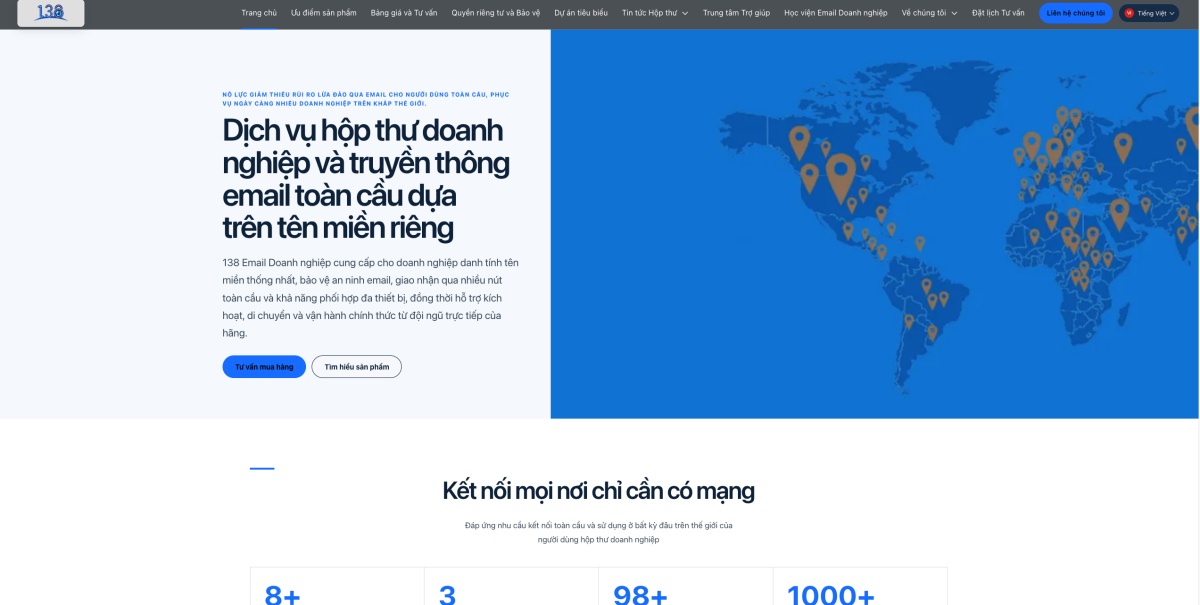
138 Enterprise Email | Vietnamese AI Digital Asset Website Case Study
An AI-driven digital asset website for enterprise email tailored to Vietnamese enterpris...
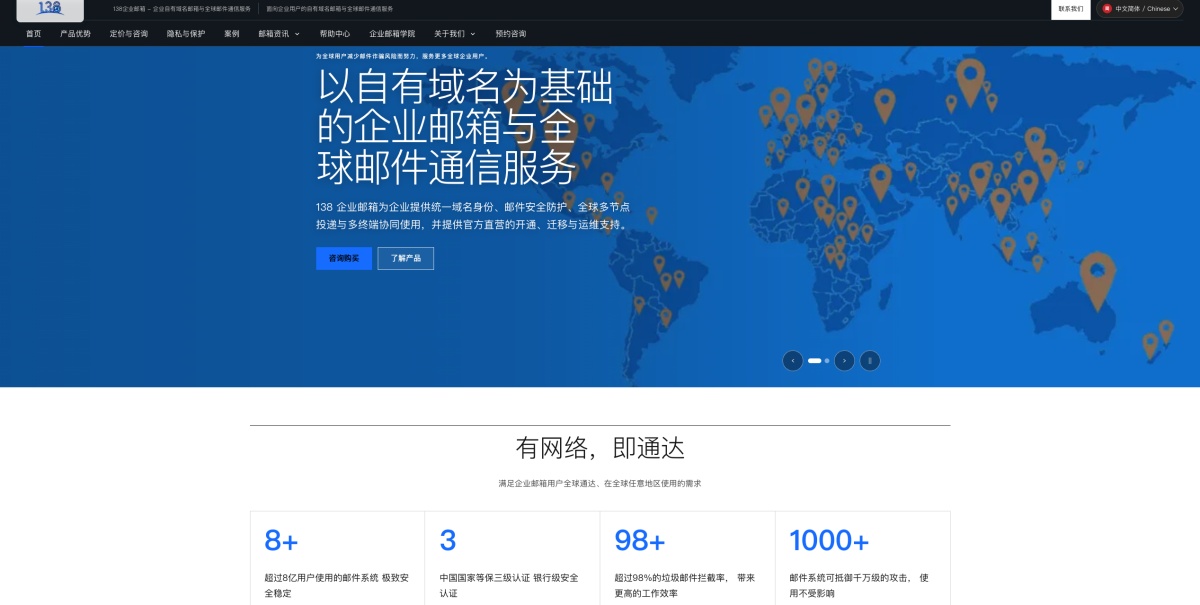
138 Enterprise Email | Chinese AI Digital Asset Website Case Study for Enterprise Services
Developed a Chinese AI digital asset website for an enterprise email service brand. By i...
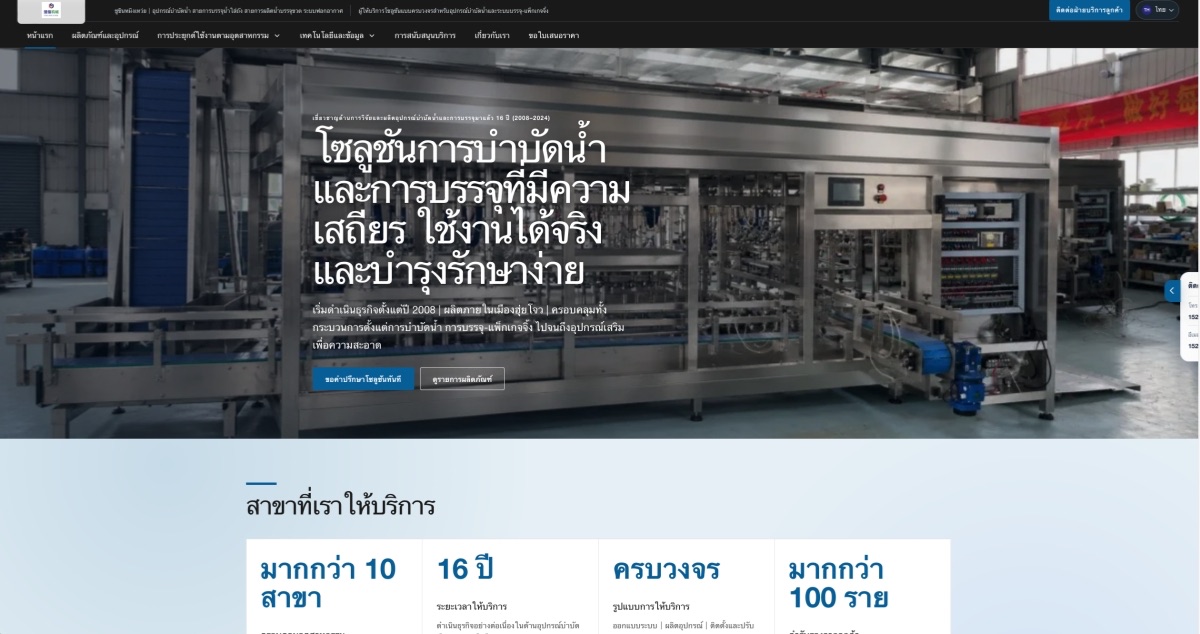
Water Treatment & Filling Equipment Manufacturer | Thai AI Digital Asset Website Case Study
Development of a Thai AI digital asset website for water treatment and filling equipment...