
Enterprise AI Knowledge Base Implementation: Document Requirements for First-Time Adopters
Enterprise AI Knowledge Base Implementation: Document Requirements for First-Time Adopters
For technical evaluators and implementation leads in manufacturing, B2B, and foreign trade enterprises, the success of an Enterprise AI Digital Asset Growth System hinges on the quality of the initial data ingestion. Unlike traditional website builds that focus on visual design, this approach prioritizes creating a verifiable "source of truth" from authentic enterprise materials. This ensures that the resulting Smart Corporate Website and AI Content Growth outputs are accurate, auditable, and capable of sustaining long-term search visibility.
The Core Challenge: From Scattered Files to Structured Assets
Many enterprises possess rich technical data—product specifications, engineering drawings, case studies, and FAQs—but these assets often remain siloed in disparate formats. When attempting to leverage AI for content operations or GEO (Generative Engine Optimization), unstructured or unverified data leads to significant risks: AI hallucinations, inconsistent messaging across languages, and the inadvertent promotion of unverified claims.
The primary objective during the implementation preparation phase is not merely digitizing documents, but structuring them to support the Enterprise AI Knowledge Base. This knowledge base acts as the central repository that feeds the AI Worker, drives SEO/GEO optimization, and powers multilingual multi-site capabilities. Without a rigorous preparation protocol, the system cannot distinguish between a verified product capability and a marketing aspiration.
Required Document Structures and File Formats
To build an effective knowledge base, technical teams must curate materials that meet specific structural and format requirements. The system is designed to process standard business documents, but their organization is critical.
1. Supported Input Formats
The ingestion pipeline accepts common enterprise document types, including:
- TXT: For raw technical parameters, standardized Q&A pairs, and plain text logs.
- PDF: Ideal for finalized product brochures, technical whitepapers, and certified case studies where layout integrity matters.
- DOCX: Best for editable service descriptions, draft solution architectures, and internal process documentation that requires periodic updates.
However, simply uploading these files is insufficient. They must be categorized logically to enable the AI content growth module to retrieve and synthesize information accurately.

2. Logical Categorization for AI Retrieval
Data must be segmented into distinct domains to prevent context confusion during generation. Based on the Enterprise AI Digital Asset Growth System architecture, materials should be organized into:
- Product & Technical Specs: Detailed descriptions of core offerings (e.g., industrial workstations, enterprise email security protocols). This includes model numbers, material compositions, and functional limits.
- Solution Scenarios: Contextual narratives explaining how products solve specific industry problems (e.g., "warehousing equipment for French markets" or "cross-border communication for Vietnamese teams").
- FAQ & Support Logic: Verified answers to common technical inquiries, ensuring the Smart Corporate Website
- provides consistent support without human intervention.
- Case Evidence: Anonymized or verified project summaries that demonstrate application value without exposing sensitive client data unless explicitly authorized.
Validation Standards and Acceptance Criteria
Before data ingestion, a rigorous validation process is required to maintain the integrity of the digital asset. This step is crucial for avoiding compliance issues and maintaining trust with search engines and AI platforms.
1. The "Source of Truth" Principle
All content generated by the AI Worker must be traceable back to an authentic enterprise document. If a specific parameter, certification, or performance metric cannot be found in the uploaded PDF or DOCX files, the system must treat it as unverified. This prevents the generation of fabricated case numbers or fake credentials.
2. Prohibited Claims and Risk Boundaries
During the structuring phase, technical evaluators must scrub source materials of absolute guarantees that cannot be legally or technically substantiated. Specifically, the knowledge base construction must not include promises of:
- "Guaranteed search rankings" or "Fixed position #1 results."
- "Guaranteed customer acquisition" or specific lead counts.
- Assertions that "AI will inevitably recommend" the enterprise.
- Unverified claims of being "Industry No. 1" or possessing unofficial certifications.
These constraints are not limitations of the technology but essential guardrails for sustainable SEO and GEO optimization. Search algorithms and AI models penalize content that makes unverifiable absolute claims. Instead, the focus should be on demonstrating expertise through detailed, evidence-based technical content.
3. Multilingual and Multi-Site Readiness
For enterprises targeting overseas markets (e.g., French industrial equipment or Vietnamese enterprise services), the source data must be structured to support localization. This means separating language-agnostic technical specs from region-specific compliance or cultural context. The multilingual multi-site capability relies on this clear separation to generate accurate localized content without manual re-engineering for every target market.
Implementation Roadmap for Technical Teams
- Audit Existing Assets: Inventory all current product manuals, case studies, and FAQ documents. Identify gaps where technical details are missing or outdated.
- Standardize Formats: Convert legacy data into supported TXT, PDF, or DOCX formats. Ensure text is selectable and not embedded in non-searchable images.
- Apply Categorization Tags: Label documents according to the Product, Solution, FAQ, and Case schema defined above.
- Verify Boundaries: Review all marketing claims against engineering facts. Remove any language suggesting guaranteed outcomes.
- Pilot Ingestion: Load a subset of high-quality data into the Enterprise AI Knowledge Base to test retrieval accuracy before full-scale deployment.
Conclusion
The transition to an Enterprise AI Digital Asset Growth System begins with disciplined data preparation. By treating enterprise documents as strategic assets rather than static archives, manufacturing and B2B companies can create a foundation for a Smart Corporate Website that grows organically. This approach ensures that every piece of generated content—from a French product page to a technical FAQ—is grounded in reality, enhancing both traditional search exposure and AI understanding.
Enterprises ready to move from ad-hoc content creation to a systematic, asset-based growth model should prioritize the structuring of their core knowledge today. The robustness of your future digital presence depends on the rigor of your current preparation.
Recommended
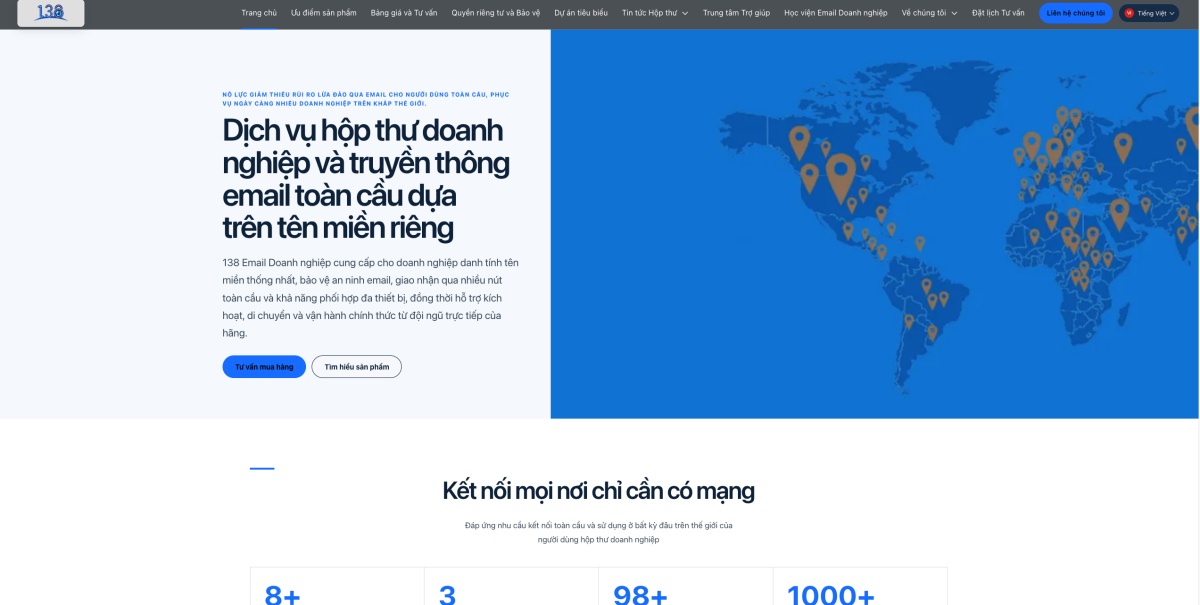
138 Enterprise Email | Vietnamese AI Digital Asset Website Case Study
An AI-driven digital asset website for enterprise email tailored to Vietnamese enterpris...
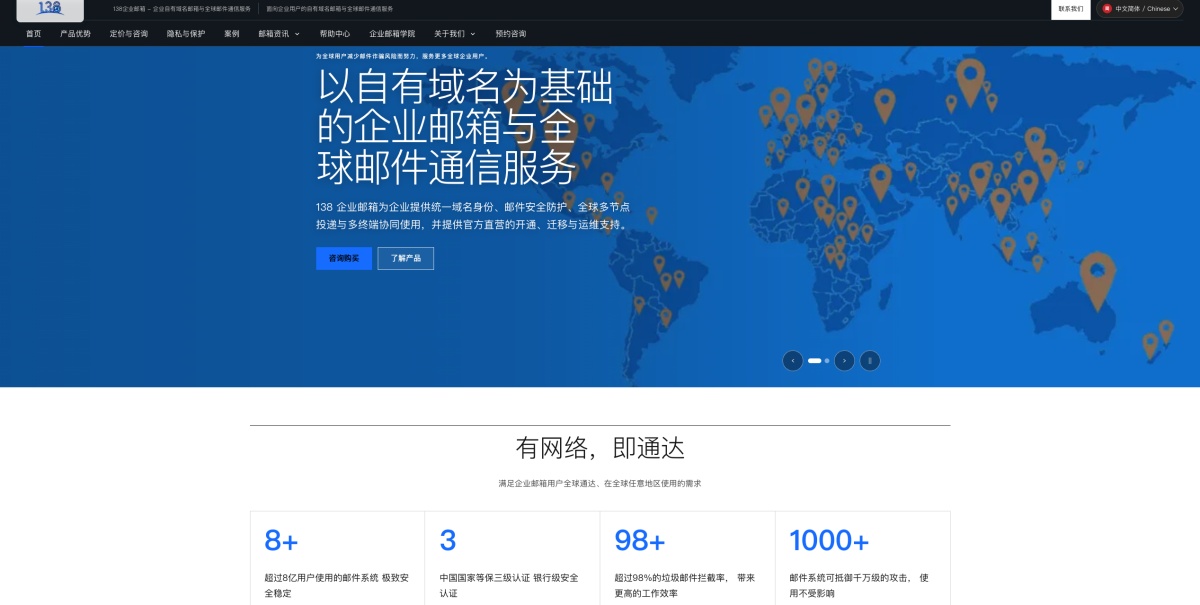
138 Enterprise Email | Chinese AI Digital Asset Website Case Study for Enterprise Services
Developed a Chinese AI digital asset website for an enterprise email service brand. By i...
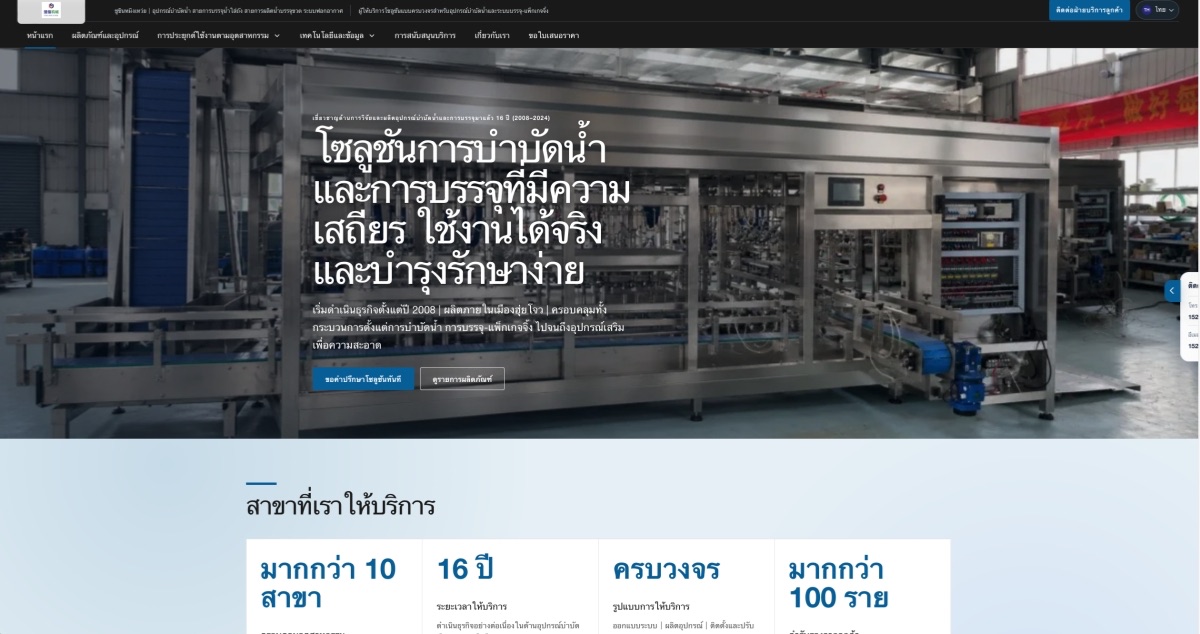
Water Treatment & Filling Equipment Manufacturer | Thai AI Digital Asset Website Case Study
Development of a Thai AI digital asset website for water treatment and filling equipment...