What Is a Realistic Timeline for Launching an AI-Driven Enterprise Website?
Executive Summary: The Reality of AI Website Implementation
For procurement leaders and business owners, the most critical question when adopting an Enterprise AI Digital Asset Growth System is often: "How long until it works?" The direct answer is that there is no single "go-live" moment for AI-driven growth. Instead, implementation follows a phased trajectory: initial data parsing and knowledge base construction (typically days to weeks), followed by continuous content generation, human-in-the-loop review, and long-term SEO/GEO optimization.
Unlike traditional static websites that launch once and stagnate, an AI-driven site becomes "operational" when its underlying enterprise AI knowledge base is structured enough to generate accurate, auditable content. For first-time adopters, the focus should shift from seeking immediate ranking guarantees to establishing a sustainable pipeline of digital assets that connect official websites, knowledge, and search operations.
Phase 1: Data Parsing and Knowledge Base Construction (Weeks 1-4)
The foundation of any AI-driven website is the Enterprise AI Knowledge Base. This phase involves ingesting authentic enterprise materials—such as product specifications, technical manuals, case studies, and FAQs—into a structured format.
Key Activities:
- Data Ingestion: Uploading existing documents, PDFs, and legacy website content.
- Structuring: The system parses unstructured data into entities (products, solutions, industries) to ensure the AI understands the context.
- Verification: Initial validation to ensure the "source of truth" is accurate. As noted in our service boundaries, we emphasize that content must be auditable and reusable, avoiding the risk of AI hallucinations by grounding outputs in verified enterprise materials.
Timeline Note: For manufacturing enterprises with complex product lines (e.g., industrial workbenches or precision parts), this phase may take longer due to the volume of technical data. For service-based SMEs with fewer SKUs, this can be accelerated.
Phase 2: Smart Website Deployment and Initial Content Generation (Weeks 3-6)
Once the knowledge base is populated, the Smart Corporate Website is deployed. This is not just a visual template but a dynamic structure linked to the knowledge base.
Key Activities:
- Site Architecture: Setting up multilingual and multi-site capabilities if targeting overseas markets (e.g., French or Vietnamese markets).
- Initial Content Batch: The AI generates core pages (Home, Product Categories, About Us) based on the structured knowledge.
- Internal Linking Strategy: Automatic creation of logical links between products, solutions, and industry articles to enhance both user navigation and search engine crawlability.
Real-World Context: In projects like the French AI Digital Asset Independent Website for industrial equipment manufacturers, the system continuously accumulates non-standard customization content. This means the site is not "finished" at launch; it is designed to grow. The initial deployment ensures the site is technically sound and indexed, but its authority builds over time.
Phase 3: Review Cycles and Operational Calibration (Ongoing)
This is the most misunderstood phase. An AI-driven site requires a "human-in-the-loop" operational model. The AI proposes content, but human experts validate it.
Key Activities:
- Content Auditing: Reviewing AI-generated articles for technical accuracy and brand tone.
- SEO/GEO Optimization: Adjusting metadata, headings, and semantic structures to improve visibility in traditional search engines and AI search platforms.
- Feedback Loop: Using performance data to refine the knowledge base. If certain queries do not yield relevant content, new materials are added to the knowledge base.
Boundary Clarification: It is crucial to understand that SEO and GEO are long-term growth efforts. We do not promise fixed rankings or guaranteed customer acquisition. Instead, we focus on forming a continuous content operation approach centered around products, industries, scenarios, and FAQs. This ensures that over time, the enterprise is more easily discovered by search and understood by AI.
Why "Fast Launch" Can Be Risky for B2B Enterprises
For manufacturing and B2B enterprises, speed without accuracy is detrimental. A hastily launched AI site with unverified data can damage credibility. Our approach prioritizes authentic enterprise materials as the source of truth.
For example, in the 138 Enterprise Email project for the Vietnamese market, the system leveraged a unified enterprise knowledge base to build content around email security and global communication. This required careful alignment of technical capabilities with local market needs, a process that cannot be rushed without compromising quality.
Implementation Checklist for Decision Makers
To prepare for a successful implementation, ensure you have the following ready:
- Centralized Data: Gather product specs, case studies, and FAQs in digital formats.
- Subject Matter Experts (SMEs): Identify team members who can review AI-generated content for technical accuracy.
- Clear Goals: Define whether the primary goal is brand awareness, lead generation, or customer support.
- Multilingual Strategy: If targeting overseas markets, identify priority languages and regions early to configure the multi-site architecture correctly.
Conclusion and Next Steps
The timeline for an AI-driven website is less about a fixed deadline and more about reaching a state of "operational maturity." Initial deployment can occur within weeks, but true value accrues through continuous content growth and optimization. By integrating your official website with an AI knowledge base and sustained operational services, you build a digital asset that compounds in value over time.
For manufacturing, B2B, and foreign trade enterprises looking to start this journey, the first step is not coding, but knowledge auditing. We recommend beginning with a diagnostic of your current digital assets to identify gaps and opportunities.
Ready to assess your readiness? Contact Huizhou Gaia Network Technology Co., Ltd. to schedule a consultation on your Enterprise AI Digital Asset Growth System implementation.

Recommended
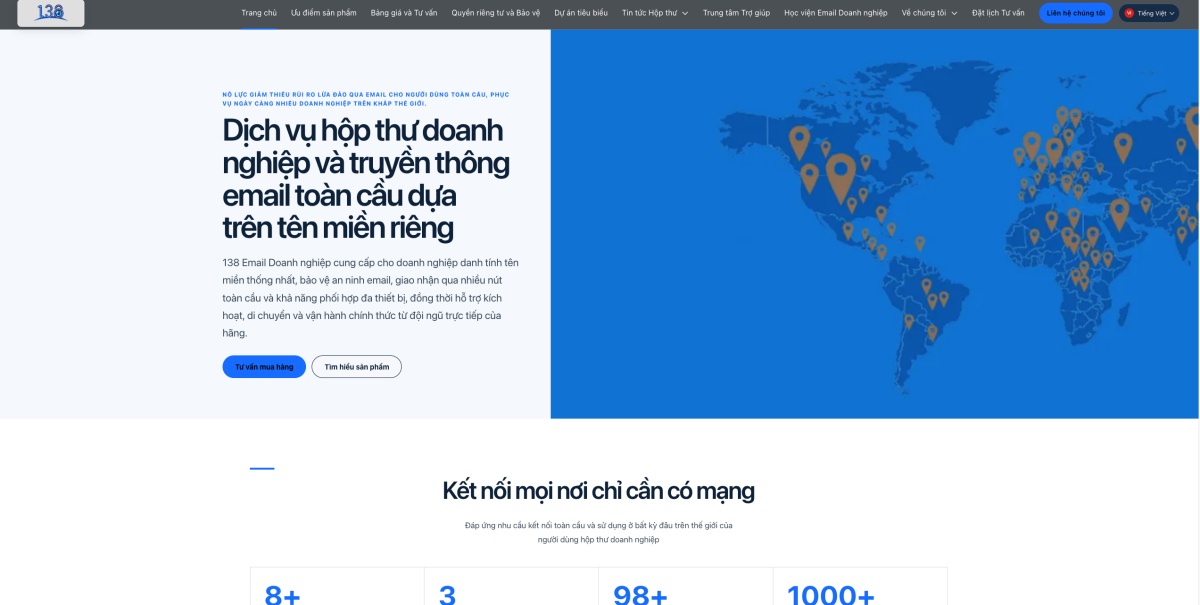
138 Enterprise Email | Vietnamese AI Digital Asset Website Case Study
An AI-driven digital asset website for enterprise email tailored to Vietnamese enterpris...
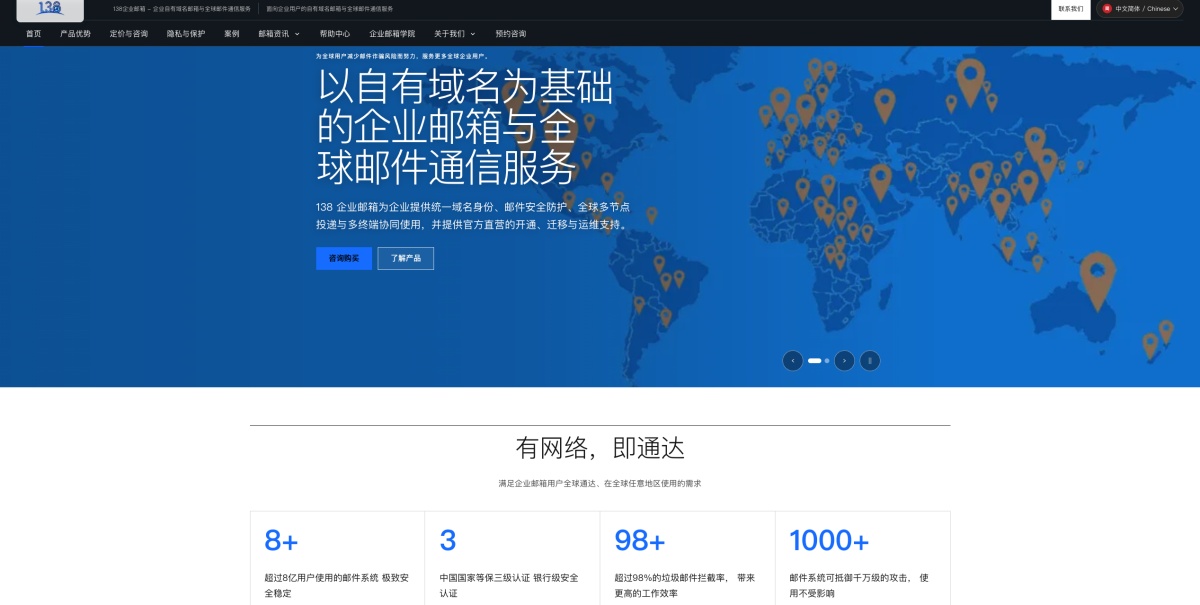
138 Enterprise Email | Chinese AI Digital Asset Website Case Study for Enterprise Services
Developed a Chinese AI digital asset website for an enterprise email service brand. By i...
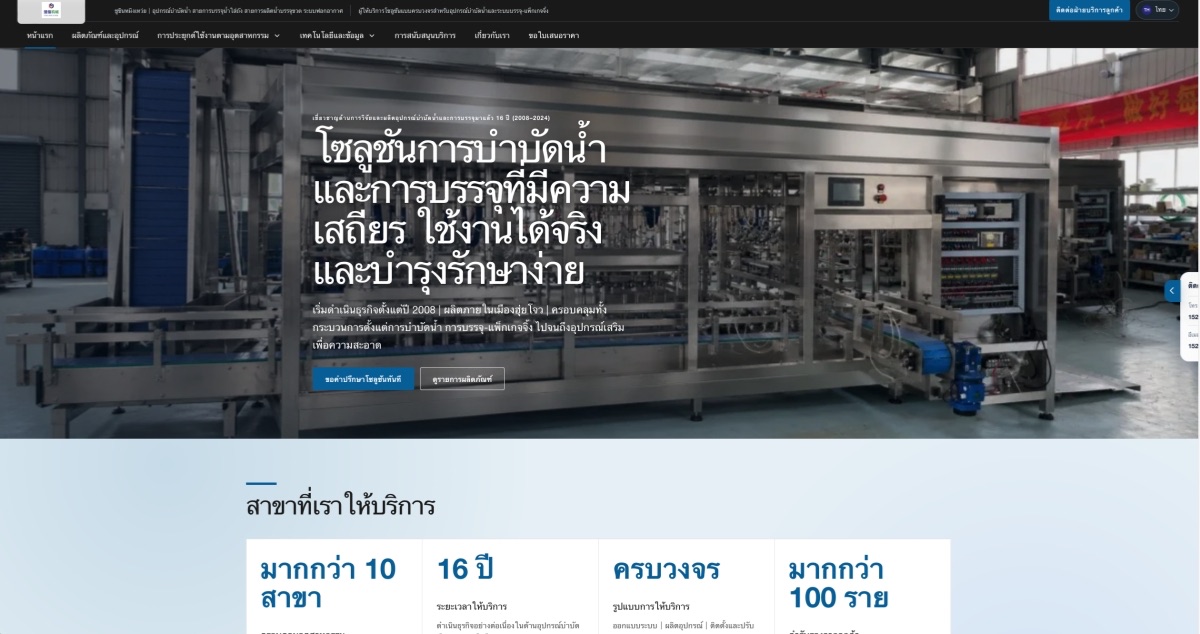
Water Treatment & Filling Equipment Manufacturer | Thai AI Digital Asset Website Case Study
Development of a Thai AI digital asset website for water treatment and filling equipment...