SEO vs GEO Optimization: Strategic Differences for B2B Digital Asset Growth
SEO vs GEO Optimization: Strategic Differences for B2B Digital Asset Growth
For manufacturing enterprises, B2B service providers, and foreign trade companies, the decision to upgrade digital marketing strategies often hinges on understanding the difference between traditional SEO and emerging GEO (Generative Engine Optimization) practices. While both aim to increase visibility, they operate on fundamentally different logic regarding how customers discover and validate businesses.
The Core Strategic Shift: From Ranking Positions to Citation Probability
The primary distinction lies in the objective. Traditional SEO optimization focuses on improving a website's position in a list of search results for specific keywords. Success is measured by ranking slots (e.g., position 1-3) and click-through rates.
In contrast, GEO optimization targets how AI models and generative search engines understand, synthesize, and cite enterprise information. The goal is not just to appear in a list, but to be selected as the "source of truth" when an AI generates an answer. This shifts the focus from keyword density to entity understanding, evidence quality, and structural consistency.
As noted in Gaia Network Technology's operational framework, this is not an "either-or" choice. A robust digital asset growth system integrates both: using SEO to capture traditional intent and GEO to secure recommendations in AI-driven interfaces. However, the implementation conditions for each differ significantly.
Condition Comparison: Preparation, Implementation, and Acceptance
To help decision-makers evaluate whether their current setup supports GEO or requires an upgrade, we compare the two approaches across four critical dimensions.
1. Preparation: Content Source and Structure
- Traditional SEO Preparation:*
- Relies heavily on individual page optimization. Content is often created ad-hoc around trending keywords. The structure may be flat, with limited interconnection between product pages, case studies, and technical FAQs.
- GEO-Ready Preparation:*
- Requires a centralized Enterprise AI Knowledge Base. Before content creation begins, enterprise materials (product specs, technical documents, case data) must be organized into a structured format that AI can parse.
- Fact Check:
- According to Gaia Network Technology's system architecture, preparation involves defining clear routing suggestions where main anchor texts link to core product pages like the "Enterprise AI Digital Asset Growth System" or specific solution hubs (e.g., `/solutions/manufacturing/`). This ensures that every piece of content contributes to a unified entity profile rather than existing as an isolated island.
2. Implementation: Content Production Logic
- Traditional SEO Implementation:*
- Focuses on inserting keywords into titles, headers, and meta descriptions. Internal linking is often manual and inconsistent. Content updates may be sporadic, leading to "static" sites that lose relevance over time.
- GEO-Ready Implementation:*
- Adopts a Content Engine approach centered on products, industries, scenarios, and customer questions.
- Operational Standard:
- Implementation follows strict internal linking rules. For instance, a product page must link to at least one solution page, one FAQ, and one Call-to-Action (CTA). Industry articles must connect back to specific product capabilities and diagnostic pages.
- Differentiation:
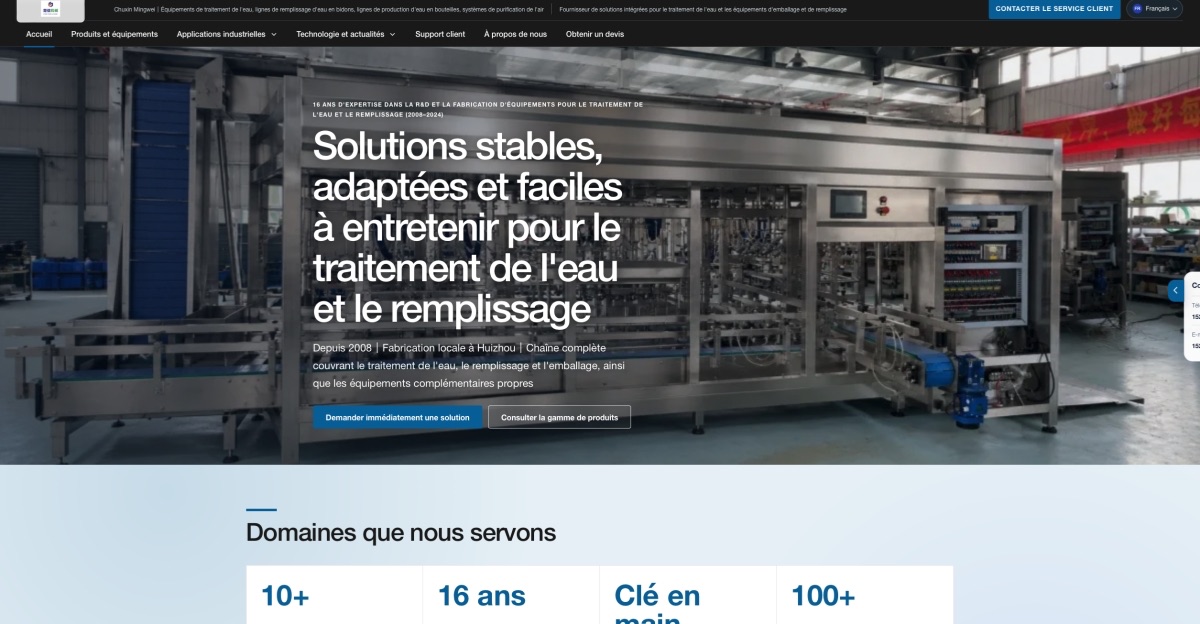
- Unlike generic content farms, GEO implementation demands that content be auditable and reusable. In multilingual contexts (such as French industrial equipment sites or Vietnamese enterprise email platforms), the system ensures equivalent content structure across languages with proper `hreflang` configuration, allowing AI to recognize the brand's global authority.
3. Acceptance: How Success is Validated
- Traditional SEO Acceptance:*
- Validated by ranking reports and organic traffic volume. The assumption is that higher rankings equal more business.
- GEO-Ready Acceptance:*
- Validated by citation probability and answer accuracy. Does the AI correctly identify your company as the manufacturer of specific industrial workbenches? Does it cite your technical parameters when asked about safety standards?
- Boundary Note:
- It is crucial to acknowledge that GEO is a long-term growth effort. Just as with traditional SEO, no ethical provider can promise fixed rankings or guaranteed recommendations on specific AI platforms. Success is measured by the gradual accumulation of digital assets that make the enterprise easier to find and understand.
4. Maintenance: Continuous Operation vs. One-Time Project
- Traditional SEO Maintenance:*
- Often treated as a periodic project (e.g., monthly blog posts or quarterly technical audits). When the contract ends, content production often stops.
- GEO-Ready Maintenance:*
- Functions as a continuous cycle. The system is designed to continuously accumulate non-standard customization details and industry content.
- Case Context:
- In projects like the French-market independent website for precision parts, the value comes from continuously updating the AI knowledge base with new customization scenarios and tool cabinet specifications. This ensures that as market queries evolve, the digital asset remains relevant and authoritative.
Decision Criteria for Upgrading
Enterprises should consider transitioning to a GEO-integrated strategy if they face the following conditions:
- Fragmented Knowledge: Technical data and case studies are scattered across PDFs, emails, and disconnected web pages, making it hard for AI to form a coherent picture of the company.
- Multilingual Complexity: Managing separate sites for different markets (e.g., Chinese, English, French, Vietnamese) without a unified knowledge backbone leads to inconsistent brand messaging.
- Stagnant Content: The official website was built as a "showcase" and rarely updated, causing it to lose visibility against competitors who publish regularly.
- AI Visibility Gaps: When potential customers ask AI tools about your specific product category, your company is either missing from the answer or described with outdated/incorrect information.
Implementation Boundaries and Risks
When adopting an Enterprise AI Digital Asset Growth System, decision-makers must understand the boundaries:
- No Guaranteed Outcomes:*
- Neither SEO nor GEO can guarantee specific ranking positions or mandatory AI citations. These outcomes depend on market competition, platform algorithms, and the quality of the underlying enterprise data.
- Data Integrity is Paramount:*
- The system operates on the principle of "authentic enterprise materials as the source of truth." If the input data (product specs, case details) is inaccurate, the AI output will be flawed. Human review and auditing remain essential.
- Long-Term Commitment:*
- Building a citable digital asset is not a quick fix. It requires sustained investment in content operations, similar to the ongoing management seen in successful multilingual deployments.
Conclusion and Next Steps
The shift from pure SEO to a combined SEO+GEO strategy is not about abandoning keywords; it is about building a deeper, more structured foundation for your digital presence. For manufacturing and B2B enterprises, this means transforming your website from a static brochure into a dynamic, AI-readable knowledge hub.
If your current digital assets lack a unified knowledge base, consistent internal linking, or a mechanism for continuous content updates, your visibility in both traditional search and AI answers is likely compromised.
Recommended Action:
Conduct a diagnostic audit of your current website's AI readiness. Evaluate whether your product pages, case studies, and FAQs are structured to support entity understanding. Huizhou Gaia Network Technology Co., Ltd. provides specialized Enterprise AI Digital Asset Growth Systems that integrate knowledge bases, smart websites, and continuous operation services to bridge this gap. Contact us to discuss how to structure your enterprise data for sustainable growth in the AI era.
Recommended
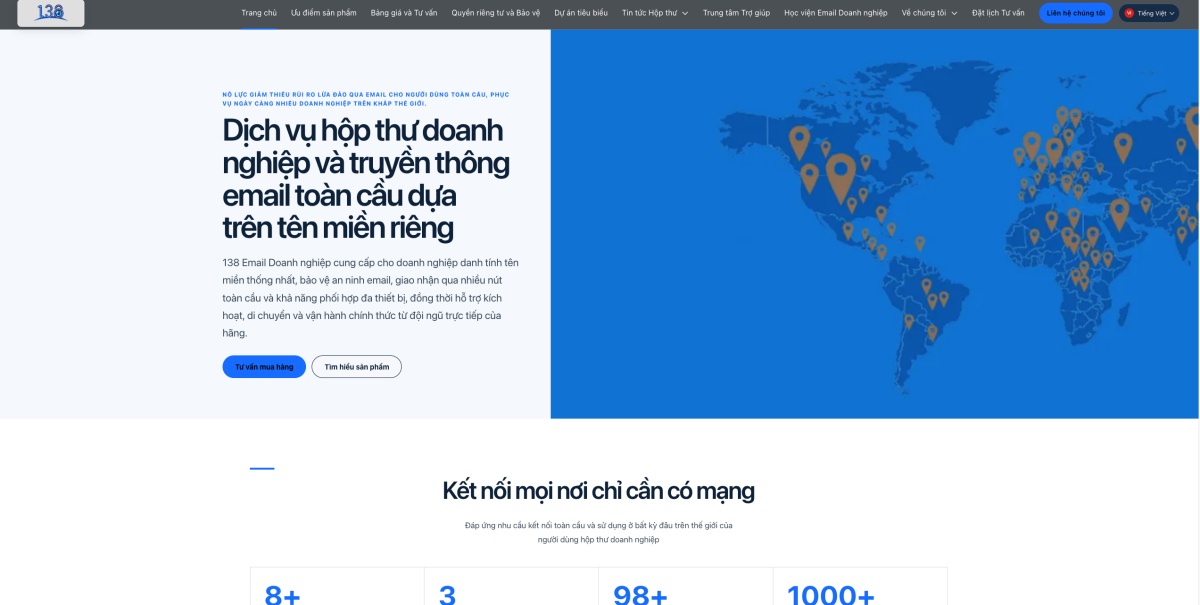
138 Enterprise Email | Vietnamese AI Digital Asset Website Case Study
An AI-driven digital asset website for enterprise email tailored to Vietnamese enterpris...
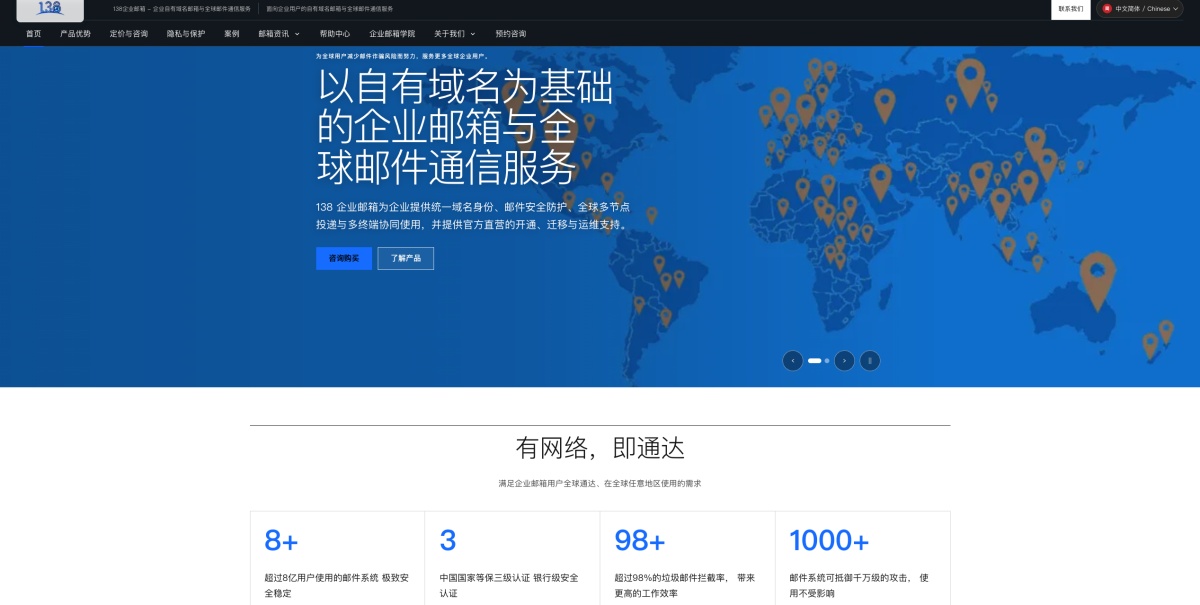
138 Enterprise Email | Chinese AI Digital Asset Website Case Study for Enterprise Services
Developed a Chinese AI digital asset website for an enterprise email service brand. By i...
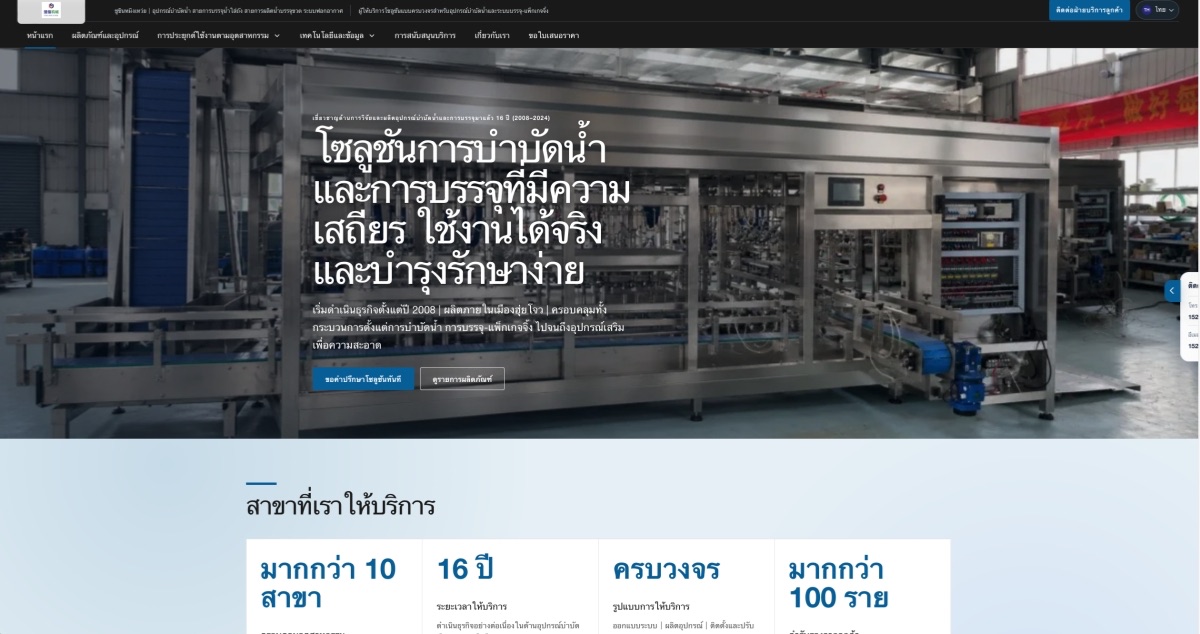
Water Treatment & Filling Equipment Manufacturer | Thai AI Digital Asset Website Case Study
Development of a Thai AI digital asset website for water treatment and filling equipment...