How an AI Knowledge Base Simplifies Complex Industrial Product Catalog Management
How an AI Knowledge Base Simplifies Complex Industrial Product Catalog Management
For manufacturing enterprises and B2B suppliers, product catalogs are often the most critical yet difficult asset to manage. A typical industrial supplier may offer hundreds of SKUs, from standard components to highly customized solutions like industrial workbenches or tool cabinets. Each product requires detailed specifications, compatibility data, application scenarios, and multilingual descriptions.
Traditionally, this information sits in disconnected silos: PDF datasheets on local drives, Excel sheets for inventory, and static text on a website that rarely gets updated. This fragmentation creates three major problems for daily operations:
- Inconsistent Information: Sales teams, support staff, and the public website often present conflicting specifications.
- High Maintenance Costs: Updating a single technical parameter requires manual changes across multiple pages and languages.
- Poor Discoverability: Search engines and AI assistants struggle to understand unstructured documents, making it hard for potential buyers to find specific solutions.
The Myth vs. The Fact of Catalog Management
Myth: "We just need more pages to cover every product variant."
Fact: More static pages often lead to "content bloat"—thin, duplicate, or outdated pages that dilute SEO value. Instead of creating thousands of isolated pages, modern digital asset systems use a centralized Enterprise AI Knowledge Base as the single source of truth.
As noted in Gaia Network Technology’s approach, the goal is not just to build a website, but to connect official websites, knowledge bases, and content operations into sustainably accumulated digital marketing assets. By structuring data at the source, you enable the dynamic generation of product pages and related technical articles, ensuring consistency and relevance.
Myth: "AI will automatically understand our PDFs and rank us higher."
Fact: AI models and search engines require structured, auditable context to provide accurate answers. Simply uploading PDFs is insufficient. An effective system extracts key entities (e.g., material types, dimensions, use cases) and links them logically. This allows AI to "understand" the enterprise’s capabilities, moving beyond simple keyword matching to semantic understanding. However, it is crucial to note that no service can guarantee fixed rankings or inevitable AI recommendations; the focus must be on long-term asset accumulation and continuous optimization.
How Structured Data Drives Dynamic Content
The core of simplifying complex catalog management lies in shifting from "page-centric" to "data-centric" operations. Here is how an AI-driven digital asset system works in practice:
1. Centralized Knowledge Ingestion
Instead of writing unique copy for every product page, operators upload authentic enterprise materials—technical manuals, CAD descriptions, case studies, and FAQ logs—into the Enterprise AI Knowledge Base. This repository becomes the authoritative reference for all downstream content.
2. Automated Content Generation & Linking
Using the structured knowledge base, the system can dynamically generate:
- Product Pages:*
- Pulling real-time specs and features.
- Technical Articles:*
- Explaining application scenarios (e.g., "Choosing the right tool cabinet for humid environments").
- Internal Links:*
- Automatically connecting related products and solutions, improving site architecture and user navigation.
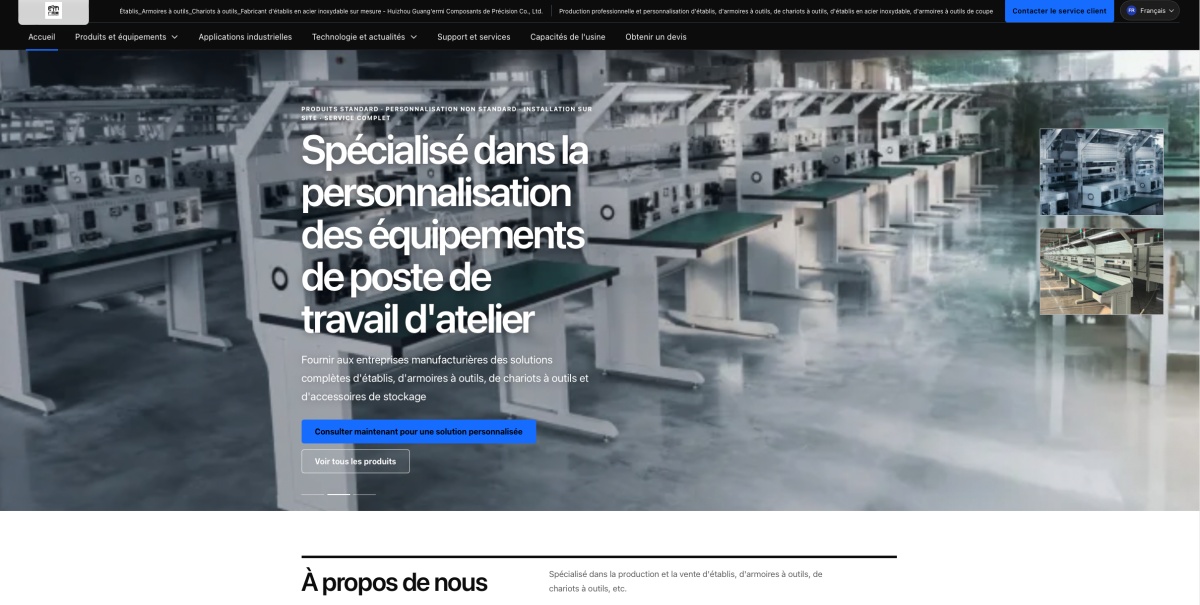
For example, in a project involving a French-market-oriented independent website for industrial workstation equipment, the system leveraged an AI knowledge base to continuously accumulate content on non-standard customization. This allowed the site to address specific local queries about workbenches and tool cabinets without manual rewriting for every variant.
3. Multilingual Consistency
For foreign trade enterprises, maintaining accuracy across languages is a major bottleneck. With a centralized knowledge base, translations are derived from the same source facts. When a specification updates in the primary language, the system flags related multilingual content for review, ensuring that the Vietnamese, French, or English versions remain synchronized and accurate.
Implementation Boundaries and Best Practices
While AI accelerates content production, human oversight remains essential for quality control.
- Auditability:*
- All generated content must be traceable back to the original source material. This ensures that technical claims are verifiable, building trust with B2B buyers.
- No Guarantees:*
- It is important to set realistic expectations. SEO and GEO (Generative Engine Optimization) are long-term growth efforts. There are no guarantees of immediate top rankings or specific AI platform citations. Success depends on the quality, structure, and continuous enrichment of the digital assets.
- Iterative Optimization:*
- Start with core product lines and high-value scenarios. Expand the knowledge base gradually based on actual customer inquiries and search data.
Conclusion
Managing a complex industrial product catalog does not require an army of copywriters. It requires a structured approach to digital assets. By implementing an Enterprise AI Knowledge Base, manufacturing and B2B enterprises can transform scattered data into a coherent, searchable, and scalable digital presence. This not only reduces operational overhead but also enhances visibility in both traditional search engines and emerging AI-driven discovery platforms.
Next Steps
If your enterprise struggles with inconsistent product information or high costs in multilingual content management, consider auditing your current digital assets. Evaluate whether your website is a static brochure or a dynamic, knowledge-driven growth engine.
Huizhou Gaia Network Technology Co., Ltd. provides Enterprise AI Digital Asset Growth Systems designed to help manufacturing, B2B, and foreign trade enterprises build these sustainable assets. Contact us to discuss how a structured knowledge base can streamline your catalog management and improve your market visibility.
Recommended
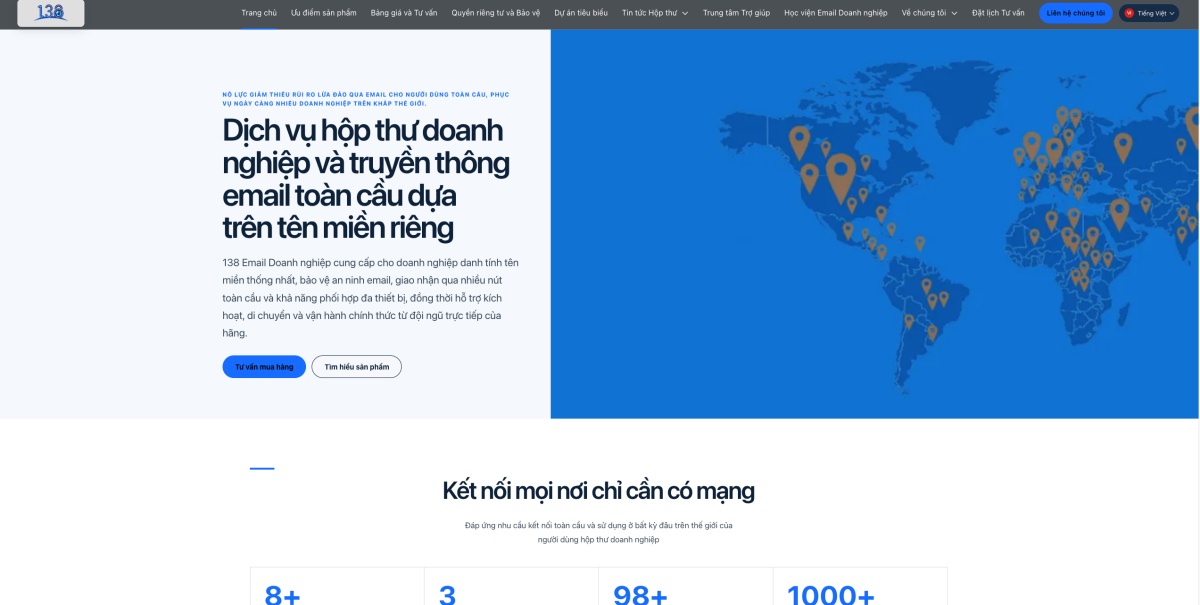
138 Enterprise Email | Vietnamese AI Digital Asset Website Case Study
An AI-driven digital asset website for enterprise email tailored to Vietnamese enterpris...
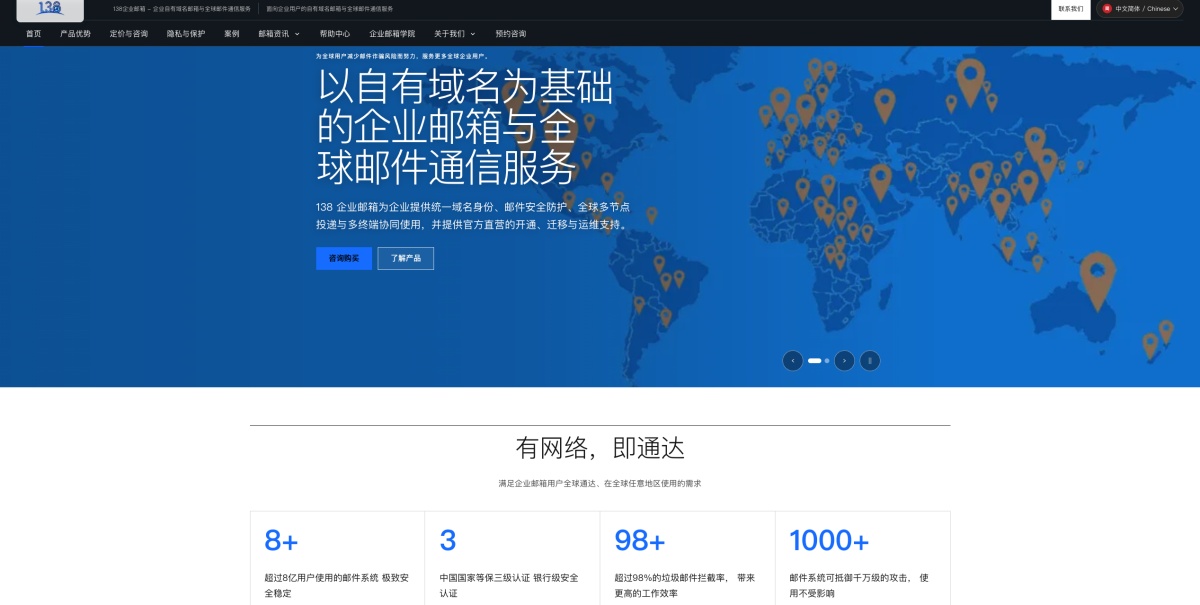
138 Enterprise Email | Chinese AI Digital Asset Website Case Study for Enterprise Services
Developed a Chinese AI digital asset website for an enterprise email service brand. By i...
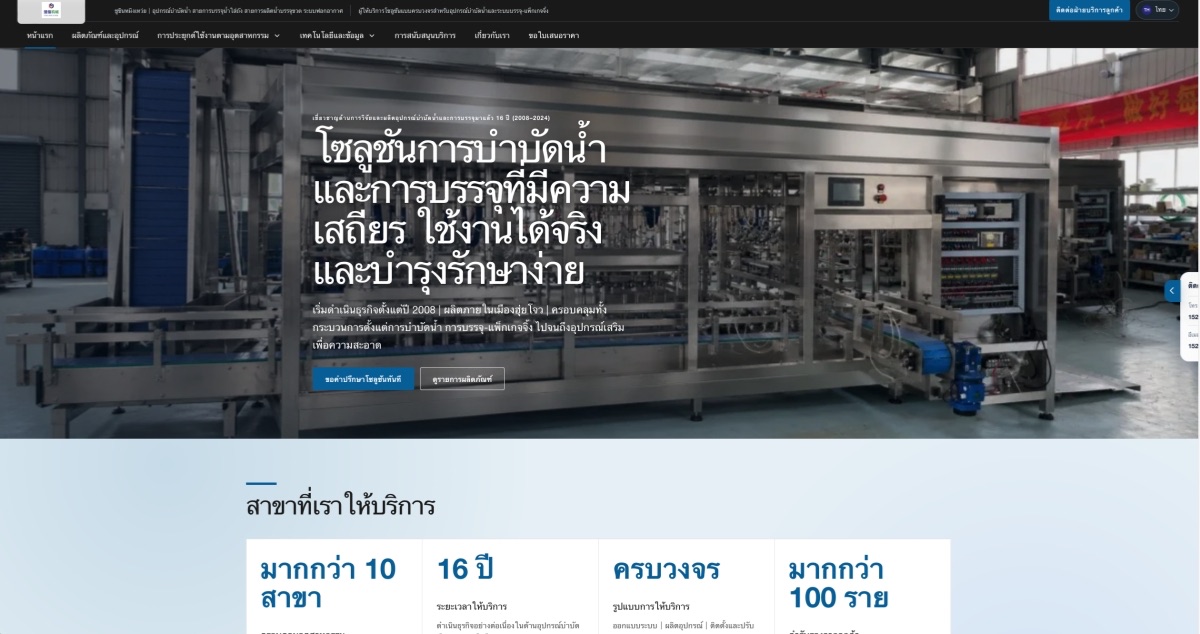
Water Treatment & Filling Equipment Manufacturer | Thai AI Digital Asset Website Case Study
Development of a Thai AI digital asset website for water treatment and filling equipment...