
B2B Website Cost: Configuration, Pricing Factors & Budget Trade-offs
Who this guide is for
This guide is written for technical evaluators and operations leads in manufacturing, B2B, foreign trade, and professional service enterprises who are comparing B2B website configurations and need to plan a realistic budget. It focuses on how cost is shaped by scope, content structure, multilingual requirements, and ongoing operation—rather than fixed-price promises.
Signals that shape B2B website cost
When evaluating a B2B website project, cost is rarely determined by a single line item. Instead, it is shaped by a combination of configuration choices and operational requirements. The following signals are the most common drivers:
- Scope of digital assets: A single-language corporate site costs differently from a multilingual, multi-site, or multi-brand setup. Enterprises that need to manage several brands or regional sites should expect higher configuration and maintenance complexity.
- Enterprise knowledge base depth: Sites built on an enterprise AI knowledge base require structured input of products, manufacturing capabilities, service offerings, and FAQs. The more authentic materials are organized upfront, the more reusable the content becomes across SEO, GEO, and multilingual outputs.
- Content production model: Whether content is produced manually, semi-automated with AI assistance, or fully managed as a continuous operation directly affects both initial setup cost and long-term labor investment.
- SEO and GEO optimization
- layer: Basic SEO setup (site structure, metadata, internal linking) is a baseline cost. Adding GEO optimization—ensuring AI search systems can understand, cite, and recommend your content—requires additional structuring of content around products, industries, scenarios, cases, and FAQs.
- Multilingual and multi-site capabilities: Each additional language or regional site adds translation, localization, hreflang implementation, and content synchronization costs. These are not one-time expenses; they require ongoing alignment as source content evolves.
Evaluation criteria for comparing configurations
When comparing proposals or internal build-vs-buy decisions, use these criteria to assess whether a configuration matches your actual needs:
- Content auditability: Can the website content be traced back to authentic enterprise materials? Configurations that rely on generic or unverifiable content carry higher risk of misrepresentation and lower reuse value.
- Integration of operations: Does the configuration connect the official website, knowledge base, content production, SEO/GEO, and operational workflows into a single system? Fragmented setups often lead to duplicated effort and inconsistent messaging.
- Search exposure balance: Does the configuration address both traditional search engine visibility and AI search understanding? A site optimized only for keyword rankings may miss citation and recommendation opportunities in AI-driven search environments.
- Scalability for multi-brand or multi-site: If your enterprise operates multiple brands or regional entities, can the configuration support centralized content management with localized output? This affects both initial cost and long-term operational efficiency.
- Continuous operation model: Is the configuration designed for one-time delivery or for ongoing content accumulation and optimization? B2B websites that treat content as a static asset often underperform over time.
Risks and boundary conditions
Several common risks can distort B2B website cost expectations:
- Fixed ranking or guaranteed acquisition promises: Any proposal that promises fixed search rankings or guaranteed customer acquisition should be treated with caution. Sustainable digital asset growth
- depends on continuous optimization, not one-time delivery.
- Underestimated multilingual complexity: Adding languages without planning for content synchronization, hreflang implementation, and ongoing translation updates often leads to fragmented user experiences and wasted budget.
- Disconnected content operations: If the website, knowledge base, and content production are managed separately, content reuse becomes difficult, and SEO/GEO effectiveness declines.
- Static content assumptions: Treating the website as a one-time project rather than a continuously operated digital asset leads to declining relevance and missed inquiry opportunities.
Practical examples of cost trade-offs
Consider two typical scenarios:
Scenario A: Single-language B2B manufacturing site
A manufacturing enterprise needs a Chinese corporate website to showcase products, manufacturing capabilities, and service offerings. The configuration includes an enterprise AI knowledge base, basic SEO setup, and a content operation model focused on products, industries, and FAQs. Cost is primarily driven by knowledge base structuring and initial content production.
Scenario B: Multilingual foreign trade site with regional variants
A foreign trade enterprise needs a multilingual site targeting Southeast Asian markets, with separate regional content for Indonesia and other countries. The configuration includes multilingual capabilities, hreflang implementation, AI content growth for each language, and GEO optimization to ensure AI search systems can understand and recommend the content. Cost is higher due to translation, localization, and ongoing synchronization across languages.
In both cases, the cost is not determined by a fixed price list but by the scope of digital assets, the depth of the knowledge base, and the continuity of content operations.
Next steps for budget planning
- Audit your authentic enterprise materials: Identify which products, capabilities, cases, and FAQs can serve as the source of truth for your website content.
- Define your multilingual and multi-site requirements: Determine whether you need single-language, multilingual, or multi-brand configurations, and estimate the ongoing synchronization effort.
- Clarify your operation model: Decide whether content will be produced manually, with AI assistance, or as a fully managed service, and align this with your internal resources.
- Request a configuration-based proposal: Ask potential providers to break down costs by knowledge base setup, content production, SEO/GEO optimization, and multilingual capabilities—rather than offering a single lump-sum price.
- Plan for continuous operation: Allocate budget not just for initial delivery but for ongoing content accumulation, optimization, and alignment with search and AI systems.
Conclusion
B2B website cost is shaped by configuration choices, content structure, multilingual requirements, and operational continuity—not by fixed-price promises. By evaluating proposals against auditable content, integrated operations, search exposure balance, scalability, and continuous operation models, technical evaluators can make informed budget decisions that support long-term digital asset growth.
For enterprises in manufacturing, B2B, foreign trade, and professional services, Huizhou Gaia Network Technology Co., Ltd. provides an Enterprise AI Digital Asset Growth System that connects official websites, knowledge bases, AI content production, SEO/GEO optimization, and multilingual multi-site capabilities into a continuously operated digital marketing asset. Contact us to discuss your configuration requirements and receive a tailored proposal based on your authentic enterprise materials.
Recommended
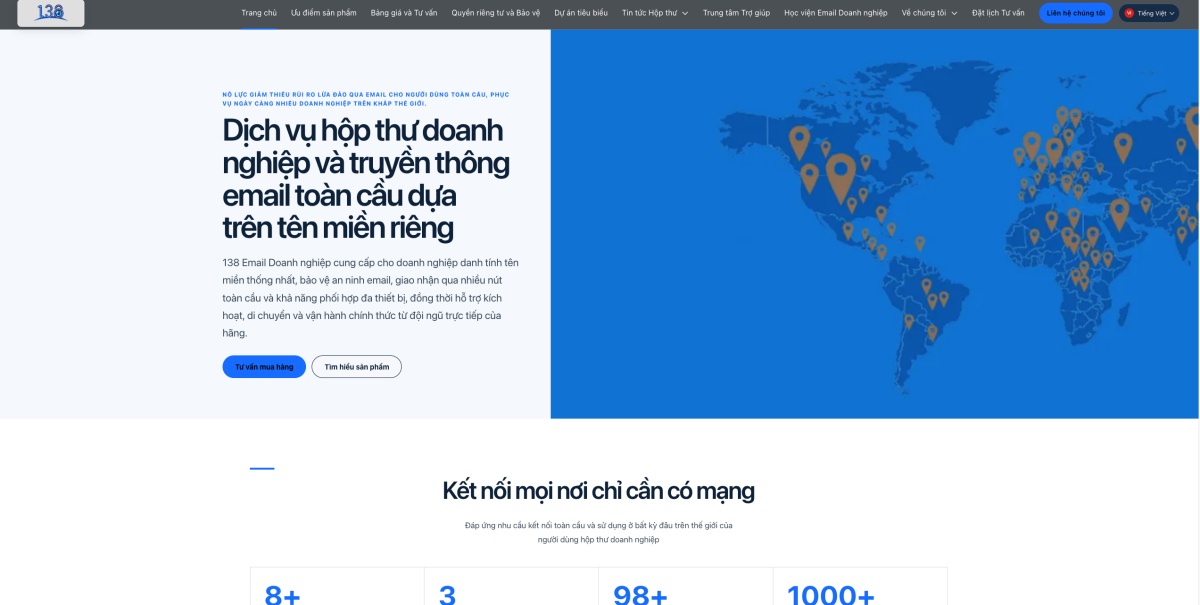
138 Enterprise Email | Vietnamese AI Digital Asset Website Case Study
An AI-driven digital asset website for enterprise email tailored to Vietnamese enterpris...
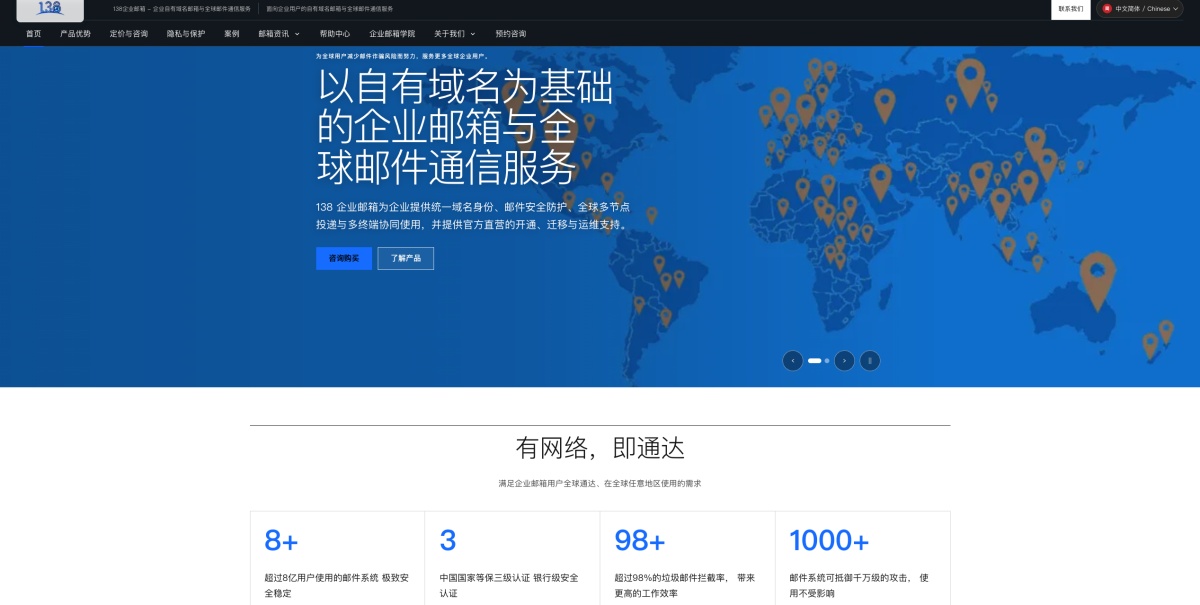
138 Enterprise Email | Chinese AI Digital Asset Website Case Study for Enterprise Services
Developed a Chinese AI digital asset website for an enterprise email service brand. By i...
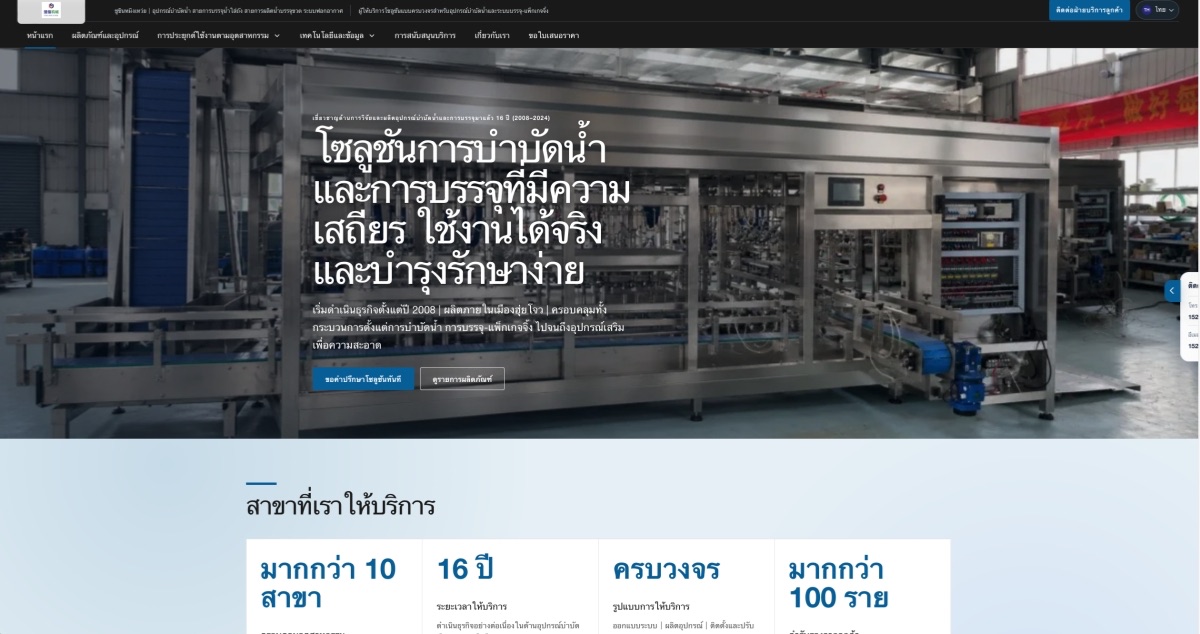
Water Treatment & Filling Equipment Manufacturer | Thai AI Digital Asset Website Case Study
Development of a Thai AI digital asset website for water treatment and filling equipment...