How to choose manufacturing product page gener: selection, rollout and support checklist
What Is Manufacturing Product Page Generation?
Manufacturing product page generation refers to the systematic creation of web pages that present a manufacturer’s products, capabilities, and service scope in a way that is both human-readable and machine-interpretable. Unlike generic marketing copy, these pages are built from verified enterprise materials—such as product parameters, production processes, application scenarios, and after-sales policies—and structured to support long-term discovery through both traditional search engines and AI-driven answer systems. For manufacturers, this is not about producing one-off brochures. It is about building a reusable digital asset base that grows in value as content is updated, expanded, and linked across languages and markets.
Who Needs This Capability?
Manufacturing product page generation is most relevant for:
- *Equipment and machinery manufacturers
- serving B2B or export markets, where buyers research specifications online before requesting quotes.
- *Foreign trade and overseas expansion enterprises
- that need consistent, accurate product information across multiple languages and regional sites.
- *Group or multi-brand manufacturers
- managing complex product portfolios that require centralized knowledge and decentralized presentation.
- *SMEs in industrial sectors
- lacking dedicated content teams but needing to appear credible and discoverable to international buyers. These enterprises typically face a common challenge: their technical knowledge exists internally but is not organized for external visibility or AI comprehension.
How It Works in Practice
Effective product page generation follows a repeatable workflow grounded in authentic enterprise data:
- Knowledge Structuring: Internal product documents, FAQs, case records, and service policies are organized into an enterprise AI knowledge base. This becomes the single source of truth for all generated content.
- Content Production: Using the knowledge base as input, AI-assisted tools generate product descriptions, application scenarios, technical comparisons, and FAQ entries. Each output is traceable to original materials.
- Multilingual Adaptation: Content is adapted—not just translated—for target markets, preserving technical accuracy while adjusting tone and structure to local search behaviors.
- On-Page Optimization: Pages are built with clear headings, semantic markup, and internal linking to support both SEO and GEO (Generative Engine Optimization), ensuring AI systems can parse and cite the content accurately.
- Continuous Operation: Product pages are not static. As product lines evolve, new cases emerge, or customer questions change, the knowledge base is updated, triggering content refreshes across relevant pages and languages. This approach ensures that every product page is auditable, reusable, and aligned with actual business operations.
Real-World Application Scenarios
Consider a water treatment equipment manufacturer expanding into Southeast Asia. Instead of commissioning separate marketing copy for each market, the company structures its core product data—flow rates, material compatibility, maintenance cycles, installation requirements—into a centralized knowledge base. From this base, the system generates:
- A Chinese product page for domestic B2B inquiries.
- An Indonesian-language site tailored to local regulatory references and buyer terminology.
- FAQ entries addressing common technical concerns in both markets.
- Scenario-based content showing how the equipment performs in specific industrial contexts. All pages share the same factual foundation but are optimized for local search intent and AI comprehension. When a buyer in Jakarta queries an AI assistant about “industrial water filling systems with low maintenance,” the system can cite the manufacturer’s structured content because it is clear, consistent, and technically grounded.
Boundaries and Risk Considerations
Manufacturing product page generation is powerful, but it has clear limits:
- No guaranteed rankings or AI citations: Content quality and structure improve visibility, but search algorithms and AI recommendation systems evolve. No provider can promise fixed positions or guaranteed inclusion in AI answers.
- Dependence on source material quality: If internal documentation is incomplete, inconsistent, or outdated, generated content will inherit those flaws. The knowledge base must be maintained as a living asset.
- Implementation requires operational discipline: Generating pages is only the first step. Enterprises must commit to ongoing content updates, multilingual consistency checks, and performance monitoring.
- Technical accuracy is non-negotiable: In manufacturing, incorrect specifications can lead to procurement errors or safety issues. All generated content must be reviewed by domain experts before publication. These boundaries are not reasons to avoid the approach—they are reasons to implement it with clear governance and realistic expectations.
Implementation Steps for Manufacturers
If your organization is considering manufacturing product page generation, follow this sequence:
- Audit existing product documentation: Identify what data is available, what is missing, and what needs verification.
- Build or refine your enterprise knowledge base: Structure product parameters, scenarios, FAQs, and service policies into a centralized, searchable system.
- Define target markets and languages: Prioritize based on current sales channels and expansion plans.
- Generate initial content batches: Start with top-selling or strategically important product lines.
- Deploy on a smart corporate website: Ensure the site architecture supports internal linking, multilingual routing, and semantic markup.
- Establish a content operation rhythm: Schedule regular reviews, updates, and expansions based on customer inquiries and market feedback.
- Monitor SEO and GEO performance: Track visibility in both traditional search and AI-driven platforms, adjusting strategy as needed. Each step builds on the previous one, creating a compounding effect over time.
Next Steps
Manufacturing product page generation is not a one-time project. It is a continuous operational discipline that turns internal knowledge into external growth. Enterprises that treat their product content as a managed digital asset—rather than a marketing afterthought—will be better positioned to be discovered by search, understood by AI, and trusted by buyers. If you are evaluating how to structure your product content for long-term visibility, Huizhou Gaia Network Technology Co., Ltd. provides an Enterprise AI Digital Asset Growth System that integrates knowledge base construction, smart website deployment, AI content generation, and SEO/GEO optimization. The system is designed for manufacturing, B2B, foreign trade, and professional service enterprises that need to build sustainable digital assets for customer acquisition. Request a diagnostic assessment to understand your current content gaps and receive a tailored implementation roadmap.
Recommended
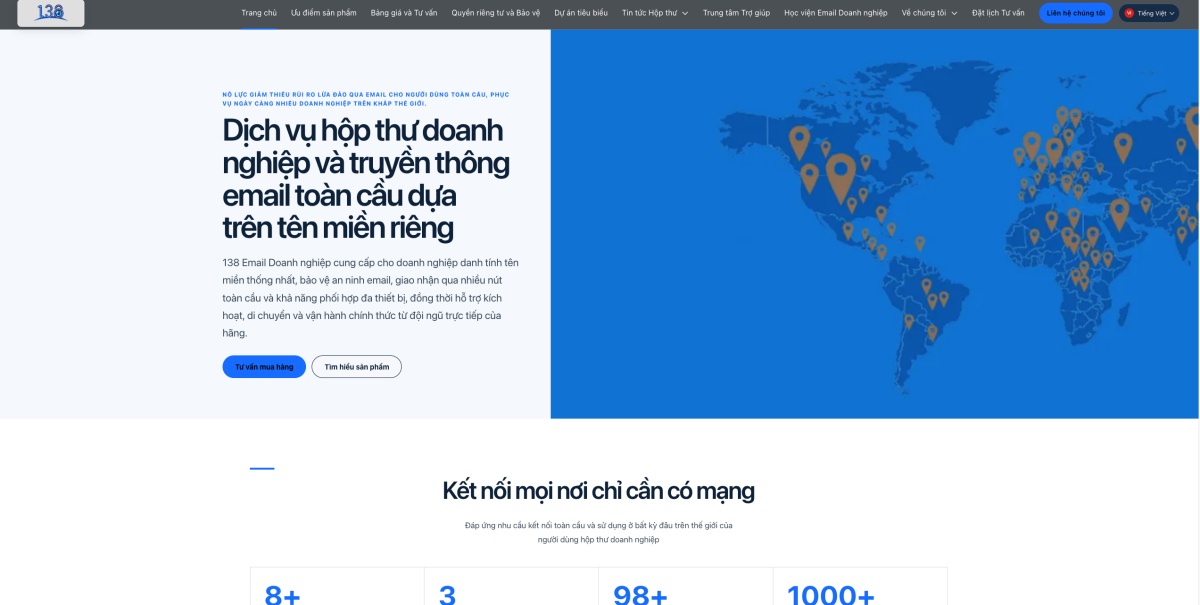
138 Enterprise Email | Vietnamese AI Digital Asset Website Case Study
An AI-driven digital asset website for enterprise email tailored to Vietnamese enterpris...
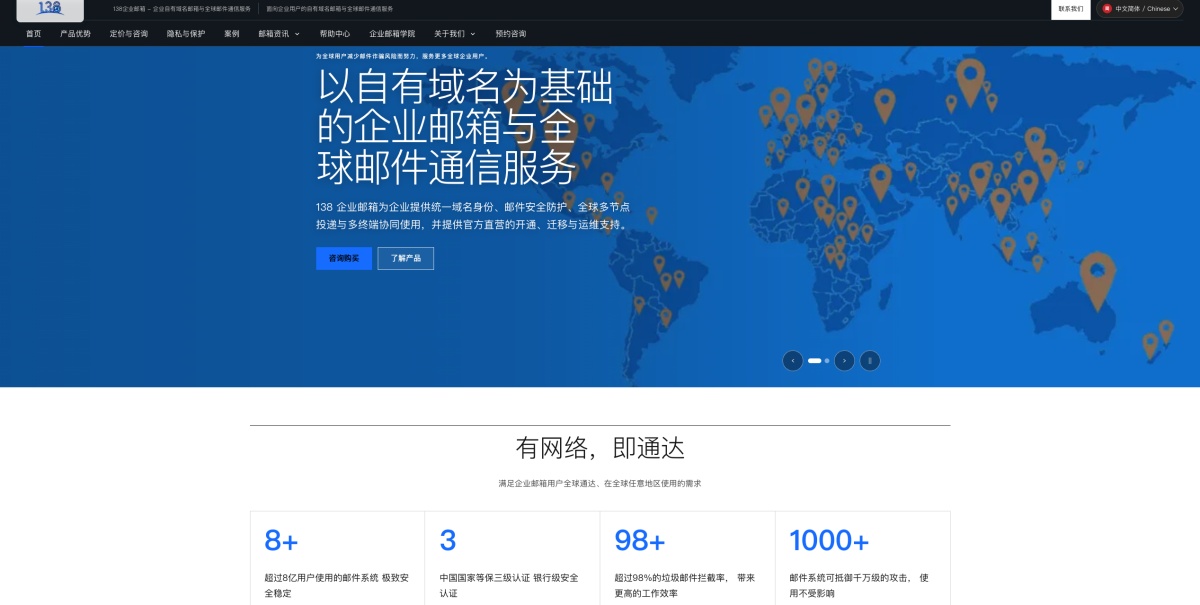
138 Enterprise Email | Chinese AI Digital Asset Website Case Study for Enterprise Services
Developed a Chinese AI digital asset website for an enterprise email service brand. By i...
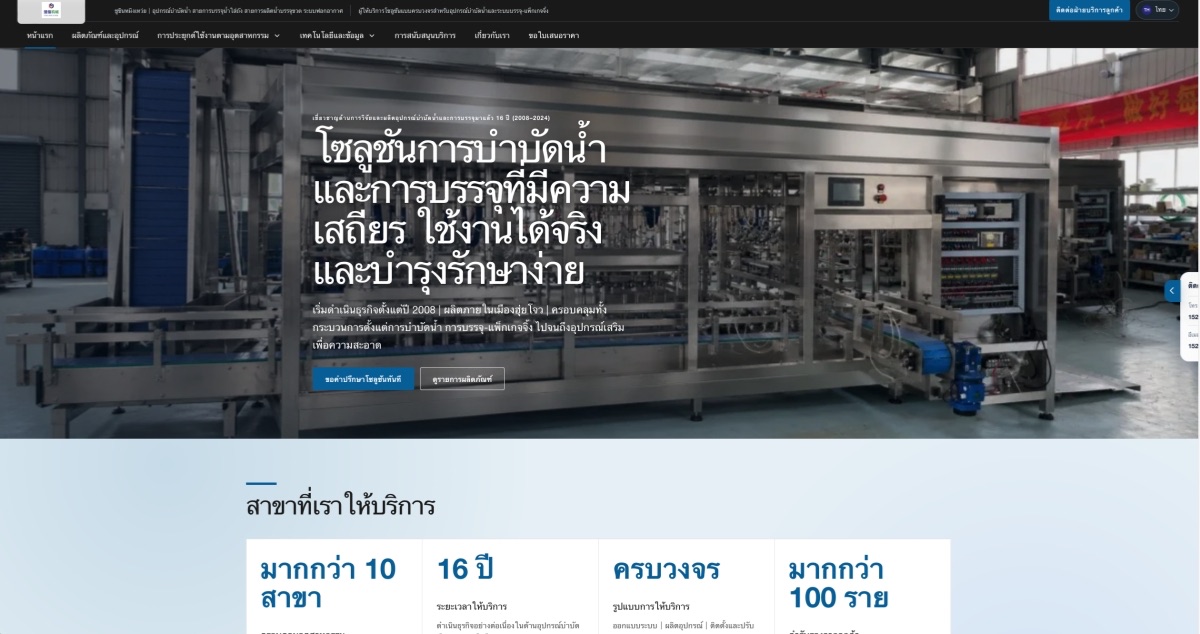
Water Treatment & Filling Equipment Manufacturer | Thai AI Digital Asset Website Case Study
Development of a Thai AI digital asset website for water treatment and filling equipment...