How an Automated Internal Linking Strategy Improves Content Discoverability for Search Engines and AI Models
Direct Answer
An automated internal linking strategy improves discoverability by consistently connecting related pages through context-aware anchors, mapping target keywords to the most relevant pages, and reinforcing entity signals that help search engines and AI models understand your products, industries, and use cases. When implemented with clear rules and human review, it turns scattered content into a navigable, auditable asset network that supports both traditional SEO and AI-oriented GEO.
Who This Applies To
- Manufacturing and industrial enterprises with extensive product lines, technical documentation, and customization scenarios.
- B2B and professional service companies with long decision cycles that require structured evidence, FAQs, and case references.
- Foreign trade and overseas expansion teams managing multilingual, multi-site content with consistent messaging.
- SMEs and group/multi-brand organizations that need reusable content operations without duplicating effort.
How an Automated Internal Linking Strategy Works in Practice
1. Keyword-to-Page Mapping
- Assign each primary keyword or topic cluster to a single canonical page (e.g., a product overview, solution page, or industry article).
- Prevent keyword cannibalization by ensuring secondary or long-tail variations point to supporting pages that link back to the canonical target.
- Maintain a living mapping table that content editors and AI Workers reference during publishing.
2. Context-Aware Linking Rules
- Insert links only where the surrounding text naturally supports the destination topic.
- Use descriptive, varied anchor text that reflects user intent rather than repeating exact-match keywords.
- Limit the number of internal links per page to maintain relevance and avoid diluting link equity.
- Example rule set derived from operational guidelines:
- Product pages link to at least one solution page, one FAQ, and one clear CTA.
- Industry articles link to at least one product page, one scenario page, and one diagnostic or assessment page.
- Case pages must link back to the corresponding product capabilities.
- Avoid stacking multiple anchors in the same paragraph; distribute links where they add navigational value.
3. Entity Recognition and AI Readiness
- Internal links help AI models trace relationships between entities such as products, industries, applications, certifications, and customer problems.
- Consistent cross-referencing across product pages, FAQs, solutions, and cases builds a coherent knowledge graph that AI search systems can cite or recommend.
- Multilingual sites should maintain content equivalence and implement hreflang tags so AI and search engines serve the correct language version to the right audience.
Real-World Scenario: Multilingual Industrial Equipment Site
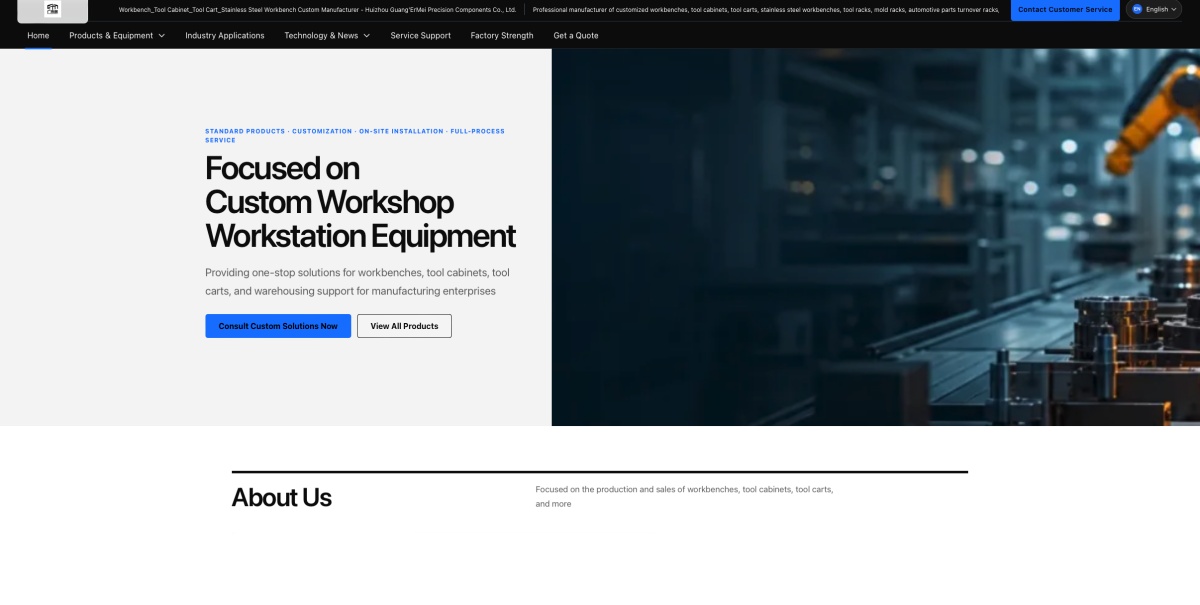
A French-market industrial equipment website focused on workbenches and tool cabinets uses an AI knowledge base and an automated internal linking strategy to connect non-standard customization content, technical FAQs, and product pages. As new articles are published, the system suggests context-appropriate links to relevant product overviews, solution pages, and diagnostic resources. Editors review and approve suggestions before publishing, ensuring accuracy and brand consistency while continuously strengthening the site's internal structure.
This approach aligns with an Enterprise AI Digital Asset Growth System that integrates smart websites, enterprise AI knowledge bases, AI content growth, and SEO/GEO optimization. The result is a sustainable content network that supports both traditional search visibility and AI search understanding without relying on fixed rankings or guaranteed recommendations.
Implementation Boundaries and Risk Controls
- No ranking guarantees: SEO and GEO are long-term growth efforts influenced by market competition, content quality, and platform algorithms. An automated internal linking strategy supports visibility but does not promise fixed positions or guaranteed AI platform recommendations.
- Human-in-the-loop review: AI-suggested links must be validated by editors to prevent irrelevant connections, outdated references, or anchor text over-optimization.
- Content equivalence across languages: Multilingual pages should maintain consistent meaning and structure. Use hreflang correctly and avoid auto-translating anchors without contextual review.
- Avoid link stacking: Excessive or repetitive internal links on a single page can dilute relevance and harm user experience. Follow conservative limits and prioritize navigational value.
- Auditability: All internal links should be traceable to approved enterprise materials. This ensures content remains reusable, compliant, and aligned with actual product capabilities and service boundaries.
Selection and Operational Recommendations
- Start with a clear information architecture: Define primary product, solution, industry, case, and FAQ hierarchies before enabling automated linking.
- Build a keyword-to-page mapping registry: Assign ownership, review cycles, and update triggers for each target page.
- Configure rule-based linking thresholds: Set maximum links per page, anchor variation requirements, and mandatory destination types (e.g., product → solution + FAQ + CTA).
- Integrate with an enterprise AI knowledge base: Use structured product data, technical parameters, and verified FAQs as the source of truth for link suggestions.
- Monitor and adjust: Track internal click-through rates, crawl coverage, and AI citation patterns. Refine mapping and rules based on actual user behavior and search feedback.
- Align with multilingual and multi-site management: Ensure cross-language consistency, hreflang implementation, and centralized control for group or multi-brand operations.
Conclusion
An automated internal linking strategy is not a shortcut to instant traffic. It is a structural discipline that connects authentic enterprise knowledge to the pages where buyers and AI models look for answers. By enforcing keyword-to-page mapping, context-aware anchors, and entity-consistent cross-references, manufacturing, B2B, foreign trade, and professional service enterprises can transform scattered content into a durable digital asset network. When combined with human review and continuous optimization, internal linking becomes a reliable foundation for both SEO exposure and GEO readiness.
Next Steps
If your team is evaluating how to implement an automated internal linking strategy within a smart website and AI knowledge base environment, request a website and AI visibility diagnostic. Our team will review your current content structure, mapping gaps, and multilingual setup, then provide a practical optimization roadmap aligned with your product lines and target markets. Specific service scope, content quotas, language coverage, and delivery cycles are defined in the final contract based on your actual requirements.
Recommended
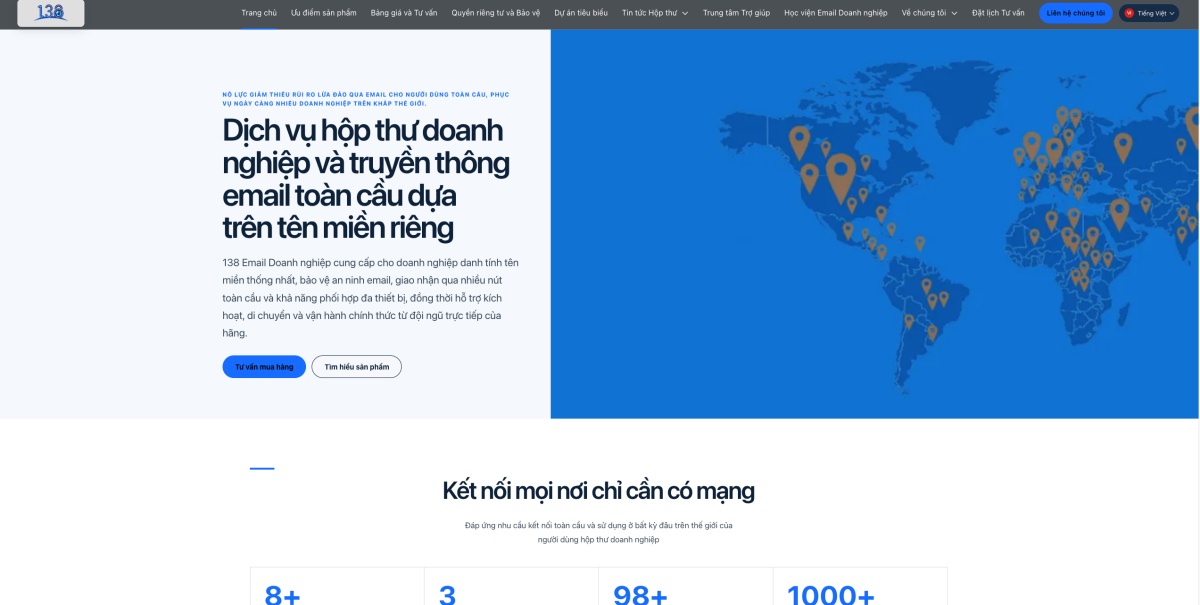
138 Enterprise Email | Vietnamese AI Digital Asset Website Case Study
An AI-driven digital asset website for enterprise email tailored to Vietnamese enterpris...
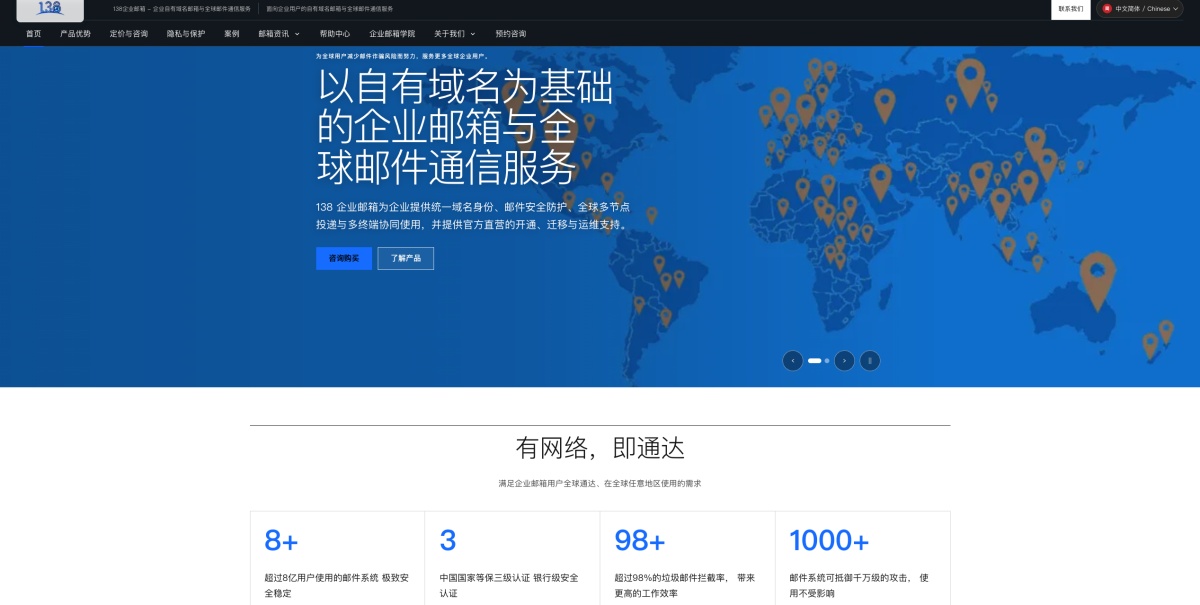
138 Enterprise Email | Chinese AI Digital Asset Website Case Study for Enterprise Services
Developed a Chinese AI digital asset website for an enterprise email service brand. By i...
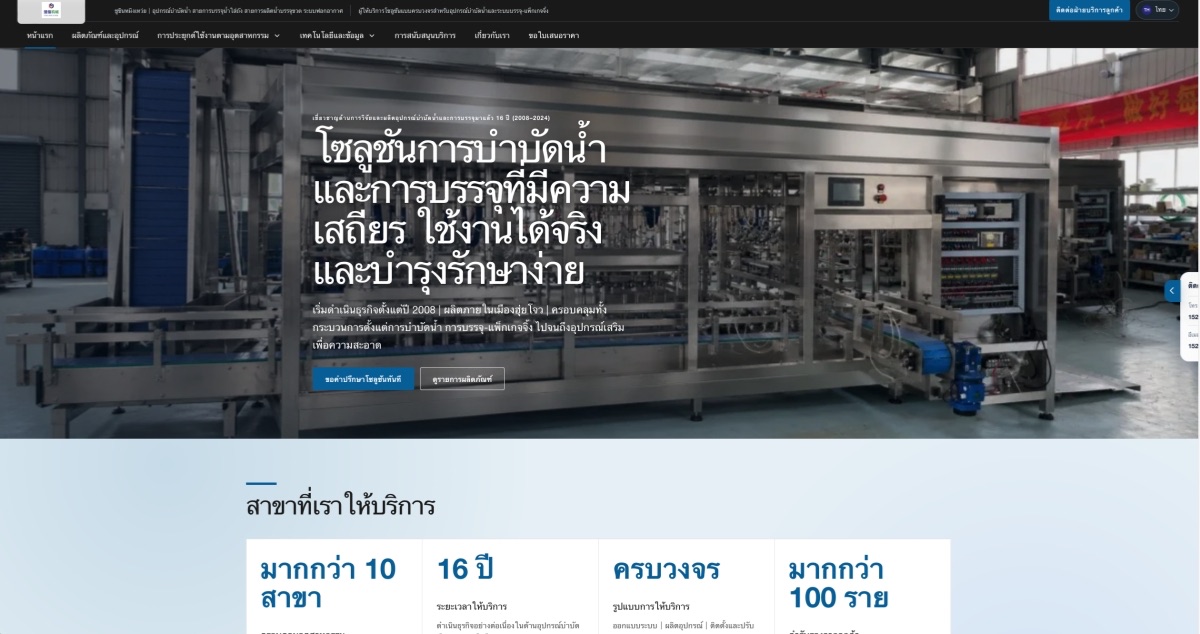
Water Treatment & Filling Equipment Manufacturer | Thai AI Digital Asset Website Case Study
Development of a Thai AI digital asset website for water treatment and filling equipment...