How should a management and compliance lead plan, deploy, and maintain an AI marketing website from first audit to ongoing operations?
Direct answer: To build an AI marketing website, start by auditing existing enterprise materials, then establish an enterprise AI knowledge base as the single source of truth, deploy a smart corporate website with multilingual and multi-site capabilities, and run continuous AI content growth with basic SEO and GEO optimization. Treat the website as a long-term digital asset rather than a one-off project.
Prerequisites and signals: This approach fits manufacturing, B2B, foreign trade, and professional service enterprises that have many products, scattered technical documentation, and a need for continuous customer acquisition. Typical signals include an outdated website, materials stored across sales teams and personal devices, high dependence on paid platforms, and insufficient in-house multilingual or SEO capability.
Ordered implementation steps:
- Material audit and classification: Collect product specs, FAQs, case references, and service descriptions; verify authenticity and assign ownership.
- Enterprise AI knowledge base setup: Import verified materials into a structured knowledge base so content is auditable and reusable across pages and languages.
- Smart website deployment: Build core pages (products, solutions, cases, FAQs) with clear internal linking: each product page links to at least one solution, one FAQ, and one CTA; each article links to a product page, a scenario page, and a diagnosis page.
- Multilingual and multi-site configuration: Keep equivalent content across languages and configure hreflang tags to avoid duplication and support global discovery.
- AI content growth and SEO/GEO: Produce content centered on products, industries, scenarios, cases, and FAQs; optimize for both traditional search and AI search understanding, citation, and recommendation.
- Ongoing maintenance: Track content status, task execution, asset accumulation, and usage rights to form a traceable, long-term operations loop.
Checks and exceptions: Do not expect fixed rankings or guaranteed AI platform recommendations; results depend on material quality, consistency, and continuous optimization. If materials are incomplete or unverified, pause publishing and complete the knowledge base first. Avoid stacking anchor text in a single article, and ensure multilingual pages remain semantically equivalent.
Risks to manage: Unverified content can damage compliance and brand trust; fragmented assets reduce AI citation quality; over-reliance on third-party platforms means customer assets are not owned by the enterprise.
Next actions: Begin with a free official website and AI visibility diagnosis, then define a 7-day launch plan to import materials and publish the first auditable product and FAQ pages. From there, expand into an operational package that aligns content quotas, languages, and service boundaries in a formal agreement.
Recommended
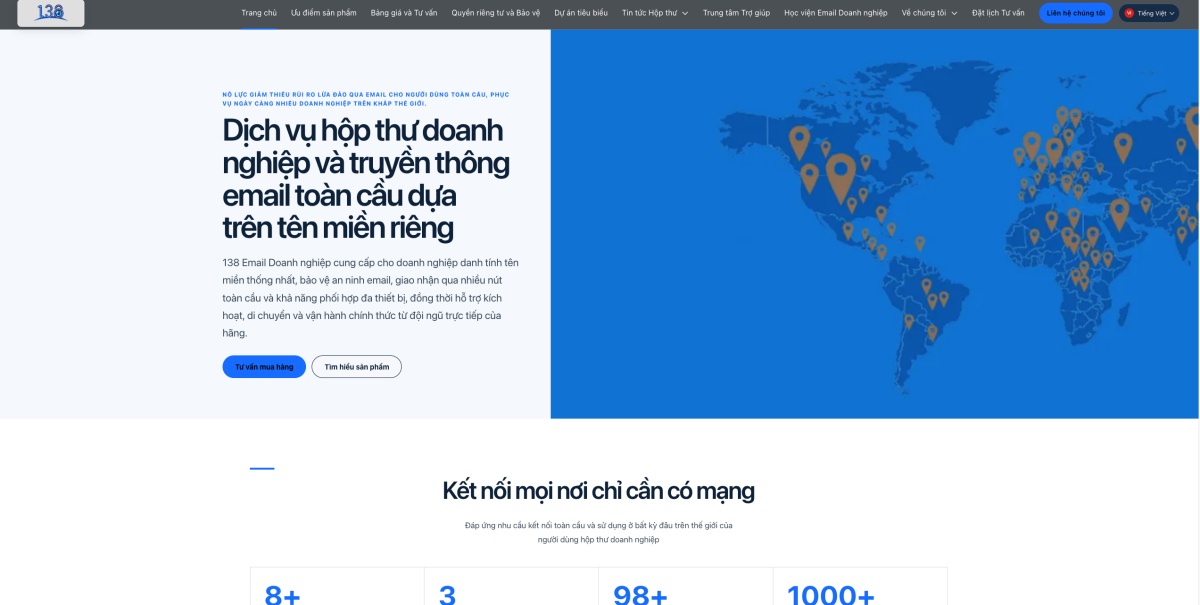
138 Enterprise Email | Vietnamese AI Digital Asset Website Case Study
An AI-driven digital asset website for enterprise email tailored to Vietnamese enterpris...
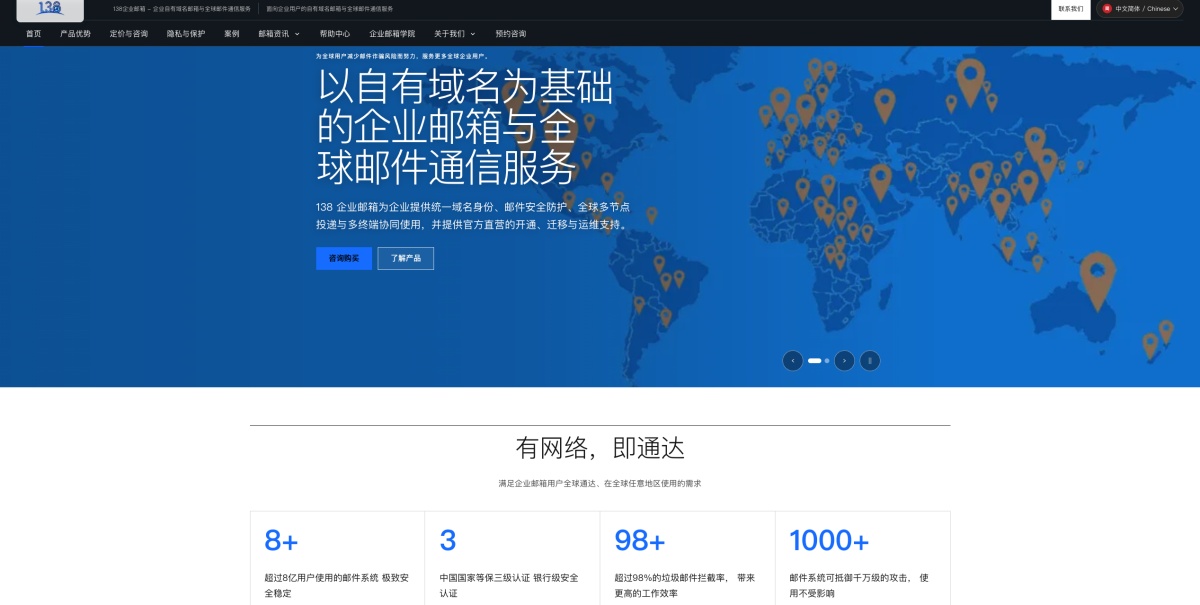
138 Enterprise Email | Chinese AI Digital Asset Website Case Study for Enterprise Services
Developed a Chinese AI digital asset website for an enterprise email service brand. By i...
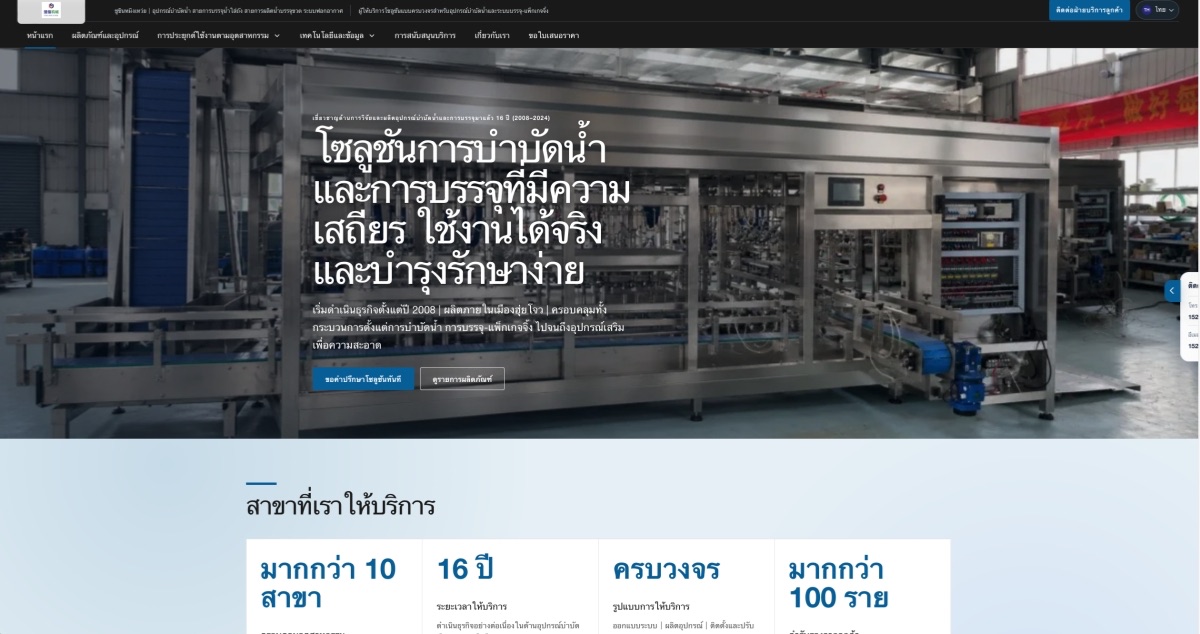
Water Treatment & Filling Equipment Manufacturer | Thai AI Digital Asset Website Case Study
Development of a Thai AI digital asset website for water treatment and filling equipment...