Structuring an Enterprise Knowledge Base for Complex Product Catalogs: A Technical Guide for First-Time Adopters
Structuring an Enterprise Knowledge Base for Complex Product Catalogs
For manufacturing enterprises, B2B service providers, and foreign trade companies, the challenge is no longer just having a website. The core issue is whether your digital presence can effectively answer complex customer queries in an era where buyers increasingly rely on AI assistants for supplier discovery.
Traditional websites often fail because enterprise knowledge—product specifications, customization capabilities, case studies, and FAQs—remains scattered in PDFs, internal wikis, or employee minds. An Enterprise AI Knowledge Base solves this by centralizing authentic enterprise materials, making them auditable, reusable, and ready for AI interpretation.
This guide is designed for technical evaluators and decision-makers preparing to implement their first enterprise knowledge base. It focuses on the structural logic required to turn static documents into dynamic digital assets.
Why Structure Matters for AI and Search
The way customers find suppliers is changing. Instead of simply browsing multiple websites after a keyword search, many users now describe their needs to AI systems, expecting comprehensive answers and vendor recommendations.
If your product data is unstructured, AI systems cannot accurately interpret your capabilities. A well-structured knowledge base ensures that:
- Authenticity is Preserved: Content is based on verified enterprise materials, reducing the risk of AI hallucinations.
- Reusability is Maximized: The same core data can power your smart corporate website, multilingual sites, and AI content growth modules.
- Search Visibility Improves: Structured data supports both traditional SEO and Generative Engine Optimization (GEO), helping your brand be cited in AI-generated responses.
Note: We do not promise fixed rankings or guaranteed AI recommendations. Instead, we focus on long-term asset accumulation and continuous optimization to increase the probability of being discovered and understood.
Core Components of a Structured Knowledge Base
When preparing for implementation, technical teams should organize data into four primary layers. This structure aligns with the Enterprise AI Digital Asset Growth System architecture.
1. Product and Service Core Data
This is the "source of truth." For complex catalogs, such as industrial equipment or SaaS solutions, this includes:
- Standard Specifications:*
- Models, dimensions, materials, and technical parameters.
- Customization Boundaries:*
- What can be modified? What are the lead times?
- Application Scenarios:*
- Where and how is the product used?
Example: In a project for a French-market industrial equipment manufacturer, the knowledge base structured data around non-standard customization options for workbenches and tool cabinets. This allowed the AI to generate accurate, localized content for specific industry queries, rather than generic product descriptions.

2. Solution and Scenario Context
Buyers often search for solutions to problems, not just product names. Your knowledge base must link products to real-world applications.
- Industry-Specific Use Cases:*
- How does your product solve problems in automotive, electronics, or logistics?
- Pain Point Mapping:*
- Connect technical features to business outcomes (e.g., "durability" links to "reduced maintenance costs").
3. Trust and Proof Assets
AI systems prioritize credible sources. Include:
- Case Studies:*
- Detailed narratives of past projects, including challenges and results.
- Certifications and Compliance:*
- Verified qualifications (only include verified data).
- FAQs:*
- Common technical and commercial questions answered with precision.
4. Multilingual and Multi-Site Logic
For enterprises expanding overseas, the knowledge base must support multilingual operations. Instead of translating pages in isolation, translate the underlying knowledge entities. This ensures consistency across your Chinese, English, French, or Vietnamese sites.
Example: A cross-border enterprise email service provider used a unified knowledge base to manage content for both Chinese and Vietnamese markets. This ensured that technical terms regarding "email security" and "global communication" were consistent and accurate across languages, supporting a cohesive brand image.
Implementation Preparation: Ingesting and Structuring Data
For technical evaluators, the critical step is preparing data for ingestion. The system must be capable of processing various file formats and structuring them for Retrieval-Augmented Generation (RAG).
Step 1: Data Collection and Audit
Gather all existing materials: product manuals, CAD drawings (converted to text/descriptions), sales decks, and historical customer inquiries. Identify gaps where information is missing or outdated.
Step 2: Format Standardization
Convert disparate formats into clean, machine-readable text.
- PDFs/Word Docs:*
- Extract text while preserving hierarchy (headings, lists).
- Images/Diagrams:*
- Add descriptive alt-text or captions that explain the visual data.
- Spreadsheets:*
- Normalize product tables into structured JSON or CSV formats for easier parameter mapping.
Step 3: Semantic Tagging and Linking
Do not just upload files. Tag content with metadata:
- Product ID/SKU:*
- Link content to specific items.
- Industry Tags:*
- e.g., "Manufacturing," "Logistics," "SaaS."
- Intent Tags:*
- e.g., "Technical Specification," "Pricing Inquiry," "Installation Guide."
This semantic layer allows the AI Worker to retrieve precise information when generating content or answering user queries on your smart website.
Acceptance and Maintenance: Ensuring Long-Term Value
A knowledge base is not a one-time project. It requires continuous operation to remain relevant.
Acceptance Criteria
- Accuracy Check:*
- Verify that AI-generated outputs match the source documents.
- Coverage Test:*
- Ensure key products and scenarios are represented.
- Link Integrity:*
- Confirm that internal links connect products to related cases and FAQs, creating a cohesive information architecture.
Ongoing Maintenance
- Regular Updates:*
- Add new products, cases, and FAQs as they become available.
- Performance Monitoring:*
- Track which content drives inquiries and refine underperforming sections.
- Feedback Loop:*
- Use customer inquiries to identify missing information in the knowledge base.
Conclusion
Building an enterprise knowledge base is the foundational step in transitioning from a static website to a dynamic Enterprise AI Digital Asset Growth System. By structuring your authentic enterprise materials, you enable your website to be better understood by search engines and AI assistants, facilitating continuous customer acquisition.
For manufacturing, B2B, and foreign trade enterprises, this approach transforms scattered documents into a strategic asset. It balances traditional search exposure with emerging AI search opportunities, ensuring your business remains visible and credible in a changing digital landscape.
Next Steps
If you are evaluating how to structure your enterprise knowledge base for AI readiness, start with a diagnostic of your current content assets.
Contact Gaia Network Technology to discuss how our Enterprise AI Digital Asset Growth System can help you build, structure, and operate your digital assets for sustainable growth. We provide tailored solutions for smart websites, AI content growth, and multilingual management, grounded in your authentic business data.
Recommended
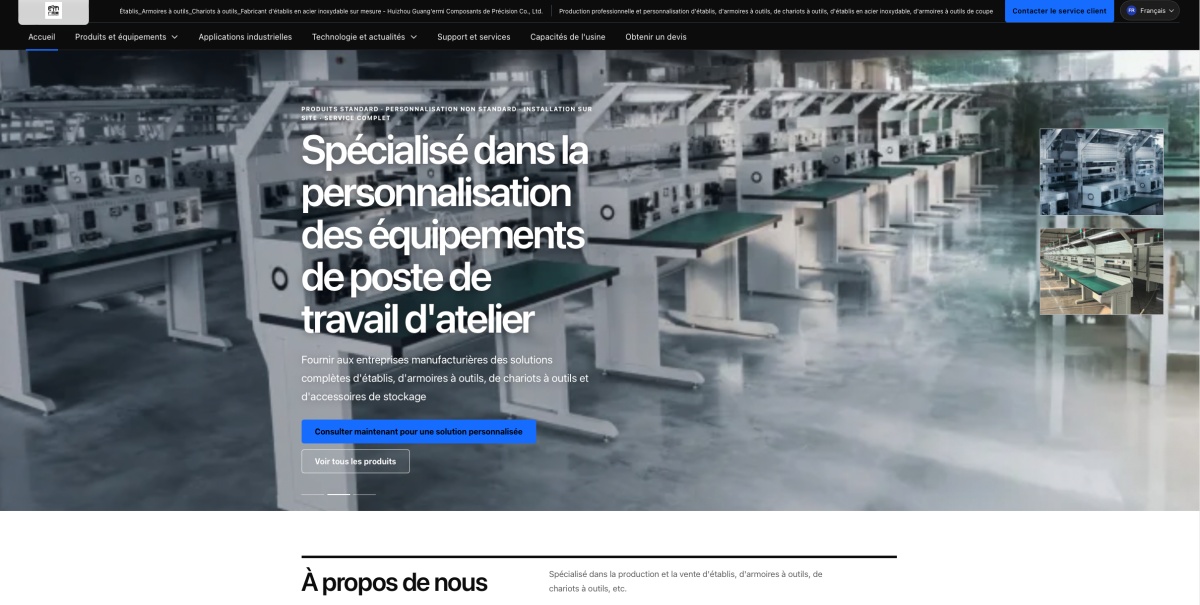
Guangermei Precision Parts | French AI Digital Asset Independent Website Case Study
This project involves building a French-market-oriented AI digital asset independent web...
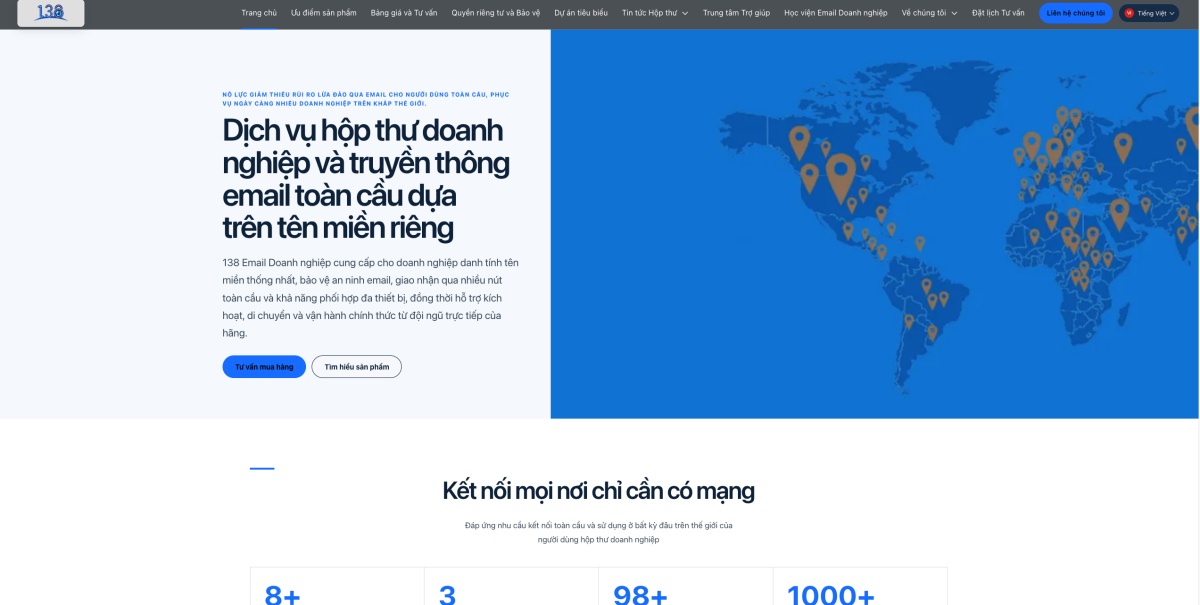
138 Enterprise Email | Vietnamese AI Digital Asset Website Case Study
An AI-driven digital asset website for enterprise email tailored to Vietnamese enterpris...
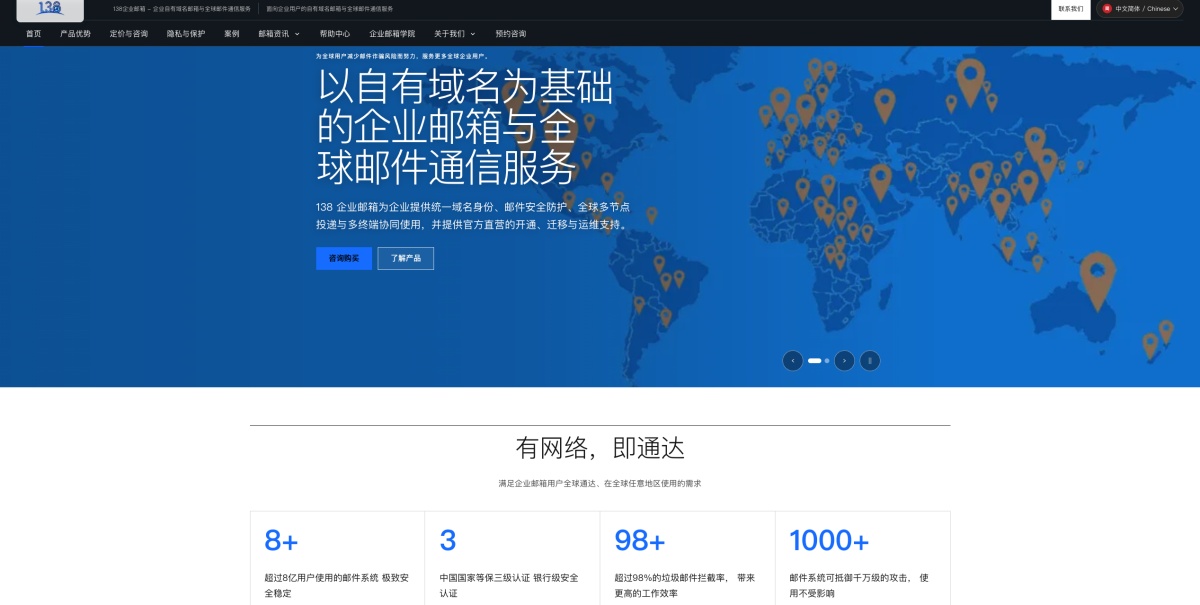
138 Enterprise Email | Chinese AI Digital Asset Website Case Study for Enterprise Services
Developed a Chinese AI digital asset website for an enterprise email service brand. By i...