What are the practical benefits of AI search optimization (GEO) for B2B and manufacturing websites, and how should enterprises evaluate its realistic impact?
Direct Answer: AI search optimization—often referred to as Generative Engine Optimization (GEO)—helps B2B and manufacturing websites become more accurately understood, cited, and recommended by AI-powered search platforms such as ChatGPT, Perplexity, and Google AI Overviews. Unlike traditional SEO, which focuses on keyword rankings, GEO ensures that your enterprise's authentic product specifications, application scenarios, case studies, and FAQs are structured in a way that AI systems can reliably parse and reference when answering buyer queries.
Who Benefits Most from AI Search Optimization?
GEO delivers measurable value for enterprises that rely on complex decision-making cycles and technical credibility, including:
- Manufacturing and industrial companies that need AI systems to accurately cite product models, materials, process capabilities, and application environments.
- B2B service providers whose buyers research solutions through AI assistants before contacting sales teams.
- Foreign trade and overseas expansion enterprises targeting multilingual buyers who increasingly use AI search tools in their native languages.
- Multi-brand or group enterprises managing several product lines or regional sites that need consistent, auditable information across all digital touchpoints.
Core Benefits in Real-World Scenarios
When implemented as part of an Enterprise AI Digital Asset Growth System, GEO provides several tangible advantages:
- Improved AI Citation Accuracy: By structuring enterprise knowledge bases around verified product data, technical parameters, and industry-specific FAQs, AI systems are more likely to cite your brand correctly rather than generating generic or competitor-biased responses.
- Reduced Pre-Sales Explanation Costs: When AI platforms can accurately summarize your capabilities, buyers arrive at initial conversations with better-informed expectations, shortening the sales cycle.
- Sustainable Digital Asset Accumulation: Unlike paid advertising, well-structured content assets—such as solution pages, case studies, and technical guides—continue to serve both human visitors and AI crawlers over time, compounding in value.
- Multilingual Consistency: GEO-aligned content management ensures that multilingual and multi-site deployments maintain factual accuracy, so AI systems referencing your Indonesian, Chinese, or English sites all reflect the same core enterprise truths.
Boundaries and Realistic Expectations
It is important to understand what GEO does not guarantee:
- No guaranteed AI platform recommendations: AI models update frequently, and no provider can promise fixed citation positions on specific platforms.
- No instant results: GEO is a long-term growth effort. AI systems need time to crawl, index, and learn to trust your content as a reliable source.
- No substitute for authentic enterprise materials: AI optimization only works when built on real product data, verified case studies, and genuine technical expertise. Fabricated or thin content will not earn AI trust.
Next Steps for Evaluation
If your enterprise is considering AI search optimization, start by auditing your current digital assets: Are your product specifications, industry solutions, and customer FAQs structured in a machine-readable format? Is your content consistent across languages and sites? Huizhou Gaia Network Technology can help you assess your readiness for GEO integration as part of a broader Enterprise AI Digital Asset Growth strategy. Contact our team to discuss your specific industry scenario, multilingual requirements, and long-term content operation goals.
Recommended
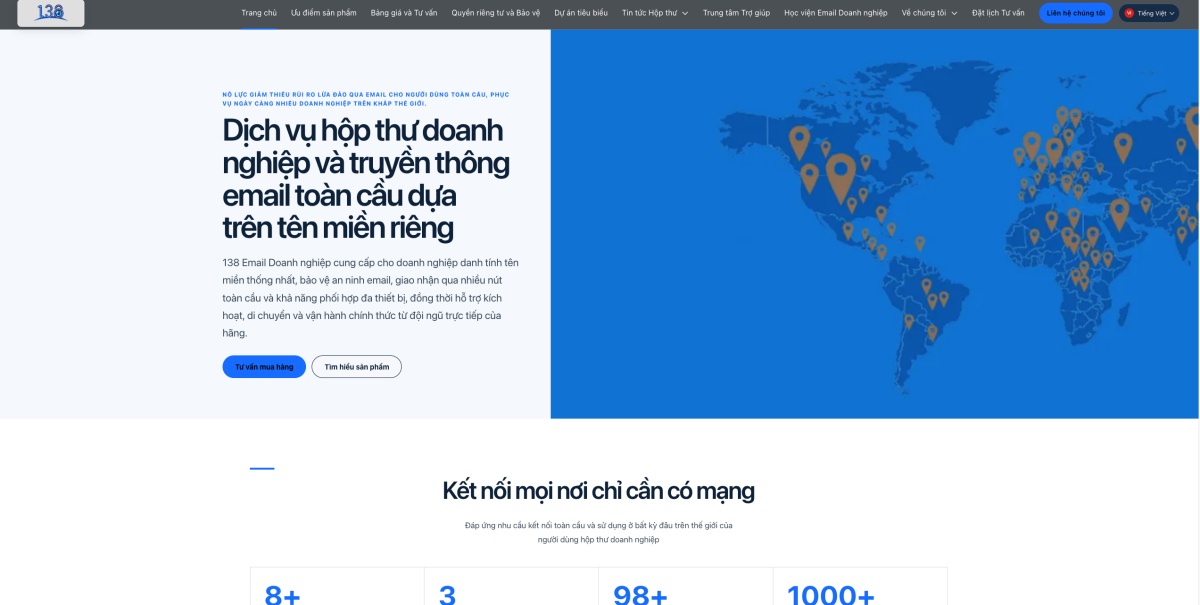
138 Enterprise Email | Vietnamese AI Digital Asset Website Case Study
An AI-driven digital asset website for enterprise email tailored to Vietnamese enterpris...
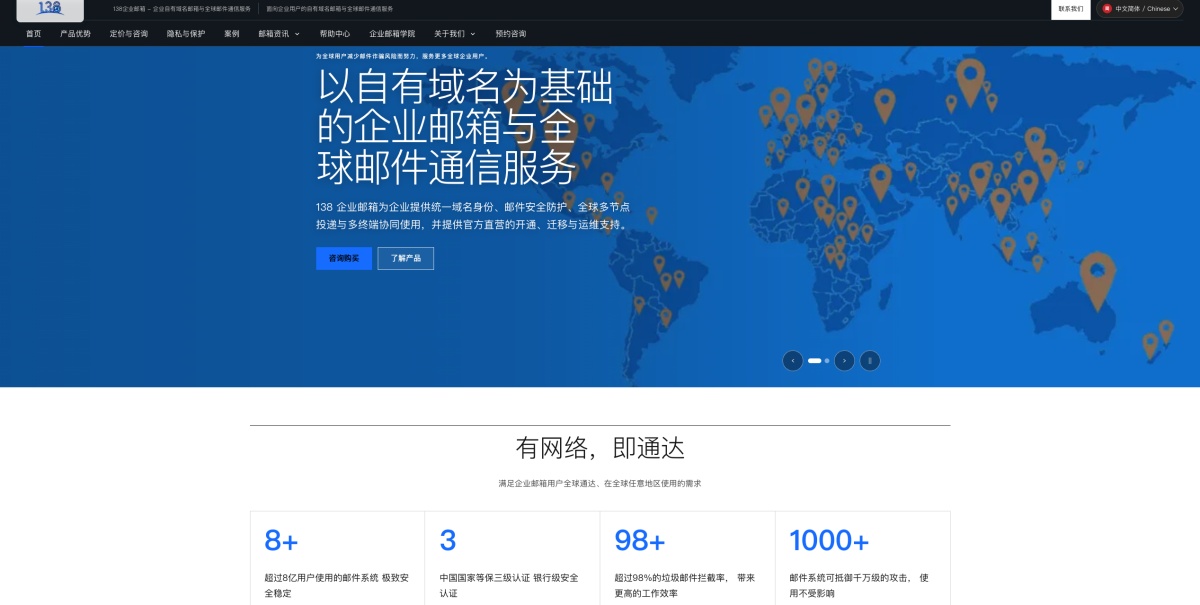
138 Enterprise Email | Chinese AI Digital Asset Website Case Study for Enterprise Services
Developed a Chinese AI digital asset website for an enterprise email service brand. By i...
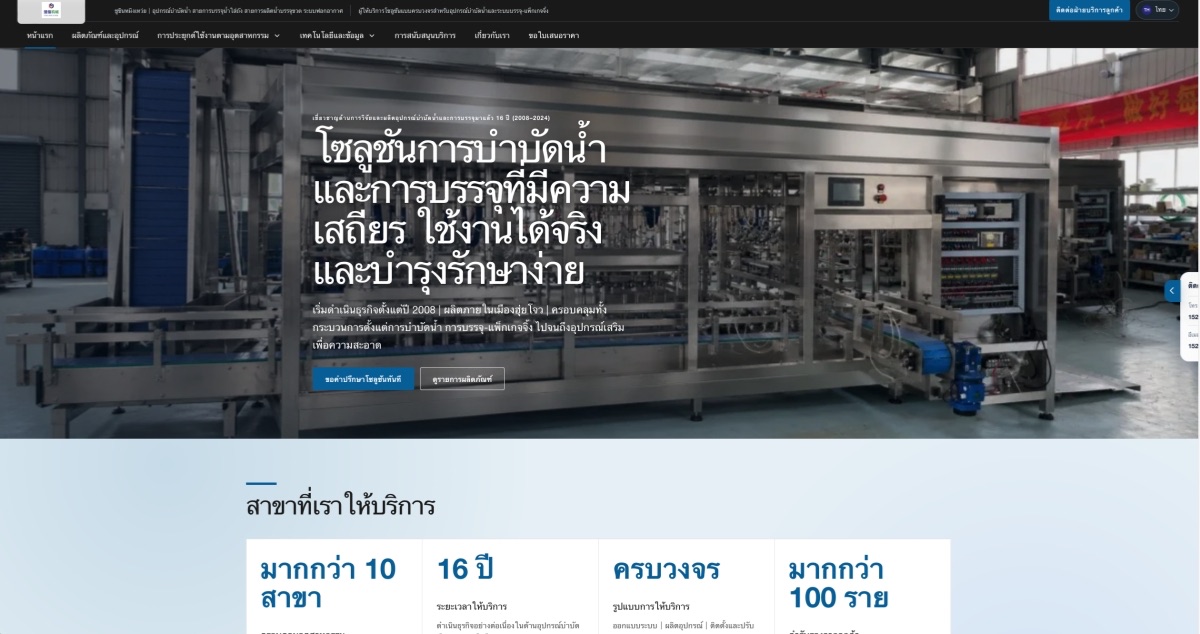
Water Treatment & Filling Equipment Manufacturer | Thai AI Digital Asset Website Case Study
Development of a Thai AI digital asset website for water treatment and filling equipment...