Daily Operations for AI-Driven Websites: A Practical Guide for Operators
Daily Operations for AI-Driven Websites: A Practical Guide for Operators
Managing an AI-driven smart website is fundamentally different from maintaining a traditional static site. In the traditional model, operations often meant updating a news section or fixing broken links once a month. However, under the Enterprise AI Digital Asset Growth System, the website acts as a dynamic interface between your enterprise knowledge and external search engines (both traditional SEO and AI-driven GEO). For actual users and operational teams in manufacturing, B2B, or foreign trade enterprises, the core challenge is not just "launching" the site, but sustaining its growth. This guide outlines the necessary daily and weekly operational routines to keep your digital assets accumulating value.
1. The Core Operational Loop: Knowledge, Content, and Search
The primary goal of daily operations is to feed the Enterprise AI Knowledge Base with authentic, auditable materials. As defined by Huizhou Gaia Network Technology, the system relies on "authentic enterprise materials as the source of truth." Therefore, the operator's role is to bridge the gap between internal expertise (product manuals, case studies, FAQs) and the public-facing website. The operational loop consists of three stages:
- Input: Uploading and structuring new enterprise data into the knowledge base.
- Processing: Using AI tools to generate or update content (product pages, industry solutions, FAQs).
- Output & Monitoring: Publishing content and monitoring its performance in search results.
2. Step 1: Weekly Knowledge Base Audits
The most critical daily/weekly task for an AI website operator is ensuring the Enterprise AI Knowledge Base remains accurate and comprehensive. Unlike a standard CMS where you edit a page directly, here you manage the source of the information.

Action Items:
- *Review New Product Data:
- If your manufacturing team releases a new specification sheet or a new product line (e.g., industrial workbenches or tool cabinets), upload these documents to the knowledge base immediately. Do not wait for a quarterly update.
- *Validate AI-Generated Content:
- AI can draft content quickly, but it may hallucinate technical parameters. Operators must review AI-generated product descriptions against the original technical drawings or manuals. For example, in the case of Guangermei Precision Parts, the French independent website for industrial workstation equipment relied on continuously accumulating non-standard customization content. An operator must verify that the AI correctly interprets "non-standard" requirements and does not invent capabilities.
- *Update FAQ Sections:
- Monitor customer service inquiries. If sales teams receive repeated questions about shipping, certification, or compatibility, add these Q&A pairs to the knowledge base. This ensures the AI can answer future queries accurately, reducing pre-sales explanation costs.
3. Step 2: Content Growth and Internal Linking
Once the knowledge base is updated, the next step is to ensure this information is visible through AI Content Growth mechanisms. The system uses AI Workers to automatically create internal links and structure content for better discoverability.
Action Items:
- *Monitor Auto-Generated Pages:
- Check if new products or cases have been automatically converted into dedicated landing pages. Ensure the titles and meta descriptions are relevant to target keywords (e.g., "French workbench website" or "enterprise email security").
- *Verify Internal Linking Structure:
- The system should automatically link related topics. For instance, a page about "Tool Cabinets" should link to "Industrial Workbenches" and relevant "Case Studies." Operators should spot-check these links to ensure they make logical sense to a human visitor and do not create confusing navigation paths.
- *Multilingual Consistency Checks:
- For enterprises with overseas expansion needs (like the 138 Enterprise Email Vietnamese case study), operators must ensure that updates in the primary language are reflected in secondary languages. While AI can translate, cultural nuances and technical terms often require manual verification to avoid miscommunication in cross-border teams.
4. Step 3: SEO and GEO Performance Analysis
Traditional SEO focuses on keyword rankings, while GEO (Generative Engine Optimization) focuses on how AI models understand and cite your content. Daily operations must address both.
Action Items:
- *Track Search Visibility:
- Use analytics tools to monitor which pages are receiving traffic. Identify pages with high impressions but low clicks; these may need better titles or more compelling meta descriptions.
- *Analyze AI Citations:
- Observe if your brand or specific product solutions are being cited in AI search results or summaries. This is harder to track than traditional rankings but crucial for long-term asset accumulation. If your content is not being cited, it may lack the structured data or authoritative tone required by AI models.
- *Avoid "Black Box" Promises:
- As emphasized in our service principles, we do not promise fixed rankings or guaranteed customer acquisition. Instead, focus on long-term asset accumulation. If traffic dips, investigate whether the knowledge base has become stale or if competitors have published more comprehensive technical guides.
5. Common Pitfalls in Daily Operations
- *Neglecting the Source of Truth:
- Relying solely on AI without human oversight leads to outdated or incorrect information. Always anchor AI outputs in verified enterprise materials.
- *Ignoring Multilingual Nuances:
- Direct translation often fails in B2B contexts. For example, technical terms in German or French manufacturing sectors may differ significantly from English equivalents. Operators must ensure localized content resonates with local buyers.
- *Treating the Website as a One-Time Project:
- An AI-driven website is a living system. Without continuous input of new cases, FAQs, and product updates, the AI's ability to generate relevant content diminishes over time.
Conclusion
Daily operations for an AI-driven website are less about technical troubleshooting and more about knowledge management and content governance. By consistently updating the enterprise knowledge base, auditing AI-generated content, and monitoring both SEO and GEO performance, operators can transform their official website into a sustainable digital marketing asset. This approach aligns with the Enterprise AI Digital Asset Growth System philosophy: connecting official websites, knowledge, content, and search operations into a sustainably accumulated asset. For manufacturing and B2B enterprises, this means being more easily discovered by search engines and understood by AI, leading to continuous inquiry opportunities.
Next Steps
If you are struggling to maintain consistent content output or find your current website static and unresponsive to market changes, consider integrating an AI-driven operational system. Contact Huizhou Gaia Network Technology to schedule a free diagnosis of your current website's AI visibility and content growth potential. We can help you design a tailored operation plan based on your specific industry and multi-site requirements.
Recommended
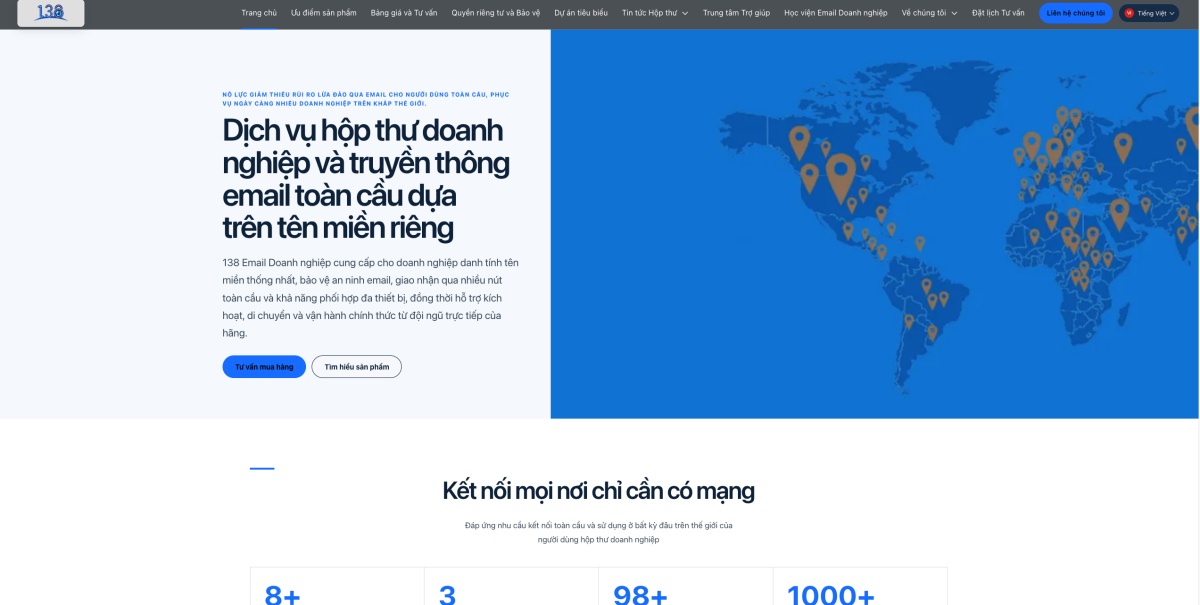
138 Enterprise Email | Vietnamese AI Digital Asset Website Case Study
An AI-driven digital asset website for enterprise email tailored to Vietnamese enterpris...
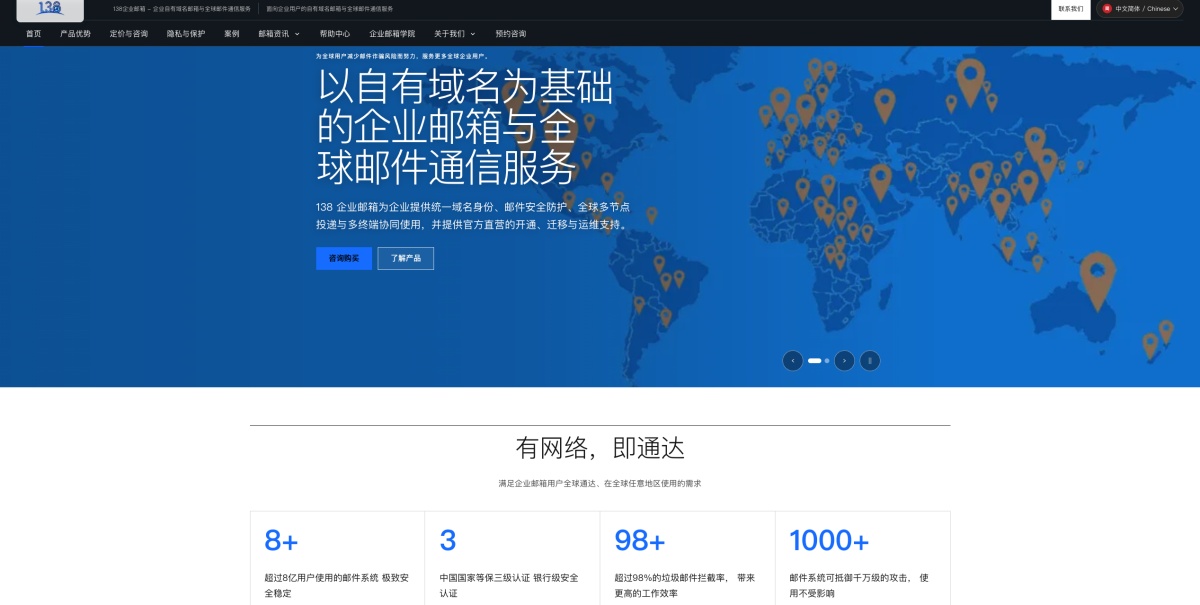
138 Enterprise Email | Chinese AI Digital Asset Website Case Study for Enterprise Services
Developed a Chinese AI digital asset website for an enterprise email service brand. By i...
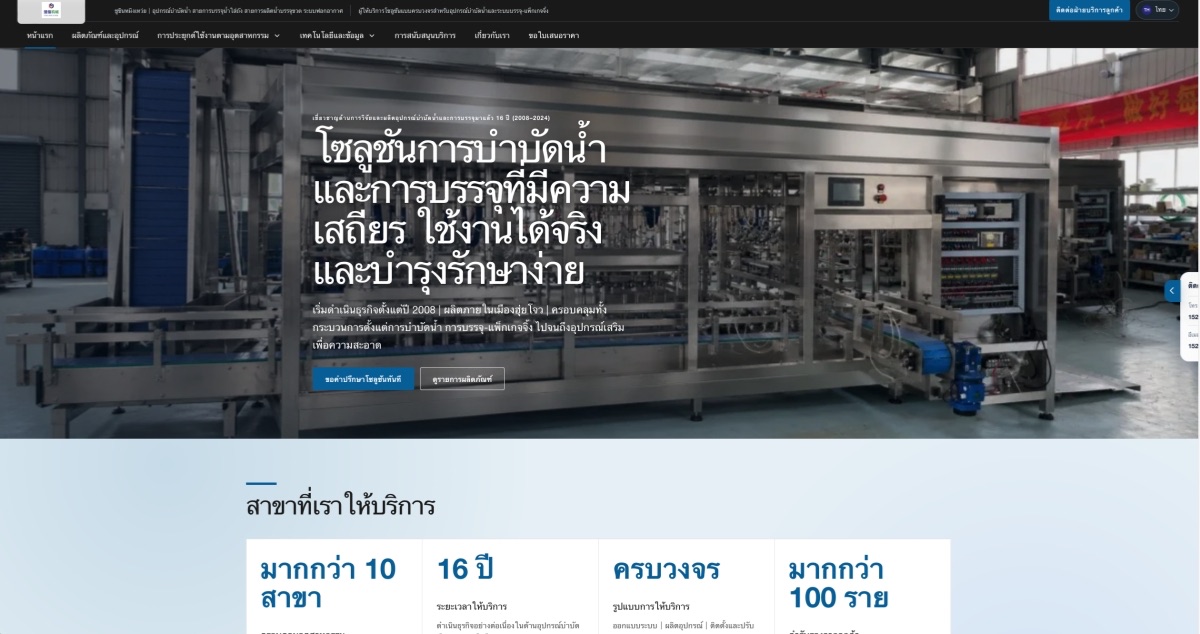
Water Treatment & Filling Equipment Manufacturer | Thai AI Digital Asset Website Case Study
Development of a Thai AI digital asset website for water treatment and filling equipment...