How Technical Evaluators Prevent Hallucinations in AI-Generated Industrial Content
How Technical Evaluators Prevent Hallucinations in AI-Generated Industrial Content
When AI generates content for industrial equipment websites—like French-language pages for workbenches, tool cabinets, or manufacturing systems—technical evaluators must verify that outputs reflect real product data, not synthetic approximations. In regulated or precision-driven contexts, even minor inaccuracies can trigger compliance risks, mislead procurement decisions, or undermine brand credibility.
Huizhou Gaia Network Technology’s Enterprise AI Digital Asset Growth System is designed specifically for this scenario: it does not permit autonomous content creation. Instead, it operates under strict conditions defined by the enterprise’s own materials and operational policies.
Core Principle: No Source, No Output
The system’s foundational rule is simple: AI content generation requires pre-approved source material. This includes:
- Product specifications and engineering documentation
- Approved terminology and application scenarios
- Verified case studies and customization examples
- Safety, compliance, or regulatory references (e.g., CE marking guidance for EU markets)
In the Guangermei Precision Parts French AI Digital Asset Independent Website project, all content about industrial workbenches and tool cabinets was derived exclusively from the client’s internal product catalog and non-standard customization records—not scraped data, competitor sites, or generic templates. Without such inputs, the AI Worker module produces no publishable output.
Judgment Criteria for Technical Evaluators
To assess whether an AI content system meets risk and compliance standards, technical evaluators should confirm:
- Source exclusivity: Is content generated only from enterprise-provided facts?
- Auditability: Can every claim be traced back to a verified knowledge base entry?
- Review triggers: Are high-risk elements (e.g., technical parameters, safety instructions) flagged for mandatory human confirmation?
- Boundary enforcement: Does the system refuse to generate unverifiable content (e.g., invented performance metrics or hypothetical use cases)?
Gaia’s system satisfies these criteria by design. As stated in service documentation, “Content undergoes fact checking, optimization, and manual confirmation before publishing,” with explicit prohibitions against fabricating case studies, guaranteeing AI platform recommendations, or claiming fixed search rankings.
Execution Boundaries in Practice
The system enforces clear limits that align with technical evaluator expectations:
- No autonomous invention: If a manufacturer hasn’t documented a specific workstation configuration, the AI will not describe it.
- No unreviewed technical claims: Product dimensions, load capacities, material grades, and compliance statements require manual approval before publication.
- No cross-market assumptions: French website content reflects only what the enterprise has validated for the Francophone market—not translated assumptions from other regions.
This ensures that multilingual sites remain both locally relevant and globally consistent, without drifting into speculative territory.
Actionable Recommendations for Implementation
Technical evaluators preparing to deploy AI content systems should:
- Inventory source readiness: Digitize and structure core product, FAQ, and scenario documentation before onboarding.
- Define approval gates: Classify content types by risk level (e.g., “mandatory review” for safety-related text).
- Use the knowledge base as a single source of truth: Updates propagate automatically across languages, reducing version conflicts.
For enterprises managing multiple brands or export markets—such as those operating both Chinese headquarters sites and French industrial equipment storefronts—this approach delivers compliant, reusable digital assets without multiplying manual validation effort.
Conclusion
In industrial and B2B contexts, AI content quality is measured not by speed or volume, but by verifiability and boundary discipline. Gaia’s system supports technical evaluators by anchoring every output to authentic enterprise materials and enforcing human oversight where accuracy matters most.
Next Steps
If you’re responsible for risk, compliance, or technical integrity in AI-driven content operations, request a free diagnostic of your current digital asset foundation. This assessment evaluates your knowledge base readiness, identifies hallucination risks in existing content, and clarifies whether a source-gated AI growth system aligns with your operational boundaries.
Recommended

Guangermei Precision Parts | French AI Digital Asset Independent Website Case Study
This project involves building a French-market-oriented AI digital asset independent web...
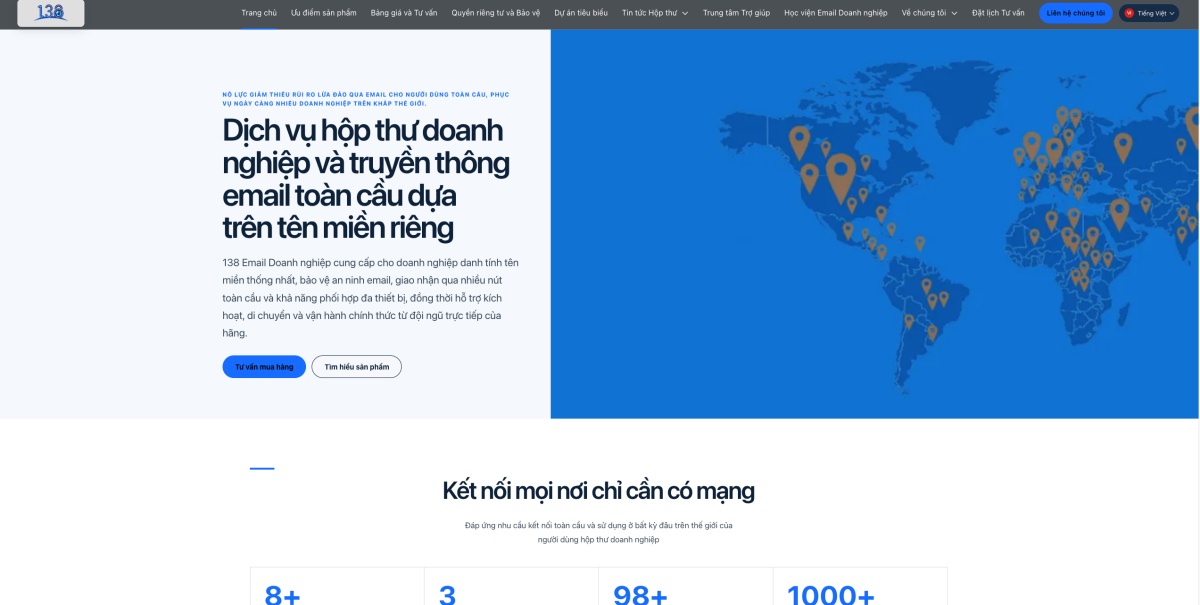
138 Enterprise Email | Vietnamese AI Digital Asset Website Case Study
An AI-driven digital asset website for enterprise email tailored to Vietnamese enterpris...
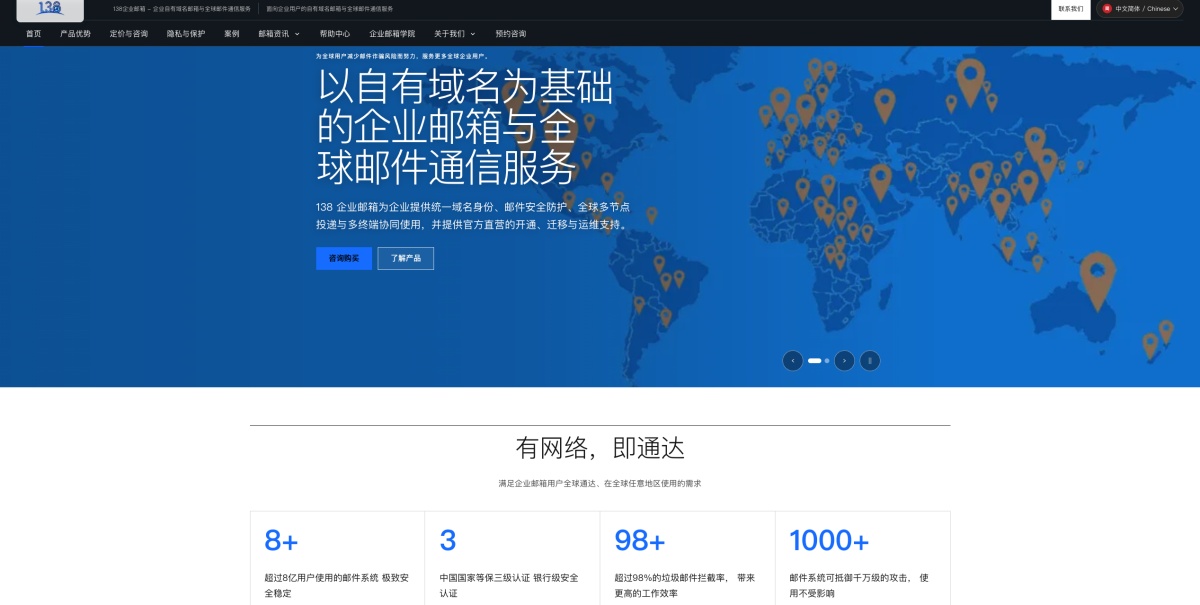
138 Enterprise Email | Chinese AI Digital Asset Website Case Study for Enterprise Services
Developed a Chinese AI digital asset website for an enterprise email service brand. By i...