Migrating to an AI Growth System: Preserving Search Traffic and Avoiding Compliance Risks
Migrating to an AI Growth System: Preserving Search Traffic and Avoiding Compliance Risks
For decision-makers in manufacturing, B2B, and foreign trade sectors, the question is rarely whether to adopt an Enterprise AI Digital Asset Growth System, but how to execute the transition without triggering a drop in organic visibility. Replacing an existing corporate website with a new AI-driven platform involves significant structural changes. The primary risk lies not in the technology itself, but in the disruption of established URL structures, content authority, and internal linking patterns that search engines have indexed.
The Symptom: Why Migration Often Triggers Visibility Drops
The most common symptom observed during website replacement projects is a sudden decline in organic traffic within weeks of launch. This occurs when the migration strategy treats the new site as a "blank slate" rather than a continuation of digital assets.
In the context of the Enterprise AI Digital Asset Growth System, this risk is amplified if the migration ignores the requirement to use authentic enterprise materials as the source of truth. If the new system generates content based on generic templates instead of migrating verified product data, technical specifications, and historical case studies, search engines may view the new pages as low-quality or duplicate content, leading to de-indexing.
Furthermore, traditional SEO relies heavily on stable URL structures and consistent internal linking. A hasty migration that fails to preserve these elements breaks the "trust flow" accumulated over years. For example, a French industrial equipment manufacturer moving from a static site to an AI-managed site must ensure that their specific product pages (e.g., for workbenches or tool cabinets) retain their unique identifiers and semantic relevance.
The Cause: Structural Disruption and Content Integrity
The root cause of traffic loss is typically twofold:
- Loss of Historical Authority: When URLs change without proper 301 redirects, the link equity (authority) built by external backlinks is lost. Search engines cannot easily transfer this value to the new pages.
- Content Drift: The Enterprise AI Knowledge Base requires high-fidelity input. If the migration process replaces detailed, verified product descriptions with AI-generated summaries that lack specific technical parameters, the page loses its ability to rank for long-tail queries. The system is designed to connect official websites, knowledge bases, and content production; breaking this chain during migration severs the link between the brand's history and its future growth.
Diagnostic Checks: Ensuring Structural Preservation
Before initiating any migration to an AI growth system, procurement teams and technical leads must validate the following structural safeguards:
- URL Mapping and Redirect Strategy:*
- Every existing URL must map to a corresponding new URL. If a page structure changes, a precise 301 redirect must be configured to forward traffic and link equity to the new location. This is non-negotiable for preserving search rankings.
- Knowledge Base Fidelity:*
- Verify that the Enterprise AI Knowledge Base ingests all existing, verified product data, technical documents, and case studies. The system should not generate new content until it has been cross-referenced against the company's authentic material repository.
- Internal Link Architecture:*
- The new site must replicate the logical hierarchy of the old site. As per the system's design, product pages must link to solutions, FAQs, and relevant industry articles. Ensure that the Smart Corporate Website maintains the same internal linking density and anchor text distribution as the legacy site to prevent orphaned pages.
- Multilingual Consistency:*
- For enterprises operating in multiple markets (e.g., Vietnamese or French sites), ensure that `hreflang` tags are correctly configured for all language versions. The Multilingual and Multi-site Capabilities of the system must reflect the exact equivalence of content across languages to avoid duplicate content penalties.
Resolution: The Implementation Boundary
To mitigate risk, the migration must follow a phased approach that prioritizes SEO/GEO optimization continuity:
- Audit Phase: Conduct a full crawl of the current site to identify all indexed URLs, backlinks, and high-performing content.
- Data Ingestion: Populate the Enterprise AI Knowledge Base with the audited data. This ensures that the AI Worker generates content based on facts, not assumptions.
- Staged Rollout: Launch the new site in stages, starting with low-traffic sections. Monitor performance closely before rolling out core product pages.
- Continuous Operation: Unlike one-time website projects, the Enterprise AI Digital Asset Growth System emphasizes continuous content operation. Post-migration, the focus shifts to maintaining the asset through regular updates, ensuring the site remains relevant to both search engines and AI models.
Critical Boundary: It is essential to understand that while this system optimizes for discovery, it does not guarantee fixed rankings or immediate traffic recovery. Search algorithms fluctuate, and AI recommendation mechanisms evolve. The goal is sustainable asset accumulation, not instant results.
Escalation Boundary: When to Pause
If traffic drops exceed 20% after 30 days despite correct redirects and content fidelity, pause the rollout. This indicates a potential indexing issue or a mismatch between the new site's semantic structure and search engine expectations. In such cases, revert to the previous version temporarily and re-evaluate the AI Content Growth parameters to ensure they align with verified industry standards.
Next Steps for Decision Makers
For manufacturing, B2B, and foreign trade enterprises considering this upgrade, the priority is not just adopting new technology, but managing the transition of existing digital equity. The Enterprise AI Digital Asset Growth System offers a robust framework for long-term growth, provided the migration respects the integrity of past data and search infrastructure.
We recommend scheduling a comprehensive Official Website and Digital Asset Growth Solution assessment. Our team can help audit your current site, define the migration roadmap, and configure the Enterprise AI Knowledge Base to ensure a seamless transition that protects your search visibility while unlocking new growth channels.
Recommended
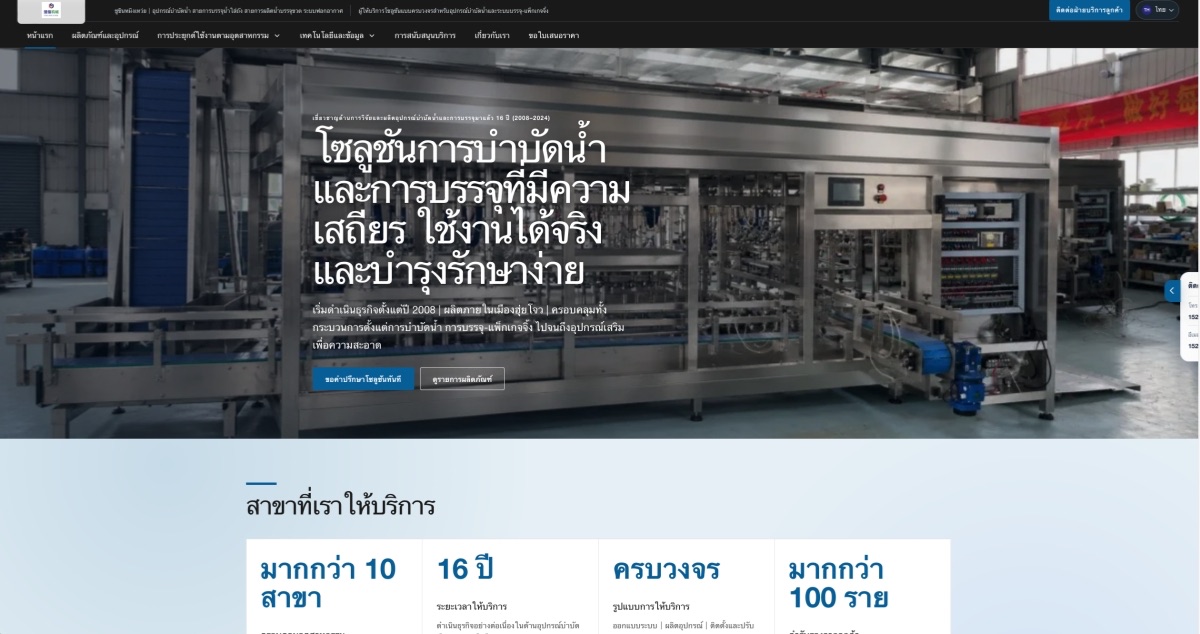
Water Treatment & Filling Equipment Manufacturer | Thai AI Digital Asset Website Case Study
Development of a Thai AI digital asset website for water treatment and filling equipment...
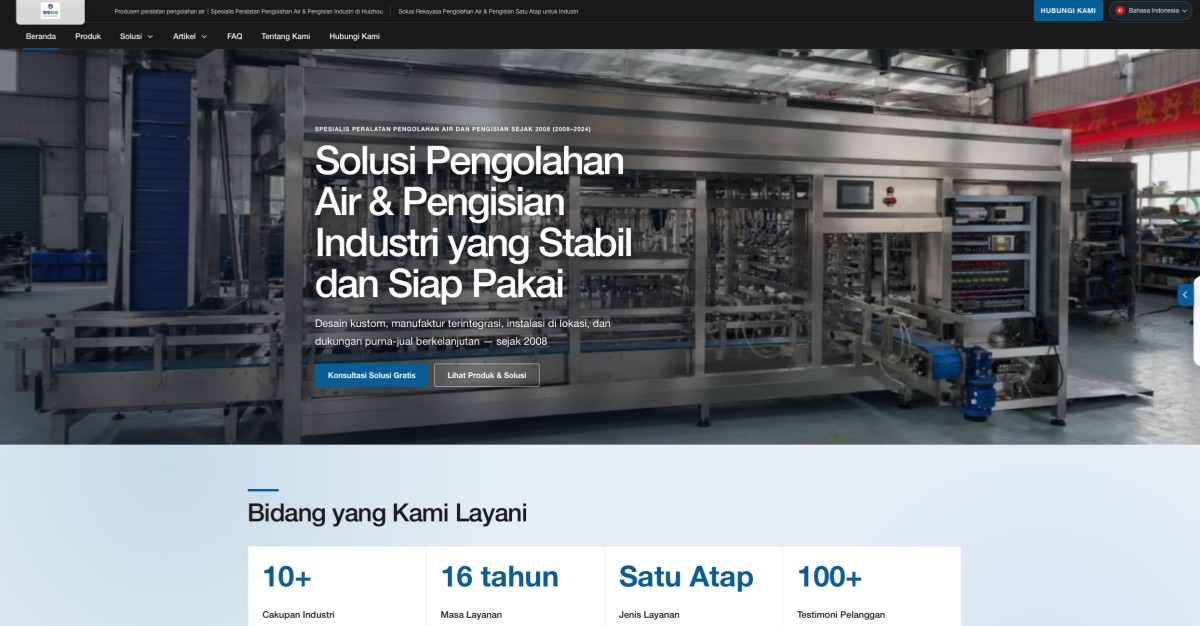
Water Treatment & Filling Equipment Manufacturer | Indonesian AI Digital Asset Website Case Study
An AI-powered digital asset website built for the Indonesian market, tailored for a wate...
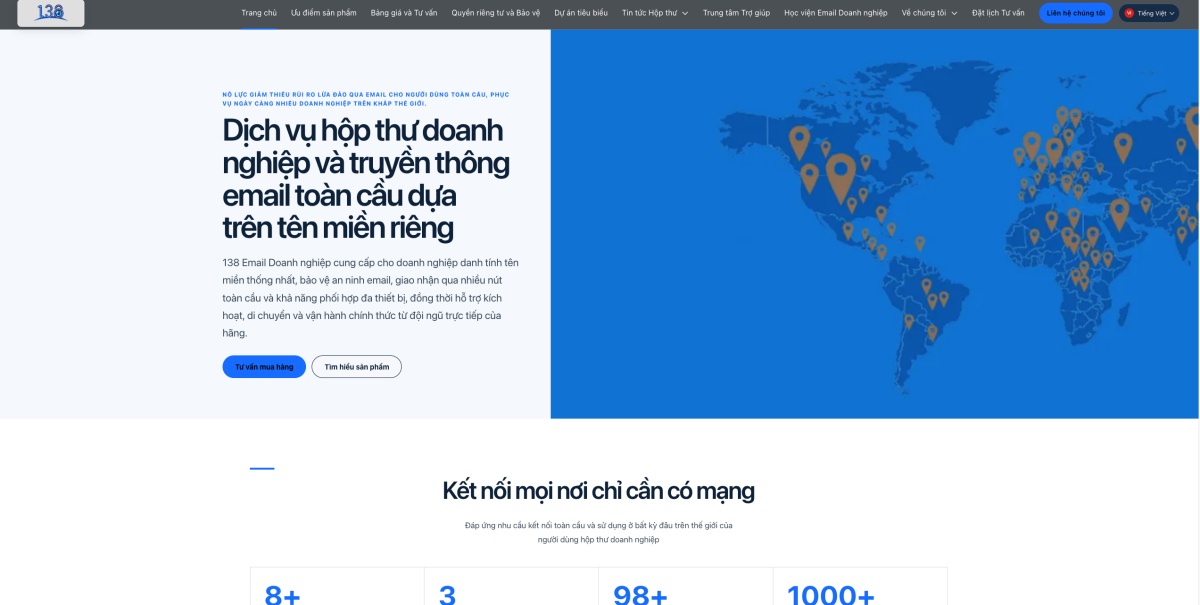
138 Enterprise Email | Vietnamese AI Digital Asset Website Case Study
An AI-driven digital asset website for enterprise email tailored to Vietnamese enterpris...