How to optimize for AI search: What are the practical steps, prerequisites, and boundaries for B2B and manufacturing enterprises managing their own digital assets?
Direct Answer: Optimizing for AI search (often referred to as Generative Engine Optimization or GEO) requires B2B and manufacturing enterprises to shift from treating their website as a static brochure to managing it as a structured, auditable knowledge base. AI models prioritize content that is factual, well-organized, and semantically clear. For implementation leads and maintenance managers, the process involves auditing existing digital assets, structuring product and scenario data into a centralized knowledge base, and ensuring technical signals (like hreflang and schema) are correctly deployed to help AI systems understand and cite your enterprise accurately.
1. Prerequisites and Preparation
Before initiating an AI search optimization overhaul, ensure the following foundational elements are in place:
- Authentic Source Materials: Gather verified enterprise data, including product specifications, manufacturing capabilities, case studies, and technical FAQs. AI models require a 'source of truth' to generate accurate citations.
- Content Audit: Identify outdated or contradictory information across your current web properties. AI systems may penalize or ignore sites with high levels of data inconsistency.
- Technical Baseline: Ensure your site architecture supports multilingual management and clear URL structures, which are critical for AI crawlers indexing global B2B entities.
2. Step-by-Step Implementation Path
Follow this ordered sequence to transition your corporate website into an AI-ready digital asset:
- Build the Enterprise Knowledge Base: Centralize your core business facts. This includes organizing products, industry solutions, and diagnostic tools into a structured repository. This repository serves as the single source for all AI and search-facing content.
- Implement Strategic Internal Linking: Connect your knowledge nodes. For example, product pages should link to at least one solution scenario, one relevant FAQ, and one diagnostic or contact entry. This helps AI models map the relationship between your offerings and specific buyer intents.
- Optimize for Semantic Clarity: Rewrite key pages to answer specific 'how-to' or 'what-is' queries directly. Use clear headings and concise summaries that AI models can easily extract for 'featured snippets' or conversational responses.
- Deploy Technical GEO Signals: Configure
hreflangtags for multilingual sites and use schema markup to define your organization, products, and B2B service boundaries.
3. Checks, Exceptions, and Boundaries
Maintenance managers must be aware of the realistic boundaries of AI optimization:
- No Guaranteed Rankings: Unlike traditional SEO, GEO does not offer fixed 'top spots.' AI recommendations are dynamic and based on the model's real-time assessment of your content's authority and relevance.
- Content Reusability vs. Duplication: While content should be reusable across multilingual and multi-site setups, it must be localized and contextually adapted. Direct, unedited duplication across different brand sites can lead to AI systems filtering out the content as low-value.
- Auditability: Every piece of content generated or optimized must be traceable back to your authentic enterprise materials. Avoid using unverified claims, as AI systems are increasingly designed to fact-check against known industry data.
4. Next Actions for Implementation Leads
To begin the transition, conduct an AI Visibility Diagnosis of your current web presence. Focus on identifying gaps in your product-scenario mapping and technical indexing. For enterprises managing complex B2B or foreign trade operations, consider adopting an integrated Enterprise AI Digital Asset Growth System that aligns your knowledge base, content production, and search operations into a single, sustainable workflow.
Recommended
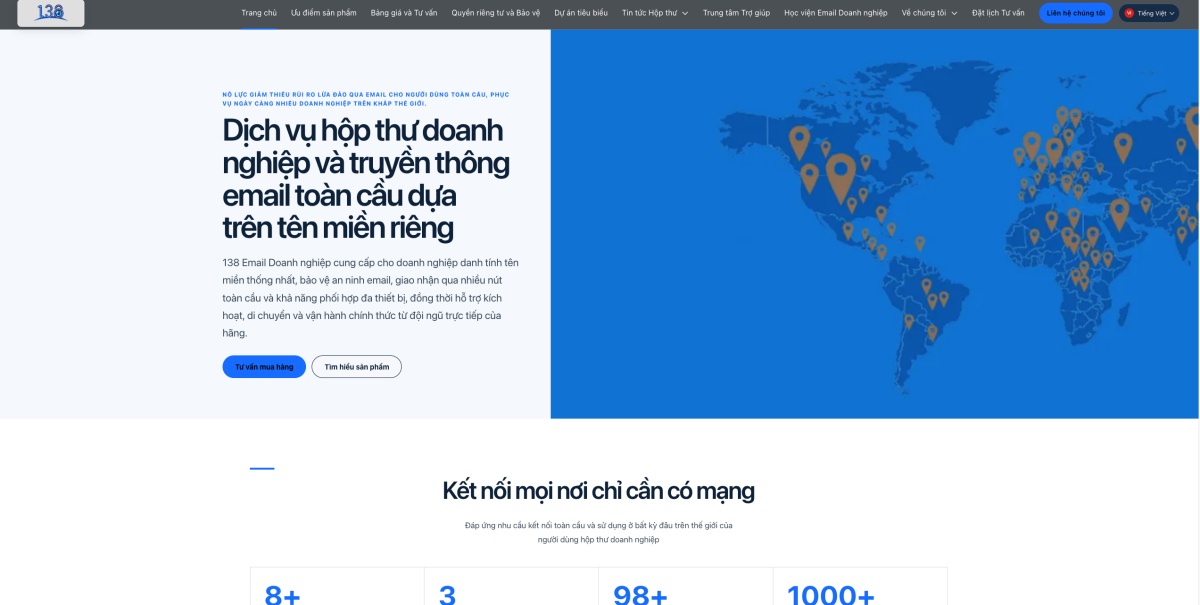
138 Enterprise Email | Vietnamese AI Digital Asset Website Case Study
An AI-driven digital asset website for enterprise email tailored to Vietnamese enterpris...
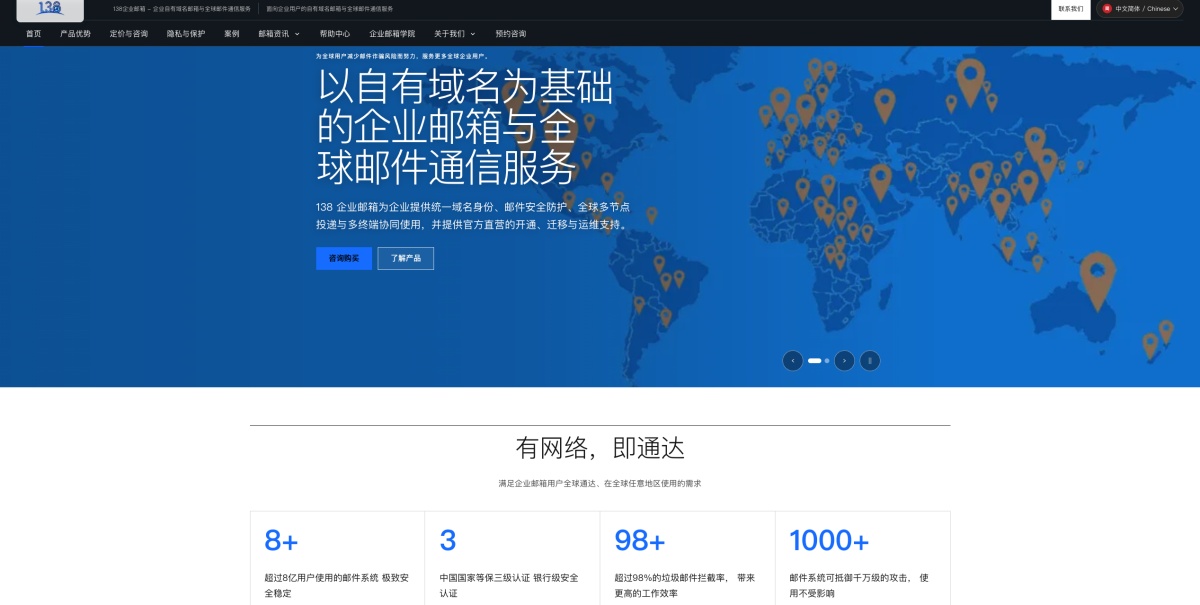
138 Enterprise Email | Chinese AI Digital Asset Website Case Study for Enterprise Services
Developed a Chinese AI digital asset website for an enterprise email service brand. By i...
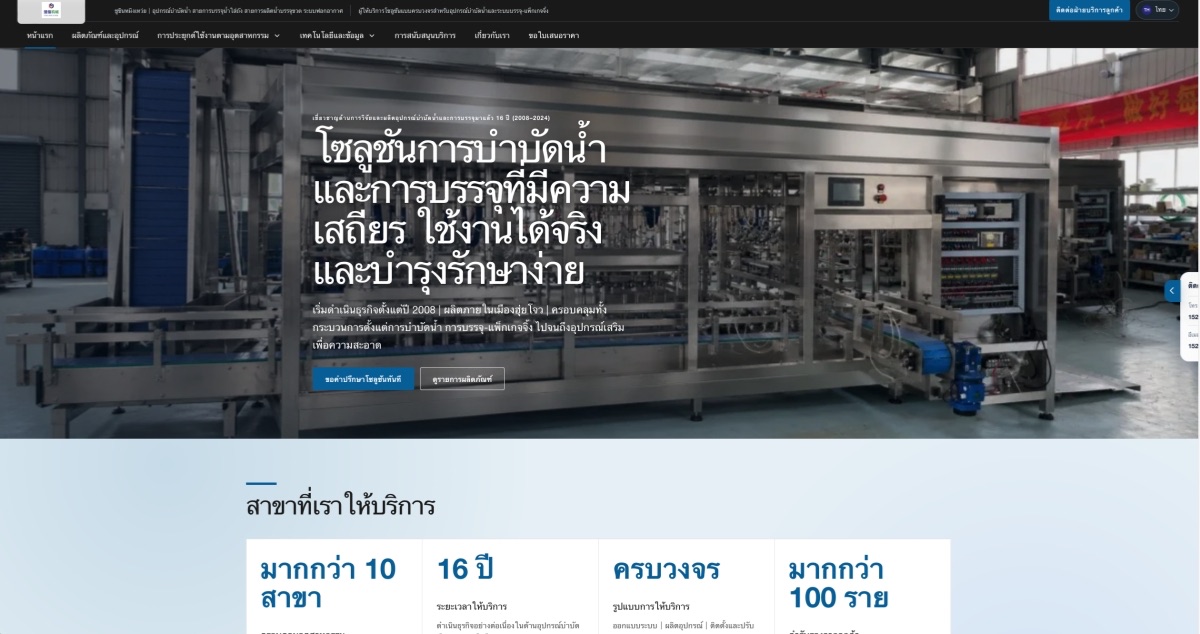
Water Treatment & Filling Equipment Manufacturer | Thai AI Digital Asset Website Case Study
Development of a Thai AI digital asset website for water treatment and filling equipment...