What Documents and Data Formats Are Required to Build a Compliant AI Knowledge Base?
What Documents and Data Formats Are Required to Build a Compliant AI Knowledge Base?
For technical evaluators and decision-makers in manufacturing, B2B, and foreign trade enterprises, the transition to an Enterprise AI Digital Asset Growth System begins with a critical question: what raw materials are needed to ensure the system is compliant, accurate, and effective?
The answer is not generic content, but authentic enterprise materials. The core differentiator of this system is its reliance on verified source data to connect official websites, knowledge bases, and search operations. Without these specific inputs, the system cannot function as a sustainable digital marketing asset.
Myths vs. Facts: The Source of Truth
Before diving into the checklist, it is essential to address common misconceptions about AI content generation.
| Myth | Fact (Based on Verified Guidelines) |
|---|---|
| Myth: Any public website content can be fed into the AI to generate new pages. | Fact: The system requires authentic enterprise materials as the "source of truth." Content must be auditable and reusable from internal records, not scraped from competitors or generic sources. |
| Myth: The AI can guarantee specific search rankings or customer acquisition numbers immediately. | Fact: SEO and GEO optimization are long-term growth efforts. The system emphasizes continuous asset accumulation; there are no promises of fixed rankings or guaranteed recommendations on specific AI platforms. |
| Myth: A single file upload is sufficient for a multi-brand, multilingual operation. | Fact: For multi-site and multi-brand businesses, the system requires structured data that supports content reuse across languages and regions, managed through a unified knowledge base architecture. |
Implementation Checklist: Required Documents and Formats
To build a compliant AI knowledge base, your team must prepare the following specific assets. These documents serve as the foundation for the Enterprise AI Knowledge Base, AI Content Growth, and Smart Corporate Website modules.
1. Core Product and Service Specifications
The AI needs precise technical details to generate accurate product descriptions for industrial equipment, SaaS services, or professional offerings.
- Required Format:*
- Structured data (e.g., CSV, Excel, or JSON) containing:
- Product names and SKUs.
- Technical specifications (dimensions, materials, capabilities).
- Application scenarios (e.g., "industrial workbenches," "tool cabinets," "enterprise email security").
- Why it matters:*
- As seen in case studies like the French industrial equipment website, the AI uses these specs to continuously accumulate non-standard customization content. Without this data, the generated content will lack the depth required for B2B buyers.
2. Authentic Brand and Company Identity Materials
To ensure the voice matches your corporate identity and avoids hallucinations, you must provide verified company information.
- Required Format:*
- Official documents or text files containing:
- Company registration details (Name, Location).
- Mission, vision, and value statements (e.g., "Real and verifiable," "Long-term accumulation").
- Approved brand guidelines and tone-of-voice rules.
- Verification Boundary:*
- Any claim regarding certifications, registered capital, or client counts must be marked as "Verified" or "Pending Verification" before being used in the system. Unverified claims cannot be published.
3. Existing Content Assets (The "Source of Truth")
The system is designed to integrate existing high-quality content rather than creating it from scratch.
- Required Format:*
*
- PDFs or Word documents of past white papers, technical manuals, and case studies.
- Existing FAQ lists and industry solution guides.
- Historical project reports (anonymized if necessary for privacy).
- Usage Rule:*
- These materials are ingested to form the Enterprise AI Knowledge Base. The AI then reuses and adapts this content for multilingual sites and new SEO/GEO optimization tasks.
4. Multilingual and Localization Requirements
For enterprises targeting overseas markets (e.g., Vietnam, France, or other Francophone/Anglophone regions), specific localization data is required.
- Required Format:*
*
- Target language glossaries and terminology databases.
- Region-specific regulatory constraints or compliance notes.
- Localized contact information and service boundaries.
- Implementation Note:*
- The system supports multilingual and multi-site capabilities, but the accuracy depends on the quality of the source translation or localization briefs provided.
Acceptance Criteria: How to Verify Compliance
Once the data is ingested, technical evaluators should verify the implementation against these criteria:
- Traceability: Can every piece of AI-generated content be traced back to a specific uploaded source document? If the AI generates a spec for a "tool cabinet," it must reference the original product sheet.
- Auditability: Is the content flagged as "Draft" until reviewed by a human expert? The system must support a workflow where human review is mandatory before publication to ensure factual accuracy.
- Structure Integrity: Does the output follow the planned site architecture (e.g., `/product/`, `/solutions/`, `/cases/`)? The system should automatically apply internal linking structures based on the provided route suggestions.
- No Hallucinated Claims: Does the content avoid unverified promises (e.g., "Guaranteed #1 Ranking" or "Industry Leader")? All claims must align with the "Verified" status defined in your input data.
Boundaries and Risks
It is crucial to understand the limitations of the current implementation phase:
- Data Gaps:*
- If specific product parameters or pricing details are missing from your source documents, the system will not invent them. It will either leave placeholders or mark the section as "Pending Verification."
- Dynamic Nature:*
- The knowledge base is not static. As your products evolve or new regulations emerge, you must update the source documents. The AI's output quality is directly proportional to the freshness of your input data.
- Compliance Responsibility:*
- While the system enforces structural compliance, the legal responsibility for the accuracy of the final published content remains with the enterprise. Human oversight is a mandatory part of the process.
Next Steps for Technical Evaluators
If your organization is ready to proceed with building a compliant AI knowledge base:
- Audit Your Assets: Gather all product sheets, technical manuals, and approved brand documents.
- Define Verification Status: Categorize your data into "Verified," "Proposed," and "Pending Verification."
- Initiate a Pilot: Start with a single product line or a specific market segment (e.g., French market for industrial equipment) to test the ingestion and content generation workflow.
- Schedule a Consultation: Contact our team to discuss how to structure your data for the Enterprise AI Digital Asset Growth System and define the scope for your smart website deployment.
By focusing on authentic materials and structured data, you lay the foundation for a digital asset system that grows sustainably, respects search engine guidelines, and meets the rigorous standards of B2B buyers.
Recommended
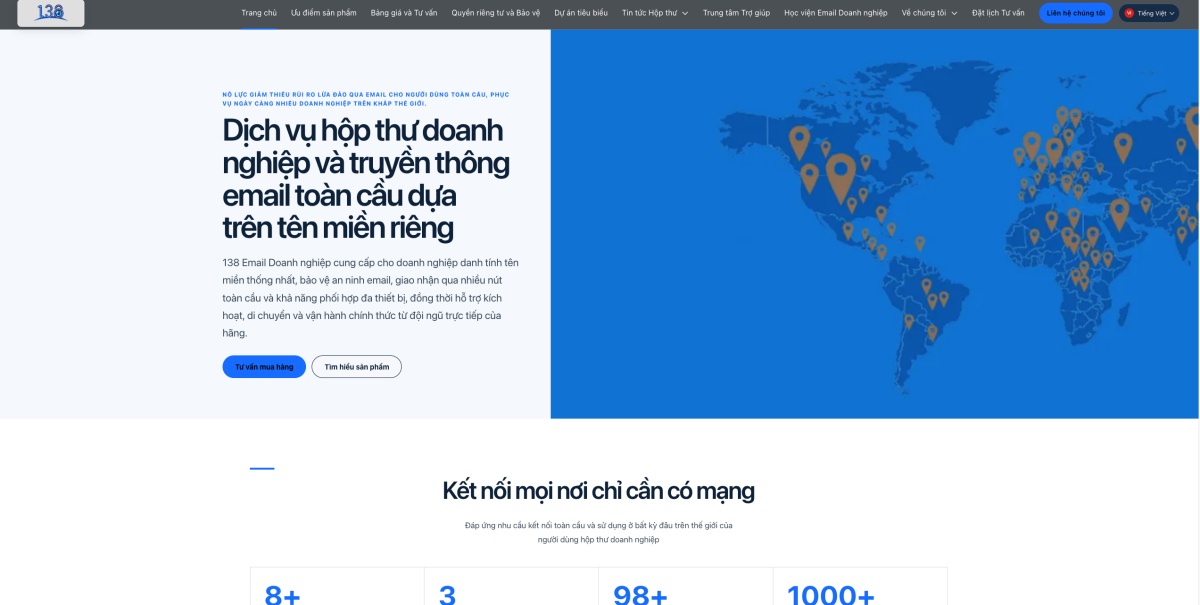
138 Enterprise Email | Vietnamese AI Digital Asset Website Case Study
An AI-driven digital asset website for enterprise email tailored to Vietnamese enterpris...
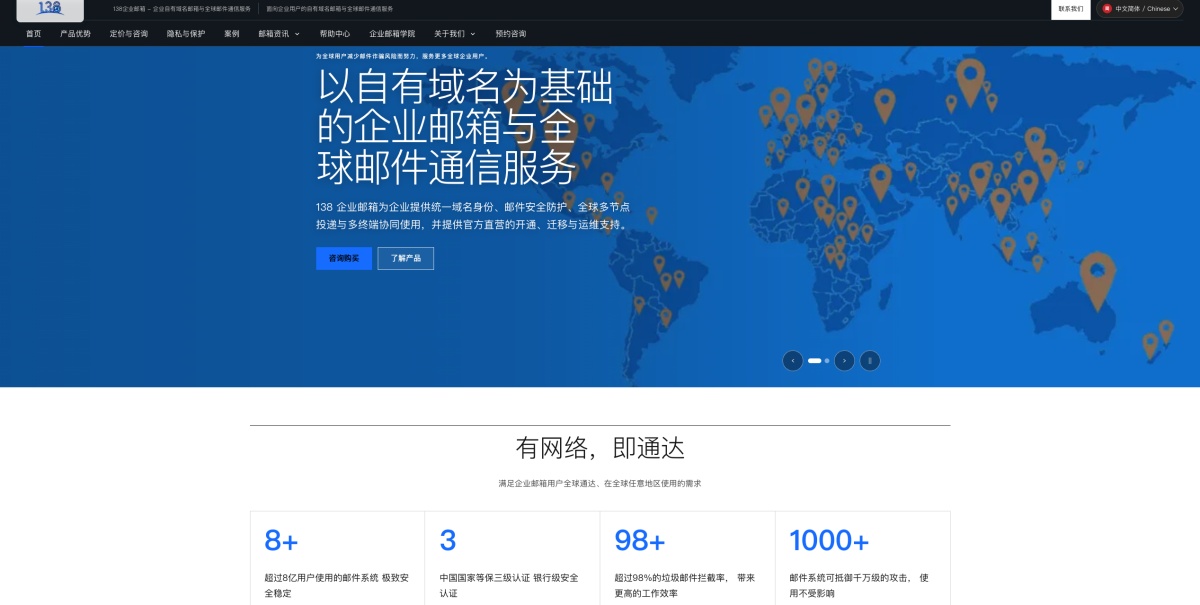
138 Enterprise Email | Chinese AI Digital Asset Website Case Study for Enterprise Services
Developed a Chinese AI digital asset website for an enterprise email service brand. By i...
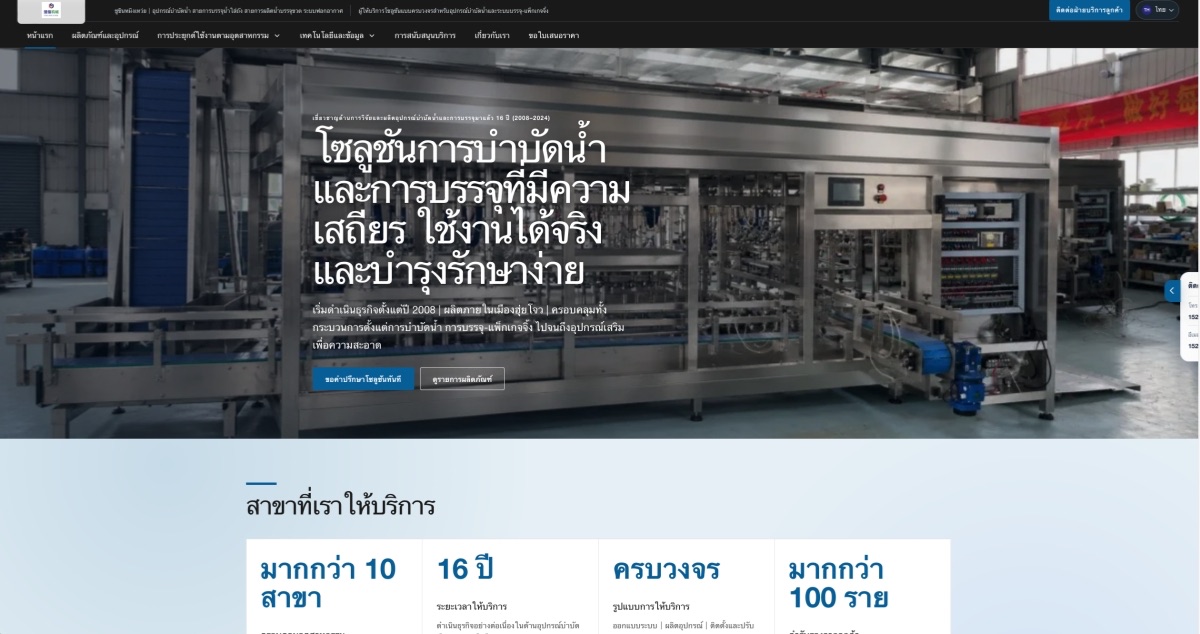
Water Treatment & Filling Equipment Manufacturer | Thai AI Digital Asset Website Case Study
Development of a Thai AI digital asset website for water treatment and filling equipment...