Manufacturing Content Moderation: Signals, Evaluation Criteria & Risk Pathways
Who Needs Manufacturing Content Moderation?
Manufacturing enterprises, B2B equipment suppliers, and foreign trade companies producing AI-assisted content for product pages, technical documentation, multilingual sites, or SEO/GEO campaigns face a shared challenge: how to ensure that content generated or aggregated by AI remains accurate, auditable, and reusable across markets.
Content moderation in this context is not about censorship. It is a quality control layer that sits between AI content generation and publication—ensuring that technical parameters, application scenarios, and compliance claims reflect real enterprise materials, not hallucinated or outdated information.
This guide is written for implementation and maintenance leads evaluating whether their current content workflow can support long-term digital asset growth, especially when scaling across languages, brands, or sites.
Core Signals That Content Moderation Is Needed
Before building a moderation process, identify whether your current content pipeline shows these risk signals:
- Parameter drift: AI-generated product descriptions contain specifications that differ from official datasheets or engineering drawings.
- Scenario mismatch: Application cases reference industries or use conditions not supported by your actual delivery history.
- Multilingual inconsistency: The same product is described differently across language versions, creating confusion for overseas buyers or AI search engines.
- Unverifiable claims: Content includes phrases like "industry-leading," "certified by [unverified body]," or "guaranteed performance" without traceable source documents.
- Reuse failure: Content cannot be repurposed across product pages, FAQs, or knowledge base entries without manual rewriting.
If two or more of these signals appear in your current content output, your enterprise likely lacks a structured moderation layer tied to an authoritative knowledge source.
Evaluation Criteria for Manufacturing Content Moderation
When assessing whether your content moderation approach is sufficient, use these criteria:
1. Source Traceability
Every technical claim, parameter, or application scenario must link back to an authentic enterprise document—product manual, test report, delivery record, or engineering specification. AI can accelerate drafting, but the source of truth must remain human-verified.
2. Auditability Before Publication
Content should pass a review checkpoint before going live. This includes checking for:
- Correct model numbers and specifications
- Accurate material and process descriptions
- Valid compliance or certification references (only if officially held)
- Consistent terminology across languages and sites
3. Reusability Across Assets
Moderated content should be structured for reuse. For example, a verified product description can feed into:
- Product detail pages
- Multilingual site versions
- AI knowledge base entries
- FAQ responses
- SEO/GEO-optimized articles
Without moderation, reuse amplifies errors. With moderation, reuse accelerates growth.
4. Alignment with AI Search Expectations
AI search engines (GEO) prioritize content that is specific, consistent, and grounded in real enterprise data. Moderation ensures your content meets these expectations by eliminating vague, exaggerated, or contradictory statements.
Practical Examples of Moderation in Action
Example 1: Water Treatment Equipment Manufacturer
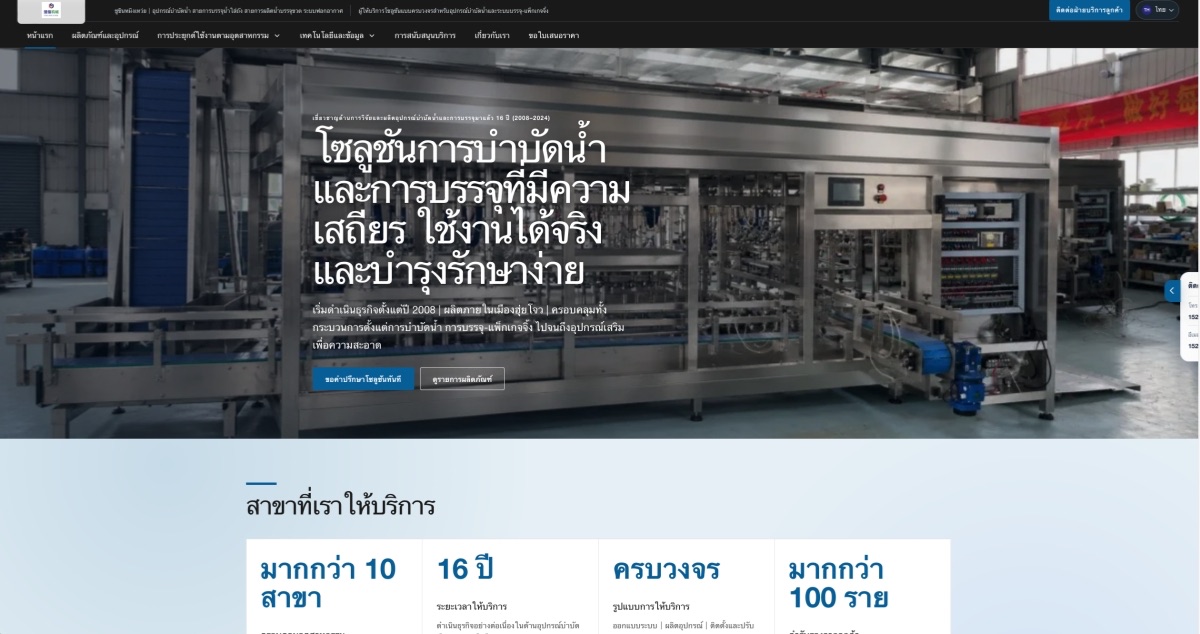
A manufacturer producing water treatment and filling equipment needed to launch a Chinese-language AI digital asset website. The project required organizing product lines, manufacturing capabilities, and service offerings into a structured knowledge base.
Moderation steps included:
- Verifying all technical parameters against engineering drawings
- Ensuring application scenarios matched actual delivery records
- Structuring content for reuse across product pages and FAQs
- Avoiding unverified claims about certifications or market position
The result was a website that could be continuously updated with verified content, supporting both traditional SEO and AI search visibility.
Example 2: Multilingual Expansion for Indonesian Market
The same manufacturer later expanded to the Indonesian market, requiring a multilingual site. Content moderation ensured that:
- Product descriptions were consistent across Chinese and Indonesian versions
- Technical terms were accurately translated and contextually appropriate
- No unverified claims were introduced during localization
This approach reduced the risk of misleading overseas buyers and improved the site's credibility with AI search engines.
Risk Boundaries and Common Pitfalls
When implementing content moderation, be aware of these boundaries:
- AI cannot replace domain expertise: AI can draft content, but only your engineers, sales team, or compliance officers can verify its accuracy.
- Moderation is not a one-time task: As products, markets, and regulations change, content must be re-moderated periodically.
- Over-moderation can slow growth: If every piece of content requires multiple approval layers, your content pipeline may become too slow to support continuous growth. Balance rigor with efficiency.
- Unverified claims create long-term risk: Even if unverified content generates short-term traffic, it can damage trust with buyers and AI search engines over time.
---
Next Steps for Implementation Leads
If you are evaluating whether your enterprise needs a structured content moderation process, consider these actions:
- Audit your current content pipeline: Identify where AI-generated content is published without verification.
- Establish a source-of-truth knowledge base: Centralize authentic enterprise materials (product manuals, test reports, delivery records) in a structured, searchable system.
- Define moderation checkpoints: Set clear rules for what must be verified before publication (e.g., technical parameters, compliance claims, multilingual consistency).
- Integrate moderation with content reuse: Ensure that moderated content can be easily repurposed across product pages, FAQs, and multilingual sites.
- Monitor AI search visibility: Use diagnostics to check whether your moderated content is being cited or recommended by AI search engines.
Huizhou Gaia Network Technology Co., Ltd. provides an Enterprise AI Digital Asset Growth System that includes an enterprise AI knowledge base, smart corporate website, AI content growth, and SEO/GEO optimization. The system is designed to support content moderation by tying all AI-generated content to authentic enterprise materials, ensuring auditability and reuse across multilingual, multi-site operations.
For a diagnostic review of your current content pipeline or to explore how structured moderation can support your digital asset growth, contact our team to schedule a consultation.
Recommended
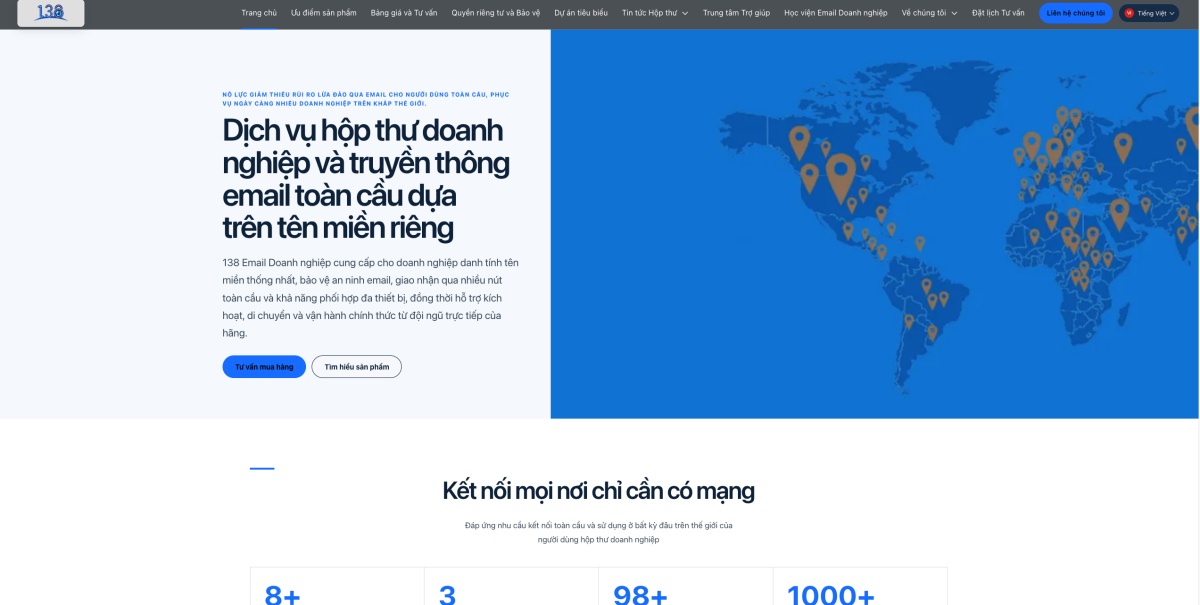
138 Enterprise Email | Vietnamese AI Digital Asset Website Case Study
An AI-driven digital asset website for enterprise email tailored to Vietnamese enterpris...
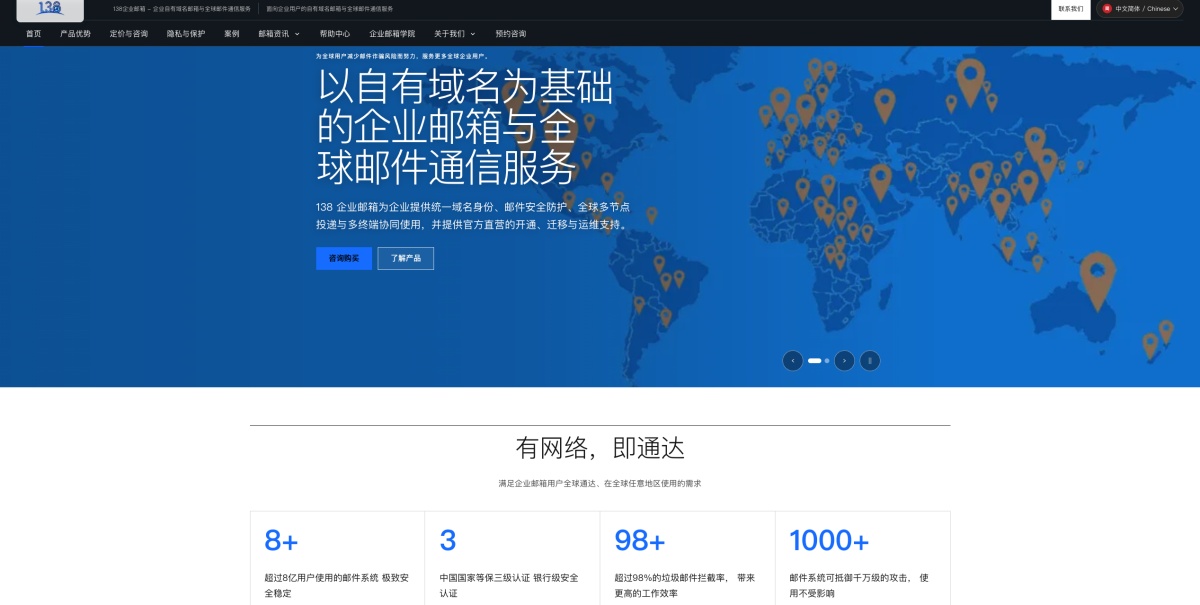
138 Enterprise Email | Chinese AI Digital Asset Website Case Study for Enterprise Services
Developed a Chinese AI digital asset website for an enterprise email service brand. By i...
Water Treatment & Filling Equipment Manufacturer | Thai AI Digital Asset Website Case Study
Development of a Thai AI digital asset website for water treatment and filling equipment...