Migrating a Legacy Corporate Website to an AI Growth System: Preserving Search Visibility and Managing Risk
Direct Conclusion
You can transition an existing corporate website to an AI-driven asset system without losing search visibility by preserving proven URL structures, implementing strict redirect mapping, auditing all content before migration, and accepting short-term traffic fluctuation as normal. The goal is not a one-time rebuild, but a controlled handover from a static site to a continuously operating digital asset system.
When This Migration Makes Sense
This approach is designed for enterprises that already have a live website but face one or more of the following conditions:
- The site has not been updated for years, and product or technical materials are scattered across sales teams, local files, and employee devices.
- Customer acquisition relies heavily on third-party platforms or paid ads, with no owned content assets.
- The business targets overseas or multilingual markets but lacks the operational capacity to maintain consistent SEO and content across languages.
- Leadership wants to adopt AI-assisted content operations but requires auditable, reusable materials rather than unverified auto-generated text.
If your current site still receives organic traffic or holds indexed pages, migration must be treated as a risk-managed project, not a simple design refresh.
Buyer Decision Checklist: Must-Haves
Before approving a website migration to an AI growth system, verify that the following controls are in place:
1. URL Preservation and Redirect Strategy
- Keep existing URL paths for pages that already rank or receive referral traffic.
- Map every legacy URL to a new equivalent. Use 301 redirects for changed paths; avoid chain redirects.
- Confirm that the new system supports custom slugs and does not force auto-generated URLs that break historical structure.
2. Content Audit Before Migration

- Inventory all live pages, PDFs, product sheets, and FAQs.
- Classify content into three groups: retain and migrate, rewrite and restructure, or retire with a redirect.
- Ensure that all migrated materials originate from verified enterprise sources. The system should use authentic enterprise materials as the source of truth, not external or unverified data.
3. SEO and GEO Baseline Protection
- Export current search console data, indexed URLs, and top-performing queries before migration.
- Maintain title tags, meta descriptions, and heading structures for high-traffic pages during the transition.
- Implement hreflang tags correctly for multilingual or multi-site setups to avoid duplicate-content penalties.
4. Human Review and Content Governance
- AI-assisted content production must include a mandatory human review step before publishing.
- Define who approves product pages, industry articles, and FAQs. The system should support auditable and reusable content, not fully autonomous publishing.
Optional Factors That Improve Long-Term Outcomes
These elements are not required for day-one launch but significantly reduce operational friction over time:
- Internal Linking Architecture:*
- Predefine routing rules so that product pages link to relevant solutions, FAQs, and diagnostic pages. This helps both traditional crawlers and AI search models understand content relationships.
- Multilingual and Multi-Site Management:*
- If you operate across regions, choose a system that supports content reuse and centralized management rather than duplicating efforts per language.
- Continuous Content Operation Plan:*
- Establish a rhythm for publishing product updates, scenario articles, and FAQs. The system should support ongoing content growth, not a one-time delivery.
Risks and Boundaries You Must Accept
No migration is risk-free. The following boundaries reflect realistic operational conditions:
- Traffic Fluctuation Is Normal:*
- Search engines and AI platforms will re-crawl and re-evaluate the new structure. Temporary drops or volatility in organic visits are expected during the first 4 to 12 weeks.
- No Fixed Rankings or Guaranteed Recommendations:*
- SEO and GEO optimization are long-term growth efforts. The system does not promise fixed search rankings, guaranteed customer acquisition, or mandatory citation by specific AI platforms.
- Service Scope Is Contract-Defined:*
- Reference packages may exist for communication, but specific content quotas, number of languages, service boundaries, and delivery cycles are subject to the final contract.
- AI Output Requires Verification:*
- AI content growth tools accelerate production but do not replace technical accuracy or compliance review. All published materials must remain traceable to authentic enterprise documents.
Implementation Boundaries and Delivery Expectations
A responsible migration follows these constraints:
- The new system integrates an enterprise AI knowledge base, a smart corporate website, AI content growth capabilities, basic SEO and GEO optimization, and multilingual/multi-site management into a single operational loop.
- Content is structured around products, industries, scenarios, cases, and FAQs to support both traditional search exposure and AI search understanding.
- Delivery includes implementation support and continuous operation services, but ongoing content input and approval remain a shared responsibility between the provider and the enterprise.
- Historical data, analytics access, and domain ownership stay with the client. The migration does not transfer asset ownership.
Next Steps for Decision Makers
If you are evaluating a website replacement while protecting current search visibility:
- Request a pre-migration audit covering URL inventory, traffic baselines, and content classification.
- Confirm that the proposed system preserves proven paths, enforces redirect mapping, and supports human-reviewed AI content operations.
- Align on service boundaries, language scope, and delivery cycles before signing. Treat the project as a long-term asset accumulation initiative, not a one-off build.
For manufacturing, B2B, foreign trade, and professional service enterprises, the shift from a static website to an Enterprise AI Digital Asset Growth System is primarily a governance and operational decision. When executed with clear risk boundaries, it transforms scattered materials into auditable, reusable assets that improve discoverability in both traditional and AI-driven search environments.
To discuss your current site structure, migration risks, and a phased transition plan, request a website and AI visibility diagnostic or schedule a technical review with our team.
Recommended
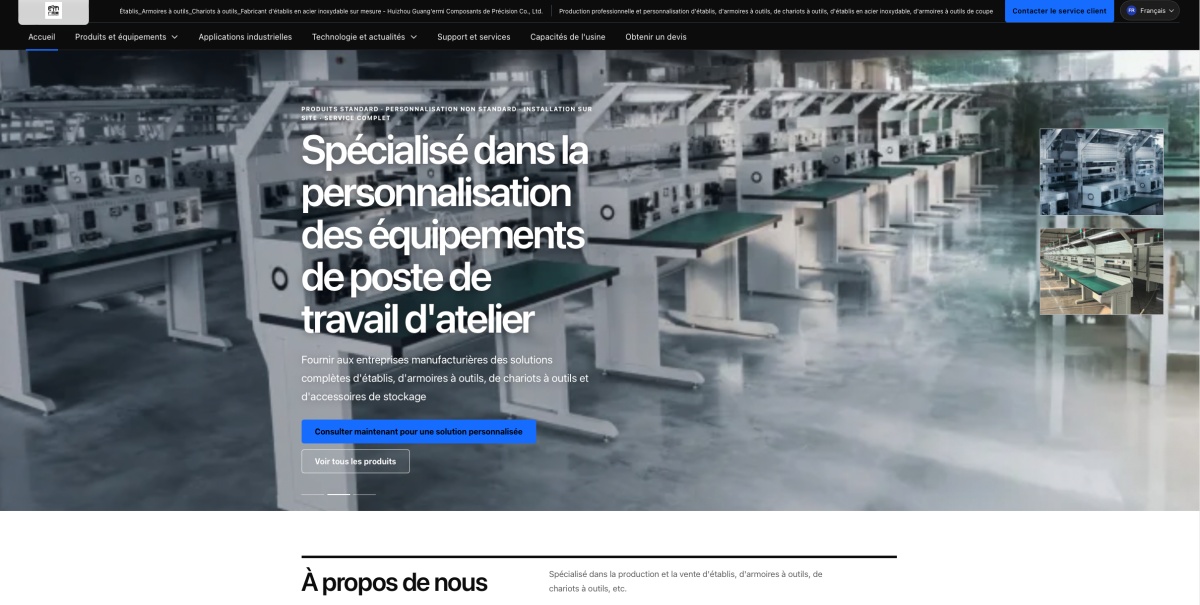
Guangermei Precision Parts | French AI Digital Asset Independent Website Case Study
This project involves building a French-market-oriented AI digital asset independent web...
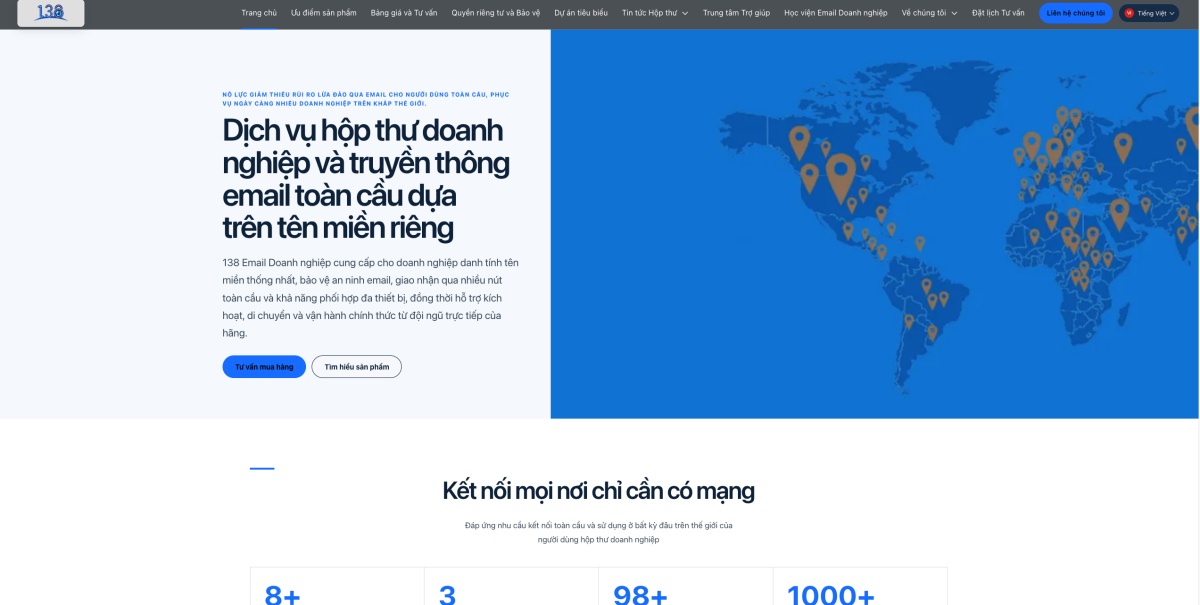
138 Enterprise Email | Vietnamese AI Digital Asset Website Case Study
An AI-driven digital asset website for enterprise email tailored to Vietnamese enterpris...
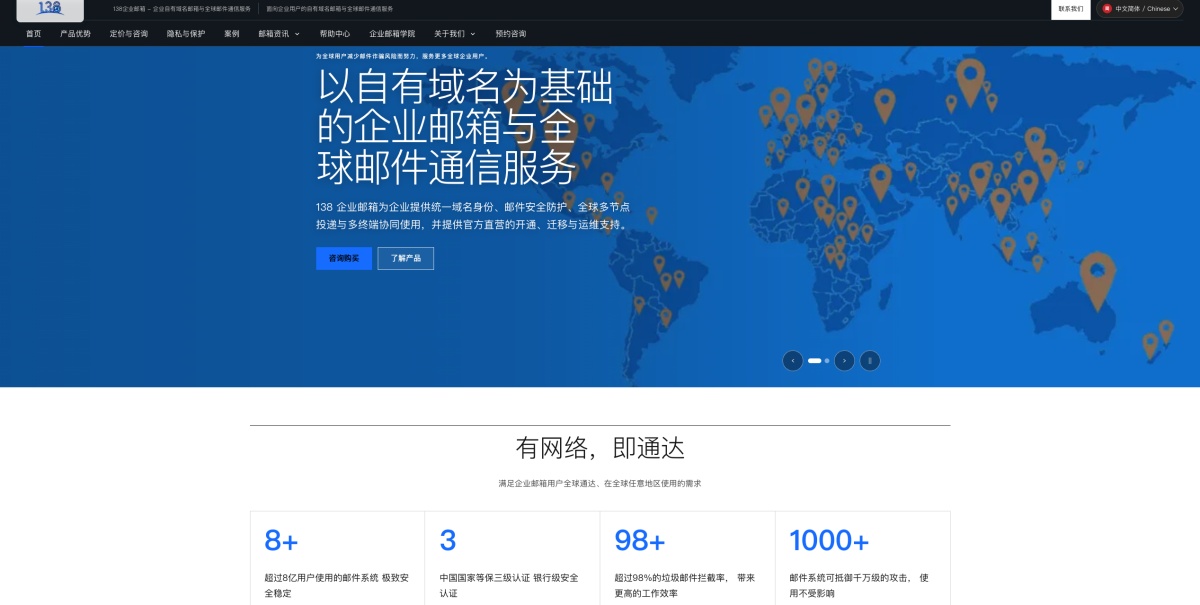
138 Enterprise Email | Chinese AI Digital Asset Website Case Study for Enterprise Services
Developed a Chinese AI digital asset website for an enterprise email service brand. By i...