English Official Website for Industrial Robots: Official Information and Portals
Target Audience and Scenario
This guide is for implementation and maintenance leads at industrial robot manufacturers or integrators who are replacing or upgrading an existing English-language official website. The goal is to ensure the new portal serves as a reliable source of official information, supports global discovery, and reduces repetitive technical inquiries from overseas buyers, integrators, and service partners.
Industrial robot websites must balance technical depth with navigational clarity. Buyers expect to find model specifications, application scenarios, integration guides, and after-sales support pathways without contacting sales first. A well-structured English portal reduces pre-sales friction and builds long-term digital assets.
Signals of a Qualified English Portal
When evaluating whether an English official website meets current expectations, look for the following signals:
- Product architecture clarity: Each robot model or series has a dedicated page with parameters, application scenarios, and downloadable resources.
- Application scenario mapping: Content is organized by industry (e.g., automotive, electronics, logistics) and task type (e.g., welding, palletizing, assembly).
- Multilingual readiness: The site supports future expansion into other languages without duplicating effort or breaking URL structures.
- Search and AI visibility: Technical content is structured so that both traditional search engines and AI systems can cite it accurately.
- Knowledge base integration: FAQs, troubleshooting guides, and integration notes are linked directly from product pages.
Evaluation Criteria for Replacement or Upgrade
Before committing to a rebuild or migration, assess the current site against these criteria:
- Content audit: Are product manuals, technical drawings, and case studies available in English? Are they version-controlled?
- Information architecture: Can a buyer find a specific robot model within three clicks from the homepage?
- SEO and GEO readiness: Are meta titles, descriptions, and headings optimized for both search engines and AI retrieval?
- Multilingual scalability: If you plan to add Spanish, German, or Japanese later, can the current CMS handle it without rebuilding?
- Operational sustainability: Who updates the site when a new model launches or a parameter changes? Is there a clear workflow?
Implementation Steps
A typical replacement or upgrade project follows these phases:
- Knowledge base construction: Organize all authentic enterprise materials—product specs, application notes, case studies, FAQs—into a structured knowledge base. This becomes the single source of truth for all website content.
- Site architecture design: Map out product pages, solution pages, case studies, and support resources. Ensure internal linking connects related content logically.
- Content migration and localization: Translate or rewrite existing content for English-speaking markets. Avoid literal translation; adapt terminology and units to regional expectations.
- SEO and GEO optimization: Optimize meta tags, headings, and structured data. Ensure content is citable by AI systems answering technical queries.
- Continuous operation: Establish a workflow for updating product information, publishing new case studies, and responding to search trends.
Risks and Boundaries
Be aware of these common risks when building or upgrading an English industrial robot website:
- Overpromising on rankings: No agency can guarantee fixed search rankings or AI recommendations. SEO and GEO are long-term efforts requiring continuous optimization.
- Content inconsistency: If product information is updated in one language but not others, buyers receive conflicting data. Use a unified knowledge base to prevent this.
- Technical debt: Migrating from a legacy CMS without proper planning can break URLs, lose backlinks, and damage search visibility.
- Resource allocation: Maintaining a multilingual site requires ongoing effort. Ensure you have internal or external support for content updates.
Practical Example
Consider a mid-sized industrial robot manufacturer expanding into Southeast Asia. Their existing English website lacked detailed application scenarios and had no clear pathway for buyers to find integration guides. After implementing an enterprise AI knowledge base and restructuring the site around product models and industry applications, they observed:
- A noticeable reduction in repetitive technical inquiries.
- Improved visibility in both traditional search and AI-driven answers.
- Easier expansion into additional languages for regional markets.
Next Steps
If you are evaluating a replacement or upgrade for your English official website, start by auditing your current content and information architecture. Identify gaps in product documentation, application scenarios, and multilingual readiness. Then, explore how an enterprise AI digital asset growth system can help you build a sustainable, searchable, and AI-ready portal.
For a detailed assessment of your current site's visibility and structure, request a free diagnostic review. This will help you understand where improvements are needed and how to prioritize your next steps.
Recommended
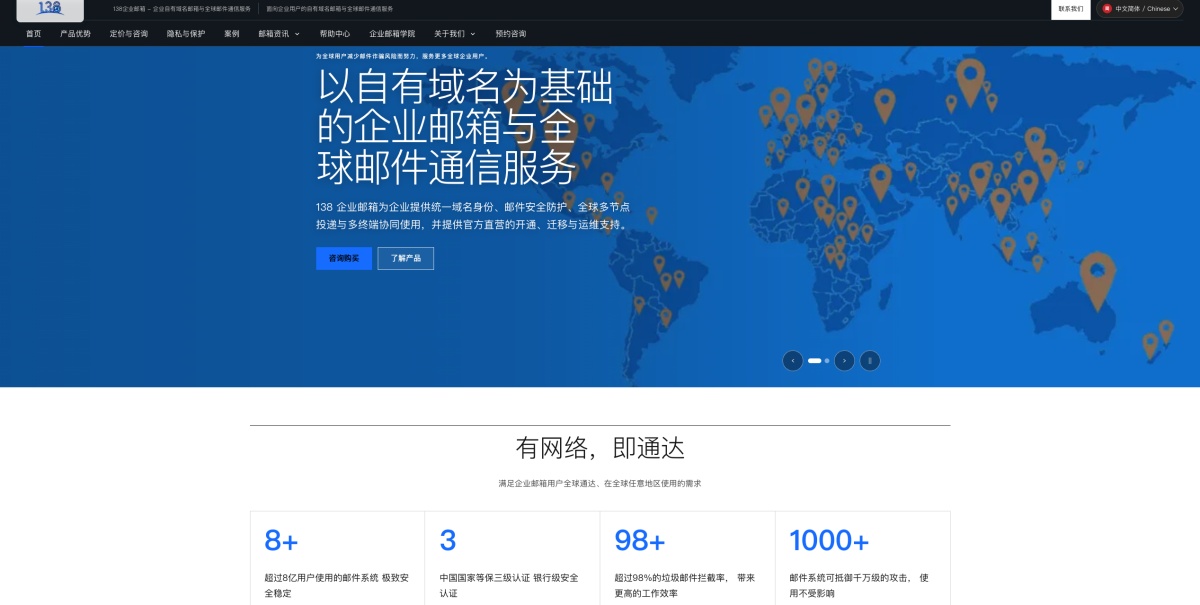
138 Enterprise Email | Chinese AI Digital Asset Website Case Study for Enterprise Services
Developed a Chinese AI digital asset website for an enterprise email service brand. By i...
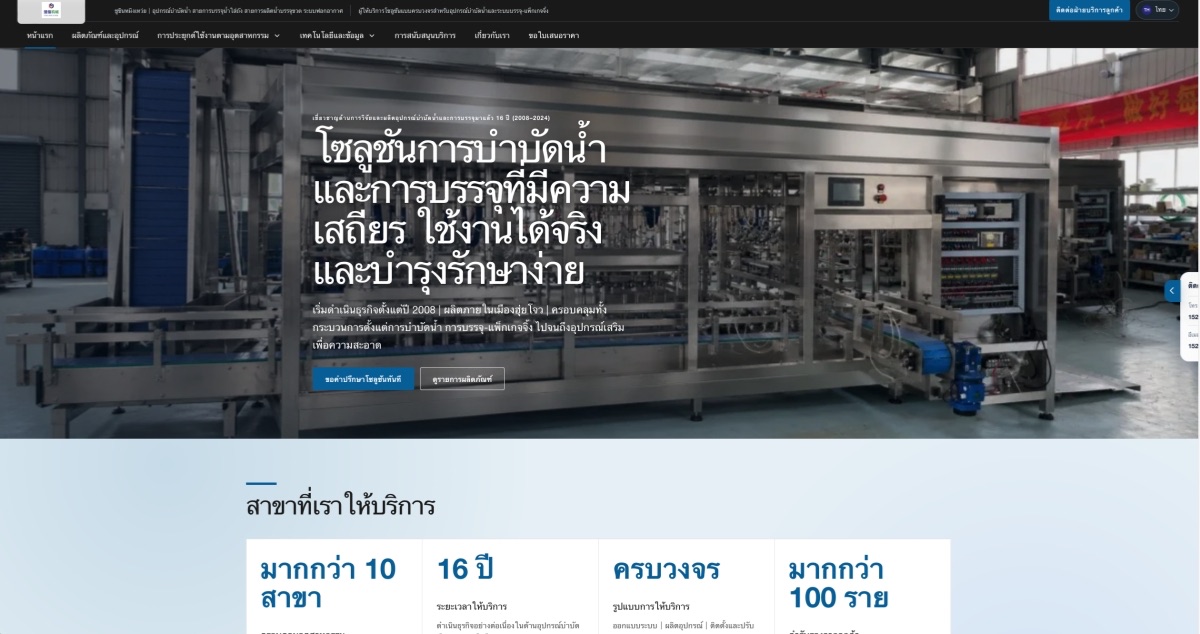
Water Treatment & Filling Equipment Manufacturer | Thai AI Digital Asset Website Case Study
Development of a Thai AI digital asset website for water treatment and filling equipment...
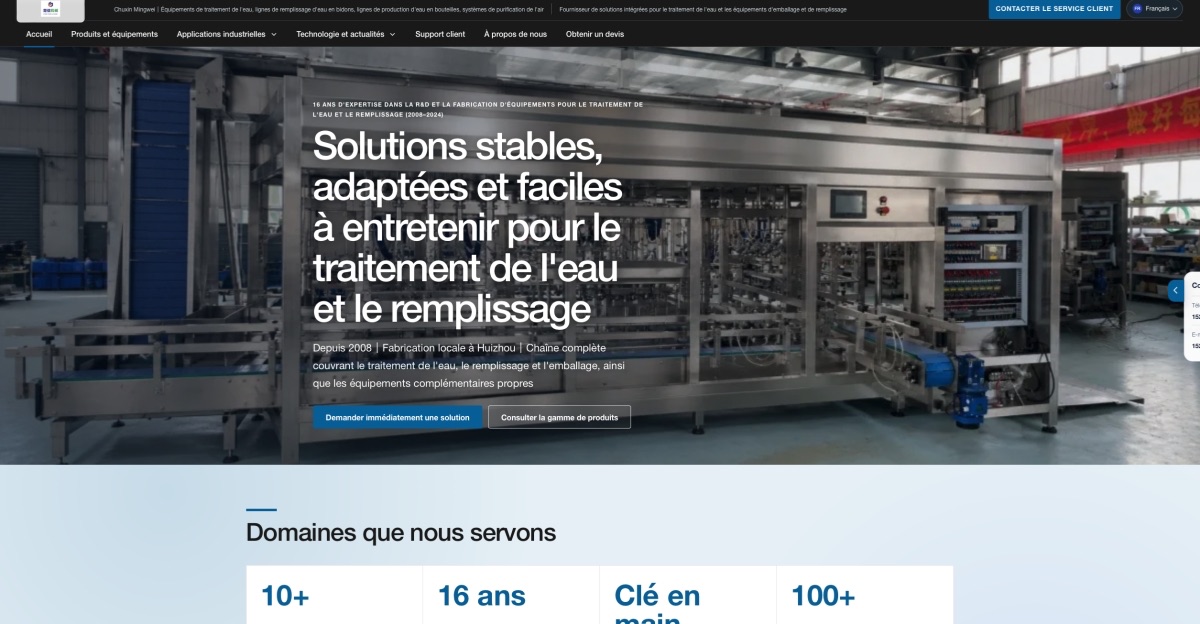
Water Treatment & Filling Equipment Manufacturer | French AI Digital Asset Standalone Website Case Study
Built on a unified AI enterprise knowledge base, this French digital asset standalone we...