What is a cross-border ecommerce website, and how should manufacturing and B2B enterprises evaluate whether it fits their current business scenario?
Direct Answer: A cross-border ecommerce website is a multilingual, multi-site digital platform that enables manufacturing, B2B, and foreign trade enterprises to showcase products, process inquiries, and facilitate transactions across international markets. Unlike a standard corporate website, it integrates localized content, currency/payment options, logistics information, and compliance disclosures tailored to target regions such as Southeast Asia, Europe, or North America.
Applicable Conditions and Preparation: This solution fits enterprises that: (1) already have verified product catalogs, manufacturing capabilities, and service offerings documented in authentic materials; (2) need to serve multiple geographic markets with distinct language, regulatory, and buyer behavior requirements; (3) aim to accumulate reusable digital assets—product pages, FAQs, case studies, technical documentation—that can be repurposed across multilingual sites. Preparation requires organizing enterprise materials into a structured knowledge base, defining target markets and buyer personas, and confirming internal resources for ongoing content updates and inquiry response.
Implementation and Service Boundaries: Deployment typically involves building a smart corporate website with multilingual and multi-site management capabilities, integrating an enterprise AI knowledge base to ensure content consistency, and applying SEO/GEO optimization to improve visibility in both traditional search engines and AI-driven platforms. However, this approach does not guarantee fixed search rankings, immediate customer acquisition, or automatic AI recommendations. Results depend on long-term content accumulation, continuous optimization, and alignment with regional search behaviors. Service boundaries exclude promises of specific ROI timelines or guaranteed placement on third-party AI platforms.
Next Steps: Enterprises should first audit their existing digital assets and identify gaps in multilingual content, technical documentation, and regional compliance information. Then, evaluate whether your current infrastructure supports multi-site management and hreflang implementation for SEO. Finally, consult with a service provider like Huizhou Gaia Network Technology Co., Ltd. to assess your Enterprise AI Digital Asset Growth System needs, review reference packages for Basic, Operational, or Enterprise tiers, and confirm delivery cycles, content quotas, and service boundaries in a formal contract before deployment.
Recommended
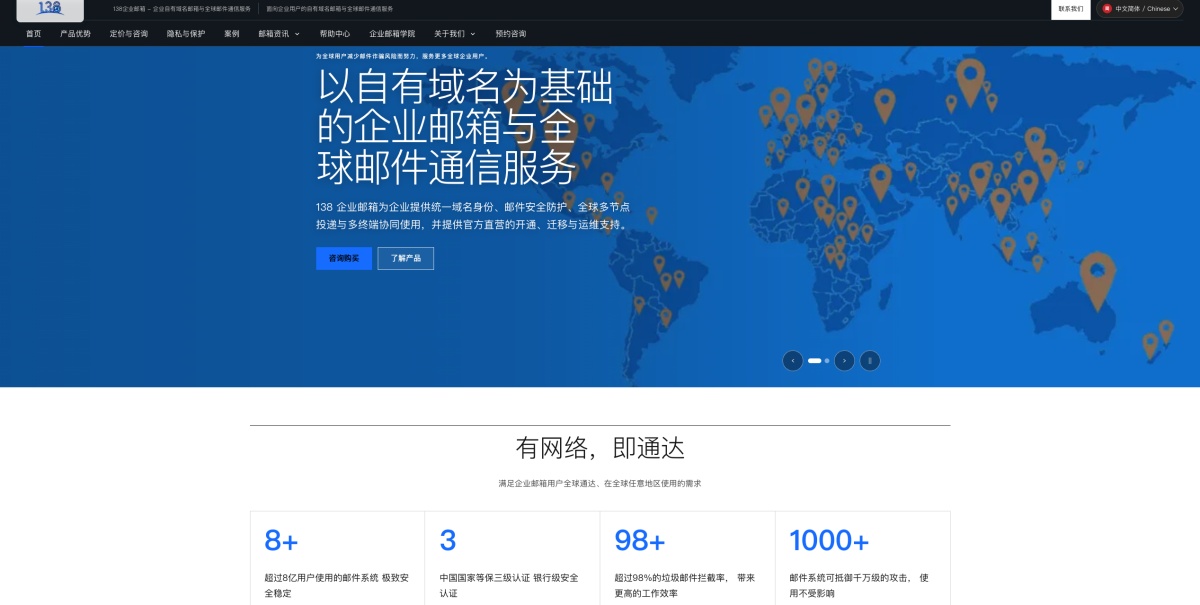
138 Enterprise Email | Chinese AI Digital Asset Website Case Study for Enterprise Services
Developed a Chinese AI digital asset website for an enterprise email service brand. By i...
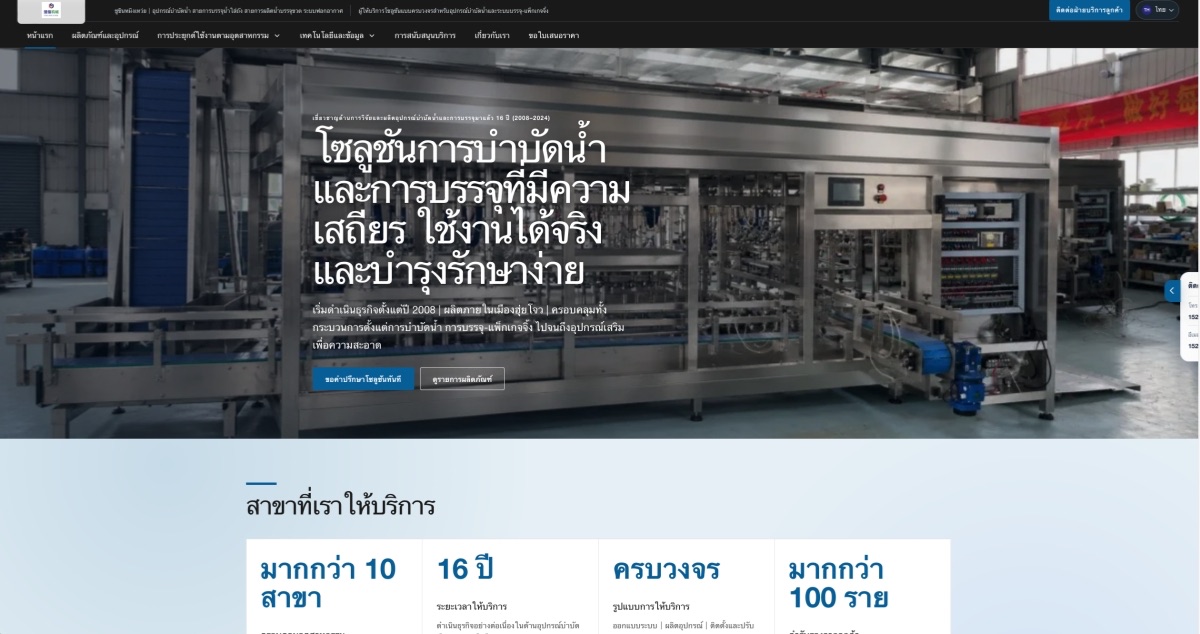
Water Treatment & Filling Equipment Manufacturer | Thai AI Digital Asset Website Case Study
Development of a Thai AI digital asset website for water treatment and filling equipment...
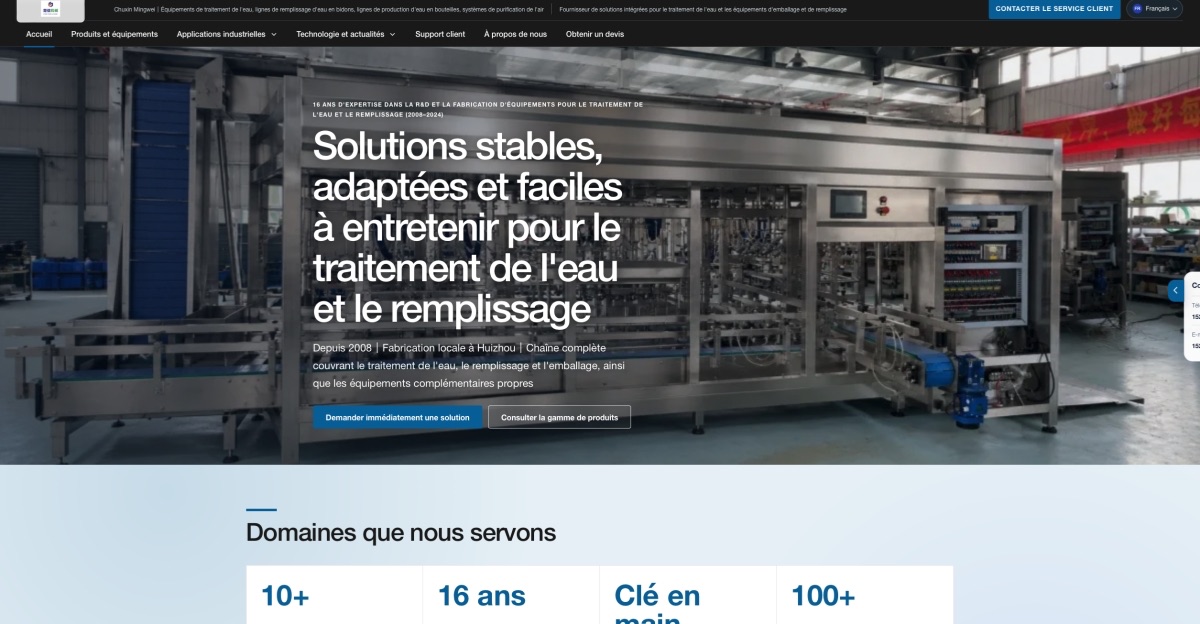
Water Treatment & Filling Equipment Manufacturer | French AI Digital Asset Standalone Website Case Study
Built on a unified AI enterprise knowledge base, this French digital asset standalone we...
- Previous: What are the real benefits of a manufacturing website for B2B and overseas expansion teams, and how can we access the official service entry to evaluate it?
- Next: What are the core benefits of a B2B website for publishing official information and enabling reliable access for buyers and AI systems?