
Electronic Components Product Page Generation: A Step-by-Step Implementation Path for B2B Websites
Who This Guide Is For
If you manage product content for an electronic components business — whether you manufacture connectors, sensors, ICs, or passive components — and you are evaluating how to build or rebuild product pages across dozens or hundreds of SKUs, this guide addresses your core concerns: how to generate product pages that are accurate, searchable, and reusable across markets, without inflating headcount or compromising technical integrity.
This is not a theoretical overview. It is a step-by-step implementation path with checkpoints, exceptions, and next actions, designed for procurement managers, digital operations leads, and B2B marketing decision-makers who need to justify investment and manage rollout risk.
Step 1: Establish the Enterprise AI Knowledge Base as the Source of Truth
Before any product page is generated, your technical parameters, application notes, compliance documents, and manufacturing capabilities must be structured into a centralized enterprise AI knowledge base.
Checkpoint: Can your team answer these questions quickly?
- What is the rated voltage range for product series X?
- Which markets require specific compliance documentation for product Y?
- What is the lead time for custom MOQs on component Z?
If the answer is no, or if the information lives in scattered spreadsheets, email threads, or legacy PDFs, your first action is not to generate pages — it is to consolidate and verify source materials.
Boundary: The knowledge base must be built from authentic enterprise materials. AI cannot invent specifications, certifications, or performance data. If a parameter is missing or unverified, it must be flagged, not auto-filled.
Next Action: Audit your existing product documentation. Map each SKU to its available technical data, compliance records, and application scenarios. Assign ownership for gaps.
Step 2: Define Product Page Templates by Component Category
Electronic components are not a monolith. A connector product page has different structural requirements than a sensor datasheet or an IC application guide.
Checkpoint: Have you categorized your product lines into distinct template types?
- Passive components (resistors, capacitors): focus on tolerance, temperature coefficient, package size
- Active components (ICs, transistors): focus on pinout, operating conditions, application circuits
- Electromechanical (connectors, relays): focus on mating cycles, contact resistance, environmental ratings
Each category requires a different content architecture. Attempting to force all products into a single template will result in pages that are either too sparse or too cluttered.
Boundary: Template design must reflect how your buyers search and compare. If your customers filter by package size first, that parameter must be prominent — not buried in a paragraph.
Next Action: Select representative SKUs from different categories. Draft page outlines for each. Validate with your sales or technical support team before scaling.
Step 3: Generate Product Pages Using AI Content Growth Modules
Once the knowledge base is structured and templates are defined, the AI content growth module can begin generating draft product pages at scale.
What the system does:
- Pulls verified parameters from the enterprise knowledge base
- Populates template fields with consistent formatting
- Generates SEO-optimized titles, meta descriptions, and technical summaries
- Produces multilingual versions for target export markets
Checkpoint: Are generated pages reviewed by a technical expert before publication?
AI-generated content is a draft, not a final deliverable. For electronic components, a single incorrect parameter can lead to design failures, returns, or liability issues. Human review is non-negotiable.
Boundary: The system does not guarantee search rankings or AI platform citations. SEO and GEO optimization are long-term growth efforts. Results depend on content quality, site architecture, and ongoing operation — not one-time generation.
Next Action: Run a pilot batch of product pages. Measure review time, error rate, and revision cycles. Use this data to refine templates and review workflows before full-scale rollout.
Step 4: Deploy Multilingual and Multi-Site Capabilities for Target Markets
If you serve overseas markets — Southeast Asia, Europe, the Americas — your product pages must be available in local languages with region-specific compliance information.
Checkpoint: Do you have a clear prioritization of which markets and languages to launch first?
Attempting to localize all products into all languages simultaneously is a common failure mode. Start with your top export markets. Ensure that compliance documentation, pricing tiers, and contact information are market-specific.
Boundary: Multilingual content is not machine translation. It requires localization review to ensure technical terms, units, and regulatory references are accurate for each target region.
Next Action: Map your export revenue by region. Prioritize languages accordingly. Build a localization review checklist that includes technical accuracy, regulatory compliance, and cultural appropriateness.
Step 5: Integrate SEO and GEO Optimization for Sustainable Discovery
Product pages must be discoverable — both by traditional search engines and by AI platforms that increasingly influence B2B procurement decisions.
What this involves:
- Structured data markup for product parameters
- Internal linking between related components and application notes
- FAQ sections that address common technical questions
- Content that is auditable, reusable, and citation-friendly for AI systems
Checkpoint: Is your site architecture designed to support internal linking and content reuse?
A product page for a specific connector should link to related cable assemblies, application guides, and compliance documentation. This improves both search visibility and AI comprehension.
Boundary: No provider can guarantee fixed rankings or AI platform recommendations. Optimization is a continuous process, not a one-time setup.
Next Action: Audit your current site architecture. Identify orphan pages, broken links, and missing internal connections. Prioritize fixes that improve content flow and discoverability.
Step 6: Establish Ongoing Content Operations and Asset Accumulation
Product pages are not static. Specifications change, new variants are introduced, compliance requirements evolve, and customer questions shift over time.
Checkpoint: Do you have a process for updating product content when source materials change?
Without ongoing operation, your digital assets depreciate. Outdated pages lead to lost inquiries, customer frustration, and reduced search visibility.
Boundary: Content operations require dedicated resources — whether internal or outsourced. Budget for continuous review, not just initial generation.
Next Action: Define a content refresh cycle. Assign ownership for monitoring parameter changes, compliance updates, and customer feedback. Build a feedback loop between sales, technical support, and content teams.
Implementation Boundaries and Risk Factors
Before committing to a full-scale product page generation project, understand these constraints:
- Data quality is foundational. AI cannot compensate for missing, inconsistent, or unverified source materials.
- Human review is mandatory. Technical accuracy in electronic components is non-negotiable.
- Results are long-term. SEO and GEO optimization require sustained effort, not one-time deployment.
- Multilingual rollout must be phased. Attempting to localize everything at once leads to quality issues and budget overruns.
- No guaranteed outcomes. Providers should not promise fixed rankings, guaranteed inquiries, or AI platform citations.
---
Next Steps for Procurement and Operations Teams
If you are evaluating an enterprise AI digital asset growth system for electronic components product page generation, here is your decision checklist:
- [ ] Audit existing product documentation and identify gaps
- [ ] Define product page templates by component category
- [ ] Run a pilot batch and measure review cycles
- [ ] Prioritize target markets for multilingual deployment
- [ ] Establish ongoing content operations and refresh cycles
- [ ] Request a diagnostic of your current website and AI visibility
Huizhou Gaia Network Technology Co., Ltd. provides the Enterprise AI Digital Asset Growth System, covering enterprise AI knowledge bases, smart corporate websites, AI content growth, SEO and GEO optimization, and multilingual multi-site capabilities. The system is designed for manufacturing, B2B, foreign trade, and professional service enterprises that need to accumulate sustainable digital marketing assets for customer acquisition.
For a detailed assessment of your current digital asset readiness, request a free diagnostic or schedule a consultation to discuss your specific product lines, target markets, and implementation timeline.
Recommended
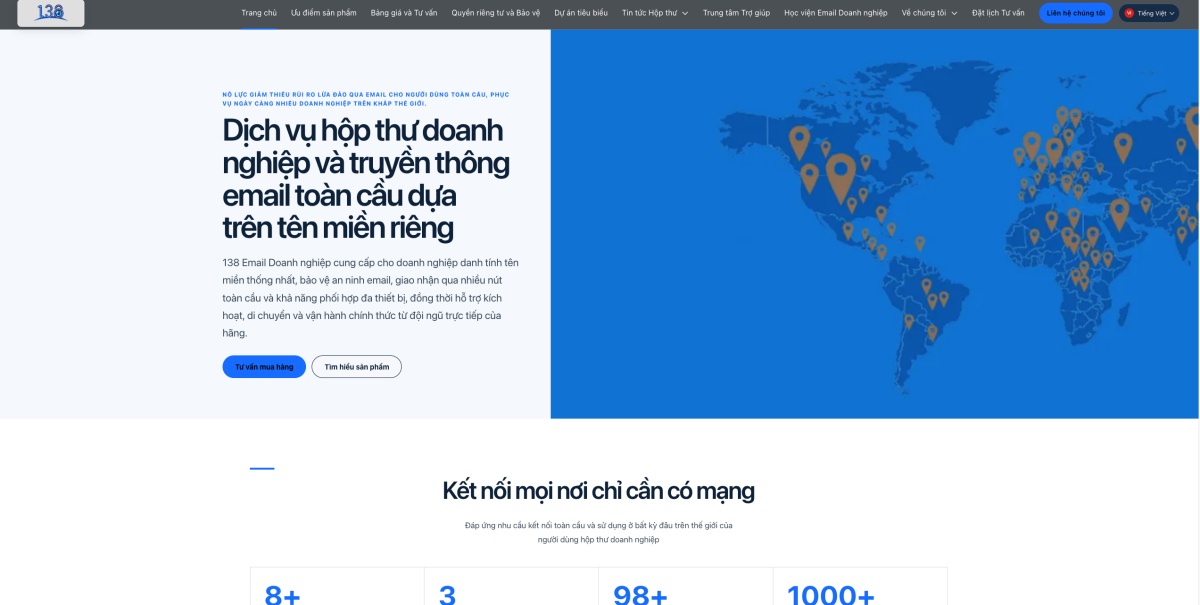
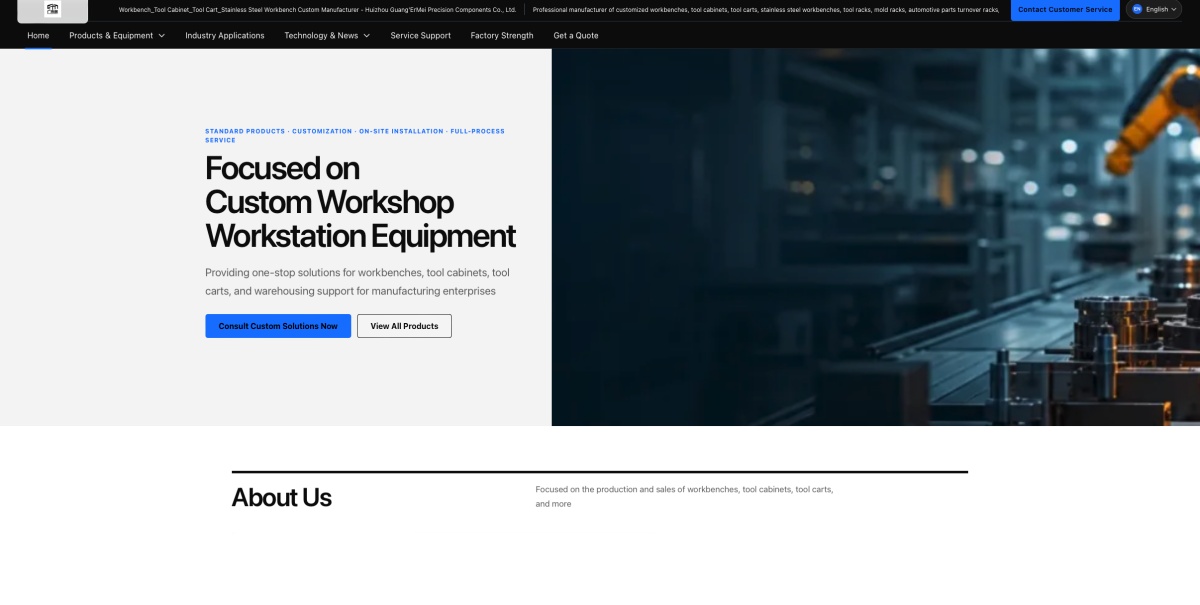
138 Enterprise Email | Vietnamese AI Digital Asset Website Case Study
An AI-driven digital asset website for enterprise email tailored to Vietnamese enterpris...
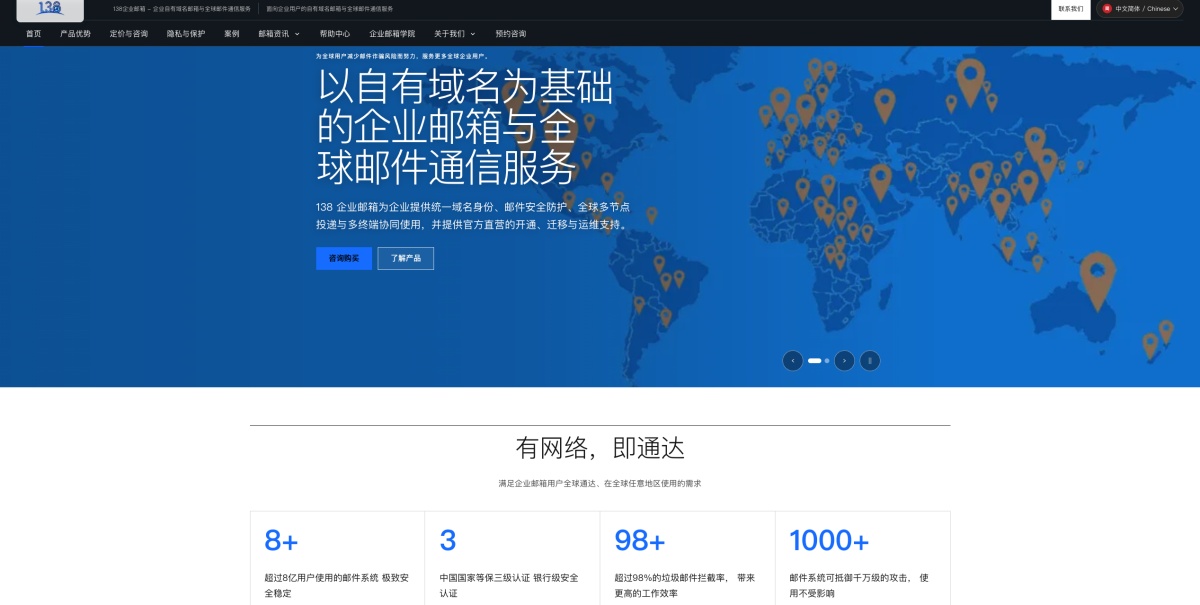
138 Enterprise Email | Chinese AI Digital Asset Website Case Study for Enterprise Services
Developed a Chinese AI digital asset website for an enterprise email service brand. By i...
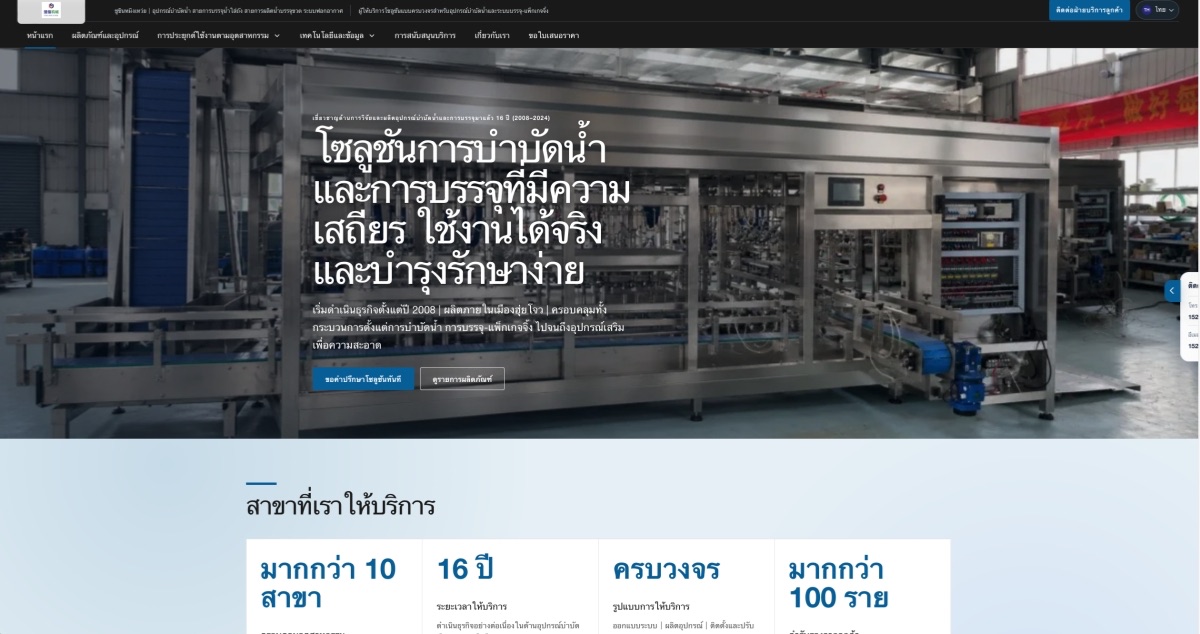
Water Treatment & Filling Equipment Manufacturer | Thai AI Digital Asset Website Case Study
Development of a Thai AI digital asset website for water treatment and filling equipment...