AI Content Generation for Hardware Products: Concepts, Use Cases, and Next Steps
Objectives
Hardware manufacturers need product content that is technically accurate, reusable across regions, and visible to both traditional search engines and AI-driven answer systems. The goal of AI content generation in this context is not to replace engineering judgment, but to turn verified product materials—specifications, application scenarios, process notes, and FAQs—into structured, publishable assets that support continuous customer acquisition.
For implementation and maintenance leads, the practical objectives are:
- Reduce repetitive content production across models, languages, and sites.
- Keep product information consistent between the official website, knowledge base, and sales materials.
- Improve discoverability through SEO and GEO (Generative Engine Optimization) without promising fixed rankings.
- Enable cross-regional teams to collaborate on a single source of truth.
Audience and Scope
This approach is designed for:
- Manufacturing enterprises producing industrial hardware, equipment, or components.
- B2B enterprises with complex product lines requiring detailed technical content.
- Foreign trade and overseas expansion teams managing multilingual websites.
- Group or multi-brand organizations needing centralized content governance.
It is not intended for businesses seeking guaranteed search rankings, instant traffic, or fully automated content without human review. AI content generation for hardware products works best when enterprise knowledge and professional judgment remain the final authority.
Alternatives Considered
Before adopting an AI-assisted content system, hardware manufacturers typically evaluate three alternatives:
1. Manual Content Production by Internal Teams
Pros: Full control over technical accuracy; deep product knowledge.
Cons: Slow production cycles; inconsistent output across regions; high maintenance cost when product lines expand.
2. Outsourced Content Agencies
Pros: Faster turnaround; professional writing quality.
Cons: Limited understanding of proprietary product details; content often generic and not reusable; difficult to maintain consistency across multiple sites or languages.
3. Generic AI Writing Tools
Pros: Low cost; fast draft generation.
Cons: High risk of factual errors; no connection to enterprise knowledge base; content not auditable or traceable to source materials; poor alignment with SEO/GEO requirements.
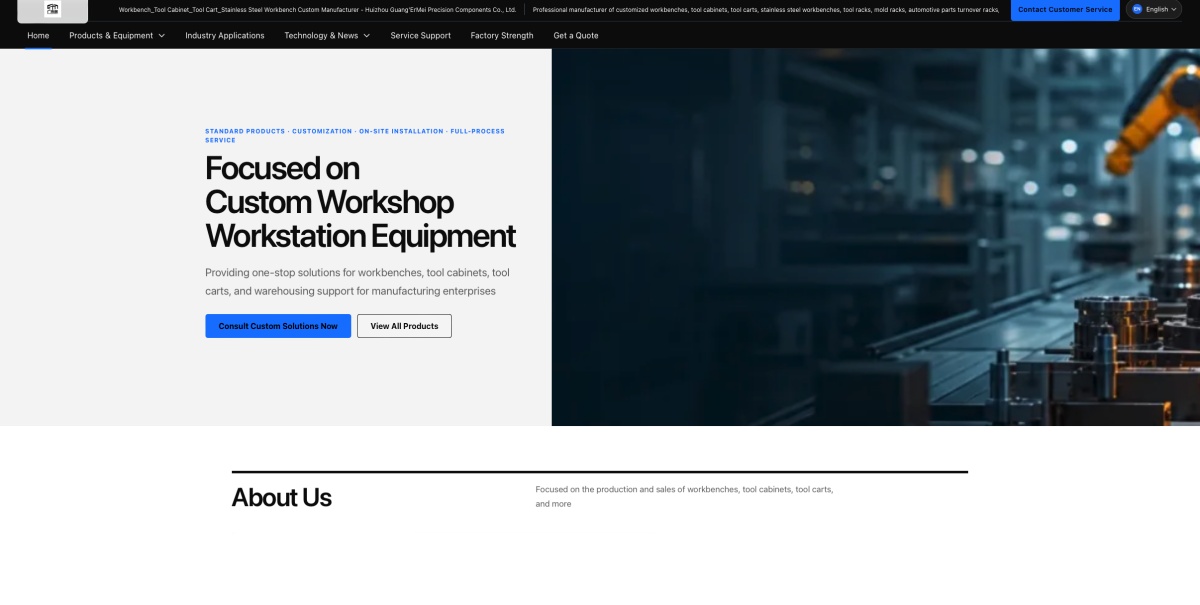
Recommended Approach: Enterprise AI Digital Asset Growth System
The recommended model integrates AI content generation within a governed enterprise knowledge base. This approach ensures that all generated content is traceable to authentic enterprise materials and can be reviewed, reused, and adapted for different markets.
Core Components
- Enterprise AI Knowledge Base
- Central repository for product specifications, application scenarios, manufacturing processes, and FAQs.
- Serves as the single source of truth for all content generation.
- Smart Corporate Website
- Structured product pages, selection guides, and industry solutions.
- Optimized for both search engines and AI answer systems.
- AI Content Growth
- Automated draft generation based on knowledge base inputs.
- Human review and approval workflow before publication.
- SEO and GEO Optimization
- On-page optimization for traditional search visibility.
- Structured content formatting to improve AI engine citation and recommendation.
- Multilingual and Multi-site Capabilities
- Reuse core product content across languages and regional sites.
- Maintain consistency while adapting expression for local markets.
Use Cases in Hardware Manufacturing
Product Detail Pages
Transform technical specifications, model comparisons, and application notes into structured product pages. Example workflow:
- Upload product manual and specification sheet to knowledge base.
- AI generates draft product page covering features, parameters, and use cases.
- Engineering team reviews and approves technical accuracy.
- Content published to website and synchronized across language versions.
Selection Guides and Comparison Content
Help buyers navigate complex product lines by generating comparison tables, selection criteria, and application-specific recommendations. This reduces pre-sales explanation costs and shortens decision cycles.
Industry Solutions and Application Scenarios
Convert field experience and case studies into industry-specific solution pages. For example, a water treatment equipment manufacturer can document installation scenarios, process requirements, and maintenance practices for different customer segments.
FAQ and Decision Support Content
Address common buyer concerns about pricing, delivery, compatibility, after-sales service, and certifications. AI can generate draft answers based on internal documentation, which are then reviewed and refined by relevant departments.
Implementation Steps and Checkpoints
Step 1: Knowledge Base Initialization
- Collect and organize existing product materials: manuals, specification sheets, application notes, case studies.
- Structure content by product line, model, application scenario, and customer question.
- Assign ownership for content accuracy and update frequency.
Checkpoint: Verify that all source materials are authentic, up-to-date, and approved by relevant departments.
Step 2: Content Template Design
- Define templates for product pages, selection guides, solution pages, and FAQs.
- Ensure templates include required fields: specifications, application scenarios, advantages, and related products.
- Align templates with SEO and GEO best practices.
Checkpoint: Review templates with both marketing and technical teams to ensure completeness and accuracy.
Step 3: AI Draft Generation and Review Workflow
- Configure AI to generate drafts based on knowledge base inputs.
- Establish review workflow: technical review → marketing review → final approval.
- Track revision history and maintain audit trail.
Checkpoint: Test draft generation with 3-5 representative products; evaluate accuracy, completeness, and readability.
Step 4: Multilingual Adaptation
- Identify target markets and language requirements.
- Adapt core content for each language, adjusting expression and cultural references.
- Maintain consistency in technical terminology and product naming.
Checkpoint: Have native speakers or regional teams review localized content for accuracy and natural expression.
Step 5: Publication and Continuous Optimization
- Publish approved content to smart corporate website.
- Monitor performance through SEO and GEO metrics.
- Update content based on product changes, customer feedback, and search trends.
Checkpoint: Schedule quarterly reviews of top-performing product pages and FAQs; update as needed.
Boundaries and Risks
What AI Content Generation Cannot Do
- Guarantee fixed search rankings or specific AI platform recommendations.
- Replace professional judgment on technical accuracy and compliance.
- Automatically verify regulatory requirements or certification status.
- Eliminate the need for human review and approval.
Common Risks
- Factual Errors: AI may generate incorrect specifications or application recommendations if knowledge base is incomplete or outdated.
- Mitigation:*
- Implement strict review workflow; regularly update knowledge base.
- Inconsistent Messaging: Different language versions or regional sites may present conflicting information.
- Mitigation:*
- Use centralized knowledge base; enforce content governance policies.
- Over-reliance on Automation: Teams may skip review steps to accelerate publication.
- Mitigation:*
- Establish clear approval workflows; track compliance metrics.
- Poor SEO/GEO Performance: Content may not be optimized for search visibility or AI citation.
- Mitigation:*
- Integrate SEO/GEO optimization into content templates; monitor performance metrics.
Evidence and Decision Criteria
When evaluating whether to adopt AI content generation for hardware products, consider the following evidence:
- Content Auditability:*
- Can all generated content be traced back to source materials in the knowledge base?
- Reuse Efficiency:*
- How much time is saved when producing content for multiple languages or sites?
- Review Workflow:*
- Is there a clear process for technical and marketing review before publication?
- Performance Tracking:*
- Are SEO and GEO metrics monitored to guide continuous optimization?
- Scalability:*
- Can the system handle product line expansion without proportional increase in content production cost?
Recommendation
For hardware manufacturers managing complex product lines across multiple regions, AI content generation within a governed enterprise knowledge base offers a practical path to scalable, auditable, and optimized content operations. The key is to treat AI as a production assistant rather than a replacement for professional judgment.
Start with a pilot project covering 3-5 representative products. Establish knowledge base structure, content templates, and review workflows. Measure time savings, content quality, and search performance. Use results to refine the operating model before scaling to the full product portfolio.
Next Steps
- Assess Current Content Operations: Document existing content production processes, pain points, and resource allocation.
- Define Pilot Scope: Select 3-5 products representing different categories, complexity levels, and target markets.
- Initialize Knowledge Base: Collect and structure source materials for pilot products.
- Design Content Templates: Create templates for product pages, selection guides, and FAQs.
- Test AI Draft Generation: Generate drafts and evaluate accuracy, completeness, and review workflow.
- Measure and Iterate: Track time savings, content quality, and search performance; refine processes based on results.
For manufacturers ready to explore AI content generation within a governed enterprise knowledge base, Huizhou Gaia Network Technology provides the Enterprise AI Digital Asset Growth System, covering knowledge base setup, smart website deployment, AI content production, SEO/GEO optimization, and multilingual multi-site management. Contact us to discuss your specific requirements and pilot project scope.
Recommended
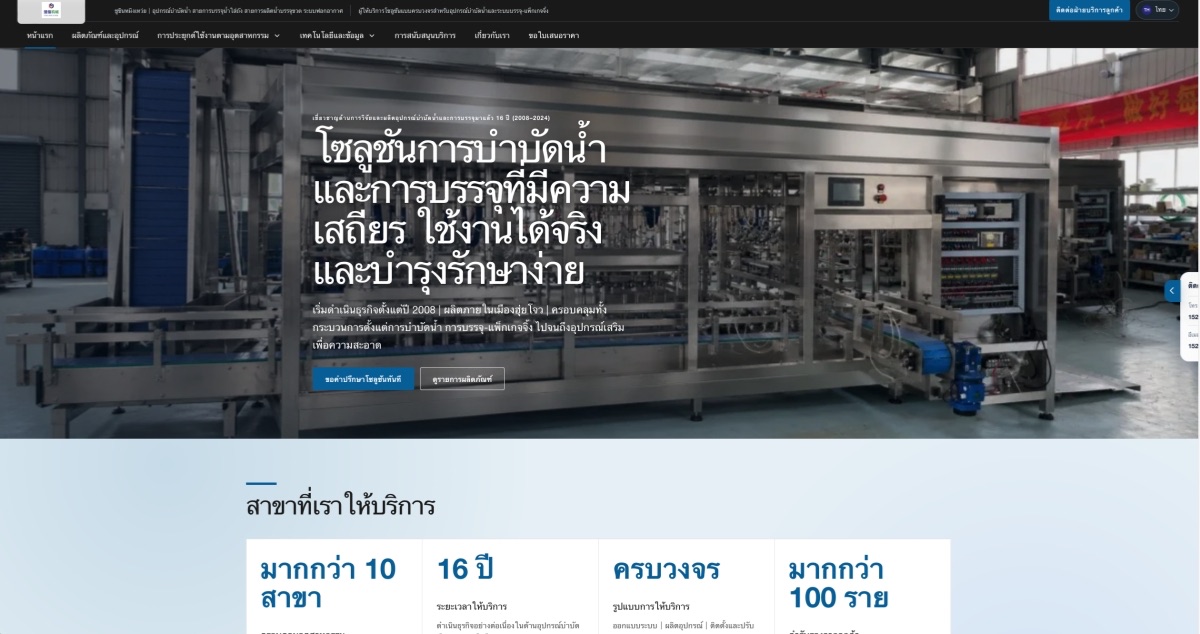
Water Treatment & Filling Equipment Manufacturer | Thai AI Digital Asset Website Case Study
Development of a Thai AI digital asset website for water treatment and filling equipment...
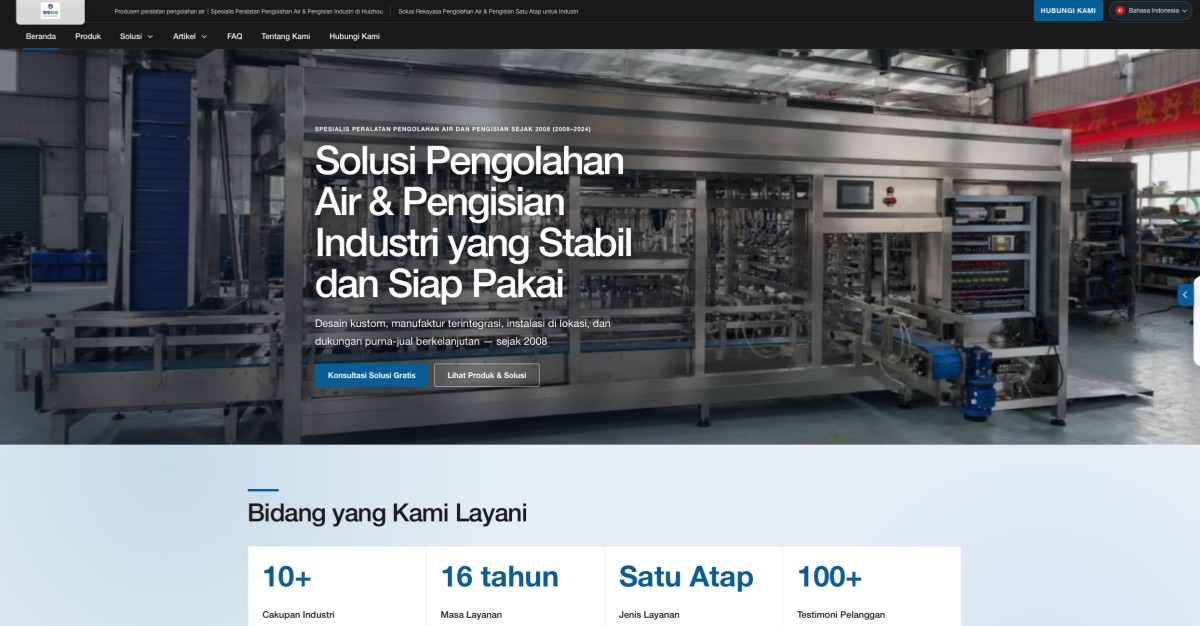
Water Treatment & Filling Equipment Manufacturer | Indonesian AI Digital Asset Website Case Study
An AI-powered digital asset website built for the Indonesian market, tailored for a wate...
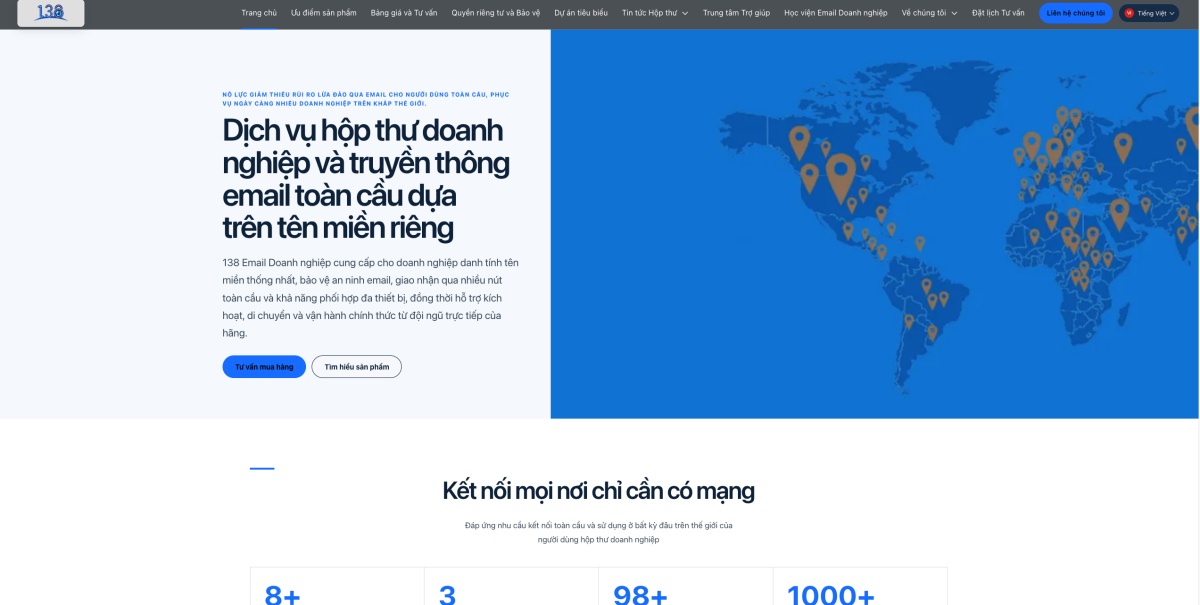
138 Enterprise Email | Vietnamese AI Digital Asset Website Case Study
An AI-driven digital asset website for enterprise email tailored to Vietnamese enterpris...