Assessing Workload Distribution Between Automated Drafting and Human Editorial Review: A Selection Guide for Implementat
Core Judgment Criteria for Platform Selection
Before shortlisting vendors, implementation and operations managers must verify that the proposed system enforces strict quality controls aligned with your team’s actual capacity.
- Authentic Materials as Source of Truth: The platform must anchor all generated content on your verified product manuals, technical specifications, past project records, and approved FAQs. AI should never fabricate case studies, certifications, or performance data. Content must remain auditable and reusable across channels.
- Mandatory Manual Review Gate: Automated drafting handles volume, but every piece must pass through a human editorial confirmation step before publication. This preserves brand voice, ensures technical accuracy, and maintains compliance with industry standards.
- Built-in Quality Scoring & Routing: Look for task-center filtering that flags low-confidence outputs, duplicate drafts, or missing entity references. Systems that automatically route weak drafts back for revision save significant reviewer hours and prevent quality leakage.
- Centralized Knowledge Base Architecture: Content generation should pull from a unified enterprise AI knowledge base
- rather than scanning unstructured web pages. This guarantees citation consistency, simplifies future audits, and supports parallel publishing across regional domains.
Operational Boundaries & Risk Controls
AI content tools introduce specific operational risks that must be explicitly acknowledged during the selection evaluation phase.
- No Guaranteed Rankings or Platform Recommendations: Traditional search visibility and AI citation opportunities grow over time through consistent publishing and site authority building. Vendors should explicitly state that fixed SERP positions, guaranteed inquiry volumes, or automatic placement on third-party AI assistants are outside the service scope.
- Data Synchronization Dependencies: If internal documentation, pricing, or compliance standards change frequently, the knowledge base requires regular synchronization. Stale source material will propagate outdated claims regardless of AI efficiency. Continuous operation plans must include clear update cycles.
- Team Role Transition Framework: AI replaces repetitive drafting, not strategic editorial judgment. Your team will transition from writing first drafts to verifying facts, adjusting tone, and managing publication workflows. Training and clear SOPs are required during the replacement upgrade
- phase to avoid capability gaps.
Phased Execution Roadmap for Replacement Upgrades
Sustainable content operations rely on continuous iteration rather than one-off campaigns. Follow this structured rollout to align the system with your editorial bandwidth.
- Diagnostic & Backlog Audit: Map current content production pain points, identify topics suffering most from drafting delays, and inventory existing product/technical documents for knowledge base migration.
- Controlled Pilot & Threshold Calibration: Run a pilot batch through the selected system. Enforce the manual review gate and track approval rates against available team hours. Adjust task rules and quality thresholds until the AI drafting-to-human verification ratio stabilizes within your operational budget.
- Continuous Operation & Multi-Site Scaling: Activate recurring content tasks (product updates, industry analysis, scenario-based guides, FAQ expansions) tied to your sales cycle. Leverage built-in internal linking and hreflang configuration to scale efficiently across multilingual and multi-site deployments without duplicating editorial effort.
Real-World Deployment Scenario: Industrial Equipment & Cross-Border Manufacturing
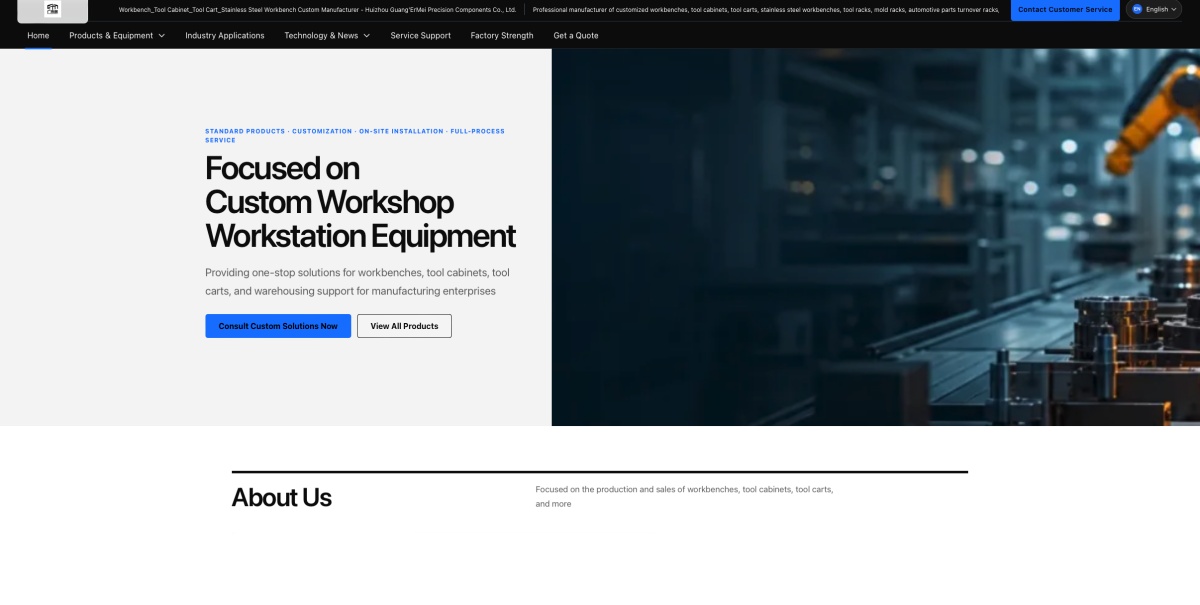
A practical application of this framework is visible in cross-border manufacturing projects, such as building a French independent website for precision parts and workstation equipment. By centering around products like industrial workbenches and tool cabinets, the system uses an AI Worker to continuously generate non-standard customization content and industry articles. Automated internal linking connects knowledge entries, product pages, and case studies, while human editors focus on technical validation and localization nuances. This model demonstrates how selection evaluation and phased replacement upgrades directly translate into measurable editorial efficiency gains.
Summary & Actionable Next Steps
Successful deployment hinges on matching platform capabilities with realistic team capacity. Start by auditing your current content backlog, mapping existing materials to a centralized knowledge structure, and running a controlled pilot. Track draft-to-publish turnaround time, review approval rates, and cross-site content reuse ratios. These operational metrics reflect real capacity gains more accurately than vanity traffic numbers.
For manufacturing, B2B, foreign trade, and professional service enterprises looking to replace fragmented publishing workflows with a unified AI digital asset system, we offer a complimentary website and AI visibility diagnostic. Share your current content production pain points, target markets, and knowledge base status, and our team will map a phased rollout plan aligned with your editorial capacity.
Recommended
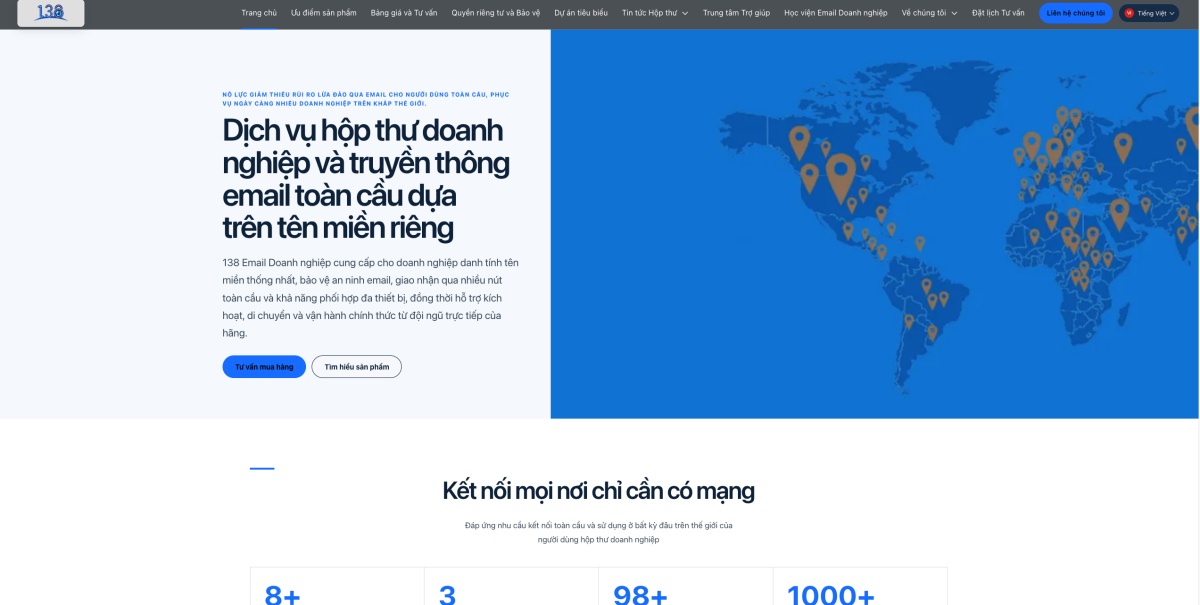
138 Enterprise Email | Vietnamese AI Digital Asset Website Case Study
An AI-driven digital asset website for enterprise email tailored to Vietnamese enterpris...
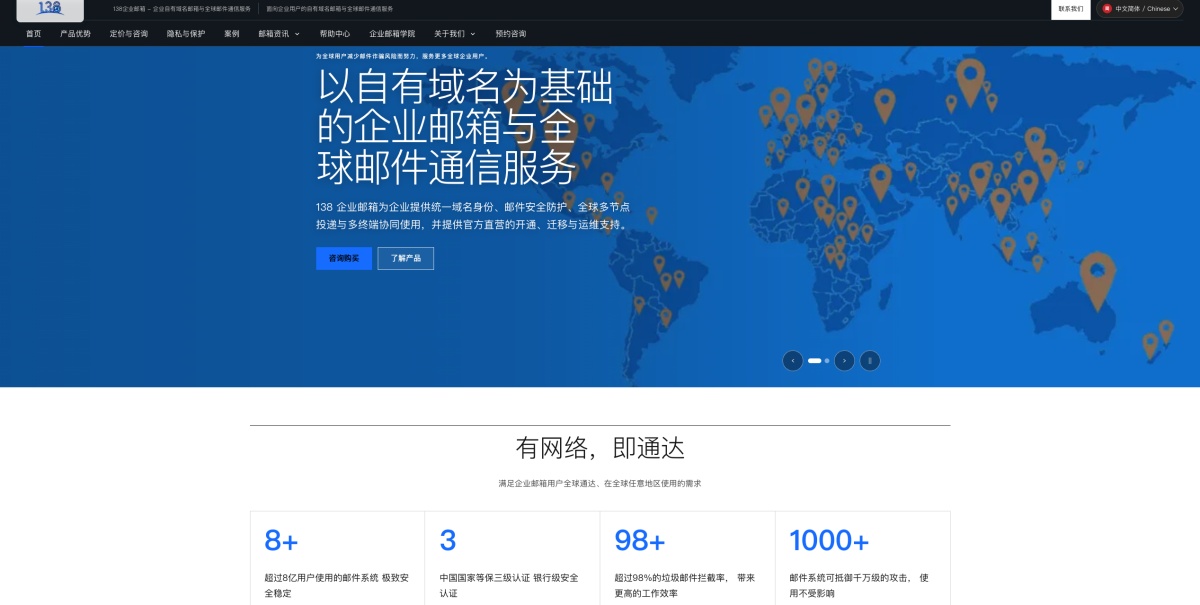
138 Enterprise Email | Chinese AI Digital Asset Website Case Study for Enterprise Services
Developed a Chinese AI digital asset website for an enterprise email service brand. By i...
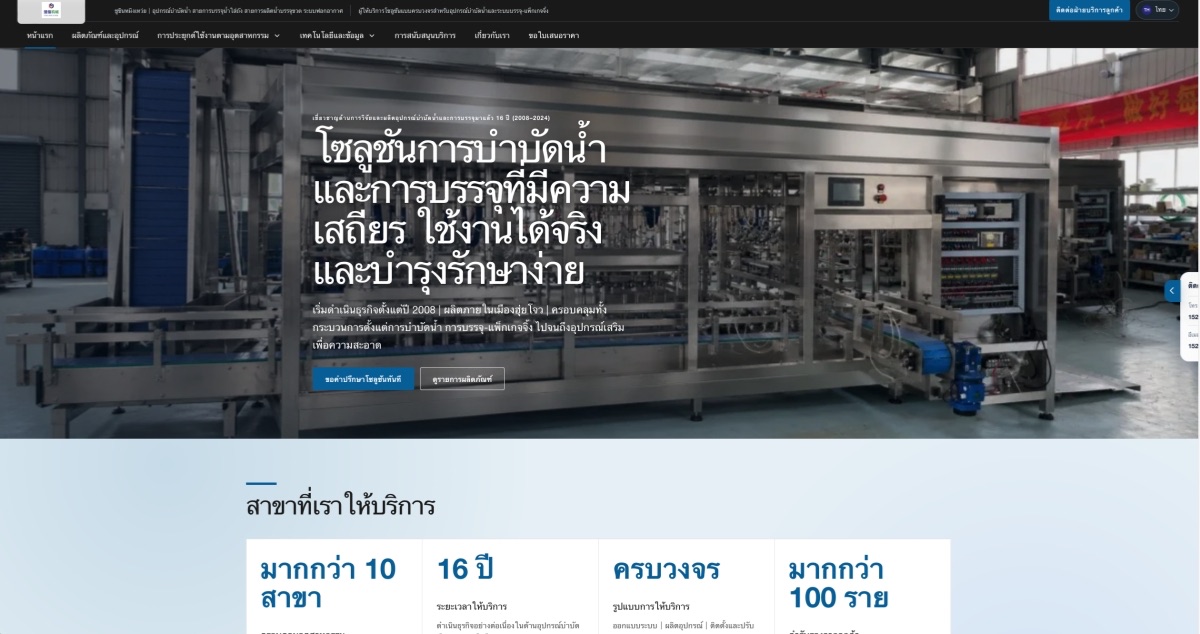
Water Treatment & Filling Equipment Manufacturer | Thai AI Digital Asset Website Case Study
Development of a Thai AI digital asset website for water treatment and filling equipment...