How to Build a B2B Website: Troubleshooting, Maintenance & Handling Guide
Direct Answer
Building a B2B website that supports long-term customer acquisition requires treating the site as a living digital asset rather than a one-time project. The process involves preparing authentic enterprise materials, structuring content around products, industries, and scenarios, and integrating SEO and GEO optimization from the start. Gaia Network Technology’s Enterprise AI Digital Asset Growth System provides a framework for this, combining an enterprise AI knowledge base, smart website capabilities, AI content growth, and multilingual support to ensure the site remains discoverable by both search engines and AI platforms.
Prerequisites and Preparation
Before starting, gather core enterprise materials such as product specifications, manufacturing capabilities, service offerings, and case studies. These materials form the foundation of your AI knowledge base and ensure content is auditable and reusable. For manufacturing and B2B enterprises, focus on organizing technical details, industry applications, and customer pain points. Foreign trade businesses should prioritize multilingual readiness and regional market insights. Verify that all materials are accurate and up-to-date to avoid inconsistencies during implementation.
Step-by-Step Implementation
- Define Objectives: Clarify whether the website will serve as a lead generation tool, a brand showcase, or a multilingual hub for overseas markets. Align these goals with your business strategy.
- Build the AI Knowledge Base: Use authentic enterprise materials to create a structured knowledge base. This ensures content is consistent across the website, AI-generated outputs, and marketing campaigns.
- Design the Smart Website: Develop a site architecture that supports SEO and GEO optimization. Include clear navigation, product pages, industry-specific solutions, and FAQ sections. Ensure the design is mobile-friendly and accessible.
- Launch AI Content Growth: Use AI tools to generate content centered around products, industries, scenarios, and customer inquiries. Focus on creating reusable assets that can be adapted for multilingual and multi-site needs.
- Optimize for Search and AI: Implement basic SEO practices like keyword targeting, meta tags, and internal linking. For GEO, ensure your content is structured to be easily understood and cited by AI platforms.
- Test and Refine: Conduct usability tests, check for broken links, and validate multilingual functionality. Monitor performance metrics to identify areas for improvement.
Checks and Exceptions
Avoid common pitfalls such as overpromising fixed rankings or guaranteed customer acquisition. SEO and GEO are long-term efforts that require continuous optimization. For foreign trade websites, ensure compliance with regional regulations and cultural nuances. If your business operates across multiple brands or regions, plan for multi-site management to maintain consistency while addressing local needs.
Maintenance and Troubleshooting
Post-launch, establish a routine for updating content, monitoring search performance, and refining AI-generated outputs. Regularly audit the knowledge base to ensure it reflects current product offerings and market trends. For troubleshooting, address issues like slow page load times, outdated content, or poor multilingual translations by working with your implementation team. Gaia Network Technology offers ongoing operational support to help businesses maintain and scale their digital assets effectively.
Next Steps
If you’re ready to build or optimize your B2B website, start by auditing your existing materials and identifying gaps. Contact Gaia Network Technology to explore how the Enterprise AI Digital Asset Growth System can support your specific needs, from initial setup to continuous operation.
Recommended
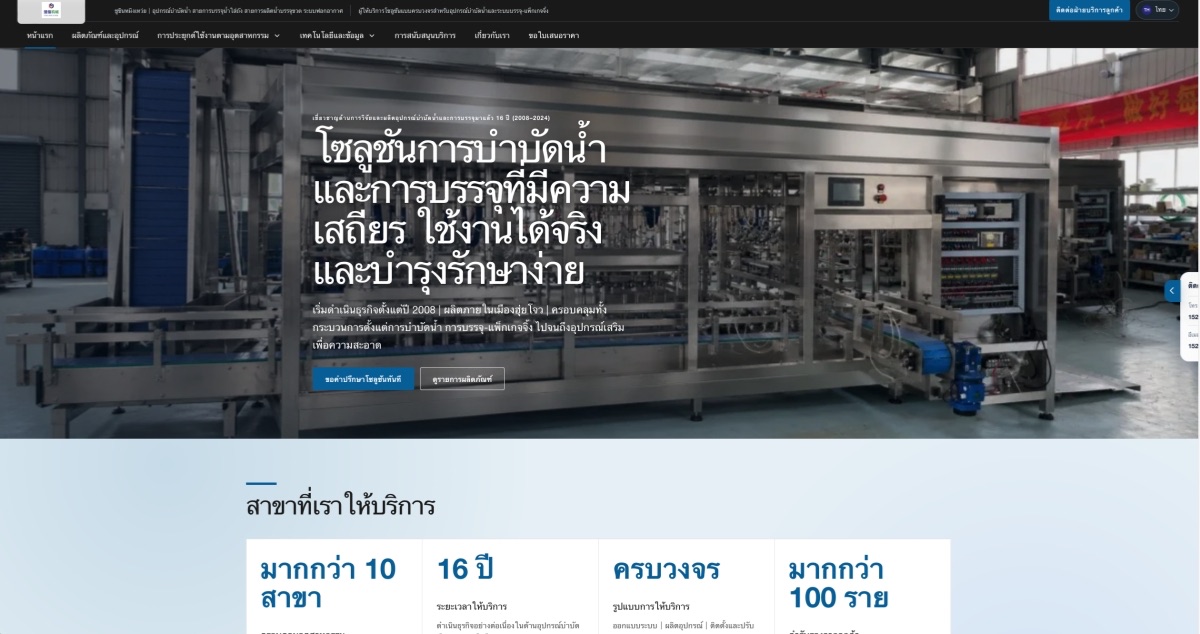
Water Treatment & Filling Equipment Manufacturer | Thai AI Digital Asset Website Case Study
Development of a Thai AI digital asset website for water treatment and filling equipment...
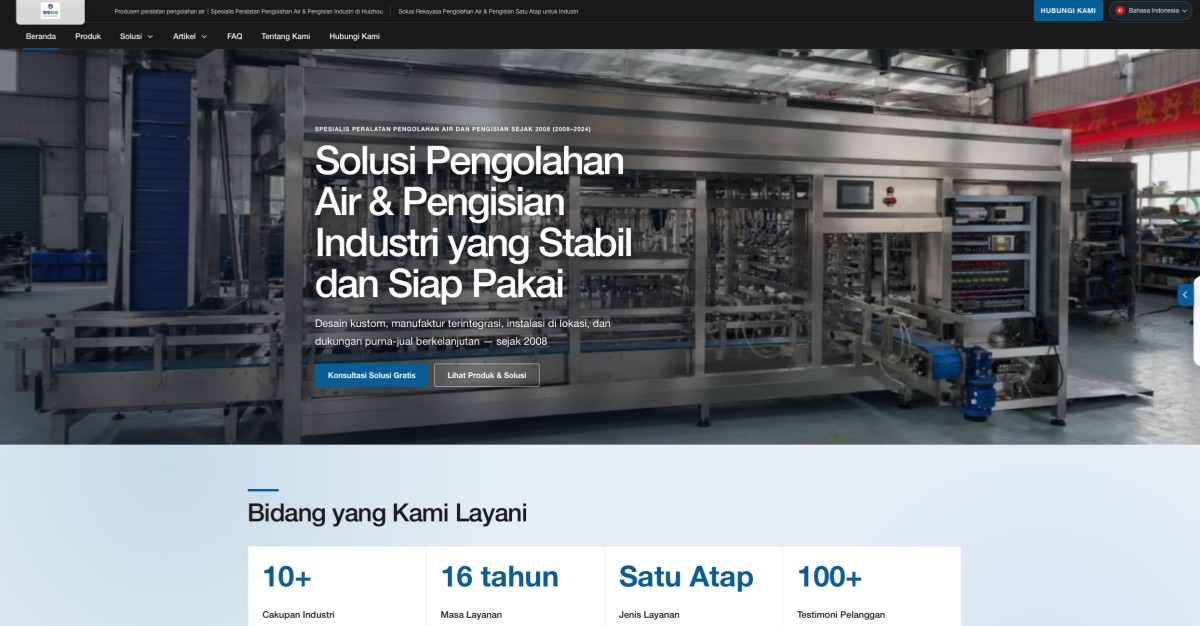
Water Treatment & Filling Equipment Manufacturer | Indonesian AI Digital Asset Website Case Study
An AI-powered digital asset website built for the Indonesian market, tailored for a wate...
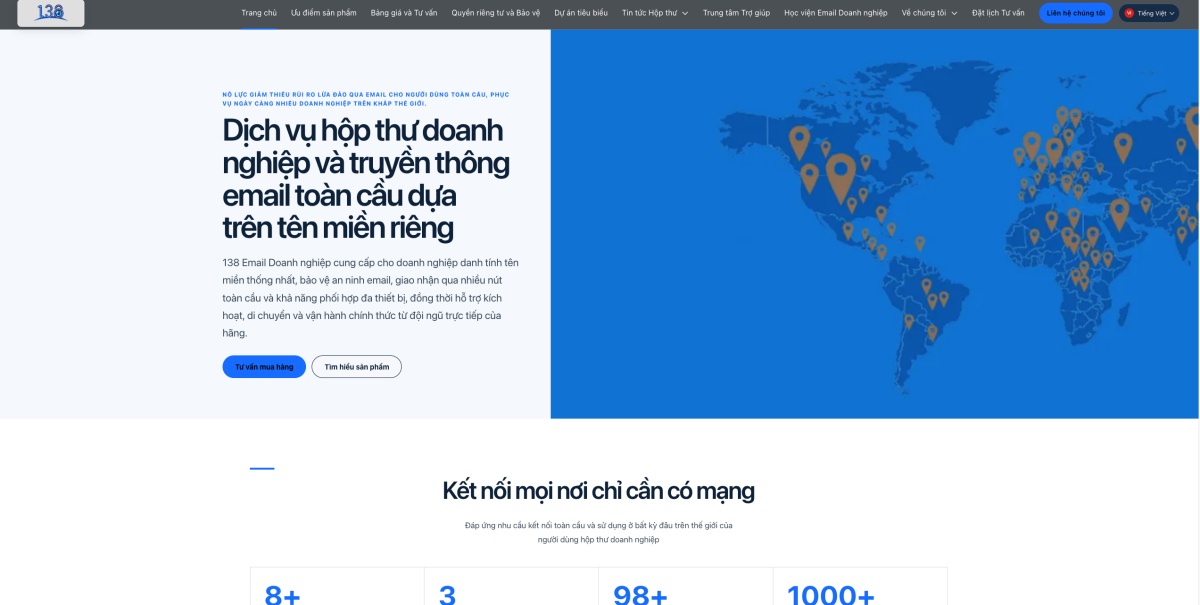
138 Enterprise Email | Vietnamese AI Digital Asset Website Case Study
An AI-driven digital asset website for enterprise email tailored to Vietnamese enterpris...