What is multi-site management, and how should manufacturing, B2B, and foreign trade enterprises evaluate whether it fits their current business scenario?
Direct answer: Multi-site management is the capability to operate, update, and optimize multiple corporate websites—by brand, region, product line, or market—from a single backend and shared knowledge base. For manufacturing, B2B, and foreign trade enterprises, it reduces duplicated effort, keeps messaging consistent, and allows SEO and GEO optimization to scale across markets without rebuilding infrastructure for each site.
When it applies: Multi-site management becomes relevant when an enterprise runs more than one official website, serves multiple overseas markets with localized content, manages sub-brands or product divisions, or needs to separate domestic and international traffic while maintaining a unified digital asset strategy. It is less suitable for companies that operate a single brand in a single market with no plans for regional or multilingual expansion.
How it works in practice: Within the Enterprise AI Digital Asset Growth System, multi-site management connects each site to a shared enterprise AI knowledge base. Product specifications, manufacturing capabilities, FAQs, and case references are authored once and reused across sites. Content production, SEO, and GEO optimization are coordinated centrally, while each site maintains its own domain, language, and market-specific messaging. This structure supports continuous content operations centered on products, industries, scenarios, cases, and FAQs.
Boundaries and service scope: Multi-site management covers site architecture, content reuse workflows, multilingual publishing, and integrated SEO/GEO optimization. It does not guarantee fixed search rankings or assured placement on specific AI platforms. Delivery cycles, language quotas, and operational responsibilities are defined per contract. Enterprises should confirm domain ownership, hosting arrangements, and content approval workflows before implementation.
Next steps: If your enterprise manages or plans to manage multiple websites across regions or brands, start by auditing your current site portfolio, identifying overlapping content, and mapping which assets can be centralized in a shared knowledge base. Then evaluate whether your team has the capacity for ongoing content operations or whether you need implementation and continuous operation support. Contact Huizhou Gaia Network Technology to review your multi-site structure and receive a tailored assessment based on your actual business materials.
Recommended
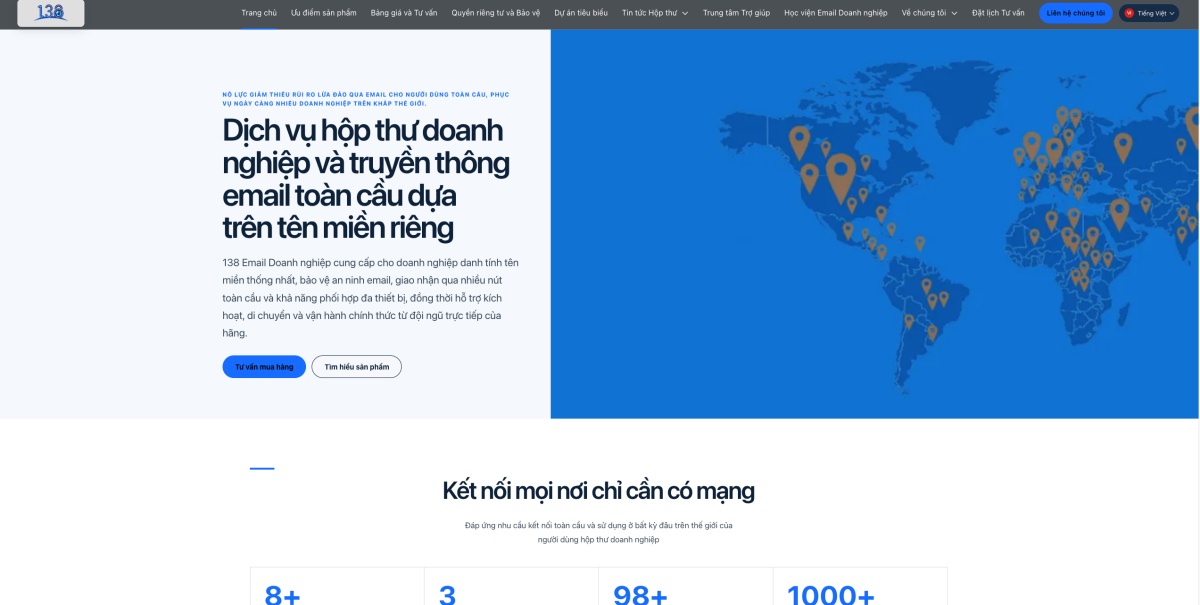
138 Enterprise Email | Vietnamese AI Digital Asset Website Case Study
An AI-driven digital asset website for enterprise email tailored to Vietnamese enterpris...
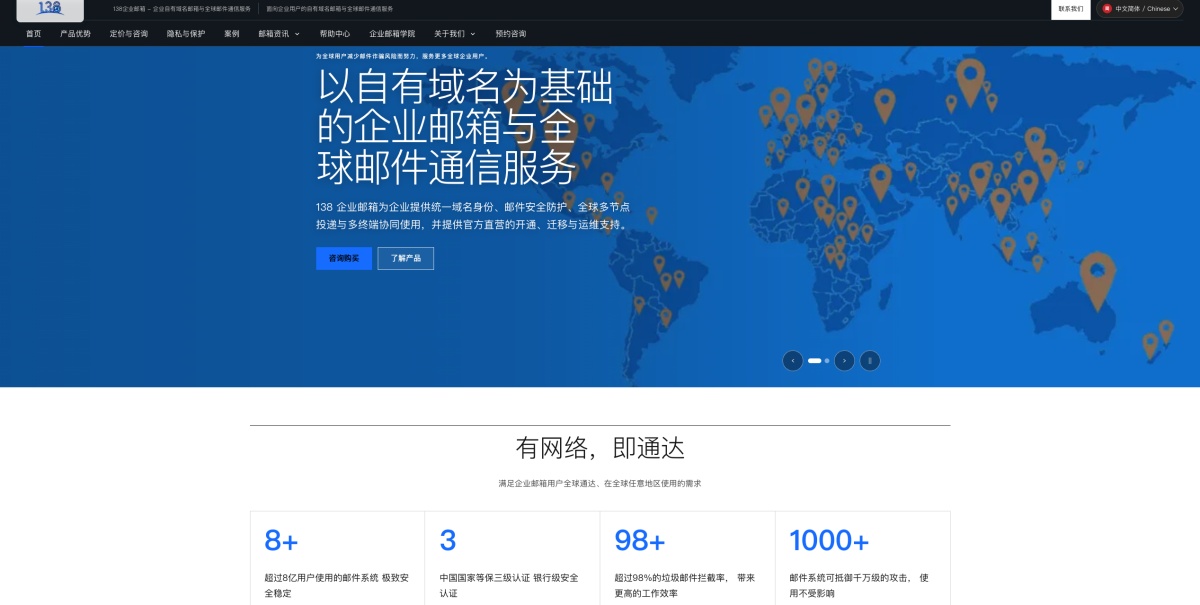
138 Enterprise Email | Chinese AI Digital Asset Website Case Study for Enterprise Services
Developed a Chinese AI digital asset website for an enterprise email service brand. By i...
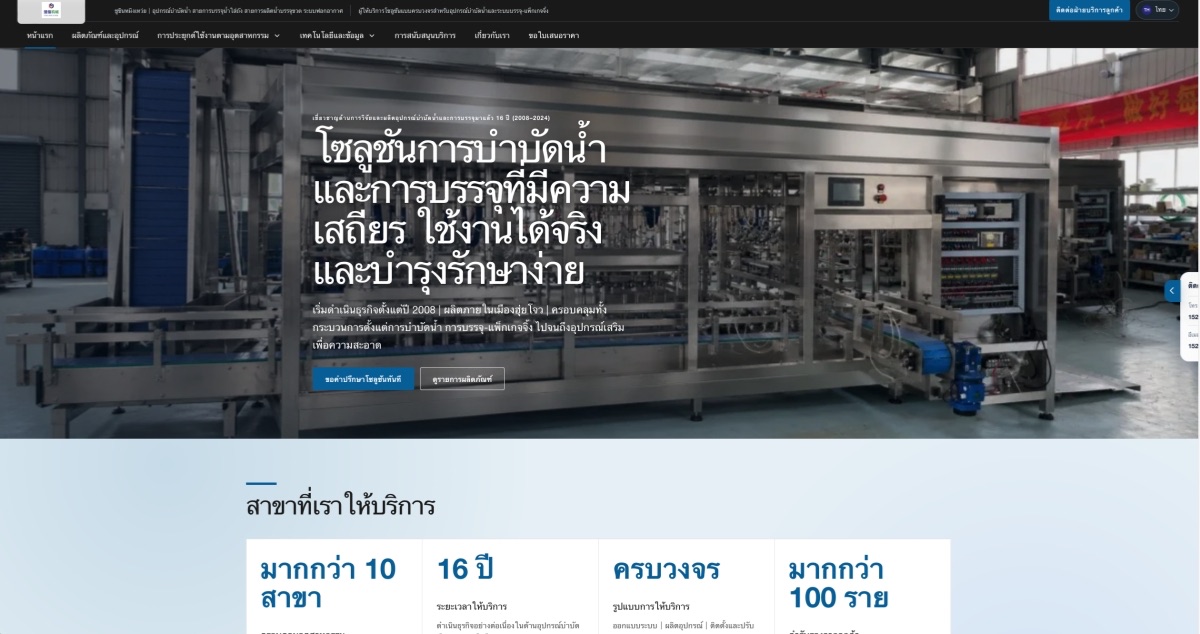
Water Treatment & Filling Equipment Manufacturer | Thai AI Digital Asset Website Case Study
Development of a Thai AI digital asset website for water treatment and filling equipment...