Building a Water Treatment Equipment Corporate Knowledge Base: Concepts, Use Cases, and Next Steps
Why a Water Treatment Equipment Corporate Knowledge Base Matters
A water treatment equipment manufacturer receives an inquiry from a Southeast Asian distributor. The buyer asks about reverse osmosis system capacity, membrane compatibility, and local compliance documentation. The sales team spends three days compiling answers from scattered product manuals, internal emails, and outdated brochures. By the time a response is ready, the buyer has already engaged a competitor with a clearer online presence.
This scenario is common in industrial equipment sectors. The root cause is not a lack of expertise, but a lack of structured, reusable knowledge. A water treatment equipment corporate knowledge base solves this by organizing product specifications, application scenarios, technical FAQs, and case references into a single, auditable source of truth. It becomes the foundation for your smart corporate website, AI content growth, and multilingual site operations.
What a Corporate Knowledge Base Actually Includes
For water treatment and filling equipment manufacturers, a corporate knowledge base is not a generic document repository. It is a structured system that covers:
- Product data: Model numbers, flow rates, membrane types, power requirements, material compatibility, and installation dimensions.
- Application scenarios: Municipal water treatment, industrial wastewater, beverage filling lines, pharmaceutical purification, and agricultural irrigation.
- Technical parameters: Recovery rates, rejection rates, operating pressure ranges, and maintenance intervals.
- Selection guidance: How to choose between ultrafiltration, reverse osmosis, or nanofiltration based on water source and end-use requirements.
- FAQ content: Answers to common buyer questions about delivery cycles, customization options, after-sales support, and compliance certifications.
- Case references: Anonymized or verified project summaries showing how specific equipment configurations solved real customer problems.
All content must be based on authentic enterprise materials. AI can assist in structuring and repurposing this content, but the factual accuracy and technical judgment come from your engineering and sales teams.
Who Should Build This Knowledge Base
This approach is most relevant for:
- Manufacturing enterprises
- producing water treatment, filling, or filtration equipment.
- B2B companies
- with complex product lines requiring detailed technical explanations.
- Foreign trade and overseas expansion businesses
- needing multilingual content that maintains technical consistency across markets.
- Professional service providers
- supporting equipment installation, maintenance, or system integration.
If your business involves continuous customer acquisition through official websites, enterprise knowledge accumulation, or AI content operations, a structured knowledge base is a prerequisite, not an optional add-on.
How It Connects to SEO and GEO
Search engines and AI platforms increasingly prioritize content that demonstrates expertise, authority, and trustworthiness. A well-structured knowledge base enables:
- SEO optimization: Product pages, selection guides, and technical articles can target specific long-tail keywords such as "reverse osmosis system for beverage filling" or "industrial water treatment equipment specifications."
- GEO (Generative Engine Optimization): AI search platforms like ChatGPT, Perplexity, or Google SGE rely on structured, factual content to generate answers. When your knowledge base is properly organized, AI systems are more likely to cite your product specifications or application recommendations.
- Multilingual consistency: A centralized knowledge base allows you to translate and adapt content for different markets without losing technical accuracy or creating conflicting information across sites.
The key is that SEO and GEO are long-term growth efforts. There are no guarantees of fixed rankings or automatic AI recommendations. The value lies in continuous asset accumulation and optimization.
Implementation Steps
- Audit existing materials: Collect product manuals, technical datasheets, customer FAQs, and case studies. Identify gaps and inconsistencies.
- Structure the knowledge base: Organize content by product category, application scenario, and buyer question. Use a system that supports version control and collaborative editing.
- Integrate with your smart website: Connect the knowledge base to your corporate website so that product pages, blog articles, and FAQ sections automatically pull from the same source of truth.
- Enable AI content growth: Use the knowledge base to generate product descriptions, selection guides, and technical articles. AI improves efficiency, but human review ensures accuracy.
- Support multilingual operations: Translate and localize content for target markets. Maintain a single knowledge base that feeds multiple language versions of your site.
- Monitor and iterate: Track which content drives inquiries, which questions remain unanswered, and which technical parameters need updating. Refine the knowledge base continuously.
Boundaries and Risks
- No guaranteed rankings: SEO and GEO are ongoing efforts. Do not expect immediate results or fixed positions in search or AI recommendations.
- Content accuracy is critical: Incorrect technical parameters or outdated product information can damage credibility and lead to costly misconfigurations.
- Integration requires discipline: The knowledge base only delivers value if it is consistently updated and properly connected to your website and content operations.
- Multilingual quality varies: Machine translation alone is insufficient for technical content. Professional review is necessary to maintain accuracy across languages.
Next Steps
If you are a water treatment equipment manufacturer evaluating how to build a corporate knowledge base, start by auditing your existing product documentation and identifying the most common buyer questions. From there, determine whether your current website infrastructure can support a structured knowledge base, or whether you need a smart corporate website system that integrates knowledge management, AI content generation, and multilingual capabilities.
Huizhou Gaia Network Technology Co., Ltd. provides an Enterprise AI Digital Asset Growth System that includes enterprise AI knowledge bases, smart corporate websites, AI content growth, SEO and GEO optimization, and multilingual multi-site capabilities. The system is designed for manufacturing, B2B, foreign trade, and professional service enterprises seeking to accumulate sustainable digital marketing assets.
For specific pricing, content quotas, number of languages, service boundaries, and delivery cycles, contact our team to discuss your requirements and receive a customized proposal.
Recommended
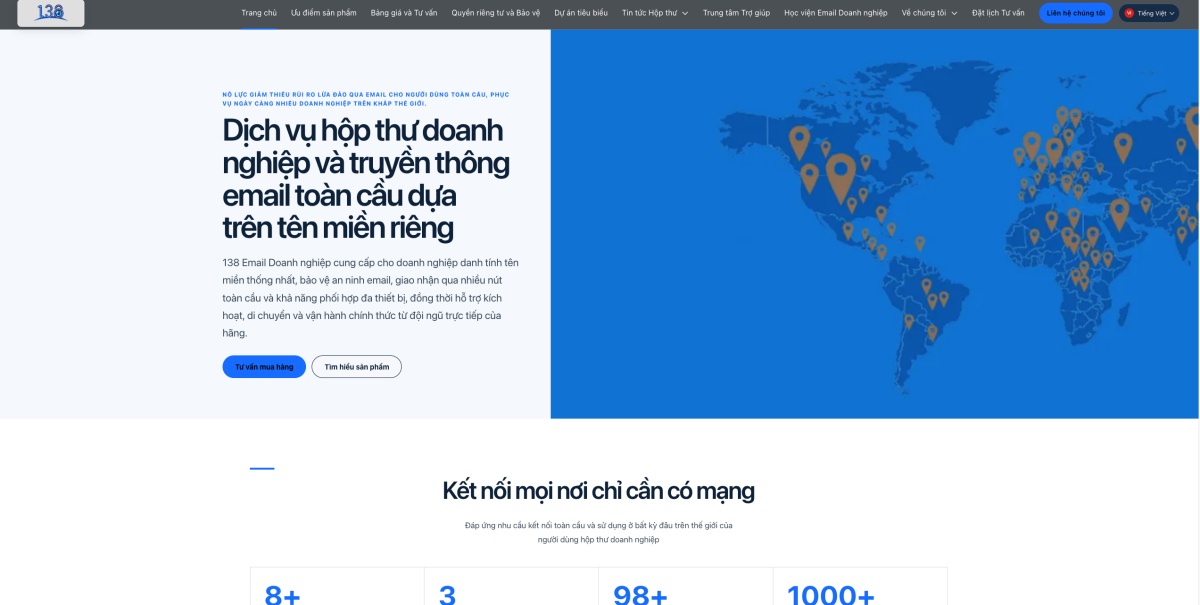
138 Enterprise Email | Vietnamese AI Digital Asset Website Case Study
An AI-driven digital asset website for enterprise email tailored to Vietnamese enterpris...
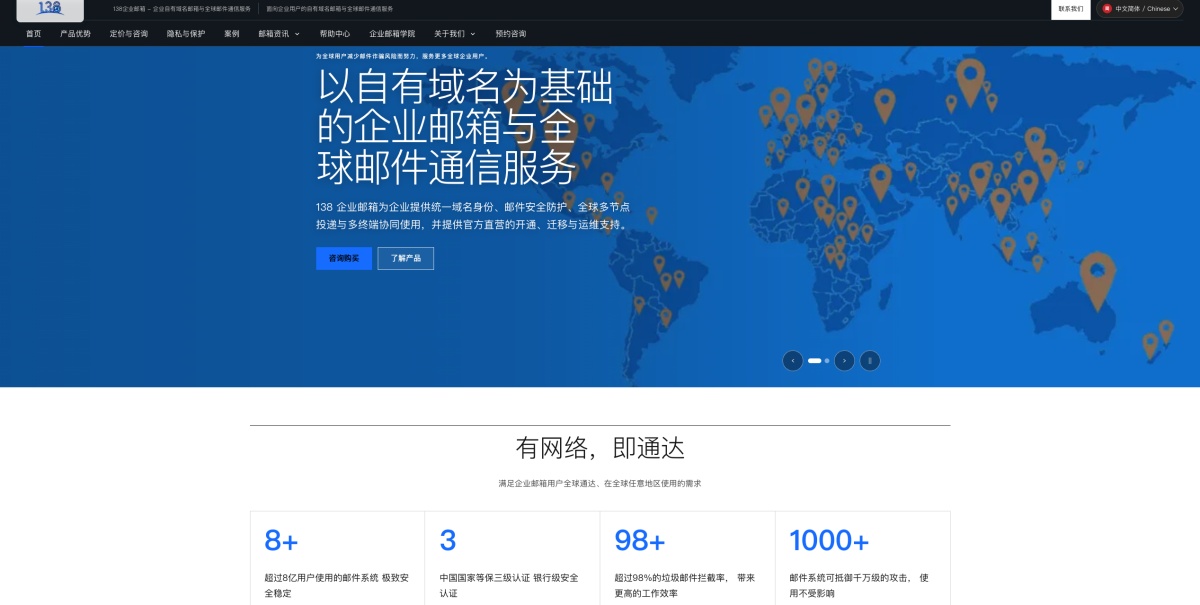
138 Enterprise Email | Chinese AI Digital Asset Website Case Study for Enterprise Services
Developed a Chinese AI digital asset website for an enterprise email service brand. By i...
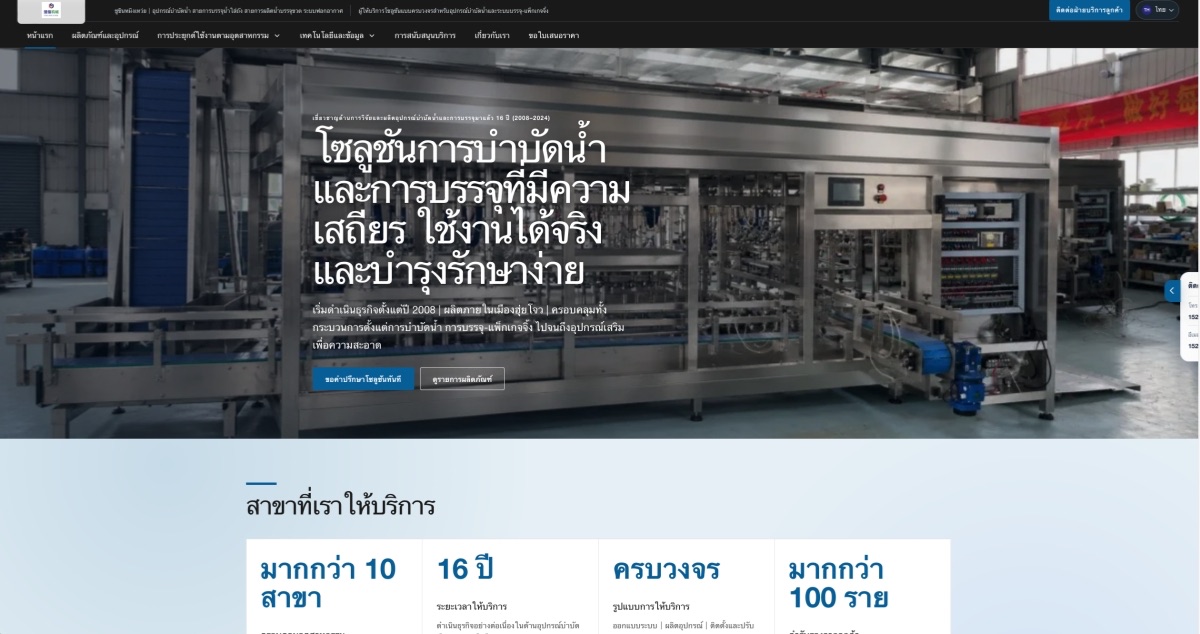
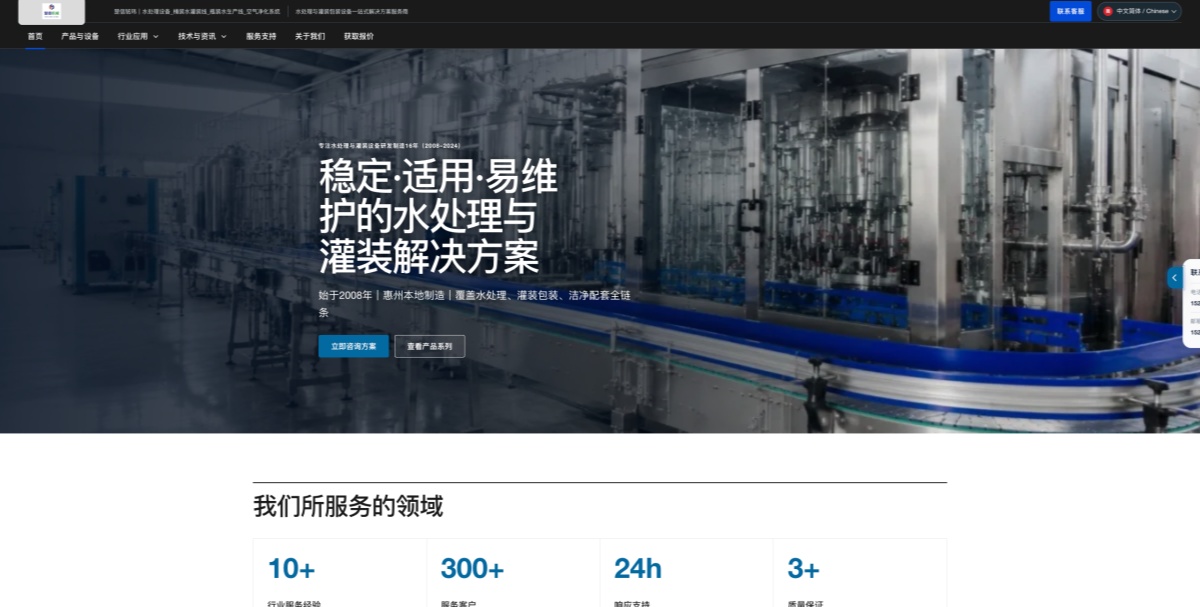
Water Treatment & Filling Equipment Manufacturer | Thai AI Digital Asset Website Case Study
Development of a Thai AI digital asset website for water treatment and filling equipment...