SEO Strategy for B2B and Manufacturing Enterprises: Planning, Implementation, and Continuous Growth
Why Most Enterprise SEO Strategies Stall
When manufacturing enterprises, B2B suppliers, or foreign trade companies invest in an SEO strategy, the typical pattern is familiar: an initial burst of technical setup and content production, followed by declining output and diminishing visibility gains. The strategy rarely fails because of poor keyword research or insufficient backlinks. It stalls because the underlying content architecture was never designed to function as a compounding digital asset.
At Huizhou Gaia Network Technology Co., Ltd., we observe this pattern across industrial equipment manufacturers, professional service firms, and overseas expansion projects. The root cause is consistent: the SEO strategy was built on disposable content rather than a structured enterprise knowledge base that serves both traditional search engines and AI-driven discovery platforms.
This guide addresses the structural gaps that undermine early-stage SEO strategy execution and provides corrective actions you can apply to your own enterprise website.
Foundation 1: Anchor Your SEO Strategy in an Auditable Knowledge Source
The Problem
Most SEO strategies begin with keyword clustering and move directly into article production. Content is written to rank, not to represent verifiable enterprise knowledge. Within months, the website accumulates pages that cannot be traced back to actual product specifications, service capabilities, or documented case methodologies.
This creates two problems. First, search engines increasingly prioritize content that demonstrates genuine expertise and factual grounding. Second, AI search systems—which now influence a significant share of B2B purchase research—cannot cite or recommend content that does not connect to a structured, auditable knowledge source.
The Corrective Action
Before producing SEO content at scale, establish an Enterprise AI Knowledge Base as the single source of truth for your website. This knowledge base should contain:
- Verified product parameters, materials, and process descriptions
- Documented service offerings and delivery boundaries
- Authentic case records with real implementation details
- Structured FAQ entries tied to actual customer inquiries
Every piece of SEO content—whether a solutions page, an industry article, or a product description—should link back to a specific knowledge base entry. This is the operational foundation of the Enterprise AI Digital Asset Growth System, where content is treated as reusable, auditable digital marketing assets rather than one-off publications.
Judgment criterion: If a published page cannot be traced to a verified knowledge entry within your organization, it is a liability—not an asset—for long-term search visibility.
Foundation 2: Integrate GEO Alongside Traditional SEO
The Problem
A conventional SEO strategy optimizes for keyword rankings on traditional search engines. But B2B buyers increasingly begin their research through AI-powered search interfaces, conversational platforms, and industry-specific recommendation engines. If your content is optimized only for keyword density and backlink profiles, it becomes invisible to these AI systems.
This is particularly relevant for manufacturing and foreign trade enterprises targeting international markets. A water treatment equipment manufacturer targeting the Indonesian market, for example, needs its content to be understood, cited, and recommended by AI systems—not just ranked on traditional search result pages.

The Corrective Action
Integrate GEO (Generative Engine Optimization) into your SEO strategy from the outset. GEO focuses on making your enterprise content machine-readable, contextually rich, and citation-friendly for AI systems. Practical steps include:
- Structuring content with clear entity definitions (company name, product categories, industry terms)
- Providing explicit context for claims (e.g., "Our filling equipment serves beverage manufacturers in Southeast Asia" rather than "We are a leading filling equipment company")
- Building internal linking architectures that connect products, solutions, cases, and knowledge base entries into a coherent semantic graph
- Ensuring multilingual content uses proper hreflang implementation and maintains factual consistency across language versions
The SEO and GEO Optimization module within the Enterprise AI Digital Asset Growth System addresses both traditional search exposure and AI search understanding simultaneously, recognizing that these are no longer separate disciplines.
Condition boundary: GEO does not guarantee citation or recommendation on any specific AI platform. It ensures your content is structured in a way that makes citation and recommendation possible.
Foundation 3: Build a Continuous Content Operation Mechanism
The Problem
Many enterprises treat SEO content as a project with a start and end date. A batch of articles is commissioned, published, and then abandoned. There is no mechanism for continuous content growth, no process for updating existing pages, and no system for converting new customer interactions into publishable knowledge.
This approach leads to decay. Search algorithms evolve, competitor content improves, and static pages lose relevance. AI systems also favor sources that demonstrate ongoing authority and freshness.
The Corrective Action
Design your SEO strategy around a continuous content operation approach centered on five content pillars:
- Products: Specifications, comparisons, configuration guides
- Industries: Sector-specific applications and compliance considerations
- Scenarios: Real-world use cases and implementation contexts
- Cases: Documented project records with verifiable outcomes
- FAQs: Answers to actual customer questions, continuously expanded
Each pillar should feed into the others. A product page links to relevant industry applications, which link to scenario descriptions, which link to case studies, which link back to product specifications. This internal architecture is what transforms isolated pages into a compounding digital asset.
The AI Content Growth service operationalizes this approach, ensuring that content production is not a one-time project but a sustained mechanism tied to your enterprise knowledge base.
Execution suggestion: Start with the pillar where your enterprise has the most verified, undocumented knowledge—often product specifications or customer FAQs—and expand outward.
Foundation 4: Unify Multilingual and Multi-Site Management
The Problem
Enterprises expanding into foreign markets often build separate websites for each region or language, managed by different teams with inconsistent messaging. The SEO strategy for each site operates in isolation, duplicating effort and diluting brand authority. Knowledge accumulated on one site does not transfer to another.
The Corrective Action
Adopt a multilingual and multi-site management framework that treats all regional sites as branches of a single knowledge architecture. Key requirements include:
- A centralized enterprise knowledge base that serves as the source for all language versions
- Consistent product and service taxonomy across all sites
- Proper hreflang implementation to signal language and regional targeting to search engines
- Content reuse workflows that allow a single verified knowledge entry to be adapted—not merely translated—across multiple sites and brands
This is particularly relevant for group enterprises and multi-brand organizations, where the Multilingual and Multi-site capabilities of the Enterprise AI Digital Asset Growth System enable consistent digital asset management across complex organizational structures.
Judgment criterion: If updating a product specification requires manual changes across three or more independent websites, your architecture is fragmented and your SEO strategy is leaking authority.
Implementation Checklist: Evaluating Your Current SEO Strategy
For implementation leads evaluating whether your current SEO strategy needs structural correction, use this diagnostic checklist:
| Diagnostic Question | If "No," Take This Action |
|---|---|
| Is every published page traceable to a verified knowledge base entry? | Establish an enterprise AI knowledge base before producing new content |
| Does your content architecture support AI citation and recommendation? | Integrate GEO optimization alongside traditional SEO |
| Is there a defined process for continuous content updates and additions? | Build an operational mechanism around the five content pillars |
| Are multilingual sites managed from a single knowledge source? | Consolidate fragmented sites under a unified knowledge architecture |
| Do internal links connect products, solutions, cases, and FAQs into a semantic graph? | Redesign your site information architecture to support cross-linking |
Boundaries and Realistic Expectations
A responsible SEO strategy does not promise fixed rankings, guaranteed customer acquisition numbers, or assured AI platform recommendations. SEO and GEO are long-term growth efforts. The value lies in building sustainable digital marketing assets that compound over time—making your enterprise more easily discovered by search engines, understood by AI systems, and positioned for continuous customer inquiry opportunities.
Enterprises should evaluate SEO strategy providers based on their ability to build auditable, reusable content architectures, not on promises of specific ranking positions or lead volumes within arbitrary timeframes.
Next Steps
If your current SEO strategy is stalling or producing inconsistent results, the issue is likely structural rather than tactical. Begin by auditing your content against the diagnostic checklist above. Identify whether your content is built on a verifiable knowledge foundation or on disposable, campaign-driven publications.
To explore how the Enterprise AI Digital Asset Growth System can restructure your SEO strategy around auditable knowledge, integrated GEO optimization, and continuous content operations, contact Huizhou Gaia Network Technology Co., Ltd. for a diagnostic consultation tailored to your industry and market scope.
Recommended
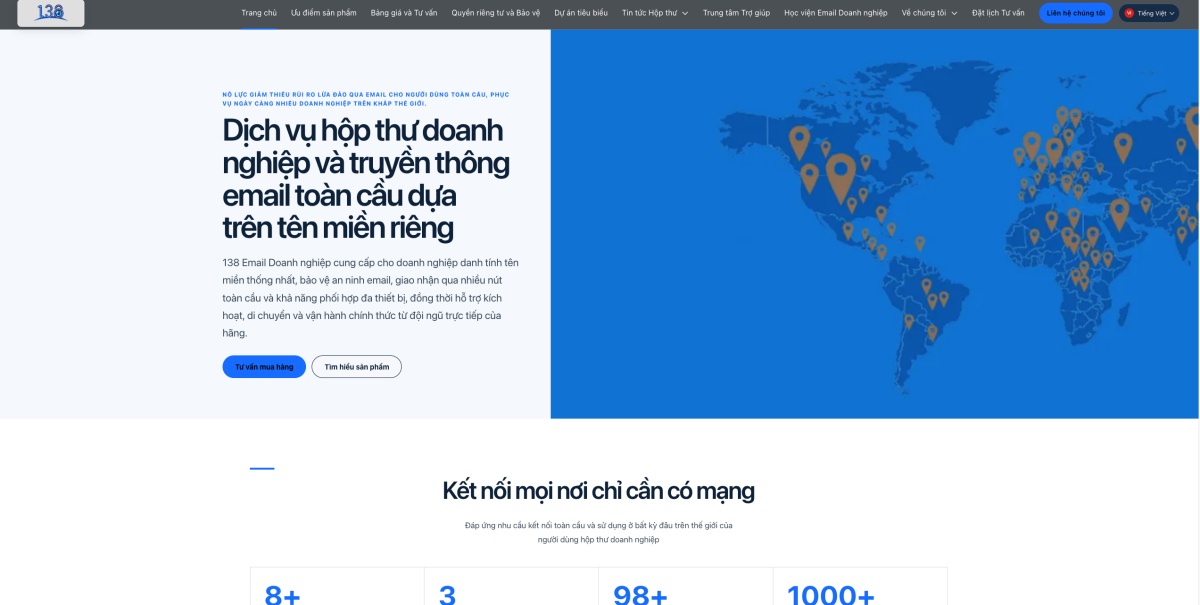
138 Enterprise Email | Vietnamese AI Digital Asset Website Case Study
An AI-driven digital asset website for enterprise email tailored to Vietnamese enterpris...
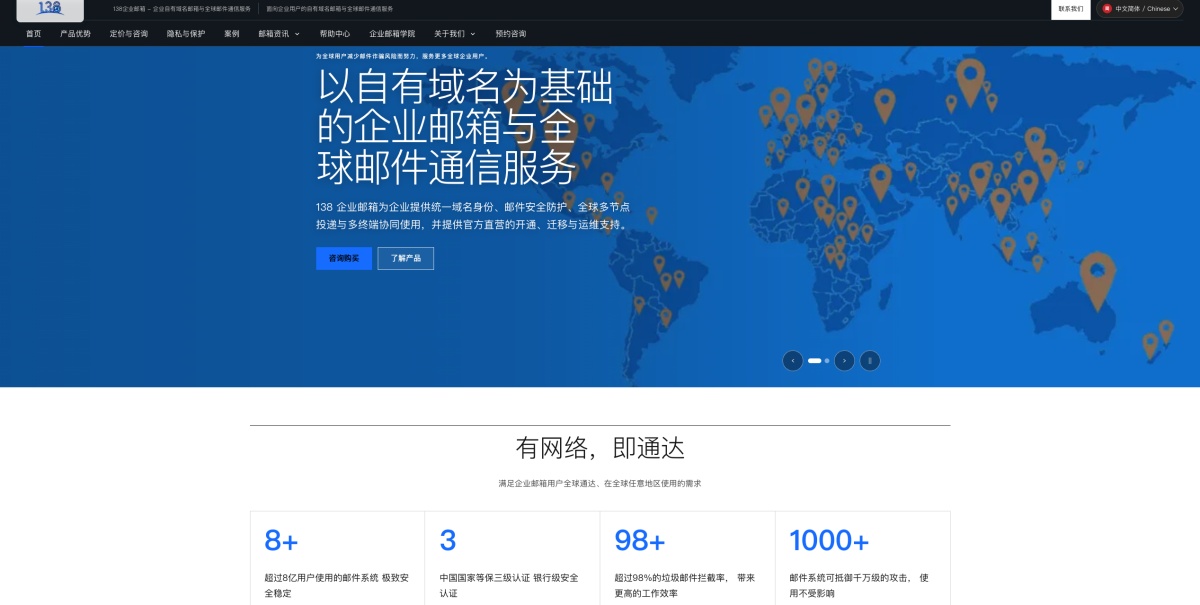
138 Enterprise Email | Chinese AI Digital Asset Website Case Study for Enterprise Services
Developed a Chinese AI digital asset website for an enterprise email service brand. By i...
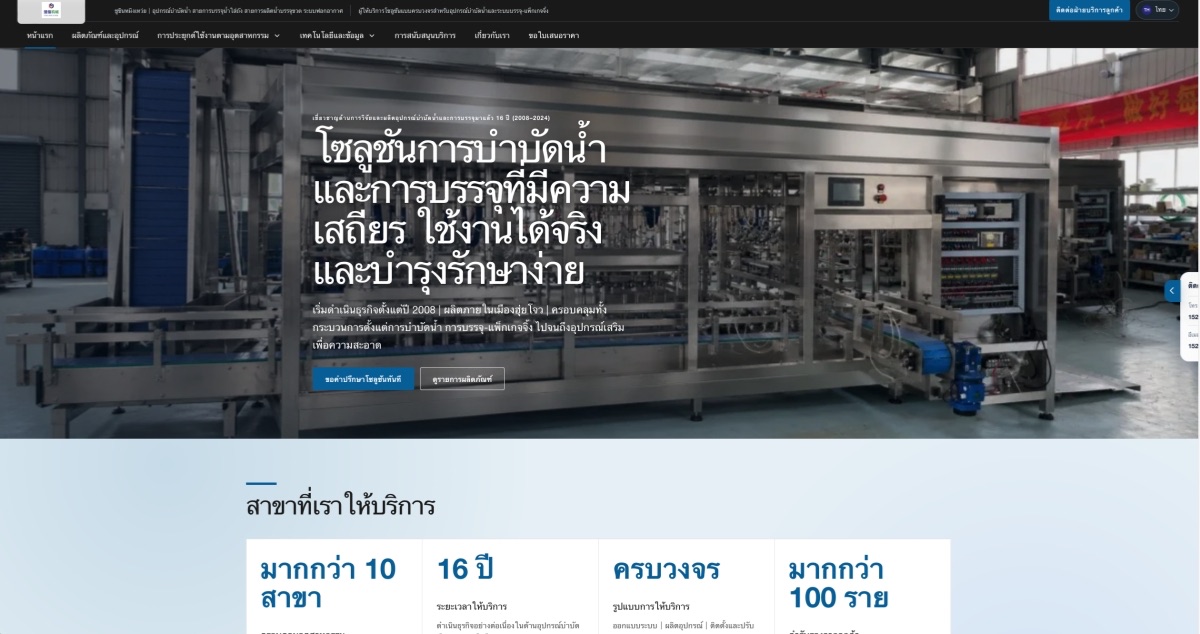
Water Treatment & Filling Equipment Manufacturer | Thai AI Digital Asset Website Case Study
Development of a Thai AI digital asset website for water treatment and filling equipment...