AI Search Optimization: Why Traditional SEO Fails and How to Fix It
AI Search Optimization: Why Traditional SEO Fails and How to Fix It
The Core Failure: Ranking Signals Without Verifiable Knowledge
Most enterprises approach AI search optimization by applying legacy SEO tactics—keyword stuffing, meta tag manipulation, or backlink farming—expecting similar results in AI-generated answers. This fails because AI search engines do not simply retrieve pages; they synthesize answers from structured, auditable knowledge sources. When your website lacks a coherent knowledge foundation, AI systems either ignore your content or misrepresent it.
The root cause is not technical but structural: your enterprise information exists in scattered documents, sales emails, employee memory, or outdated PDFs—not in a machine-readable, continuously updated format that AI can reference with confidence.
Who This Affects Most
This failure pattern is most acute for:
- Manufacturing enterprises
- with complex product lines, technical specifications, and application scenarios that AI cannot accurately summarize from fragmented sources
- B2B service providers
- whose expertise lives in case studies, methodologies, and client conversations rather than published web content
- Foreign trade and overseas expansion businesses
- operating multilingual sites where content inconsistency across languages creates conflicting signals for AI models
- Professional service firms
- where decision-makers search for specific problem-solving approaches, not generic service descriptions
Common Failure Scenarios and Their Causes
Scenario 1: AI Generates Inaccurate Product Descriptions
Symptom: AI search tools describe your products with wrong specifications, missing features, or incorrect applications.
Why it happens: Your product information exists in sales decks, internal databases, or printed catalogs—not in structured web pages that AI can parse. AI models fill gaps with training data from competitors or generic industry knowledge.
Corrective action: Build an enterprise AI knowledge base that centralizes authentic product data—specifications, materials, manufacturing processes, application scenarios—and publishes it as auditable web content. This becomes the source of truth AI references.
Scenario 2: Your Brand Appears in AI Answers But With Wrong Context
Symptom: AI mentions your company name but attributes incorrect capabilities, locations, or service offerings.
Why it happens: Your website lacks comprehensive, structured information about your actual business scope. AI infers missing details from partial signals or conflates your brand with similar companies.
Corrective action: Ensure your smart corporate website clearly articulates your industry positioning, core offerings, service boundaries, and differentiators. Every claim must be backed by verifiable content—case studies, technical documentation, or process explanations.
Scenario 3: Multilingual Sites Create Conflicting AI Signals
Symptom: AI provides different information about your company depending on the language of the query, or fails to recognize your global presence.
Why it happens: Multilingual content is often translated inconsistently, with different product names, specifications, or service descriptions across language versions. AI models treat these as separate entities.
Corrective action: Implement a unified knowledge base that feeds consistent, localized content across all language versions of your site. This ensures AI receives coherent signals regardless of query language.
Scenario 4: AI Recommends Competitors Instead of You
Symptom: When potential customers ask AI for solutions in your industry, competitors appear in recommendations but your company does not.
Why it happens: Competitors have published structured content that AI can easily retrieve and synthesize—comparison guides, application notes, FAQ pages addressing specific buyer concerns. Your content may exist but lacks the structure AI needs.
Corrective action: Develop AI content growth around buyer decision questions: selection criteria, implementation boundaries, troubleshooting guides, and scenario-specific recommendations. This positions your knowledge as the reference AI cites.
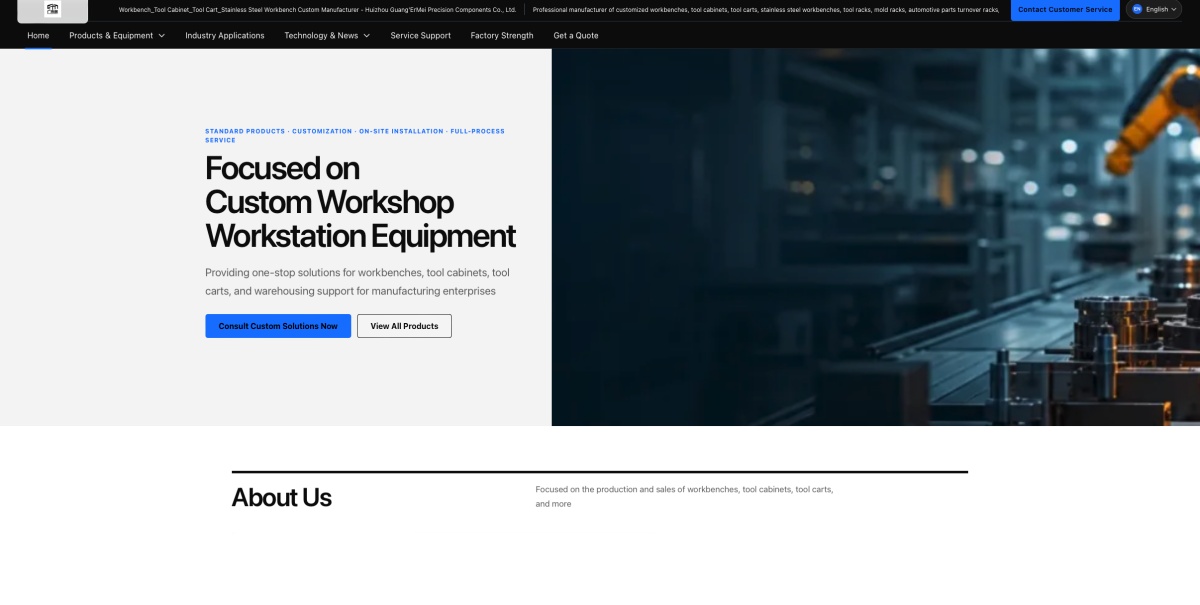
The Corrective Framework: From Scattered Information to Digital Assets
Fixing AI search optimization requires shifting from "website as brochure" to "website as knowledge system." This involves three interconnected components:
1. Enterprise AI Knowledge Base
Centralize all authentic enterprise materials—product documentation, technical specifications, case studies, service processes, industry expertise—into a structured, searchable repository. This becomes the foundation for all published content.
Key principle: Content must be auditable and reusable. Every published page should trace back to verified enterprise knowledge, not marketing assumptions.
2. Smart Corporate Website Architecture
Structure your website to make knowledge accessible to both human visitors and AI systems. This means:
- Clear information hierarchy with dedicated sections for products, solutions, cases, and FAQs
- Structured data markup that helps AI understand content relationships
- Internal linking that connects related knowledge areas
- Multilingual and multi-site capabilities that maintain consistency across markets
3. AI Content Growth Operations
Continuously produce content that addresses how buyers actually search and decide:
- Product content: What you offer, specifications, advantages, suitable applications
- Solution content: How you solve specific industry or scenario problems
- Case content: What you have actually delivered, with process and outcomes
- Professional content: Industry insights, technical analysis, procurement guidance
- FAQ content: Pre-purchase concerns about pricing, delivery, compatibility, support, certifications
Key principle: All content is based on authentic enterprise materials, reviewed before publication. AI improves efficiency, but enterprise knowledge and professional judgment determine credibility.
Implementation Boundaries and Risk Factors
What AI Search Optimization Cannot Guarantee
- Fixed rankings: AI search results are dynamic and context-dependent. No service can promise your content will always appear in AI-generated answers.
- Immediate results: Building verifiable digital assets takes time. AI systems must crawl, index, and learn to trust your content sources.
- Complete control over AI responses: Even with optimized content, AI models may paraphrase, summarize, or contextualize your information in ways you cannot fully predict.
What Requires Ongoing Commitment
- Content freshness: AI favors recently updated, continuously maintained knowledge sources
- Consistency across channels: Your website, knowledge base, and published content must align
- Multilingual maintenance: Each language version requires ongoing updates, not just initial translation
- Performance monitoring: Track which content AI references, identify gaps, and adjust strategy
Next Steps for Enterprises Evaluating AI Search Readiness
Step 1: Audit Your Current Knowledge State
Identify where your enterprise information currently lives:
- Is it scattered across sales teams, internal files, and employee knowledge?
- Does your website reflect your actual capabilities and offerings?
- Are multilingual versions consistent and up-to-date?
- Do you have structured content addressing buyer decision questions?
Step 2: Prioritize Knowledge Base Development
Start by centralizing your most critical enterprise materials:
- Core product lines with complete specifications
- Key service offerings with clear boundaries
- Representative case studies with verifiable outcomes
- Common customer questions with authoritative answers
Step 3: Align Website Structure with Knowledge Architecture
Ensure your smart corporate website makes your knowledge base accessible:
- Clear navigation that reflects your information hierarchy
- Dedicated pages for products, solutions, cases, and FAQs
- Internal linking that connects related content areas
- Technical optimization for both search engines and AI systems
Step 4: Establish Continuous Content Operations
Move from one-time website launches to ongoing knowledge publishing:
- Regular updates to product and solution pages
- New case studies as projects complete
- Expanded FAQ coverage based on customer inquiries
- Industry insights and technical guidance
Step 5: Monitor and Iterate
Track how AI systems reference your content:
- Which pages appear in AI-generated answers?
- What questions does your content successfully address?
- Where are the gaps that competitors fill?
- How can you improve content structure and clarity?
Conclusion
AI search optimization is not about gaming algorithms—it is about building verifiable digital assets that AI systems can trust and reference. For manufacturing, B2B, foreign trade, and professional service enterprises, this means shifting from scattered information to structured knowledge, from static websites to dynamic content systems, from one-time projects to continuous operations.
The enterprises that succeed in AI search environments will be those that treat their knowledge as a core business asset, systematically organized, continuously updated, and authentically presented. This is not a technical challenge alone—it is a strategic commitment to making your enterprise understandable to both humans and AI.
Huizhou Gaia Network Technology Co., Ltd. provides the Enterprise AI Digital Asset Growth System to help enterprises build this foundation—integrating enterprise AI knowledge bases, smart corporate websites, AI content growth, SEO and GEO optimization, and multilingual multi-site capabilities into a cohesive, sustainable approach to digital presence and customer acquisition.
Recommended
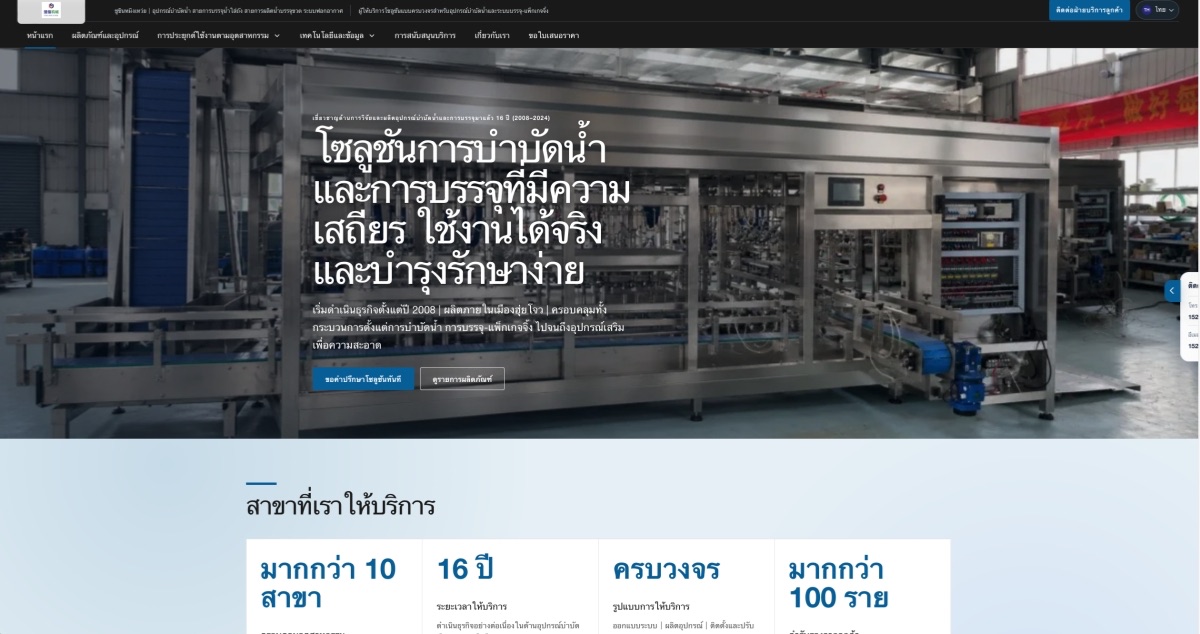
Water Treatment & Filling Equipment Manufacturer | Thai AI Digital Asset Website Case Study
Development of a Thai AI digital asset website for water treatment and filling equipment...
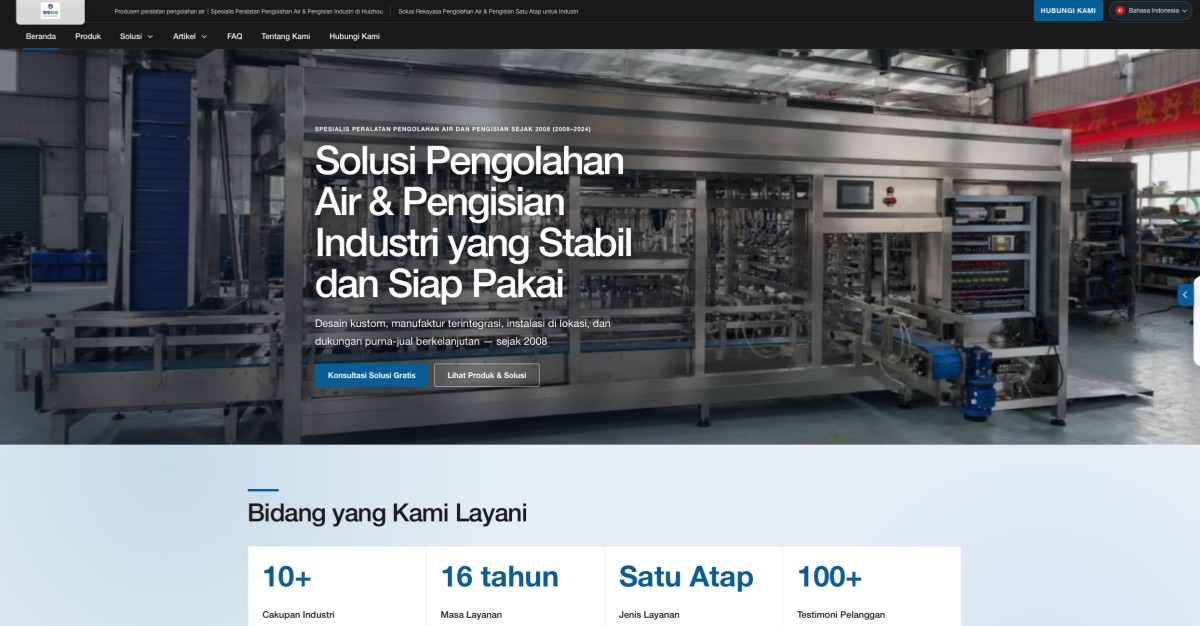
Water Treatment & Filling Equipment Manufacturer | Indonesian AI Digital Asset Website Case Study
An AI-powered digital asset website built for the Indonesian market, tailored for a wate...
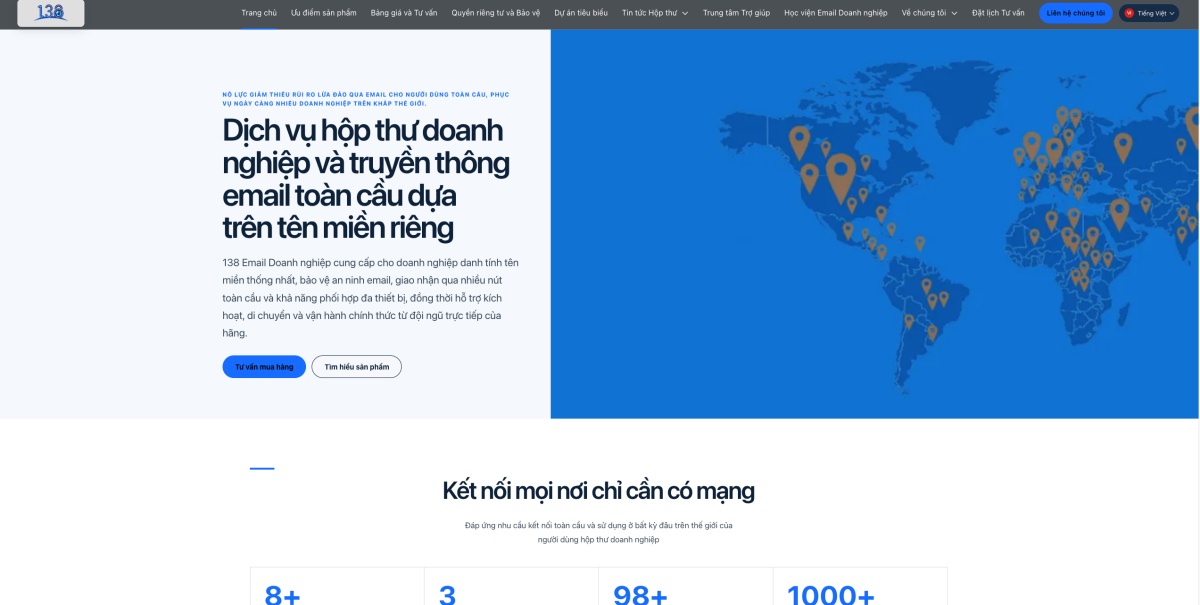
138 Enterprise Email | Vietnamese AI Digital Asset Website Case Study
An AI-driven digital asset website for enterprise email tailored to Vietnamese enterpris...